How to Repair A Leaky Flat Roof
Owning a property can be a rewarding experience. However, it also comes with the burden of necessary roof repairs. One of the most stressful examples of this is a roof leak. This guide by Austin Roofing Company & Water Damage | WDR will teach you about flat roof repair and other important information.

What Are the Different Types of Roofs?
Roofs vary based on style, material, and purpose. While there are dozens of varieties, these are the five main types of roofs:
- Gabled
- Gambrel
- Mansard
- Hip
- Flat

What Is a Flat Roof?
Despite its name, a flat roof is still a kind of sloped roof. Without a slope, it would be impossible to drain water. Even so, this is the most horizontal of all roofs.
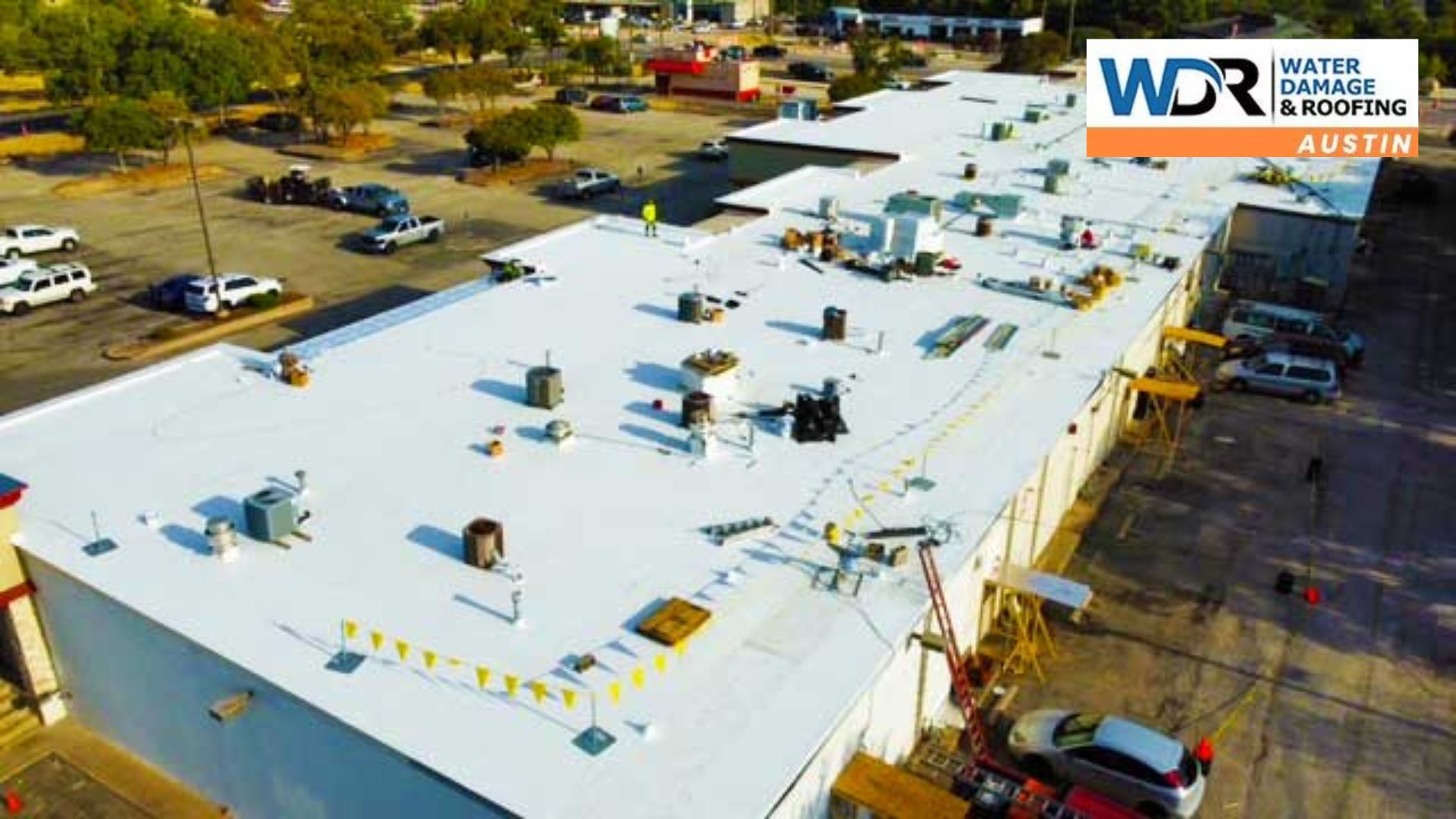
Flat roofs are primarily used for commercial properties and residential apartments. The shape allows for a more open floor plan rather than having the upper floor restricted by a sharp incline.
What Are the Pros of Flat Roofs?
Each type of roof has its advantages and disadvantages. Flat roofs in particular have a set of benefits that helped popularize the style. These include…
- Costing less than most other roofs
- Being able to use the roof as extra storage space or a gathering spot
- Providing open space on the top floor of the building
- Installing more easily
- Being an optimal roof for solar panels
- Decreasing energy usage
- Being easy to clean and inspect
What Are the Cons of Flat Roofs?
While flat roofs come with plenty of advantages, there are noteworthy downsides.
- Collecting water that pools after heavy rain
- Unappealing and lacking customization
- Prone to leaky seams after heavy precipitation
- More susceptible to damage than other roof types
What Causes a Leaking Flat Roof?
No roof is impenetrable. With enough wear and tear, a hole will form, giving water the opportunity to sneak in. There are some factors that hasten this process.
Storms
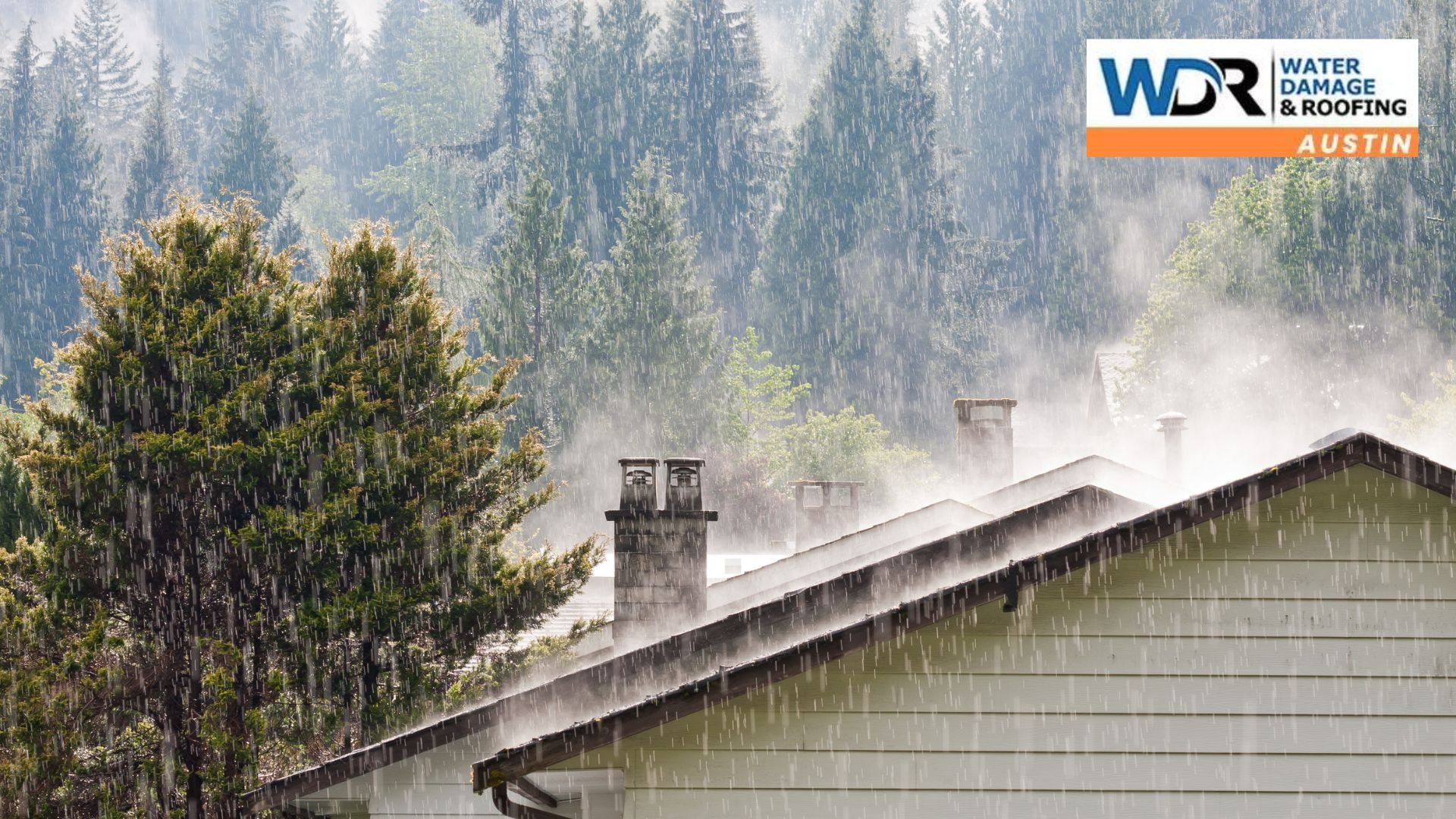
Hail, strong wind, and excessive rain can all weaken the structure of the roof. While tornadoes are uncommon in Austin, they can still pose a threat to a flat roof when they do occur. Even a weak tornado can strip tiling and crash debris into the roof.
Other Factors
Lack of regular maintenance can cause issues to go unnoticed. A minor leak can quickly become a major problem. Coupled with wear and tear, neglect can compromise flat roofing as much as storms.
Another reason to routinely inspect your roof is to remove animals and invasive plant roots. It can also give you an opportunity to spot a rotted roof deck before it collapses. The more problems accrue, the more difficult flat roof repair will be.
What Happens if You Ignore a Roof Leak?
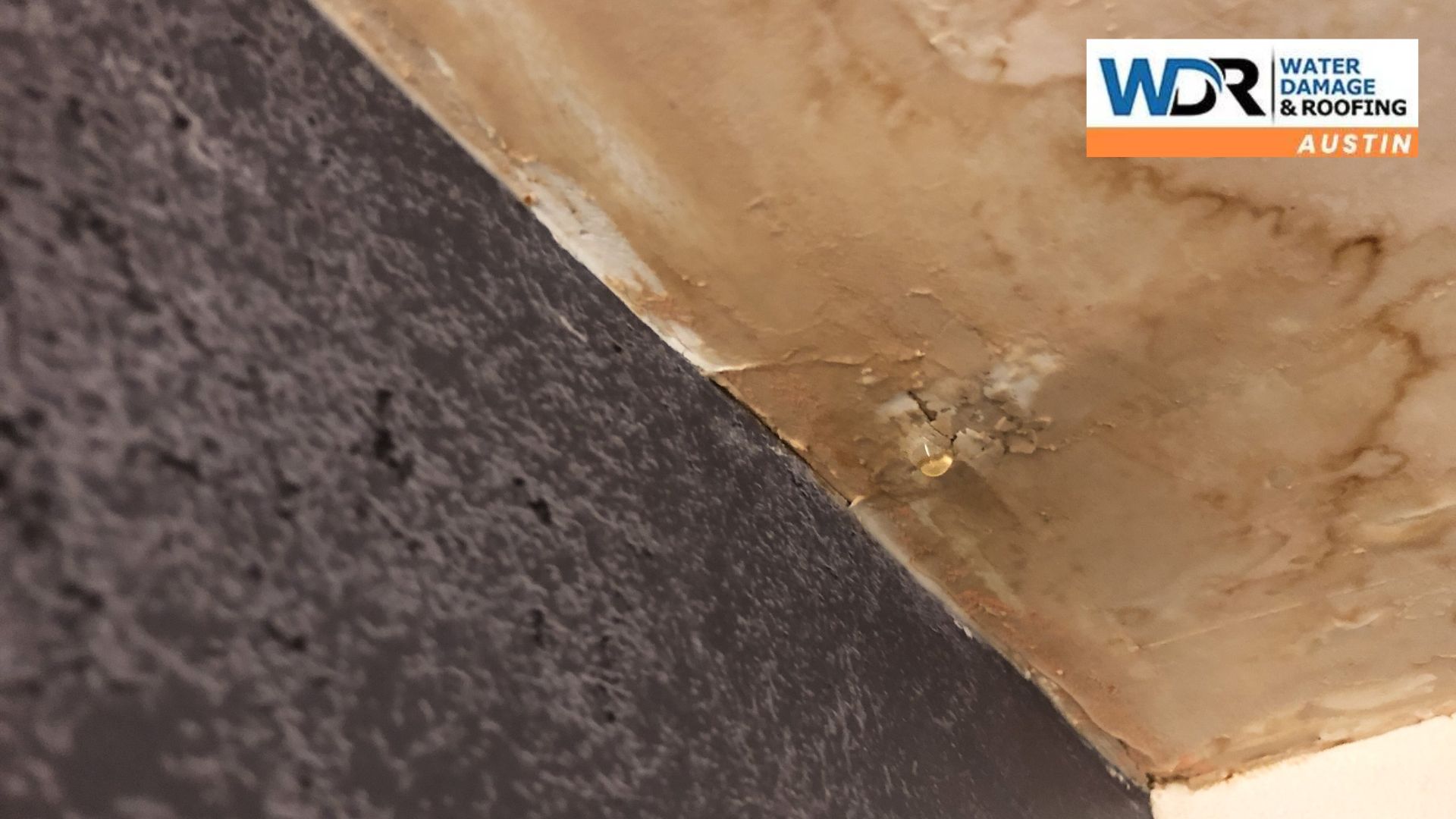
Before you notice a leak, the water has already been pooling within the roof. The standing water can lead to mold and diseases. It may also attract insects and animals that will cause further damage to the property.
Small damage eventually turns into obvious damage that may be too late to repair. Ignoring a leak can result in the floor flooding, the walls losing structure, the ceiling sinking, and other disastrous consequences. What was once an easy flat roof repair is now a full-scale remodel or condemnation.
Flat Roof Repair Options
How to DIY Repair a Flat Roof
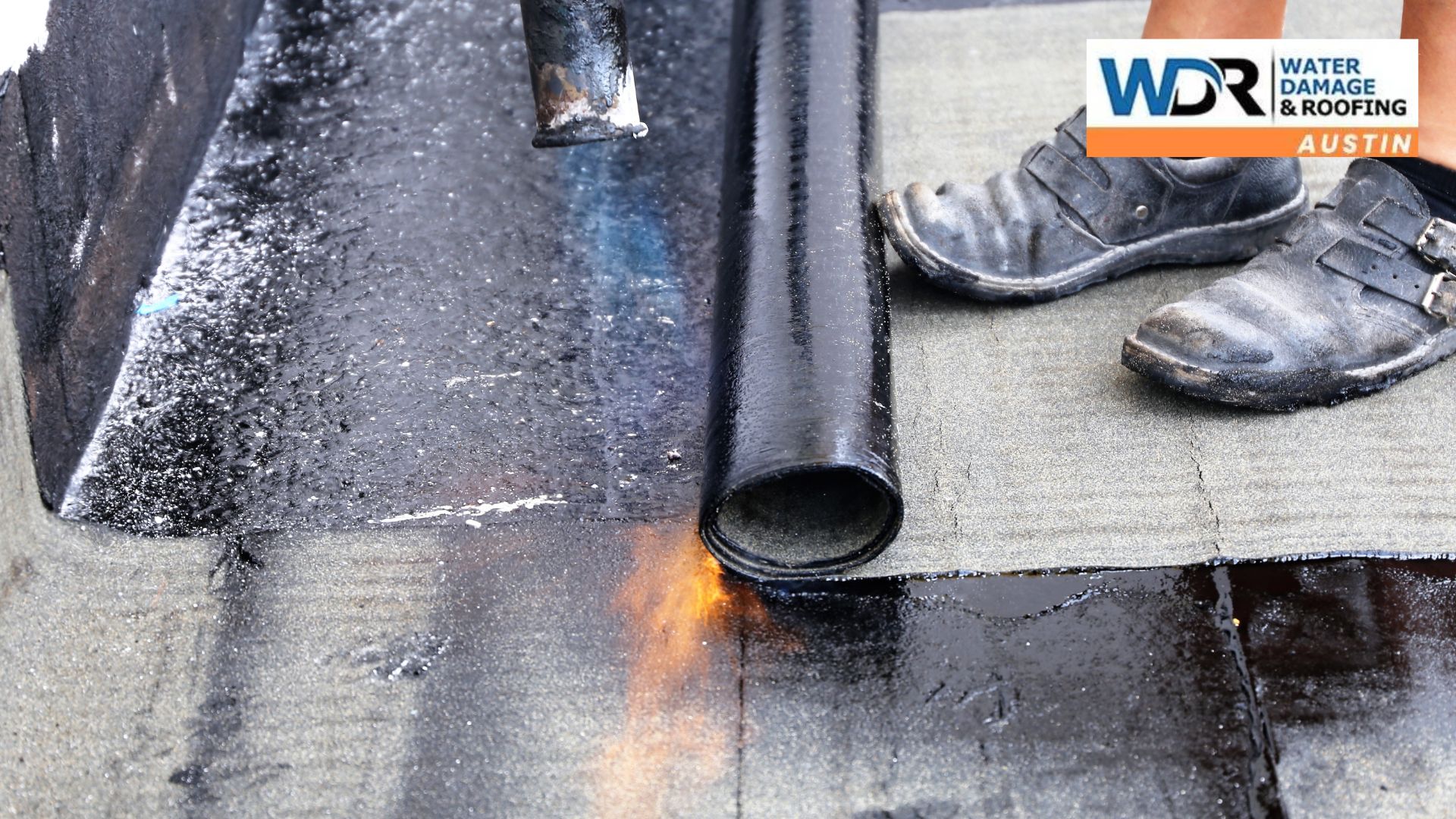
If there isn’t extensive damage, you may want to attempt repairing a flat roof yourself. This can be a viable option if you trust in your capabilities.
Roof Repair Kit

Before attempting flat roof repairs, access the damage. How the leak was caused will influence the best way to fix it. Assemble a roof repair kit containing everything you will need. To get started, include the following:
- A utility knife and/or putty knife
- Roofing cement
- Fiberglass mesh
- Roof repair material appropriate for your existing roofing material
- Bitumen roof sealant
- Multiple towels
- A trowel
- Bitumen primer
- A protective tarp
- Safety gloves
What Is Roofing Cement?
Every DIYer needs roofing cement in their toolbox. Without it, any roofing job is almost certain to fail. Used alongside fiberglass mesh, these two create a powerful duo to make quick work of any roof repair.
Made of asphalt or similar material, roofing cement is a powerful adhesive. It usually lasts between three to seven years before needing to be reapplied. While this may not be a long time, it is one of the best options for a DIY project. Commercial roofers have access to longer-lasting materials.
Quick Fix
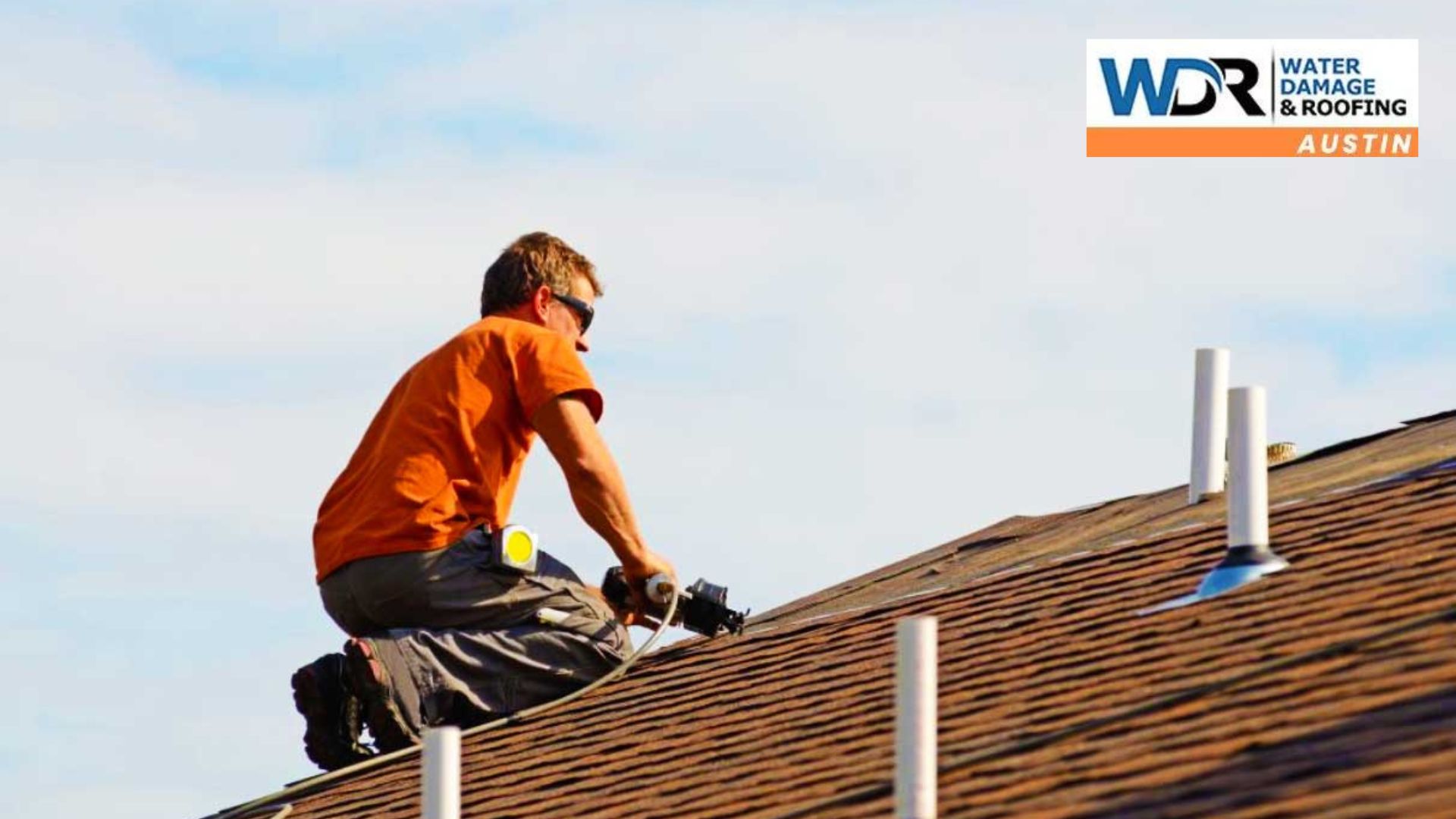
If you are short on time or need something in place as you wait for a roofing contractor, you may want to try a temporary fix. The simplest option for a leak is to use a protective tarp to prevent more water from infiltrating the roof.
This method works best if the weather will be clear for a while. A tarp will not withstand excessive winds and rain during a storm. Light showers, thin layers of snow, and condensation should not be a concern, depending on the quality of the tarp.
Long-term Fix
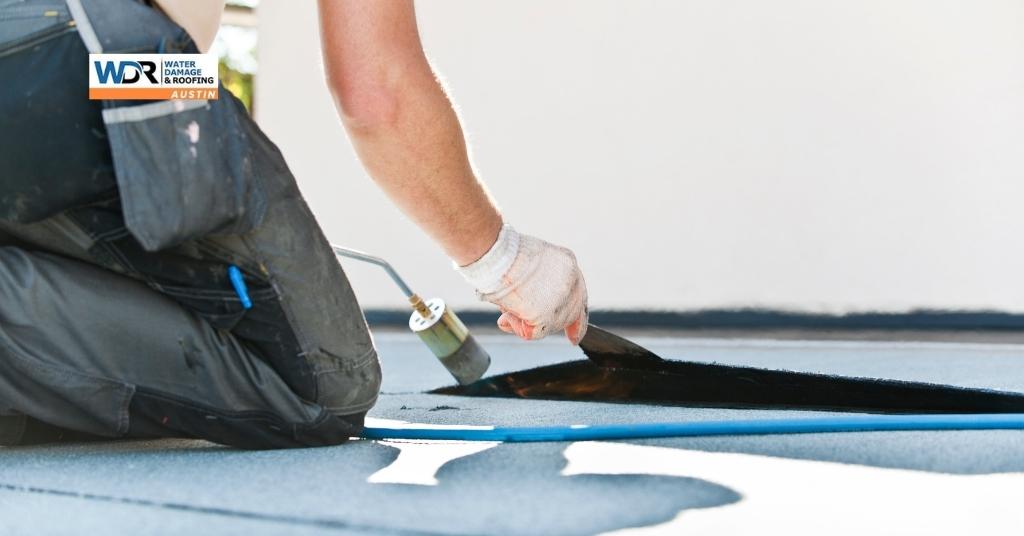
If the leak does not seem severe, you can learn how to repair a flat roof long-term. Small leaks can be patched up quickly if you have everything you need.
Begin by locating the source of the leak. You can use a wet spot or soft spot indoors as a reference point. Once you find the location, use a tool to lift the tiling.
Clear any noticeable debris from the location. Often, there is a noticeable gap in the identified area. Using roofing cement or another form of wet cement, gently fill the hole. Give the cement a moment to sink before adding a thin layer of even more roofing cement.
Clean the removed tile, inspect it for cracks, and then firmly place it back over the hole. If the tile is loose, add a bit more roofing cement around it to hold it in place. Monitor the leak over the next few days. If the problem persists, this may indicate larger issues. Call a professional roofer to help you identify the problem.
How to Repair Commercial Roofing
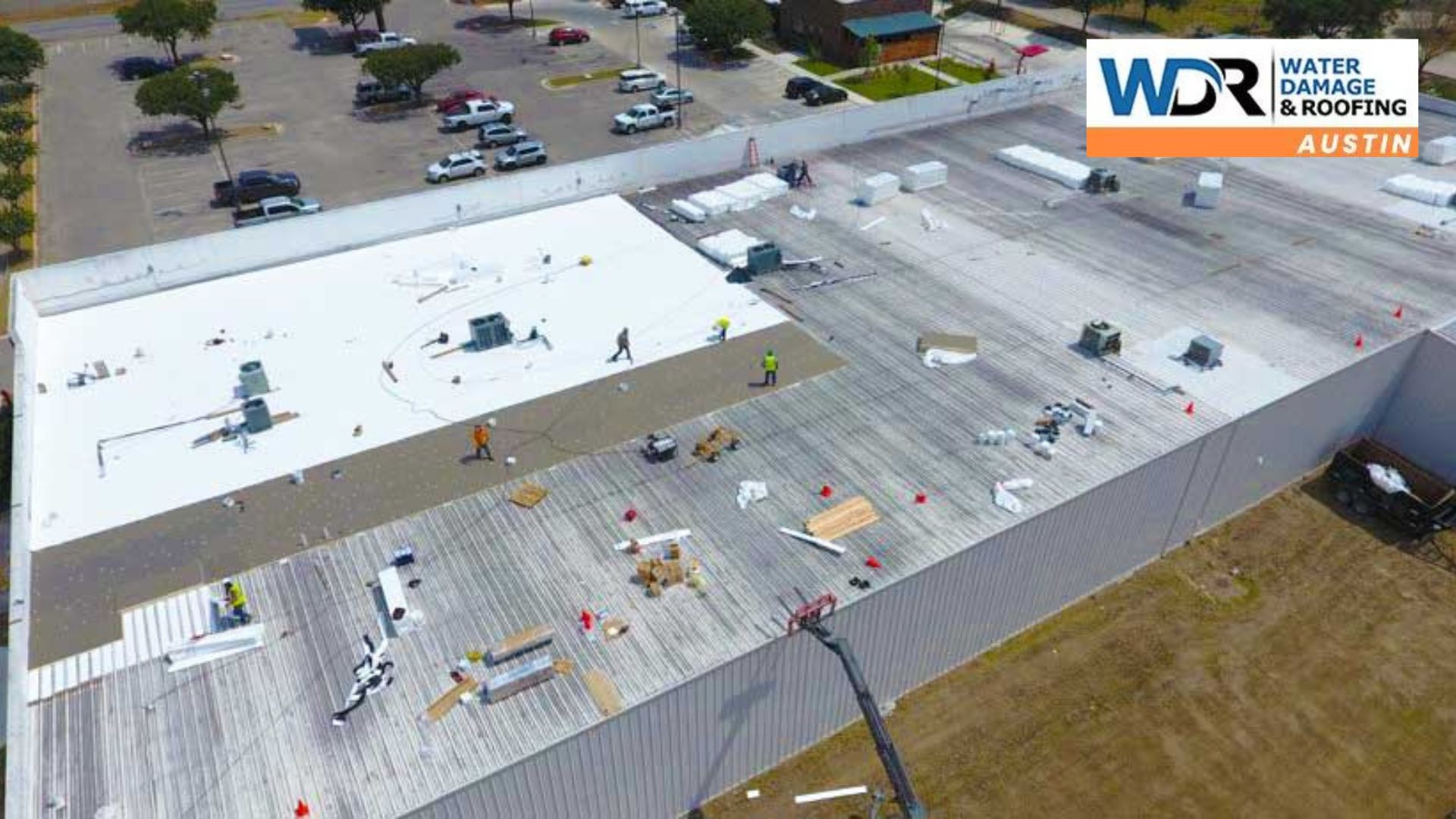
Commercial buildings are often too large to fix with DIY solutions. To resume business quickly and with minimal interruption, it is best to hire a professional roofing contractor.
Depending on the size of the property, you may need to hire a team of workers. Extreme damage will require ongoing work for weeks. It is important to have a roofing contractor inspect the building regularly to prevent issues from accumulating. It is more cost-effective to close part of the building for a day for mild repairs than close the entire building for weeks for major repairs.
Flat Roof Repair Costs
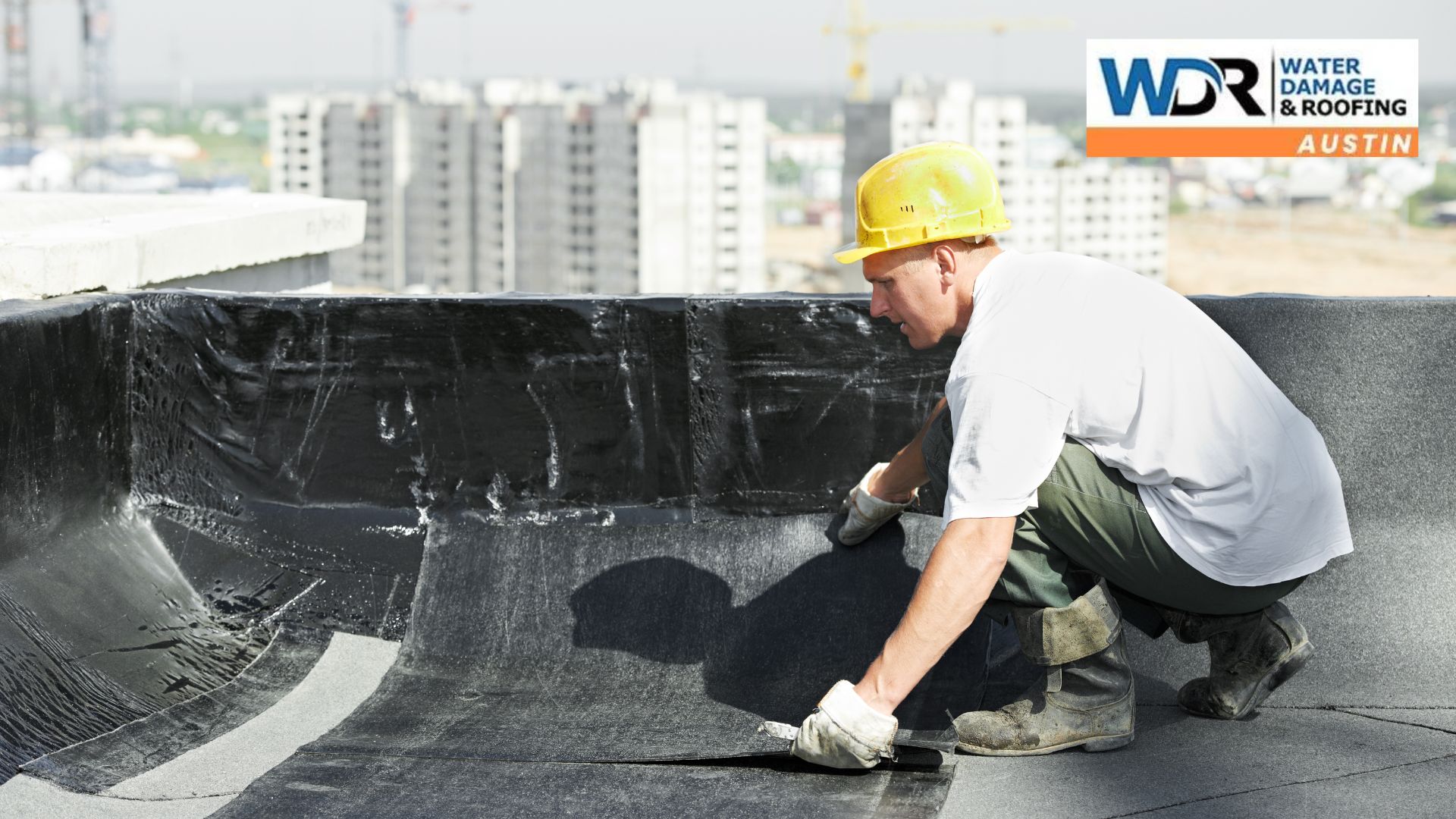
The cost of a flat roof repair depends on a variety of factors. Some roofing material is more expensive than others. A full or partial replacement will also cost more than a standard roof repair.
Another major factor is the size of the building. Small residential houses are going to cost less than large commercial properties. However, you can often find larger discounts for commercial roof repair.
The severity of the problem also affects the price. A “leaking roof” can be one leak in a specific location or several leaks throughout the building. Flat roofing is more likely than other types of roofs to cause the latter.
Is It Better to Replace a Flat Roof or Fix It?
Sometimes, the roof damage goes beyond small cracks. If there are major problems that go beyond what modified bitumen can handle, you may need a new roof.
Replacing a roof can better address the underlining issues putting your building at risk. It offers a long-term solution that replaces an endless stream of temporary repairs.
However, if the damage is not extreme, you should opt for flat roof repair. This is usually a cheaper option that does not require vacating the building for an extended time. On the downside, if the problem turns out to be severe, repairing will be more costly in the long run.
Flat Roof Replacement
Flat roof replacement may involve replacing the entire roof or a significant section of it. This option is usually more expensive than repairs, but it offers a more permanent solution. When an entire roof needs to be replaced, the top floor of the building must be vacant for the following weeks.
If you need a roof replacement for your home, be sure to have somewhere to stay for at least a month. When getting a roof replacement for a business, consider how to rearrange operations to keep work flowing smoothly.
Related Article: Roof Replacement Process
How to Prevent Further Damage
The best form of roof repair is damage prevention. If a problem never arises, it won’t require a solution. This saves you time, money, and stress in the future.
Prepare for Severe Weather
While not as hectic as northern parts of Texas, Austin sees its fair share of severe weather. Natural disasters are one of the biggest culprits of roof damage. Between tornados, hail storms, and the occasional snowstorm, there is a lot putting your roof at risk.
When storm season starts, immediately start making preparations. Place a protective tarp across your roof whenever a severe thunderstorm is forecasted. Even a haphazard job will provide more protection than nothing.
Inspect your roof for damages at the start of the season and after every major storm. If you do not already have insurance, consider investing in it before your property sustains any damage. Having coverage can relieve some of the financial burden if you need a flat roof repair following a bout of extreme weather.
Do Regular Maintenance
Keep the roof clean, regularly inspect it for damages, and frequently check the ceiling or attic for signs of a leak. If you notice any cracks or small leaks, fix them immediately to prevent them from growing into bigger issues.
Should You Hire a Roofing Contractor?
The damage may be too much for you to handle on your own. If you find yourself at a loss, seek out a roofing contractor or company to help.
Where to Find a Professional Roofing Company
We offer roofing services in and around Austin. From fixing small leaks to full roof replacements, we provide whatever your roof needs. Contact us today to learn more about our services and schedule a consultation.