Roof Replacement Cost in Austin TX: 2026 Pricing Guide

Roof Replacement Cost in Austin TX: 2026 Pricing Guide

Last Updated: March 2026

Your roof is one of the most important elements of your home. It serves as a barrier between your inner sanctuary and the elements and helps to regulate the indoor temperature.

However, like all exterior structures, roofs aren’t built to last forever, and when the damage is extensive, you will have no other choice but to replace your existing roof with a new one.

The truth is that building a new roof involves a considerable investment. If you’re wondering how much you can expect to spend for a Texas roof replacement, keep reading.

This post will provide all the information you need on replacement costs.

How to Tell That Your Roof Needs Replacing

Before talking about the cost of replacing a roof in Texas, let’s first talk about how you can tell when it’s time to install a new roof. Here are a few tell-tale signs that you need to replace your roof:

  • It has reached the end of its lifespan. Most roofs last 20 to 50 years, so if your roof is older than this, it’s probably time to replace it.
  • There’s water damage. If you notice water leaks, this is a sign that your roof needs replacing.
  • There’s sagging. Trapped moisture can cause your roof to sag, damaging the roofing materials.
  • Mold, fungi, or moss have taken over. Excessive mold, fungi, or moss growth means you have trapped water in your roof.

If you notice any of these signs, it’s time to think about a replacement. Contact us for a free estimate!

The Average Roof Replacement Cost in Texas

Although they require a significant investment, roof replacements are essential for home maintenance. The average cost of roof replacement in Texas might differ depending on the roofing material used and the size and style of the house.

Average Roof Replacement According to Size

A straightforward roof replacement in Texas will cost close to $5,000. However, the metal roofing typically runs $15,000 to $30,000, and tile $20,000 to $40,000 or more if your roof is bigger or the job is more challenging.

Average Roof Cost According to Roof Materials

Moreover, the choice of roofing materials also affects the price of roofing. Metal roofs are generally more expensive than other roofing materials, costing anywhere from $15,000 to $30,000 for metal roofing in Austin.

You can expect to pay $8,000 to $15,000 for asphalt shingles on an average Austin home roofing, depending on the dimensions of your roofing and the shingle quality. We will talk more about these factors later on in this article.

Every roof is unique, and replacing a roof in Texas will come with challenges. Based on your unique requirements, Austin Roofing Company & Water Damage | WDR can provide you with a more precise estimate of the cost of a new roof.

What Factors Affect Roof Cost in Texas?

The roofing cost varies greatly based on a number of factors. Let’s take a closer look at these factors to understand better what to expect.

Understand the key distinctions and which option suits your situation in our blog: What is the Difference Between Roof Replacement and Reroofing?

1. Roof Size

The roof’s square footage or surface area is the most significant impact on price.

The cost to put up a new roof on a 1,500-square-foot home, including removing the existing layer of shingles, is $8 to $15 per square foot installed for asphalt shingles in Austin.

Roofing Square

Contractors will measure your roof accurately using square footage. Next, they will divide that number by 100 to get what is known as a roofing square.

The Average Cost to Replace a Roof in Texas per Square Foot

Here’s what you can expect to replace roofs of different sizes:

  • 5,000 square feet – $18,000 to $19,500
  • 4,500 square feet – $16,200 to $17,550
  • 4,000 square feet – $14,400 to $15,600
  • 3,500 square feet – $12,600 to $13,650
  • 3,000 square feet – $10,800 to $11,700
  • 2,500 square feet – $9,000 to $9,750
  • 2,000 square feet – $7,200 to $7,800
  • 1,900 square feet – $6,840 to $7,410
  • 1,800 square feet – $6,480 to $7,020
  • 1,700 square feet – $6,120 to $6,630
  • 1,600 square feet – $5,760 to $6,240
  • 1,500 square feet – $5,400 to $5,850

2. Pitch

It’s important to remember that the roof size will differ from the size of your house. It could be plain, flat, or sloped. The “slope” of a roof is known as the roof pitch.

There are houses with a shallow roof pitch and others that are significantly higher. Replacement costs are affected by the pitch elevation because a steeper roof has a larger surface area.

The steeper the roof, the greater the price, which means that a flat roof replacement will cost less than a low-slope roof replacement.

3. The Condition of Your Existing Roof

It makes sense that replacing a roof in good shape will be more affordable than replacing one in bad condition. That’s because more labor costs are involved.

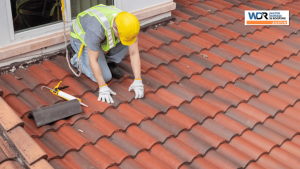
roofer replacing a roof

4. Roofing Material Costs

As we have already mentioned, roof replacement costs are influenced by the type of roofing material you choose. We recommend clay or concrete tiles in Texas because they do well in hot climates. Here are some of the average prices of different materials:

Tiles

Installing tiles requires a framed structure that must be built over your roof. There are various types of roof tiles to choose from. Slate tiles are a popular choice, but without removing the damaged roof, they could cost more than $630.

Metal Roofs

Metal roofs are incredibly long-lasting, weather-resistant, and made of recycled resources. You may need to spend $680 to $892 on roof overlays to construct a metal roof.

Asphalt Shingles

Asphalt shingles are widely available, and reasonably priced roofing material is simple to set up and incredibly durable. Prices range from $145 to 238 for a simple roof overlay and an average of $190 to 240 to remove the old roof.

Wood Shingles

Pine or cedar wood shingles may be more expensive, but they often last longer than asphalt shingles and offer a lot more in terms of durability. They can cost between $480 and 630 to install without removing the current roof.

5. Labor Cost

When replacing your roof, you will need to hire a team of roofing contractors to tear down your old, damaged structure and replace it with a new roof.

The labor cost will vary from one company to another, so be sure to shop around and get quotes from different local roofing companies before choosing a service provider.

It’s also important to remember that if your roof replacement is more complex, it will take longer to complete, which means that you’ll pay more for labor.

6. The Type of Roof and Additional Requirements

If you are replacing your roof, you don’t have to choose the same style. There are a number of different roof types to choose from, such as:

  • Mansard
  • Hip
  • Gable

The roof cost will be greater if you choose a more elaborate new roof than a flat one. Moreover, if you need to replace gutters or install a chimney, this will raise the cost.

7. Location

Your location will also impact the Texas roof replacement cost. For a detailed breakdown, see our roof replacement in Austin guide.

8. The Time of Year

The roof cost can also vary depending on the time of year. Typically, the warmer seasons of summer and spring are when roofers are busiest. As a result, you might have to spend more on roof replacement during these months.

Suppose you book your replacement for colder seasons when roofing companies are typically less busy. In that case, you might be able to negotiate a better price.

Contact Austin Roofing Company & Water Damage | WDR for a Free Estimate!

If you are looking for affordable roofing contractors in Texas to help you replace your roof, then you have come to the right place! You can count on our expert team to complete the job on time and within your budget.

We offer affordable and transparent pricing to ensure that you are never left in the dark when it comes to roof replacement costing.

Get in touch with us to learn more about our services, or request your free, no-obligation estimate!

How to Fix a Roof Leak in Austin TX

How to Fix a Roof Leak in Austin TX

Apart from the inconvenience and frustration, a roof leak in Austin, TX, is any homeowner’s worst nightmare. There’s no good time to be in such a situation. By the time you notice a small leak, it may have caused considerable damage.

This post will talk about signs of a leak, such as those in roof valleys or the flashing in a vent pipe, the potential damage, some DIY solutions, and when to call a roofer like Austin Roofing Company & Water Damage | WDR for roof leak repair.

Causes of a Leaky Roof

Here are possible factors that may cause most roof leaks:

Small Holes Resulting From Storm Damage

Austin is prone to storms that may cause small holes in a roof. These are extremely sneaky and may go undetected for years. A tiny hole may cause grievous damage to your home and wallet in the long run.

The roof penetrations will eventually start leaking when you least expect them. Small holes may also appear on your roof if you remove an old antenna or dish where you had anchored it.

Know which option is right for your home in our blog: Roof Repair or Replacement – Consider This Before Hiring a Roofing Company.

Age of Your Roof

The older your roof gets, the more chances of developing small leaks, especially in the roof valleys. Regular exposure to harsh weather and temperature changes makes a roof old and tired. It will eventually lose the battle against exposure to water, and leaks will develop.

How long the roof lasts depends on the materials used:

  • Standard asphalt shingles last about 20 years
  • Fiber cement shingles last about 25 years
  • Wood shake shingles last about 30 years
  • Metal, slate, and tile roofs last about 50 years

A roof becomes brittle and deteriorates with time, making it unable to protect your home from leaks. Damage or neglect shortens the life of your roof, regardless of its roofing materials.

Clogged Gutters

Regardless of your roof design, you’ll likely experience leaks when the gutters are clogged. Falling leaves and debris clog the gutters and limit water flow. It builds up and overflows to cause leaks.

Missing Shingles

The shingles protect your roof and allow water to run into the gutters. All nails holding the shingles ensure they do their job properly to avoid leaks.

Poor installation of the shingles, such as missing nails, may sometimes encourage leaks. Using substandard roofing material during installation is also disastrous.

Storm or wind damage may damage the shingles or blow them off your roof. If your house is near some trees, a fallen branch may puncture the shingles and roofing underneath to increase the chances of leaks.

Damaged Flashing

A roof has metal that goes over joints and seams to protect it from leaks, known as flashing. Its poor installation may encourage water to enter your house. It may also move out of position when not appropriately attached.

Metal flashing is also prone to damage over time from corrosion, allowing water to pass through.

Roof Vents, Skylights, and Chimneys

roofing expert nailing roof

Your roof has a risk of leaks if it has vents, skylights, or chimneys. Poor installation of these features can allow water to seep into your house. Water may come into your house if the step flashing around the skylight has cracks.

Insulation around the skylight also deteriorates over time, causing a leaking roof. The chimney may break down with time and also contribute to leaks. Poor insulation of the roof vents may contribute to leaks when water goes through.

Some Roof Leak Facts You Should Know

A roof leak is a common problem for homeowners and comes with various problems on your property. During the rainy season, a small leak may become an emergency. Here are some valuable facts about roof leaks:

Leaks Can Happen Anytime

Although leaks are more evident during a storm, they can start when it’s sunny. After it has rained, not everything that remains on your roof drains off naturally.

When heavy rain comes pounding your roof, those that remained make it heavier, which may compromise its integrity, creating holes and eventual leaks.

Holes Can Be Anywhere on Your Roof

aerial view of residential roof

Spots and stains don’t usually provide the source of a roof leak. Water may drain from the rafters spilling into the vaulted ceiling into other areas. Only a roof repair expert can detect the source of the leak.

Rain Doesn’t Always Fall Straight

It seems obvious that rain falls straight, but it’s not always the case. Sometimes rain comes at an angle according to where the wind blows. There’s a possibility of working its way under your flashing or through the vent pipe, causing a leaky roof.

Maintenance Is Better Than Repair

Routine maintenance is more cost-effective compared to repairs. It involves preventing leaks before they develop into more significant problems.

Calling a trusted roofer to come and undertake appropriate roof repair is very important. WDR offers a free roof inspection for Austin homeowners. It will save you a lot of money you would have used when the problem escalates. Contact a trusted Austin roofing contractor at WDR for 24/7 service.

Common Signs of Roof Leaks

Let’s now look at some telltale signs that you have a leaky roof.

Water Stains

You can tell a water leak from stains on your ceiling. The stain may look like a small puddle with a brown tinge on the edges. You must look out for discoloration on the ceiling, as it could also indicate a roof leak.

Moisture on the Walls or Drips

When you notice moisture or water dripping on your wall, it signals a roof leak. Take preventive measures even when the issue seems to have disappeared. The chances are high that it will come back someday.

The problem may result from an ice dam on your roof that freezes, and the frost melts after a while causing intermittent leaks.

Missing Shingles

Although it may not be proof that your roof leaks at the moment, lost shingles are a precursor to the problem. If you don’t replace the shingles, water will likely enter your interior whenever rain comes.

Mold on Exterior Walls

Sagging gutters contribute to the presence of mold on your exterior walls. Gutters in good condition are essential for a good roofing system. If mold appears on your walls, your gutters may be clogged, causing overflow, and need cleaning.

How to Fix a Roof Leak

A roof leak in Austin can escalate quickly — what starts as a small stain on your ceiling can become a mold problem, structural damage, or a full replacement if it goes unaddressed. Some leaks can be temporarily managed with a tarp or sealant while you wait for a professional. Others need immediate attention from an experienced roofer. This guide walks you through the temporary fixes available to Austin homeowners, the signs a leak has gone beyond DIY repair, and when to call a licensed roofing contractor.

Cover the Area With a Tarp

After a nasty storm damages your roof, you can limit further damage by tarping it. You can call an experienced roofer or do it yourself. Adding a tarp to your roof is an emergency solution when your trusted roofer is busy elsewhere.

Securing the tarp properly and covering the nail heads with roof cement protects a roof when rain, storm, or wind comes. It also prevents holes or lost shingles from turning into leaks or worsening.

Apart from shielding your home, it may be necessary according to your insurance policy. Not limiting storm damage on your home may make the insurance company not cover the extra damages.

Don’t attempt to tarp a leaky roof yourself. Standing on a damaged roof without appropriate safety equipment and knowledge is risky, especially if you suspect your roof to problems.

You may fall off the wet roof or tripping hazard such as loose shingles. A badly damaged roof may even collapse under your weight.

Always find a roof technician to attach the tarp to get peace of mind and reassure your insurance company. Professional roofers may also use a garden hose to test your ceiling for leaks.

Here are the steps to tarp a leaky roof:

  • Examining your roof and determining the tarp size
  • Take pictures of the damage to show to your insurance company
  • Selecting a tarp for attaching to the location of the roof leak
  • Removing debris from your roof
  • Unfurling the tarp and placing it over the problem area
  • Securing the tarp with nails or screws

roofing specialists installing roof cement on residential roof

Use Roof Cement

There’s special cement for sealing roofing leaks. It’s strong material made of ground asphalt that fixes other roof issues, such as holes. It also re-attaches broken shingles.

The roof must be completely dry before applying the cement. Applying cement to repair a leaking roof is a straightforward process that requires removing debris from the damaged area.

Afterward, use the cement to fill the hole or gap. A professional roofing contractor may put mesh on the cement for additional strength.

Applying Silicone

Silicone may temporarily fix a roof leak. The material creates a restoration membrane on your current roofing system.

Applying a silicone layer to your roof eliminates leaks and offers a waterproof cover.

Some of the benefits of considering silicone for roof leaks include the following:

  • Saves money on labor and material
  • Extends the life of your roof
  • Significantly reduces energy costs
  • Shortens project duration

Using a Rubber Sealant Coating

Most people purchase sealant from their local store when faced with roof leaks. You can use DIY sealant to temporarily fix the problem. However, a professional roofer can provide a long-term solution.

Sealant works on wet and dry surfaces to allow fixing minor leaks instantly. More significant roof leaks have different procedures when applying sealant. You can also use a tarp and cover the edges using rubber.

Be mindful that you may leave large color splotches after spraying the sealant.

Fixing Shingles With Damage

A sound roof keeps you and your family safe and warm. Since a new roofing system is pricey, although it comes with a roof warranty, fixing shingles with damage may prevent leaking. Let’s walk you through the ways to fix a damaged roof without spending a fortune.

Replace Damaged Shingles

One way to repair a leaking roof is to replace any lost shingles. You have to replace everything, even when only a part of the shingle is missing.

You need some materials to do the task, such as:

  • Putty knife
  • Hammer
  • Roofing nails
  • Flat pry bar

Fix Curled Shingles

The corners of asphalt shingles curl downward or upward at the corners over time. You can limit the damage by gluing the curved section down.

A caulking gun helps apply the sealant.

Afterward, weigh down the shingle using something heavy and leave it for about 24 hours for the roof sealant to dry. However, always call an experienced roofer to repair the leaking roof correctly.

Repair Cracked Shingles

You don’t have to replace the shingle that is torn or cracked. Applying sealant on the crack might solve the roof leak.

To ensure you’ve done a great job, press the shingle down and apply a second coat of sealant.

Afterward, spread the sealing using a putty knife.

To avoid seeing that you’ve patched your shingles, add some colored granules collected from shingles to the sealant. This is a wonderful idea to mask the roof leak repair you’ve done.

Applying Plastic Sheeting

A storm may cause a lot of homes to become prone to roof leaks in the coming months. Roofing contractors are likely to be so busy through the period.

Therefore, homeowners must know how to protect their interior before the roofer arrives.

A roof leak may escalate and affect your whole household, making pinpointing the source of the problem challenging. You can easily find the source of the roof leak and cover it using a plastic sheet over your whole roof.

Choose UV-resistant sheeting so it won’t deteriorate in a short while. Blue tarps are easily available at a local hardware store but always choose a thicker tarp for effective roof leak repair.

Dangers of Ignoring a Leaking Roof

Whenever you notice a roof leak, never hesitate to call a trusted roof or apply DIY solutions to prevent the problem from growing. Doing this will protect you from the various problems highlighted below.

Structural Damage

The most apparent effect of a leaking roof is structural damage. Ignoring the problem significantly damages various parts of your home, including:

  • Wall framing
  • Ceiling joists
  • Roof sheathing
  • Fascia board
  • Rafters

Chronic leaks encourage weakened framing and wood deterioration.

There’s also a likelihood of experiencing damaged ceiling walls and joists, leading to costly wood framing. Structural damage results from a leaking roof that has been ignored for some time.

In a worst-case scenario, a ceiling in bad condition may collapse, causing significant damage to your interior.

Interior Damage

Another potential risk of a leaking roof is damaged furnishings and painting. Apart from the roof leak repair costs, you’re likely to spend on extra restoration and replacements. Some items that may suffer irreparable damage from water exposure include:

  • Important documents
  • Photos
  • Furniture
  • Electronics
  • Family heirloom
  • Memorabilia

Fire Hazard

Water drips might seem harmless but become a fire hazard if you have electrical wiring in the ceiling or attic. Sparks may cause a fire, usually developing when water droplets touch shorted wires.

In a worst-case scenario, this may excessively damage your home and cause loss of lives. Turn off the electricity when you notice a roof leak and call a professional roofer to come and remediate the problem.

Mold Presence

The presence of mold in your home is a worrying concern and encourages various health issues. Breathing problems such as asthma or nasal congestion escalate because of mold growth from a leaking roof.

Mold, especially black, may also infiltrate your wood framing, carpets, ceiling, and furniture. Although rare, it’s not worth taking chances since it develops from not fixing a roof leak for a long time.

Wood Deterioration and Breakage

roofing experts on residential roof

Another problem of a leaking roof is the deterioration and breakage of wood structures in your home. It could result in severe hazards, including falling ceilings and walls, that may wreak plenty of havoc in your household.

Damaged Insulation

Ignoring roof repair may cause water to reach your attic access. This won’t be good news if it reaches your insulation. The insulation may incur significant damage and depletion over time.

Your home will lose hot and cool air leading to overusing your HVAC system. One way to identify this is if your energy bills skyrocket in a short period.

Encourages Slips and Falls

Immediate roof repair is vital to protect your family members from slips and falls once they step into pools of water resulting from leaks. This affects everyone, although seniors and children are more vulnerable. A quick slip or fall may result in serious physical injuries.

Conclusion

A roof protects your family and valuables from extreme weather conditions such as storms, sunshine, and rainfall. However, the roof deteriorates over time, requiring maintenance, repair, or replacement. It pays to know a professional and experienced roofer you can call whenever you have a roof problem.

Roof Inspection for Different Roofing Materials

Roof Inspection for Different Roofing Materials

Roof inspections are vital for maintaining your home’s safety and longevity, but not all roofs are the same. A roof inspection is a standard procedure by roofing contractors to assess a roof for potential repairs or replacement. Different roofing materials require unique inspection methods to uncover specific vulnerabilities and ensure their durability. At Austin Roofing Company & Water Damage | WDR, we specialize in thorough roof inspections tailored to the material type, whether asphalt shingles, metal, tile, or wood.

This guide will walk you through the tools and techniques professionals use to inspect various roofing materials, ensuring you’re well-informed about what keeps your roof in top condition.

Why Roofing Material Matters for Inspections

Roofing materials differ in structure, durability, and susceptibility to environmental factors. These differences affect how inspections are conducted. For instance, asphalt shingles may show wear through granule loss, while metal roofs might reveal issues like rust or loose fasteners. Understanding these nuances ensures that inspections address specific problems, minimizing the risk of undetected damage.

Hiring a roofing contractor for a professional inspection tailored to your roofing material provides a detailed assessment that helps homeowners maintain their roofs, prevent costly repairs, and extend their lifespan. Roofing contractors conduct thorough inspections and provide detailed reports and estimates for any necessary repairs or replacements, making them essential for accurate assessments.

Roof Inspection Techniques by Material

1. Asphalt Shingle Roofs

  • roofing contractor inspecting gutters for roof issuesCommon Issues: Cracked, curling, or missing shingles; granule loss; damaged flashing.
  • Inspection Focus: A roof inspector examines shingle granules, flashing, and gutter debris for signs of wear or water damage. Missing or loose shingles are noted for immediate repair.
  • Tools Used: High-resolution cameras capture damage details, while moisture meters detect hidden leaks.

Asphalt shingles are one of the most popular roofing materials, but exposure to harsh weather can lead to significant wear over time. A thorough inspection ensures these issues are caught early. For more information on maintaining your shingle roof, check out our guide on Steps to Repair Asphalt Shingle Roof.

2. Metal Roofs

  • Common Issues: Rust, loose fasteners, and thermal expansion damage.
  • Inspection Focus: Professionals inspect seams, fasteners, and corrosion-prone areas. Additionally, they evaluate the roof’s overall alignment for signs of buckling.
  • Tools Used: Infrared scanners detect trapped moisture beneath panels, while cameras document surface conditions.

Metal roofing is known for its durability, but it requires regular inspections to address potential weaknesses. Corrosion and fastener issues, if left unchecked, can lead to more significant problems over time.

3. Tile Roofs

  • Common Issues: Cracked or displaced tiles, damaged underlayment, and moss or algae growth.
  • Inspection Focus: Inspectors check for broken tiles and evaluate the underlayment and roof deck, which often suffer from water damage or aging. Tile alignment is also carefully assessed.
  • Tools Used: Binoculars for surface assessments and moisture meters to test for hidden water damage.

Tile roofs offer longevity and aesthetics, but their inspection is critical to identify small cracks or displacement, which can lead to leaks and structural damage.

4. Flat Roofs

  • Common Issues: Ponding water, punctures, and seam separation.
  • Inspection Focus: Professionals assess roof slope, drainage systems, membrane integrity, and any pooling water that could lead to leaks or structural issues.
  • Tools Used: Core sampling tools help evaluate the membrane layers, while infrared scanners detect moisture.

Flat roofs are typical in commercial buildings, but their design makes them prone to water pooling. A thorough inspection ensures that drainage systems function correctly and the roofing membrane is intact. If you’re dealing with flat roof issues, our comprehensive guide on How Much Does Flat Roof Installation Cost? provides valuable insights.

5. Wood Roofs (Shakes and Shingles)

  • contractors inspecting the roofCommon Issues: Rot, insect damage, and warping.
  • Inspection Focus: Inspectors look for signs of decay, moisture retention, and proper ventilation to prevent long-term damage. Evaluating the roof structure is essential to ensure the wood’s integrity and the supporting framework’s stability.
  • Tools Used: Probing tools assess the wood’s integrity, and cameras capture hard-to-see areas.

Wood roofs add charm and natural beauty to a home but are also highly susceptible to rot and insect damage. Regular inspections are crucial for maintaining their durability.

Challenges in Inspecting Different Roofing Materials

Weather-Related Damage

Each material reacts differently to weather conditions, making it crucial to assess the roof’s condition after severe weather. For example, hail can dent metal roofs but crack tiles, while high winds may loosen shingles or cause them to tear away entirely.

Hidden Issues

Certain materials, like flat or wood roofs, can conceal damage beneath the surface. A comprehensive roof inspection is crucial as it involves a thorough evaluation process to uncover hidden problems and ensure nothing is overlooked. Professionals use advanced tools to detect these issues, maintaining the roof’s condition and safety.

Why Professional Roof Inspections Are Essential

Expertise in Material-Specific Techniques

Inspectors with experience in different roofing materials can spot subtle issues that might go unnoticed during a general inspection. For instance, they know how to assess the underlayment in tile roofs or detect corrosion in metal seams.

Advanced Tools for Precision

Professional tools, such as infrared scanners and moisture meters, are essential for conducting a thorough structural inspection, providing insights beyond what the eye can see. These tools are crucial for detecting hidden damage and ensuring accurate assessments.

Prevention of Costly Repairs

Early detection of material-specific problems, including a thorough roof inspection, can save homeowners thousands of dollars by addressing minor issues before they escalate.

At Austin Roofing Company & Water Damage | WDR, we combine expert knowledge with cutting-edge tools to provide accurate and reliable inspections tailored to your roofing material. Learn how professional inspections prevent costly repairs by reading our blog on The Importance of Regular Roof Inspections.


FAQs About Roof Inspections for Different Materials

What roofing material requires the most frequent inspections?

Wood roofs need frequent inspections due to their vulnerability to rot, moisture, and insect damage.

Can a homeowner inspect different roofing materials themselves?

While homeowners can conduct essential visual inspections, professional roofing inspections are recommended to detect hidden issues accurately.

How does weather affect roof inspections for various materials?

Severe weather impacts different materials uniquely, requiring specific inspection techniques to identify damage effectively.

What tools are commonly used for roof inspections?

Infrared scanners, moisture meters, high-resolution cameras, and core sampling tools are among the most commonly used tools.

Roof inspections tailored to the specific material of your roof are essential for maintaining its durability and preventing costly repairs. Whether it’s asphalt shingles, metal, tile, flat roofs, or wood, each material demands a unique approach to inspection. At Austin Roofing Company & Water Damage | WDR, we pride ourselves on delivering comprehensive roof inspections designed to meet the unique needs of every homeowner. Contact us today to schedule your professional roof inspection and ensure your home remains safe and secure.

Roof Inspection Tools: What Professionals Use

Roof Inspection Tools: What Professionals Use

Roof inspections are critical for maintaining the structural integrity of your home, but the process is far from simple. Professionals rely on advanced tools to ensure thorough, accurate assessments of your roof’s condition. At Austin Roofing Company & Water Damage | WDR, we combine cutting-edge technology with years of expertise to deliver comprehensive roof inspections. This guide will explore the essential tools professionals use, why they matter, and how they enhance the inspection process. Whether you’re a homeowner or simply curious about how inspections work, this article will leave you well-informed about the importance of having the right tools.

Essential Tools for a Thorough Roof Inspection

Essential roof inspection tools are critical for professional roof inspections, which are meticulous and require a combination of safety, visual, and diagnostic tools. Here’s a breakdown of the essential equipment used:

Safety Tools

metal roof repair safety measuresSafety is a top priority for roof inspectors. These tools ensure that inspections are conducted without risk to the inspector or damage to your property.

  • Safety Harness and Lanyards: Inspectors use these to secure themselves while working at heights, especially on steep or slippery roofs. Wearing a safety harness is crucial for preventing falls.
  • Non-Slip Shoes: Specialized footwear provides traction on various surfaces, preventing slips and falls during inspections.
  • Knee Pads: Roof inspectors often need to kneel while assessing various areas of the roof. Knee pads are essential for comfort and protection during the inspection process.

Visual Inspection Tools

Visual assessment tools allow inspectors to identify surface-level issues and document findings effectively.

  • Binoculars: These are perfect for spotting distant damage, like cracked shingles or missing tiles, without the need to climb on the roof.
  • High-Resolution Cameras: Professionals use cameras to capture clear, detailed images of the roof’s condition. These images are often included in the roof inspection report for documentation or insurance purposes.
  • Drones: Drones are increasingly popular for inspecting steep, multi-story roofs or hard-to-reach areas. They provide high-definition aerial views, ensuring every corner of the roof is thoroughly examined.

Having a comprehensive roof inspections vs. Expertise: Why You Need Bo

Water damage is one of the most common roofing issues, and detecting it early can save homeowners significant costs.

  • Infrared Scanners: These advanced tools detect temperature differences, helping professionals locate hidden leaks or trapped moisture under the roofing material.
  • Moisture Meters: Inspectors use these handheld devices to measure moisture levels in the attic, underlayment, or shingles, pinpointing areas of concern. Moisture meters are essential for detecting hidden moisture that could indicate leaks or potential water intrusion, making them crucial for both construction and routine inspections.

For a deeper understanding of how moisture issues affect your roof, check out our guide on 10 Signs of a Roof Leak.

Structural Assessment Tools

Structural integrity is just as important as surface condition. These tools ensure the roof’s framework is stable and aligned.

  • Measuring Tapes and Levels: Used to evaluate the roof’s alignment and detect sagging areas that may indicate structural weaknesses.
  • Roof Cores: Core sampling tools help assess the layers and condition of flat or commercial roofs, providing critical insights into their durability.

Tools like the Roof Snake can also install new shingles efficiently, ensuring proper alignment without damaging existing shingles or the surrounding area.

Why Professional Tools Matter

Accuracy and Efficiency

Advanced tools enable professionals to detect issues that might go unnoticed during a visual inspection. For example, infrared scanners can identify water damage under the surface, ensuring no problems are overlooked. Tools like drones also allow for faster inspections, saving time while covering more ground.

Enhanced Documentation

High-quality cameras and drones ensure detailed documentation, critical for roof inspection reports. These records are invaluable for homeowners when filing insurance claims or scheduling repairs.

Ensuring Safety

Safety tools, such as harnesses and lanyards, protect inspectors from accidents, allowing them to focus on providing a thorough and accurate assessment without compromising their well-being.

Learn more about how detailed documentation from tools like cameras and drones is essential in our post about The Importance of Regular Roof Inspections.

Tools vs. Expertise: Why You Need Both

While tools are essential for a successful roof inspection, but they’re only as effective as those using them. Professional roof inspectors possess the expertise to interpret data, identify potential problems, and recommend appropriate solutions. For example:

  • Infrared Scanners: A trained inspector can differentiate between normal temperature variations and those caused by water infiltration.
  • Drones: While drones provide a clear view, only an expert can analyze footage to pinpoint areas needing repair.

If you’re wondering whether to handle roof inspections independently, read our article on DIY vs Professional Roof Inspection: What’s Best for Your Home for a clear comparison.


FAQs About Roof Inspection Tools

What tools do professionals use to detect roof leaks?

Professionals use infrared scanners to identify temperature changes and moisture meters to measure dampness, which help detect hidden leaks. A high-quality utility knife is also essential for various roofing tasks, such as opening boxes and cutting materials.

Are drones always used during roof inspections?

Not always. Drones are typically reserved for steep or multi-story roofs. For smaller or accessible roofs, traditional tools like cameras and binoculars are often sufficient.

Can homeowners buy these tools for DIY inspections?

While some tools, like binoculars, are affordable, others, such as infrared scanners, are expensive and require specialized training.

How do professionals ensure their safety during inspections?

Inspectors use safety gear, including safety harnesses, non-slip shoes, and other protective equipment, to minimize risks while working at heights.

Benefits of Using Professional Tools

Thorough Assessments

Professional tools ensure no issue is overlooked, from surface damage to hidden moisture problems.

Insurance Claim Support

Detailed documentation from tools like cameras and drones makes the claims process smoother and more effective.

Long-Term Savings

Early detection of issues helps homeowners address small problems before they escalate into costly repairs.


Understanding the tools used in roof inspections highlights the precision and expertise required. These tools ensure accurate assessments, from safety gear to advanced technology like drones. At Austin Roofing Company & Water Damage | WDR, we merge top-notch tools with expertise to keep your roof in prime condition. Contact us today to schedule your professional roof inspection.

The Role of Roof Inspections in Insurance Claims

The Role of Roof Inspections in Insurance Claims

Roof inspection play a crucial role in insurance claims, providing documented proof of your roof’s condition before and after an incident. Homeowners must understand this process to ensure claims are approved and accurately assessed under a homeowner’s insurance policy. At Austin Roofing and Water Damage | WDR, we’ve helped countless homeowners navigate the complexities of roofing inspection and insurance claims.

In this blog, we’ll explore why roof inspections matter for insurance, how they work, and what steps to take when filing a claim.

Why Roof Inspections Are Vital for Insurance Claims

1. Establishing the Roof’s Condition Before Damage

A professional clearly records your roof’s condition before any damage occurs. Insurance companies often require evidence to confirm whether an issue is pre-existing or caused by a covered event, such as a storm or fire. This baseline report ensures transparency in the claims process and can significantly impact your insurance coverage, potentially leading to lower premiums or preventing coverage denial.

2. Documenting Damage Post-Incident

After an incident, such as a hailstorm or severe winds, a roof inspection becomes critical for documenting the extent of roof damage. Detailed reports, including photos and assessments, provide insurance adjusters with the necessary information to process your claim.

3. Supporting Your Insurance Claim

Roof inspections create a strong foundation for your claim by offering detailed, professional documentation. This can help avoid disputes or delays in receiving compensation to repair or replace your roof.


How Roof Inspections Fit Into the Insurance Claim Process

Navigating the insurance claim process can feel overwhelming, especially without clear guidance. Here’s how roof inspections integrate into the process of roof repair and insurance claims:

Step 1: Schedule a Professional Roof Inspection

After a storm or significant weather event, your first step should be to call a trusted roofing company, like Austin Roofing and Water Damage | WDR, for a detailed inspection. A comprehensive roof inspection should include an interior inspection where the ceilings, attic, and walls within the home are examined for signs of current or past roof leaks and damage. Professionals will assess the damage, documenting areas affected by hail, wind, or other hazards. This inspection not only identifies visible signs of roof damage but also uncovers hidden issues like structural damage or moisture infiltration, which could compromise your roof’s performance and affect your insurance claim.

Step 2: File Your Insurance Claim

Use the roof inspection report to provide evidence of damage. Most insurance providers require documentation, including photos and detailed assessments, before processing your claim. Maintaining open communication with your insurance company is crucial during this process to ensure all necessary information is provided. Be sure to file promptly; many policies have time limits for reporting damage. Prompt filing not only meets policy requirements but also helps expedite the claims process, reducing the financial risk of prolonged roof damage.

Step 3: Work with an Insurance Adjuster

Insurance adjusters will review the report to verify the claim. Your roofing contractor can often communicate directly with the adjuster to clarify technical details or answer questions. This collaboration is vital as it ensures that all aspects of the roof damage are accurately represented and considered in the claim assessment. Having a reputable roofing contractor involved can also help in negotiating the scope of necessary repairs or replacements, ensuring that the claim adequately covers all costs.

Step 4: Approve Repairs or Replacement

Once the claim is approved, work with your roofing contractor to finalize roof repairs or a roof replacement. The inspection report ensures that repairs address all documented issues, reducing the risk of future disputes or needing frequent repairs. A well-maintained roof not only restores your home’s curb appeal but also helps maintain lower insurance premiums by demonstrating proactive maintenance and minimizing potential future claims. This step is crucial in safeguarding your property against further damage and ensuring that all repairs are completed to professional standards, using quality roofing materials that enhance the roof’s longevity and energy efficiency.

Key Benefits of Roof Inspections for Insurance Claims

1. Faster Claim Processing

One of the most significant advantages of having a professional inspection your roof is the speed it brings to the claims process. When you submit a detailed roof inspection report, it ensures that insurance adjusters have all the critical information they need to process your claim quickly. These reports typically include photographs, measurements, and comprehensive descriptions of the damage, leaving no room for ambiguity. By eliminating guesswork and providing clear, upfront evidence, a roof inspection can reduce back-and-forth communications with the insurance company, expediting the review and approval process.

For homeowners facing significant roof damage after a storm, faster processing can mean quicker repairs and reduced exposure to further damage, such as water intrusion or structural issues.

To better understand how roof inspections streamline insurance claims, check out our guide on Roofing Damage Insurance Claims

2. Accurate Damage Assessment

Roof damage isn’t always visible to the untrained eye. Professional inspectors are equipped with the knowledge and tools to identify even the most subtle issues, such as hidden leaks, weakened underlayment, or damaged flashing. They also check for more obvious problems like cracked, missing, or curled shingles. By conducting a thorough assessment, inspectors can uncover vulnerabilities that might otherwise be overlooked.

This detailed evaluation ensures that the insurance claim reflects the full extent of the damage, maximizing your compensation. For example, what might appear to be a small dent caused by hail could indicate deeper damage to the roof’s structure, which would require more extensive repairs. Having an accurate damage assessment prevents underestimations that could leave you covering repair costs out of pocket.

For a deeper look at spotting roof issues early, read our post on Signs You Need a Roof Inspection Immediately.

3. Avoiding Claim Denials

Without sufficient documentation, insurance companies may deny claims on the grounds of insufficient evidence. This is where a professional roof inspection can make a significant difference. The detailed report provided by a qualified inspector serves as undeniable proof of damage, complete with photographic evidence and expert commentary.

This documentation not only supports your claim but also preempts potential disputes with the insurance company. For example, if an adjuster questions whether the damage was caused by a recent storm or pre-existing wear and tear, the inspection report can clarify the timeline and origin of the damage, strengthening your case. Ultimately, a well-documented roof inspection minimizes the chances of your claim being denied.

Learn more about the importance of documentation in our article on Roof Inspection Mistakes to Avoid.

4. Peace of Mind

Navigating the insurance claims process can be stressful, especially when significant damage to your roof puts your home at risk. Knowing your roof has been professionally inspected by an expert can provide much-needed peace of mind. A thorough inspection ensures that no issues have been missed, giving you confidence that your claim covers all necessary repairs or replacements.

Additionally, the knowledge that your roof’s condition has been fully documented equips you to advocate for fair compensation with your insurance provider. Whether you’re dealing with storm damage or preparing for future repairs, having this level of assurance can help you focus on restoring your home without unnecessary worry.

Common Scenarios Where Roof Inspections Are Essential

1. Hail Damage

Hailstorms often cause significant damage, from cracked shingles to dents in flashing. A roof inspection can pinpoint these issues and document the extent of the damage.

2. Wind Damage

High winds can lift shingles, damage flashing and even displace roof sections. Inspectors will check for these problems and provide evidence for your claim.

3. Water Damage

Leaking roofs can lead to water stains, mold, and rot. A professional inspection identifies these issues, ensuring they’re included in your claim.

4. Fire Damage

Even if a fire doesn’t destroy the roof entirely, heat and smoke can weaken its structure. Inspections ensure all damage is accounted for during the claims process.


Benefits of Roof Inspections in Insurance Claims

Benefit Explanation
Faster Claim Processing Reports provide adjusters with detailed evidence, speeding up the claim review.
Accurate Damage Assessment Identifies all visible and hidden damage to maximize your claim.
Avoiding Claim Denials Ensures sufficient evidence to support your claim.
Peace of Mind Provides confidence in the accuracy of your claim.

FAQs About Roof Inspections and Insurance Claims

What is included in a roof inspection report?

A roof inspection report typically includes photos, descriptions of the damage, and recommendations for repairs or replacement.

Do I need a roof inspection even if the damage isn’t visible?

Yes, some damage, such as leaks or weakened underlayment, may not be immediately visible. A professional inspection ensures no issues are overlooked.

How often should I schedule roof inspections?

It’s recommended to have your roof inspected annually and after major weather events.

Can a roofing contractor help with my insurance claim?

Yes, contractors like Austin Roofing and Water Damage | WDR often work with insurance adjusters to clarify technical details and ensure claims are processed correctly.

Roof inspections are a critical step in the insurance claims process, providing the documentation and clarity needed to secure fair compensation. From pre-damage assessments to post-incident reports, these inspections ensure you’re fully prepared to navigate the complexities of insurance claims. At Austin Roofing and Water Damage | WDR, we specialize in professional roof inspections that help homeowners protect their investments and avoid unnecessary delays in their claims. Contact us today to schedule your inspection and take the first step toward protecting your home.

Roof Inspection Tools: What Professionals Use

Understanding Roof Inspection Reports: What Do They Mean?

When you schedule a roof inspection, receiving a detailed report afterward is crucial. Our roof inspection services provide a comprehensive look at your roof’s health, identifying potential issues, immediate repair needs, and preventive care.

However, understanding a roof inspection report’s technical terms and specifics can be challenging. At Austin Roofing Company & Water Damage | WDR, we’re here to help you interpret the details so you know exactly what to expect and can make informed decisions about your roof’s care.

Why a Roof Inspection Report Matters

A roof inspection report is more than a list of observations; it’s a roadmap for your roof’s long-term maintenance and repair needs. Here’s why it’s essential:

  • Documentation of Roof Condition: The report records the current state of your roof, giving you a baseline to track any future changes and understand your roof’s condition.
  • Prioritizes Repairs: By identifying immediate concerns, a roof inspection report helps you address urgent repairs before they worsen.
  • Insurance and Warranty Documentation: A comprehensive inspection report can be helpful for insurance claims or fulfilling warranty requirements.

A well-documented inspection report is invaluable, especially for Roofing Damage Insurance Claims, where documentation can support your case and provide proof of roof condition.

What’s Included in a Roof Inspection Report?

Roof inspection reports are designed to give you a complete view of your roof’s health. Here’s a breakdown of what a typical report covers:

Understanding the inspection process helps you know what to expect during the evaluation and how the findings are compiled into the report.

1. Roof Exterior Condition

  • Shingle Health: Inspectors assess shingles and other roofing materials for cracks, curling, missing pieces, or any signs of wear. Shingle condition is critical to preventing leaks and water infiltration. Shingle health is critical to roof integrity; issues like Granule Loss can indicate aging or damage that requires attention to prevent leaks.
  • Flashing and Seals: The report will detail the flashing state around chimneys, vents, and skylights. Damaged flashing is a common source of leaks and should be addressed promptly.
  • Gutters and Drainage: A section of the report will describe the gutters’ functionality, checking for clogs, damage, and proper drainage flow.

2. Roof Structure and Integrity

  • Sagging or Structural Issues: The report will note any structural concerns, such as a sagging roofline, which can signal underlying support issues. Hiring a local roofing contractor ensures that structural concerns are accurately identified and addressed.
  • Support Beams and Rafters: Inspectors evaluate beams, rafters, and other structural components to ensure they’re intact and not weakened by moisture or pests.

3. Interior Condition (Attic and Insulation)

  • Signs of Leaks: During roof inspections, the inspector will check for water stains, mold, or dampness in the attic, which may indicate active leaks.
  • Insulation Condition: Proper insulation protects the roof from temperature extremes. The report may include observations on insulation effectiveness and any signs of deterioration.

Learn more about Signs You Need a Roof Inspection Immediately and the key symptoms to look for.

Common Terms Found in Roof Inspection Reports

Roof inspection reports often contain technical terms that might be unfamiliar. Here are some common terms and what they mean:

  • Granule Loss: Refers to the erosion of the protective granules on asphalt shingles, often due to age or storm damage.
  • Underlayment: The protective layer between shingles and the roof deck, designed to provide an additional barrier against water.
  • Flashing: Metal or rubber pieces seal roof penetrations (like chimneys or vents) and prevent leaks.
  • Ventilation: Proper airflow through the attic and roof space prevents moisture buildup and improves energy efficiency.
  • Roof Decking: The base layer that supports the roof’s covering. Issues here can affect the entire roof’s integrity.

A thorough roof inspection ensures the report identifies and documents all potential issues.

Understanding these terms helps you interpret the findings in the inspection report and know what repairs or maintenance actions are required.

How to Interpret Key Findings in Your Roof Inspection Report

Here’s a guide to interpreting some of the most critical findings and understanding their implications for your roof’s health:

Understanding the roof inspection cost helps you budget for necessary repairs and maintenance.

Damaged Shingles or Roofing Material

  • What It Means: Damaged shingles indicate that your roof’s protective barrier is compromised. A regular roofing inspection can help identify such issues early. You may need minor repairs or a complete replacement, depending on the severity.
  • Recommended Action: Minor shingle repairs are manageable, but if damage is widespread, consider discussing replacement options with a professional.

Flashing Issues

  • What It Means: Flashing damage, particularly around roof edges, chimneys, or vents, leaves your roof vulnerable to water infiltration.
  • Recommended Action: Flashing repair is generally straightforward. Addressing it promptly can prevent leaks and water damage.

Water Intrusion or Mold in the Attic

  • What It Means: Damp spots, water stains, or mold growth are signs of a leak or moisture problem, which could lead to structural issues if not corrected.
  • Recommended Action: The source of the moisture should be identified and addressed immediately to avoid further damage.

Ventilation Problems

  • What It Means: Poor ventilation can trap heat and moisture, leading to mold, mildew, and shingle damage.
  • Recommended Action: Improving ventilation by adding or repairing vents can improve roof longevity and energy efficiency.

What to Do with Your Roof Inspection Report

Once you’ve reviewed your inspection report, the next steps are essential for maintaining a healthy roof:

  1. Prioritize Repairs: Address any urgent repairs first, focusing on issues that could lead to leaks or structural concerns.
  2. Schedule Routine Maintenance: Use the report’s findings to plan for seasonal maintenance, ensuring minor issues don’t escalate.
  3. Consult with Your Roofing Contractor: Share your report with a trusted contractor and reputable roofing companies who can help interpret the findings and suggest practical solutions for any issues.

Using your inspection report to schedule maintenance can prevent long-term issues. Check out our Roof Maintenance Checklist for essential steps to keep your roof in top condition.

The Value of a Professional Roof Inspection and Report

Roof inspection reports are essential for long-term roof maintenance. Here’s why they’re worth the investment:

  • Preventative Maintenance: A detailed report helps you catch issues before they require costly repairs, saving you time and money.
  • Insurance Benefits: Insurance companies often require proof of maintenance, especially if damage claims are filed. A report can serve as valuable documentation.
  • Informed Decisions on Roof Replacement: If your report suggests extensive repairs, considering a roof replacement might be more cost-effective. Knowing the roof’s condition lets you make an informed choice.

Some roofing companies offer free roof inspections, providing an initial assessment without any cost to you.

With Austin Roofing Company & Water Damage | WDR, you’ll receive a thorough, expert-led roof inspection report to guide your roof’s maintenance and repair needs, keeping your home secure and safe.


FAQs about Roof Inspection Reports

What should I look for in a roof inspection report?

Look for details on shingle health, flashing, drainage, and attic condition, as these indicate the roof’s overall state.

How often should I have a roof inspection?

It’s recommended to have an inspection at least twice a year or after any major storm to keep your roof in optimal condition.

Can I use the inspection report for insurance claims?

Yes, a roof inspection report provides documentation of your roof’s condition, which can support insurance claims for storm or weather-related damages.

What’s the difference between an interior and exterior inspection?

An exterior inspection examines the outer roof elements like shingles and flashing, while an interior inspection looks at the attic for signs of leaks or structural damage.

Understanding your roof inspection report can empower you to make informed, proactive decisions about your roof’s health. These reports are crucial to roof longevity, from identifying early signs of damage to planning necessary repairs. For a trusted, thorough inspection and an easy-to-understand report, contact Austin Roofing Company & Water Damage | WDR. Our expert team is ready to help you keep your roof safe, sturdy, and well-maintained for years.