
We’re Austin Roofing Company & Water Damage, known as WDR. We’ve been repairing asphalt shingle roofs across the Austin metro since 2012, drawing on 25+ years of combined roofing experience across the team. We hold GAF Master Elite® certification (top 2% of GAF contractors nationwide), BBB A+ accreditation, and 1,510+ five-star Google reviews, the largest count of any Austin roofing contractor. Our crews are W-2 employees, not day-labor subcontractors, and we’re fully insured with general liability plus workers’ comp. We’ve operated from the same 9711 Beck Cir address in Austin we’ve had since day one.
This page covers the specific types of asphalt shingle damage we repair, why professional repair matters compared to DIY attempts, our repair process from inspection through warranty documentation, the shingle-matching challenges that come with any repair on an aged roof, how our GAF Master Elite® certification affects the work we do, insurance claim handling for shingle repair, when repair vs. replacement is the smarter call, what sets our approach apart, and how to schedule a free repair inspection.
Missing or lifted shingles from wind events
Austin gets 60+ mph wind gusts during severe thunderstorms and occasional straight-line wind events. Shingles rated for 130 mph handle those without lifting when properly installed. Under-nailed or improperly installed shingles can lift or tear off entirely. Repair scope depends on how widespread the damage is: 1 to 10 shingles is a targeted patch, 10 to 30 is a section repair, more than that starts approaching the cost of partial replacement.
Hail damage bruising
Hail damage on asphalt shingles typically appears as small round bruises where impact fractured the shingle mat beneath the granule surface. From the ground, hail damage is often invisible; from the roof at close inspection, the bruises are obvious. Class 4 impact-rated shingles resist hail damage; standard architectural and 3-tab shingles usually don’t. Insurance carriers treat hail damage as a covered peril and pay to repair or replace damaged shingles.
Cracked or curling shingles from age and heat
Extended Austin sun exposure and temperature cycling cause asphalt shingles to lose flexibility over time. Cracking appears first at the edges; curling shows up at corners. Once cracking or curling is widespread, individual shingle repair becomes less viable than section replacement because surrounding shingles are also weakened.
Granule loss patches
Granules protect the underlying asphalt from UV degradation. Patchy granule loss creates weak spots that fail faster than the surrounding roof area. Some granule loss is normal with age (you’ll see granules in gutters after any hard rain), but concentrated loss in specific areas often signals an underlying manufacturing defect or installation problem that concentrates water flow there.
Flashing failure at penetrations and transitions
Metal or composite flashing at chimneys, sidewalls, dormers, pipe boots, and skylights is a common leak source on roofs 10+ years old. Original sealants degrade, fasteners loosen, and gaps develop, letting water pass the shingle line. Flashing repair typically involves replacing the failed flashing, resealing, and re-integrating with the surrounding shingles.
Improper prior repairs
We’re often called to inspect asphalt roofs that received prior repair work from other contractors and are now leaking or showing problems in the repaired area. Common issues: patch shingles that don’t match the field color, improper flashing integration, sealant applied instead of proper metal work, cut field shingles used where matching ridge caps were needed. These typically require redoing the prior repair with proper technique.
Why Professional Asphalt Shingle Repair Matters
Homeowners sometimes wonder whether they should attempt asphalt shingle repair themselves. The honest answer: for very small repairs (a single missing shingle in an easily accessible location, if you’ve proper safety equipment and roofing experience), technically yes. For everything else, professional repair produces better outcomes in several meaningful ways.
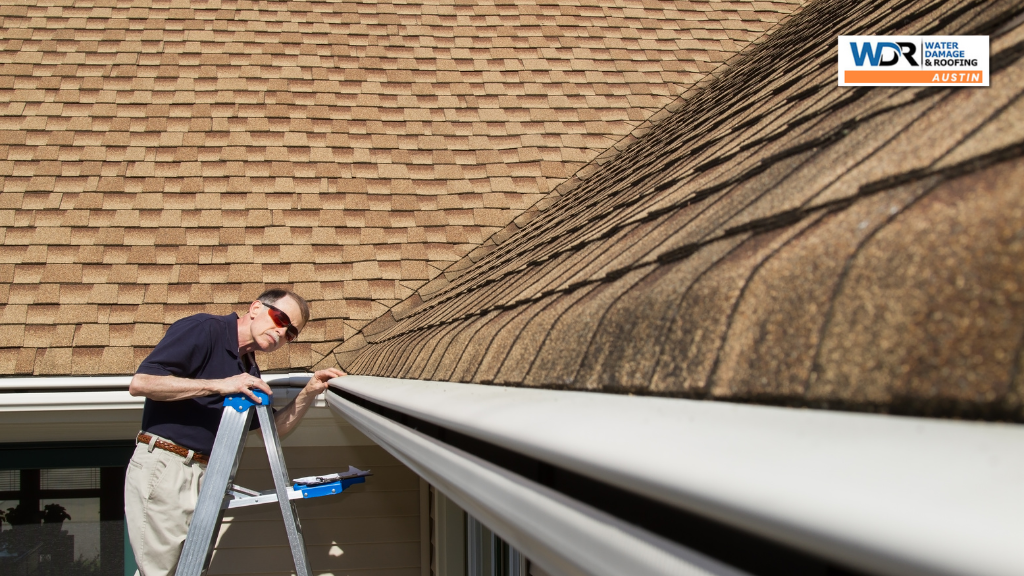
Safety comes first. Roof work is genuinely dangerous. Falls from roofs cause serious injury and occasional death, and the highest-risk moments are often the simplest: climbing on a wet roof to check where a leak is coming from, or standing near a roof edge without a proper harness. Professional crews use OSHA-compliant safety equipment (harnesses, anchors, guardrails) that homeowners rarely have. Slip-and-fall on your own roof isn’t covered by homeowner’s insurance the way falls elsewhere on the property are.
Warranty protection depends on professional installation. Most manufacturer warranties on shingles require installation by qualified contractors. DIY repair usually voids the manufacturer warranty on the repaired area, and sometimes on adjacent areas depending on how the repair was executed. If you’re within the warranty period, DIY repair can cost you meaningful future coverage.
Insurance documentation matters if the damage was storm-caused. Insurance carriers require documentation of damage from a covered peril in a specific format. DIY repair without proper documentation makes any future insurance claim on that damage significantly harder to file successfully. Adjusters expect contractor invoices, photo documentation, and scope reports.
Matching is harder than it looks. Shingles on a roof for 5+ years typically weather slightly. Even the same manufacturer’s product may not match perfectly out of a fresh bundle. Professional roofers know how to source matching product, when to accept close matches, and when to pull replacement material from less-visible sections of your existing roof to preserve the appearance of visible sections.
Underlying issues get missed. A professional repair inspection catches problems a DIY approach won’t notice: subtle underlayment damage, decking issues beneath the shingles, adjacent flashing problems, or code compliance issues. DIY repair addresses the visible symptom without diagnosing the root cause, which often leads to repeat repair work down the road.
Our Asphalt Shingle Repair Process
Every asphalt shingle repair we do follows the same underlying process, scaled to project size and complexity. Here’s what to expect. For material context, our GAF asphalt shingles page covers the specific product lines we install and repair.
Step 1: Inspection and diagnosis
We’ve got an estimator who visits your property, does a full rooftop inspection focused on the reported damage area plus general roof condition, and documents findings with photos. Inspections are free and take 30 to 60 minutes depending on roof complexity. We’re checking not just the visible damage but underlying conditions that might affect repair success (decking condition, adjacent flashing, ventilation adequacy).
Step 2: Written estimate
You receive a written itemized estimate within 48 hours of the inspection. The estimate lists specific shingles or components we’ll replace, materials to be used (manufacturer and product line for matching purposes), labor scope, timeline, and warranty terms. If we find additional issues beyond the initial complaint, those are called out separately with a recommendation on whether to address now or later.
Step 3: Scheduling and material sourcing
Once you approve, we schedule the work and order any specific-match materials needed. For current-production shingles, materials arrive within a few days. For discontinued or specialty products, sourcing takes longer.
Step 4: Repair work
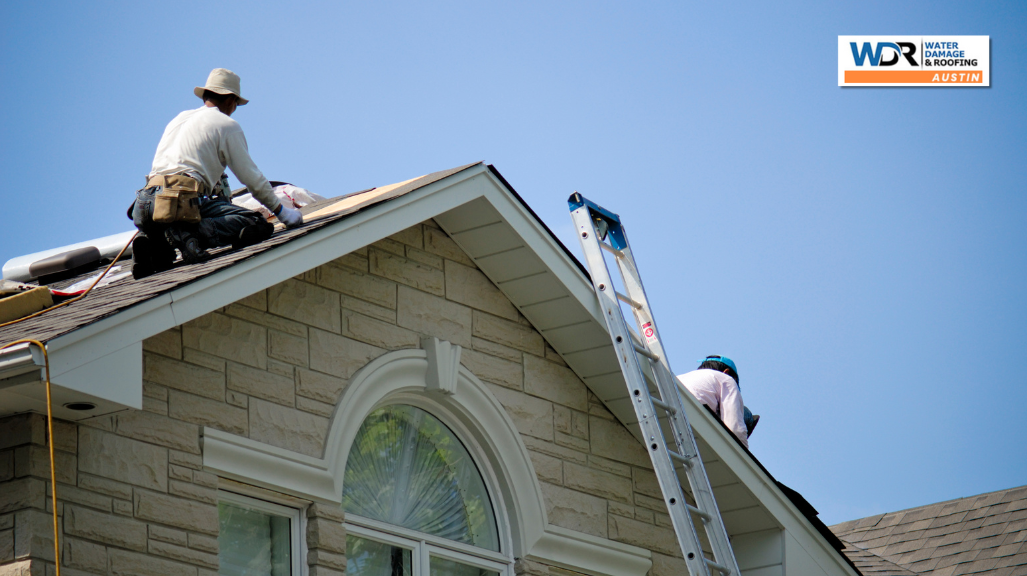
Most targeted asphalt shingle repairs finish in a single day. The crew removes damaged shingles carefully to avoid disturbing surrounding material, inspects and repairs any underlayment or decking issues found beneath, installs replacement shingles with a proper fastening pattern, and integrates with existing shingles for a weathertight seal.
Step 5: Warranty and documentation
All workmanship carries our 5-year warranty. Materials carry the manufacturer’s warranty. We provide photo documentation of the completed work and warranty paperwork. If the repair was insurance-related, we provide the completion documentation your carrier needs to release any held-back depreciation.

Shingle Matching, The Repair Challenge
Matching shingles for repair is harder than most homeowners expect, and it’s the main quality variable that distinguishes good repair work from mediocre repair work. Here’s how matching works in practice.
Current-production shingles from major manufacturers (GAF, Owens Corning, CertainTeed, Malarkey) match well when the existing roof is under 3 to 5 years old. The same shingle product installed 5+ years ago has weathered slightly, so fresh material out of the bundle may look subtly different from what’s on the roof.
Discontinued shingles present a bigger challenge. Manufacturers regularly update product lines and colors, and shingles installed 10+ years ago may no longer be in production. Options for repair on discontinued materials: source close-match alternatives (accepting slight color variation), source authentic-match material from distributors specializing in aged stock (usually more expensive and slower), or use replacement material from a less-visible section of your existing roof and use fresh shingles in the hidden location.
For highly visible sections (front-facing slopes, prominent architectural features), we sometimes recommend the source-and-swap approach: pull shingles from a rear-facing slope for the visible repair, install fresh shingles on the rear slope where color mismatch is less noticeable from the ground. This preserves curb appeal while getting the repair done.
For less visible sections (rear slopes, dormers behind trees, low-visibility areas), close-match alternatives usually work fine because slight color variation isn’t noticeable from typical viewing angles.
GAF Master Elite® Advantage on Asphalt Work
GAF Master Elite® certification (top 2% of GAF contractors nationwide) affects our asphalt repair work in specific ways beyond general certification prestige.
Full warranty extension on GAF materials. When we repair with GAF shingles, we can extend the full GAF unified warranty, which covers both the materials and our workmanship. Non-certified contractors can only extend the basic materials warranty, which excludes labor. On repair work using GAF shingles specifically, this means our repair carries GAF-backed warranty protection rather than just our own workmanship warranty.
Training on GAF product lines. Master Elite certification requires ongoing training on GAF’s current products, installation techniques, and specifications. That knowledge transfers to repair work: we understand the specific fastening pattern requirements, sealant compatibility, and integration methods for each GAF shingle line.
Access to GAF specialty products. Some GAF repair-specific products (matching shingles from limited runs, custom-cut ridge and starter products) are only available to Master Elite contractors. This matters when matching aged GAF installations.
Reputation accountability. GAF actively monitors Master Elite contractors’ work quality and customer feedback. Certification renewal requires maintaining specific performance thresholds. This creates ongoing incentive for quality that doesn’t exist for uncertified contractors.
Insurance Claims for Asphalt Shingle Repair
Storm-triggered asphalt shingle damage is one of the most common insurance-covered repair categories in Austin. Here’s how the insurance side typically works for shingle-specific claims. For the full cost picture, including deductible math and depreciation, our roof repair pricing page covers the cost and insurance details in depth.
Hail damage documentation. Hail impact on asphalt shingles produces distinctive bruising patterns that trained adjusters recognize. We’re documenting damage with close-range photos showing bruise size and pattern, plus overall roof photos showing damage distribution. That documentation supports the claim and helps determine whether the damage merits repair or replacement.

What Sets WDR Apart on Asphalt Shingle Work
What sets our asphalt shingle repair work apart comes down to who’s doing the work and how we approach the diagnosis. Some of it also comes from the specific expertise that living with Austin’s climate for 14+ years gives us. We’ve operated from the same 9711 Beck Cir address in Austin since 2012, drawing on 25+ years of combined roofing experience across the team.
Get a Free Asphalt Shingle Repair Estimate
The first step is a free on-site inspection. Call (512) 820-6505 or use the estimate request form on this site. We’ll ask a few triage questions to understand urgency and scope, then schedule the inspection at a time that works for you. Same-day dispatch is available for active leaks or storm damage; scheduled inspections happen within 24 to 72 hours for non-urgent situations. If you want the full picture on cost drivers and insurance handling before scheduling, our answers to roof repair questions cover the questions homeowners most often ask about repair projects.
During the inspection, our estimator does a full roof-top review, documents any damage found with photos, and either quotes on the spot for straightforward repairs or sends the written estimate within 48 hours for more complex scopes. If insurance is involved, we’ll coordinate with your adjuster and provide the documentation your carrier needs.
There’s no obligation from the estimate. If you decide to go with another contractor or defer the work, that’s fine. If you want to proceed, we schedule the repair work and get started, usually within 1 to 3 weeks depending on scope and current booking.