How to Patch and Repair A Hole in the Roof

How to Patch and Repair A Hole in the Roof

A hole in your roof can cause some serious water damage, which leads to insect infestations and mold growth. However, other damage can occur and cause a leaky roof, such as an old satellite dish or a tree branch falling on the roof and breaking the shingles.

how to patch and repair a hole in the roof

It’s wise to call a professional roofer to do a roof repair and patch a hole, and Austin Roofing Company & Water Damage | WDR is here to help. However, if you want to try and fix the roof hole yourself, here are the steps to take:

Word of Warning for DIY Roof Repairs

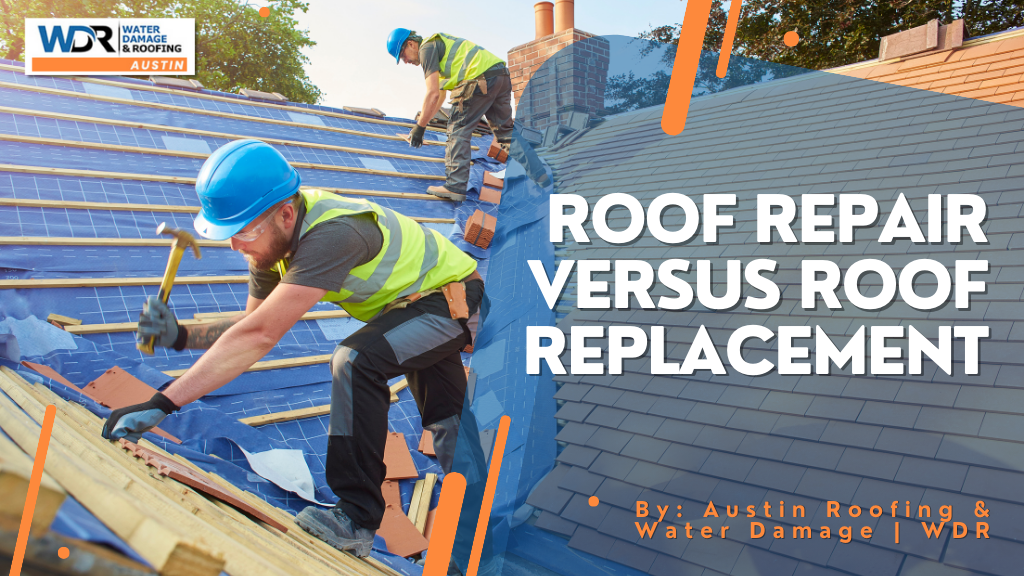
roofing crew nailing a roof

A good patch buys you time before you require a full roof replacement. If you’ve got carpentry experience and are comfortable on a ladder, you might be able to patch a hole yourself. However, this is very dangerous work and could lead to damage of the house decking.

If you don’t have basic DIY carpentry skills or are impatient and inexperienced, it’s generally wise to call a professional to patch the hole in your roof. We are the top choice, and you can use the online form or dial (512) 820-6505 for assistance.

Related Article: How to Fix A Roof Leak

Things You Need for a Roof Repair

roofing crewmen installing roof underlayment

  • Rubber-soled shoes
  • Pry bar
  • Extension ladder
  • Asphalt shingles (with extra shingles)
  • Gloves
  • Circular saw or reciprocating saw
  • Claw hammer
  • New plywood (same thickness as the current decking)
  • Putty knife
  • Roofing tar paper
  • Roofing cement
  • Roofing nails
  • Tape measure
  • Utility knife
  • Liquid nails
  • 3-inch nails
  • 2.5-inch nails
  • 2x4s

Steps to Take

Get Set Up

Get your ladder and secure it in place. Make sure you’ve got all the materials and tools necessary, and keep them away from the edge so that the nails and other things don’t fall from the roof.

Remove Damaged Shingles

damaged roof shigle

Use a pry bar to remove the old shingles from the hole. Start at the top, working your way back down. Continue removing shingles until you see no more damage. If there’s no water damage, use your hammer’s claw side to get out any remaining nails and go to step eight.

Replace Damaged Wood and Damaged Decking

Before you patch the hole, cut and replace that entire area of damaged wood. You should utilize a circular saw or reciprocating saw to get rid of the damaged plywood, but avoid cutting the rafter.

Work on a small section of the roof decking at one time, cutting separate holes so that you avoid the rafters. It’s best to call a professional for this step!

Create Framing

roofing crewmen installing roof rafters

Create a frame for the new plywood with your 2x4s. If that damaged area is small, affix the wood beneath your existing good plywood using 2.5-inch nails. Extend your braces the length of that hole on both sides, making the brace roughly three times longer than your hole.

You may have to affix those 2x4s to the rafters using 3-inch nails if you have a larger hole. Likewise, you can work from the attic to reach the roof rafters. Make sure you’re not missing nails!

Patch a Hole

Measure the hole’s dimensions and cut a piece of plywood that perfectly matches. With gloves on, apply liquid nails to the plywood, putting it into the exposed hole. Then, nail the fresh patch to the framing to cover up the damaged area. It’s easier to patch the hole this way!

Add Tar Paper with Roofing Cement

Use a putty knife with a broad edge to spread the cement across the seams where your fresh plywood connects to the existing wood. Once that’s in place, lay tar paper over the patch. Make sure the roofing tar paper extends beneath those top shingles by roughly 2 inches. Nail it down!

Attach Shingles with Roofing Nails

New shingles should overlap, so you want to start at the bottom and work your way to the top when attaching them. Roof nails are the best choice here. Once the new shingles are connected to the plywood, you cover the nails with cement to prevent leaks!

Should You Deal with a Hole in the Roof Yourself?

When dealing with shingles, it’s often best to let the professionals fix the hole. You may not get them all the way to the edge, which allows water to come through.

Why Consider Professional Roof Repair

If you’re worried you need a roof replacement, it might be wise to hire a professional for the job. After fixing the hole, we also offer maintenance plans to ensure that it’s done right. Here are a few times when you should contact us:

Don’t Have Appropriate Tools and Materials

Some tasks require specific tools to get to the edges, and you may not have them. While you can buy nails and tar paper at a home improvement store, it’s generally best to let us handle it for you.

Can’t Figure out What to Patch

Have us come and check the edges and decking of your roof to ensure that there are no missing pieces or damage. We assess the issue and offer solutions to meet your needs.

Consider Austin Roofing Company & Water Damage | WDR

You’ve just learned how to handle roof leaks yourself, but many homeowners don’t feel comfortable on a ladder or up so high.

When you have a hole in the roof, you want to get it fixed quickly. Otherwise, you may wait too long and can’t repair the damage. In that situation, your best bet is to get a new roof, but there’s hope!

We can help you deal with your flat roof or another roofing system. Don’t patch holes yourself. Instead, call (512) 820-6505 for a free estimate. Once we’ve taken care of the problem, we can help you set up a maintenance schedule!

How to Repair A Metal Roof Leak

How to Repair A Metal Roof Leak

Are you responsible for managing an industrial or commercial property with a metal roof system? They represent a large portion of roofs in the United States and are prevalent in Austin, Texas. You’ve probably seen them everywhere.

If you’re responsible for a metal roof, you probably have to deal with leaks and other issues. The details making up the metal roof are unique to that system, so the repair options available are extensive.

How to repair a metal roof leak

Used Everywhere

Typically, these systems are used on many building types in Texas. They’re installed on residential properties with steep slopes, but they’re primarily found on industrial and commercial structures. Sometimes, businesses use metal roofing as a waterproofing system and structural roof deck.

Austin Roofing Company & Water Damage | WDR is here to help if your metal roof has a leak. Call (512) 820-6505 for a free estimate.

Read more: Shingle Roofs vs Metal Roofs

Have You Experienced Leaks on Metal Roofs?

aerial view of white metal roof

Metal roofing systems are often prone to leaking in certain areas. Therefore, it’s crucial that your metal roof is maintained and installed correctly.

Here are some of the most common issues that might affect your metal roof:

  • Open penetration flashings
  • Open seams
  • Fastener back-out
  • Metal roof oxidation
  • Loose counterflashing
  • Open ridge or headwall flashing
  • Panel damage
  • Improper installation methods

Let’s take a deep dive into design characteristics to learn how these leaks develop!

Frequent Problems for Metal Roof Leaks

red metal roof

Mistakes in the design or installation of the new metal roof can be a huge problem. Typically, it isn’t about the system you choose. Most issues that lead to leaks focus on the details when finishing your metal roof system. They’re not immediately known upon installation and could take time to develop.

Here are five frequent problems people with a metal roof system encounter:

Horizontal Seam Openings

Sometimes, it’s impossible or challenging to make the metal roof panels extend the full length of the rafter. Some project designers limit that length based on contraction and expansion. Because of this, the installer then uses horizontal seams for the roof system. Those seams must run perpendicular to those standing seams in your metal roof.

In time, they could separate, which creates an opening where water can go back into the building.

Penetration Flashing Openings

6-panel roof flashing

A metal roof often expands and contracts because the metal panel seams move during temperature changes. That adds stress where they were attached and for the penetrations that hold the roof together. Therefore, the flashings near the penetrations can break down and cause roof leaks.

When such a system is constructed, individual metal panels are attached together at seams. Once it’s installed, they’re hard to disassemble or remove.

Asphalt shingle systems do allow for disassembly for a repair of the penetration flashing, but metal doesn’t. Therefore, long-term repairs are harder to address, especially when the penetration gets installed after the roofing system.

Oxidation for Metal Roofs

rust on metal roof

Traditionally, metal roofs are made of various roofing materials, such as steel, tin, aluminum, zinc, and copper. Sometimes, they can rust or oxidize. Most metal roof panels feature sheet metal with a special coating to act as a protective surface. However, that coating can wear down with time, leaving the metal panel prone to oxidation.

Surface oxidation can cause many problems, such as:

  • Structural failure if you use a structural roof system
  • Impeding repairs to the roof
  • Exposing fastener heads that makes it hard to apply a sealant

Fasteners That Back Out

roofing crew nailing fastener on shingle roof

Traditionally, a metal roof includes concealed and exposed fasteners, which can be screws or nails. Exposed screws often use a neoprene washer to seal the fastener head to the metal roof panel.

With time, those fasteners can push out of their seated positions, which happens for these reasons:

  • Wind uplift
  • Vibrations during wind
  • Freeze-thaws
  • Dried out washer

Headwall and Open Ridge Flashing

roofing contractor nailing beside chimney

Roof systems have to be able to handle other surface conditions from the building envelope. These include rising wall details where your roof matches the different surfaces. One example is a metal roof that ends with a rising wall below the sign of a shopping center.

Typically, this area is where weakness develops. Sometimes, it’s because the original installation wasn’t done properly. You require some closure strips to stop water from going into the flashing.

Contractors may not install the closure strip to save time and money. They believe the underlayment will waterproof the roof system sufficiently. However, it will start to age with time, allowing moisture to penetrate.

While these five are the most common issues, there can be other reasons for a leak. It’s often hard to know where to look for them, and that’s why you should call us for assistance.

Are you ready to learn about various replacement or repair solutions? Let’s dive in!

Your Options

Metal Roof Repair Options

roofing contractor inspecting on residential metal roof

Your roof system can be maintained and repaired and often has a lifespan of 30 or more years. However, that’s only if it was installed correctly. We often recommend that you have your roof inspected twice a year to catch issues early. That means they don’t develop into bigger problems that require replacement.

Generally, we use a wire brush to get rid of any corrosion holes and then cover that spot with a rust-inhibiting coating. After that dries, we apply special cement to the patch and then add mesh.

A roof repair may also require us to add new paneling, sealants, or clips. It all depends on your situation. However, we always inform you of the issue before we start working. If there are different solutions, we make sure you’re aware of them and the benefits of each.

Restoration

aerial view of roof replacement

As your metal roof surface ages, you are sure to experience more leaking. Eventually, the rate of leaks and condition of your roof will require a restoration. It will continue degrading if you don’t do something to fix it now. In fact, we generally have a limited chance to restore the roof before having to replace the entire thing.

Typically, restoration has specific steps. We must repair the issues we find and add a rust inhibitor. Likewise, we may have to fix penetrations and other concerns. Once that’s done, we recommend a coating similar to paint be applied to the roof.

We use two types of coating materials: urethane and acrylic. Each coating option has its benefits and drawbacks, and we select the one that will work best for your situation.

Replacement

roofing crewmen installing rafters

If a restoration with a coating isn’t enough, we may have to replace the roof using a retrofit system. This is excellent for low-sloped systems. Generally, we install it over your structural roof so that the existing roof turns into the metal deck.

Regardless of the type of system you have, we can do what’s best for your building. This might mean replacing some sections of metal or putting on a whole new roof. The goal is to ensure that you stop the leaking to avoid damage to the interior of the space.

Why Choose Us

Austin Roofing Company & Water Damage | WDR contractors

Repairing a metal roof is often the first course of action, but that’s not always possible. If leaking has occurred because of severe storms and damage, you may need a restoration or replacement. Luckily, Austin Roofing Company & Water Damage | WDR is here to help. We offer cost-effective solutions to meet your needs.

Use the online form or call (512) 820-6505 to request your free roof inspection today!

How to Repair A Leaky Flat Roof

How to Repair A Leaky Flat Roof

Owning a property can be a rewarding experience. However, it also comes with the burden of necessary roof repairs. One of the most stressful examples of this is a roof leak. This guide by Austin Roofing Company & Water Damage | WDR will teach you about flat roof repair and other important information.

how to repair a leaky flat roof

What Are the Different Types of Roofs?

Roofs vary based on style, material, and purpose. While there are dozens of varieties, these are the five main types of roofs:

  • Gabled
  • Gambrel
  • Mansard
  • Hip
  • Flat

What Is a Flat Roof?

Despite its name, a flat roof is still a kind of sloped roof. Without a slope, it would be impossible to drain water. Even so, this is the most horizontal of all roofs.

Flat roofs are primarily used for commercial properties and residential apartments. The shape allows for a more open floor plan rather than having the upper floor restricted by a sharp incline.

What Are the Pros of Flat Roofs?

roofing contractors on commercial flat roof

Each type of roof has its advantages and disadvantages. Flat roofs in particular have a set of benefits that helped popularize the style. These include…

  • Costing less than most other roofs
  • Being able to use the roof as extra storage space or a gathering spot
  • Providing open space on the top floor of the building
  • Installing more easily
  • Being an optimal roof for solar panels
  • Decreasing energy usage
  • Being easy to clean and inspect

What Are the Cons of Flat Roofs?

roofing crews on commercial flat roof

While flat roofs come with plenty of advantages, there are noteworthy downsides.

  • Collecting water that pools after heavy rain
  • Unappealing and lacking customization
  • Prone to leaky seams after heavy precipitation
  • More susceptible to damage than other roof types

What Causes a Leaking Flat Roof?

No roof is impenetrable. With enough wear and tear, a hole will form, giving water the opportunity to sneak in. There are some factors that hasten this process.

Storms

pouring rain on house roof

Hail, strong wind, and excessive rain can all weaken the structure of the roof. While tornadoes are uncommon in Austin, they can still pose a threat to a flat roof when they do occur. Even a weak tornado can strip tiling and crash debris into the roof.

Other Factors

Lack of regular maintenance can cause issues to go unnoticed. A minor leak can quickly become a major problem. Coupled with wear and tear, neglect can compromise flat roofing as much as storms.

Another reason to routinely inspect your roof is to remove animals and invasive plant roots. It can also give you an opportunity to spot a rotted roof deck before it collapses. The more problems accrue, the more difficult flat roof repair will be.

What Happens if You Ignore a Roof Leak?

water stain on ceiling

Before you notice a leak, the water has already been pooling within the roof. The standing water can lead to mold and diseases. It may also attract insects and animals that will cause further damage to the property.

Small damage eventually turns into obvious damage that may be too late to repair. Ignoring a leak can result in the floor flooding, the walls losing structure, the ceiling sinking, and other disastrous consequences. What was once an easy flat roof repair is now a full-scale remodel or condemnation.

Flat Roof Repair Options

How to DIY Repair a Flat Roof

modified bitumen roofing

If there isn’t extensive damage, you may want to attempt repairing a flat roof yourself. This can be a viable option if you trust in your capabilities.

Roof Repair Kit

yellow nail gun on shingle roof

Before attempting flat roof repairs, access the damage. How the leak was caused will influence the best way to fix it. Assemble a roof repair kit containing everything you will need. To get started, include the following:

  • A utility knife and/or putty knife
  • Roofing cement
  • Fiberglass mesh
  • Roof repair material appropriate for your existing roofing material
  • Bitumen roof sealant
  • Multiple towels
  • A trowel
  • Bitumen primer
  • A protective tarp
  • Safety gloves

What Is Roofing Cement?

Every DIYer needs roofing cement in their toolbox. Without it, any roofing job is almost certain to fail. Used alongside fiberglass mesh, these two create a powerful duo to make quick work of any roof repair.

Made of asphalt or similar material, roofing cement is a powerful adhesive. It usually lasts between three to seven years before needing to be reapplied. While this may not be a long time, it is one of the best options for a DIY project. Commercial roofers have access to longer-lasting materials.

Quick Fix

roofing contractor residential roof

If you are short on time or need something in place as you wait for a roofing contractor, you may want to try a temporary fix. The simplest option for a leak is to use a protective tarp to prevent more water from infiltrating the roof.

This method works best if the weather will be clear for a while. A tarp will not withstand excessive winds and rain during a storm. Light showers, thin layers of snow, and condensation should not be a concern, depending on the quality of the tarp.

Long-term Fix

If the leak does not seem severe, you can learn how to repair a flat roof long-term. Small leaks can be patched up quickly if you have everything you need.

Begin by locating the source of the leak. You can use a wet spot or soft spot indoors as a reference point. Once you find the location, use a tool to lift the tiling.

Clear any noticeable debris from the location. Often, there is a noticeable gap in the identified area. Using roofing cement or another form of wet cement, gently fill the hole. Give the cement a moment to sink before adding a thin layer of even more roofing cement.

Clean the removed tile, inspect it for cracks, and then firmly place it back over the hole. If the tile is loose, add a bit more roofing cement around it to hold it in place. Monitor the leak over the next few days. If the problem persists, this may indicate larger issues. Call a professional roofer to help you identify the problem.

How to Repair Commercial Roofing

Commercial buildings are often too large to fix with DIY solutions. To resume business quickly and with minimal interruption, it is best to hire a professional roofing contractor.

Depending on the size of the property, you may need to hire a team of workers. Extreme damage will require ongoing work for weeks. It is important to have a roofing contractor inspect the building regularly to prevent issues from accumulating. It is more cost-effective to close part of the building for a day for mild repairs than close the entire building for weeks for major repairs.

Flat Roof Repair Costs

roofing crew installing modified bitumen roofing

The cost of a flat roof repair depends on a variety of factors. Some roofing material is more expensive than others. A full or partial replacement will also cost more than a standard roof repair.

Another major factor is the size of the building. Small residential houses are going to cost less than large commercial properties. However, you can often find larger discounts for commercial roof repair.

The severity of the problem also affects the price. A “leaking roof” can be one leak in a specific location or several leaks throughout the building. Flat roofing is more likely than other types of roofs to cause the latter.

Is It Better to Replace a Flat Roof or Fix It?

Sometimes, the roof damage goes beyond small cracks. If there are major problems that go beyond what modified bitumen can handle, you may need a new roof.

Replacing a roof can better address the underlining issues putting your building at risk. It offers a long-term solution that replaces an endless stream of temporary repairs.

However, if the damage is not extreme, you should opt for flat roof repair. This is usually a cheaper option that does not require vacating the building for an extended time. On the downside, if the problem turns out to be severe, repairing will be more costly in the long run.

Flat Roof Replacement

Flat roof replacement may involve replacing the entire roof or a significant section of it. This option is usually more expensive than repairs, but it offers a more permanent solution. When an entire roof needs to be replaced, the top floor of the building must be vacant for the following weeks.

If you need a roof replacement for your home, be sure to have somewhere to stay for at least a month. When getting a roof replacement for a business, consider how to rearrange operations to keep work flowing smoothly.

Related Article: Roof Replacement Process

How to Prevent Further Damage

The best form of roof repair is damage prevention. If a problem never arises, it won’t require a solution. This saves you time, money, and stress in the future.

Prepare for Severe Weather

pouring rain

While not as hectic as northern parts of Texas, Austin sees its fair share of severe weather. Natural disasters are one of the biggest culprits of roof damage. Between tornados, hail storms, and the occasional snowstorm, there is a lot putting your roof at risk.

When storm season starts, immediately start making preparations. Place a protective tarp across your roof whenever a severe thunderstorm is forecasted. Even a haphazard job will provide more protection than nothing.

Inspect your roof for damages at the start of the season and after every major storm. If you do not already have insurance, consider investing in it before your property sustains any damage. Having coverage can relieve some of the financial burden if you need a flat roof repair following a bout of extreme weather.

Do Regular Maintenance

Keep the roof clean, regularly inspect it for damages, and frequently check the ceiling or attic for signs of a leak. If you notice any cracks or small leaks, fix them immediately to prevent them from growing into bigger issues.

Should You Hire a Roofing Contractor?

The damage may be too much for you to handle on your own. If you find yourself at a loss, seek out a roofing contractor or company to help.

Where to Find a Professional Roofing Company

We offer roofing services in and around Austin. From fixing small leaks to full roof replacements, we provide whatever your roof needs. Contact us today to learn more about our services and schedule a consultation.

How to Repair A Tile Roof Damaged by Hail Storm

How to Repair A Tile Roof Damaged by Hail Storm

While Texas weather is usually some of the best in the United States, there are times when it causes trouble. Every summer, Austin residents have to brace themselves for a series of hailstorms. These cases of severe weather often damage people, cars, roads, and tile roofs.

How to Repair A Tile Roof Damaged by Hail Storm

What Threat Do Hailstorms Present to a Roof?

Even the smallest hail can cause damage, especially to an older roof. Hailstorms come with high winds, excessive rain, and lightning strikes. These storms present a wide array of dangers to tile roofs. 

Austin Roofing Company & Water Damage | WDR can help you with any hail damage roof repair.

Excessive rain can wash away already loose or broken tiles. It can also cause the roof to flood, especially if it has a flat style. The resulting water damage poses a threat to the rest of your home and lawn.

Hail chips away at the tile, causing cracks and breakage. As individual tiles are damaged, they may shift and apply pressure to adjacent ones. This leads to surrounding shingles being uplifted.

Strong winds are capable of stripping roof tiles individually or all together. Even milder winds can result in debris falling onto the home. As the litter smashes into the roof and builds between tiles, the structural foundation is put at risk. 

A bolt of lightning can melt, burn, fuse, or shatter roof tiles. This often results in a fire, especially if there is any electrical equipment nearby.

Types of Roof Tiles

gray tile roof

There are countless varieties of roof tile, ranging from ancient to modern. Each one differs by the roofing materials used. Some of the most common choices are…

  • Concrete tile
  • Clay tile
  • Metal tile
  • Plastic tile
  • Asphalt tile
  • Composite tile
  • Slate tile
  • Stone tile
  • Terracotta tile
  • Synthetic Spanish roof tile

What Type of Tile Roof Is Most Susceptible to Storm Damage?

While clay tile has its benefits, it is brittle. This makes it susceptible to chipping and cracking when struck or put under pressure. However, clay roofs are resistant to pests, rot, moderate wind, and average rain. Clay tile can withstand most storms, but Austin’s frequent hailstorms are worth noting if you are a homeowner.

Wood tile is one of the most environmentally friendly options available. Unfortunately, it is also one of the most damage-prone types of tile roof. These tiles have been prohibited in new and updated buildings except in certain circumstances. However, older homes often still use wood shingles.

Which Roof Tiles Are Most Resilient to Storm Damage?

While no roof is invincible, some fare better in storms than others. With these highly durable materials, you rarely need to repair a tile roof.

  • Asphalt
  • Metal
  • Concrete

Which Type of Roof Tile Is Most Common in Texas?

Asphalt shingle tile roofs: Asphalt is a popular choice due to being one of the most durable styles available. In addition to its impressive longevity, asphalt tiles are relatively cheap and do a phenomenal job reflecting sunlight. It’s easy to see why the state favors this option.

Clay roof tiles: This is one of the most common tile options in the country. Although it does not last as long as asphalt, it still has decent longevity. These tiles are environmentally friendly, which comes with the drawback of being pricier. Direct impact or prolonged pressure can result in these becoming cracked more easily than other options.

Metal roofing: Metal tiles are rising in popularity. They are resistant to normal storm damage, which contributes to their 40-year longevity. However, these tiles are one of the most expensive options. Additionally, they rattle loudly during storms and are prone to rust without proper care.

A concrete tile roof is another semi-popular option you will sometimes find in Austin. These are resistant to fire, wind, and rot. Unfortunately, they don’t handle direct impact well, are heavy, and cost more than lightweight options. These factors prevent them from being more popular throughout Texas.

What Should You Do After a Storm?

After a storm, you may have a list of responsibilities to take care of. Once you ensure the safety of your family and the overall structure of the house, you can turn your focus toward the roof.

Make Sure the Storm is Over

First, check local weather services to verify the storm has passed. If more severe weather is on the way, stay inside. Use this time to observe the ceiling and walls as indicators of severe roof damage.

Assess the Damages

Begin by using a ladder to determine the stability of the roof. Do not walk on the roof or handle broken tiles without safety equipment. If the tiles aren’t secure or if the roof looks like it may cave in, call a roofing contractor immediately.

If you cannot stand on the roof, observe it from the lawn or while using a ladder. Inspect the roof for missing or damaged tiles. Raised shingles and cracks should also be noted. Assess how much of the roof was damaged and document everything with pictures or videos.

Common Damages

gray shingle roof

While tile roofs are generally resilient, they are unlikely to survive a severe storm unscathed. Common damages following a storm include…

  • Missing or broken tiles
  • Bent or raised tiles
  • Loose or hanging tiles
  • Remaining hail or other debris wedged between tiles
  • Cracked or sunken roof deck
  • Stripped paint
  • Chipped material

How to Fix a Tile Roof After a Hailstorm

Sometimes, the damage is minimal enough that you can repair a tile roof alone. The first thing you should do is determine if the roof is safe to walk on. If the roof is too unstable to confidently hold your weight, you should not attempt to repair it. Instead, call a professional repair team immediately.

Related: Roof Repair Versus Roof Replacement

DIY Tile Roof Repair

If the destruction is minimal, you may be able to repair a tile roof yourself. Examples of safe repairs include a small leak, a few cracked tiles, and shingles stripped of their surface paint.

For minimally damaged tiles, use a wire brush to clear the roof of dirt and debris. Afterward, determine which tiling can be saved and which must be replaced. Use plastic roofing cement to fill cracks in broken shingles. Once you repair the cracked tiles and allow the cement to dry, you can repaint the roof.

What to Do with Broken Tiles

If you have a significant number of broken tiles after a storm, you may be wondering what to do with them. As you clean up, consider these options.

Dump

After a storm leaves their tile roof destroyed, most people wish to clear all the damage at once. Renting a dumpster allows you to throw away damaged tiles, fallen branches, and other litter. Dumping the tiles is the quickest solution, allowing you to make repairs sooner. This is also best if the shingles are too crushed or burned.

Recycle

Throwing away mildly damaged tiles may feel like a waste. One alternative is recycling. Depending on the material, you can deliver shingles to an Austin recycling center. Concrete and clay tiles are two examples of recyclable roofing.

Repurpose

Make the best of a bad situation by repurposing your broken tiles. Use curved shingles to build a makeshift irrigation system for your yard. Turn a broken roof tile into a unique sculpture to display inside the home. You can even try to seal small cracks to keep minimally damaged tiles in case of another emergency.

Give Away

A faulty tile to one person is the perfect material to another. Using an online marketplace, you can sell or donate your unwanted tiles to people unable to afford new tiles. In turn, you are able to trade for other materials or make a bit of money to offset the cost of damages.

When Is Replacement Necessary?

A small leak and a few broken shingles are easy to fix with the right materials. Sometimes, the damage goes beyond simple repairs. When there is too much destruction, the cheapest and quickest solution is to get a new tile roof.

If you are not sure if you should repair or replace, call a professional roofer. While inspecting the damage, the roofer may also notice other problems, such as an undetected leak or a broken deck.

Can You Replace a Damaged Tile Roof Yourself?

Alone, you may be able to replace missing and damaged tiles individually. However, extensive damage will require a team of professionals. While it may seem like a pricier option, this will avoid worsening the roof and get the job done in a timely manner before the next storm.

What Should Texas Homeowners Do to Protect Their Tile Roofs?

gray metal roof

Instead of waiting to retroactively repair a tile roof, it is better to take initiative. Preventing damage is less expensive and less time-consuming than making repairs. Additionally, if you wait to repair a tile roof, the damage may be too extensive to fix.

Maintenance for a Tile Roof

Regularly inspect your ceiling and roof for signs of trouble. Water damage is a problem that often goes unnoticed until it is too late. Rotted wood, drafts, and small leaks are other issues that can lead to serious consequences if left untreated. Keep a checklist whenever you inspect the roof and note any changes or concerns.

If you notice any small cracks during your inspection, fix them before they get bigger. Sometimes, a thin layer of plastic roofing cement is sufficient. Quality roofing cement can also repair a roof leak when properly used.

To prolong your roof and prevent chronic problems, replace old tiles when appropriate. This can be after they have become damaged or when they have reached the end of their lifespan. Tiles may need to be changed every 10-40 years. The longevity will depend on the type of tile roofing used and the extent of wear and tear.

Other Tips for Protecting Tile Roofs

Sometimes, no amount of preparation can prevent damage from a severe storm. To minimize the financial burden afterward, make sure your home is covered with insurance.

If you know a major storm is coming, try covering the roof with a heavy-duty tarp. While it may not withstand high winds, it will at least provide some protection from precipitation.

How Can We Help?

When a job is too big to DIY, give us a call. We offer professional roofing services across the greater Austin area. Here are a few of the roof repair options we provide:

  • Tile roof repair for all types
  • Fixing broken tiles, cracked tiles, and raised tiles
  • Replacement tiles matching your existing ones
  • Full replacement and upgrade
  • Regular tile roof checkups and maintenance with scheduling
  • Tips on how to maintain the structure and periodically inspect it for damage

We are proud of our high customer satisfaction rates. Our purpose is to ensure the highest quality roof care in Texas. Contact us today to learn more about what we can do for you.


8 Signs That You Need a Roof Repair

8 Signs That You Need a Roof Repair

Protecting your home is making it capable of shielding you and your family. First, you always have to keep your new roof in excellent condition. If you’re living in the humid subtropical areas of Austin, Texas, there might be slight seasonal changes that can adversely impact your roof’s condition.

Residential roofing should ideally last for several years without any problem, especially if roof installation is done right. Still, there are red flags saying you might need help from the roofing experts. To ensure you don’t get caught with a broken roof, here’s an article by Austin Roofing Company & Water Damage | WDR about eight signs that you need to schedule a roof repair soon.

1. Damaged shingles/ missing shingles

A roof shingle is a part that covers the overlapping sections of your new roof. Take a look at the shingles’ condition. Depending on the kind of roof your house has, it might be cracked or have missing tiles. Corrugated roof shingles may start warping or have curling edges. Dents are also something to look out for. If there’s no tear on the shingles, it’s probably still good. If they are in bad condition, they might require full-on roof replacement.

Shingles get damaged as they are exposed to harsh environmental elements. For example, once the paint wears off, the fluctuation between hot and cold temperatures could cause them to warp. This warpage also applies to entire standing seam metal roofs.

Similarly, dented shingles could be caused by hail damage, with ice from a powerful hail storm usually hitting these roof parts. This calls for a thorough roof inspection. Make sure to contact a licensed roofing company in Austin or nearby areas for any issues.

Related Article: Roof Repair Versus Roof Replacement

2. Algae Growth On Ceramic Or Metal Roofing

This is another sign you can see even without climbing on the roof. If you see dark spots, streaks, or patches of discoloration on your roof, that might be algae cultures proliferating.

Algae growth is usually caused by poor ventilation or constant exposure to moisture. Even worse, this could also be caused by clogged drainage that retains water. Other symptoms of algae growth might include blistering on the roof or paint peeling, which often occurs with corrugated roofs.

Austin roofers work on it by removing the cause, improving ventilation, or declogging the gutter system to ensure that the algae don’t regrow. You can also repaint the entire roof after cleaning it of growths.

3. Gutter Blockage

Your roof is designed to shield the house from rain and divert water through the gutter. With time and shoddy roofing work, tiles or shingles start to erode. This is particularly common among aging materials such as composite shingles or asphalt shingles. However, architectural shingles are usually more resilient to erosion.

A gutter blockage could also be caused by weather events chipping away at your tiles or shingles. Hail damage is a common cause of damaged roof materials, starting further decomposition and wear.

If you start finding coarse grains of sands on your gutter or down the waterspout, usually of the same color as your roof, then it’s a sign of impending roof repair work.

Once you start finding tile or shingle granules in your gutter, start checking your roof or tap your local roofers for help. They might’ve run their course and are now due for a roof replacement.

4. Light Streams

Whenever you’re at the ceiling or the attic, check if there are streams of light passing through. Wherever light passes, remember that water can, too. This is one telltale sign that you need to know before calling for roofing services in Austin. Even a slight ray of light is a cause of concern.

Depending on the case, it can be solved by replacing the shingles, or worse, the plywood underneath. It needs a roofing contractor to ensure the problem is addressed at the roots.

5. Sagging Spots? Call Your Roofing Company Immediately.

Aside from light, water is an invasive material that tells you it’s time to get your roof checked. It might be that a part of your roof has started sagging, or you’re seeing a section that’s noticeably lower than the rest. It’s most likely an indicator that the wood pillar or board underneath the roof has begun to rot due to constant water exposure. It might be caused by improper roof installation.

You can start by looking for sagging sections of the roof, trace its lowest point, and go up. If you see a bend or sag in the roof boards, make sure to contact your trusted professional roofing tradesperson for roof repairs in Austin, TX.

Remember that leaving your roof unattended is dangerous. Wood that has weakened due to constant moisture could cause sections of your roof to collapse. Usually, problems at this point would require roof replacement.

6. Watermarks On Walls And Ceilings

Water doesn’t constantly drip from roofing systems through the ceiling if it is raining hard. More often than not, it crawls through beams and walls.

In this case, the leak starts leaving watermarks and stains. In some cases, water even starts accumulating inside the wall and creates water pockets that sag and bulge as water accumulates.

Not only does it indicate a leak in your roof, but it is also a sign of something more serious. As the water reaches your ceilings and walls, it might’ve started compromising the roof underlayment. This is the extra protection usually found beneath the roofing material. Letting this go on could affect other house parts, weakening wooden structures and waiting for electrical circuits to go haywire.

7. Detached Chimney And Flashing

In roofing systems lingo, flashing refers to thin metal sheets used to cover possible waterways that could get into your walls, roof valleys, and chimneys. An issue with this part of the roof could cause water to be in places where it shouldn’t be. This is something that requires immediate attention.

Flashing problems could also cause watermarks on your walls and ceilings. For your chimney, if you see pools of water accumulating at the base or see water dripping from its walls, call a roofer immediately.

When left unchecked, water could lead to bricks spalling or cracking. Not only does it cause watermarks, but it could also compromise the structural integrity of your chimney. All of this is from a potential leak from your roof, one that requires immediate roof repair services in the Austin area.

house with metal roofing

8. Increased Energy Bills

This is one of those indirect effects of having a damaged roof. Most of the signs listed above are from external factors like light and water coming into your house. Where things come in, other things also come out, especially cold or warm air from air conditioning or heating systems. By leaking outward, your HVAC system is forced to continue providing temperature-controlled air and not reach the target temperature.

If you think you maintain pretty regular energy use in your house, then a sudden spike in your utility bills could be a telltale sign. Addressing this issue in your roof or your attic should also reflect through lower bills.

More About Roofing In Austin

A roofing company usually allows clients to choose between different shapes and sizes, often in response to certain factors such as the house’s direction or the usual weather patterns in the area. The same goes for roofing houses and buildings in Austin in Central Texas.

Austin roofing materials

You could find roofing materials that are made of wood, asphalt, ceramic tiles, or even corrugated metal sheets. Each of these materials has its advantages and disadvantages. For example, tile roofing erodes or deteriorates over time, with their components being washed away. On the other hand, metal roofs could start warping or bending as they are exposed to the elements. Additionally, each material for residential and commercial properties has its lifespan:

  • Asphalt 3 tab shingles and wood shingles usually last for 20 years.
  • Asphalt architectural shingles last from 30 to 50 years, depending on location and roof installation strategies.
  • Metal roofs can last anywhere from 40 to 80 years. An insurance company generally looks favorably at buildings with these materials because of their resiliency and cost.
  • Traditional solutions like slate shingles, concrete tiles, and clay materials can last from 60 to 150 years. Although they are more expensive, a roofing company would most likely recommend them.

These are only material projections, primarily affected by many other factors, such as the roof maintenance procedures and the installed environment. This is why for newly-installed Austin roofing items, you might want to check with roofing specialists serving Austin to ensure that the material you use will suit your needs.

Roof replacement parts for residential and commercial properties

There are basic needs roofing experts will include more than the tiles, sheets, and shingles. From new roof installation to roof inspections down the line, here are six essential parts that usually cover all your roofing needs.

Strip shingles

It serves as the base of any roofing job. Usually, a roofing company installs them with a tar adhesive to keep them in place, prevent them from getting blown off, and avoid moisture from coming in.

Flashing materials

Usually made from metal, flashing prevents water from accumulating by redirecting them elsewhere, usually down the gutter.

Underlayment

It is a protective layer underneath the tiles or the roofing itself. You might find a full-service roofing contractor installing a sheet of asphalt, rubber, or felt-like material during construction.

Roofing material

This refers to the tiles or corrugated metal sheets that you see on the exterior of your home.

Ventilation

This section keeps continuous airflow going in and out of the attic or the ceiling. This prevents the accumulation of overheated air or moisture, which protects the support beams, underlayment, and even the roofing material.

Roof hip, ridges, and valleys

These are parts that are concerned with the corner connections of your roof. These are the diagonal joints where roof slopes meet.

Find Residential Roofing Services Today

Roof damage is often inevitable. This is particularly true with normal wear and tear. However, you have to act upon it as soon as you start seeing any of the eight telltale signs enumerated above. Complacency in dealing with your residential or commercial roofing systems would only lead to more significant problems — untoward events that would require more time and money to fix.

Austin residents primarily include regular maintenance on their checklists. Especially after a severe weather event, it is prudent to look for free estimates regarding storm damage restoration services on top of the standard restoration efforts.

By being proactive in your home care practices, you can continue providing a safe and comfortable home for your family and even improve the property’s value. As soon as you find something wrong with your roof, contact roofing contractors in Austin, TX today and get a free estimate.

6 Tips to Prepare Your Roof in Austin, Texas for Fall & Winter

6 Tips to Prepare Your Roof in Austin, Texas for Fall & Winter

At Austin Roofing Company & Water Damage | WDR, we understand how critical it is to prepare your roof for fall or winter. Seasonal weather changes can bring heavy rain, sleet, and even hail, all of which pose significant risks to your roof’s integrity. That’s why it’s essential to inspect your roof before the colder months arrive. Our expert technicians provide free roof inspections and can help identify any issues before they turn into costly repairs, ensuring your home stays protected through the harshest conditions. Let us help you safeguard your roof and avoid potential winter damage.

The Best Time to Winterize Your Austin Roof


The Best Time To Winterize Your Austin Roof


Repairing a roof in the wintertime isn’t something you want to deal with. The harsh and icy winters in Austin make repairs more difficult and expensive. At Austin Roofing Company & Water Damage | WDR, we want you to save time and money when it comes to your home. Over the years, our professional team of roofing contractors has learned the best preventative measures to help you maintain the safety and security of your home. Take advantage of the friendlier climate of fall and use these tips to make sure your home is secure.


Inspect Your Roof for Debris

It’s a beautiful time in Austin when the heat breaks and fall arrives. This is the perfect time to check your roof for debris from the foliage around your home. You may find the occasional football or frisbee, too! It’s best to remove anything from your asphalt shingles to avoid possible erosion or damage.

Your roof may potentially be damaged by spring and summer storms. Inspect your roof from all sides or – have an experienced Austin Roofing Company & Water Damage | WDR roofing technician inspect your roof for you. Catching any issues before the winter comes will go a long way in keeping your home safe and secure through the unpredictable Austin winters.

Read more here: Shingle Roofs vs Metal Roofs

Trim Nearby Trees

A common source of roof damage is falling limbs from nearby trees. Take the time to inspect the trees around your home to ensure your roof is safe from dead or dying tree limbs. The winter in Austin can bring high winds, heavy rain, ice, sleet, and snow. Remove any easy-to-reach branches that could be damaging. You may want to hire an arborist to remove any large tree branches, especially those at great height.

Inspect and Clean Your Gutters

If properly maintained, gutters do a great job of catching most of the debris that lands on your roof in the windy fall and winter. When debris is allowed to build up in your gutters, it increases the potential for leaks and water damage to the exterior of your home. Regular cleaning of the gutters and downspouts attached to them can keep your home safe and protected throughout the harsher seasons.

Inspect and Clean Your Gutters


Take this time to inspect and clean your window wells. Remove all debris and inspect for cracks or damages. Damaged window wells give winter conditions a way into your home. Make the minor repairs before they lead to larger ones.

Consider Adding Seasonal Gutter Guards

You may want to consider adding gutter guards to your gutter system for the winter season. Gutter guards help keep heavy snow and ice from building up in your gutters. The Austin area experiences lots of sleet and ice during the winter. Prevent damage to your roof and gutter system by taking the simple step of adding gutter guards. If you’re interested in adding gutter guards to your gutters, one of our knowledgeable Austin Roofing Company & Water Damage | WDR associates will be happy to help guide you through your options.


Add New Caulking to Your Roof

Caulking is used around any seam on your roof. Check around chimneys, vent pipes, and counter flashings to see if your caulking needs replacing. When the weather gets severely cold, caulk may crack and break, making your roof vulnerable to leaks. Remove any compromised caulking and replace it with new caulking.

Check Your Attic For Leaks

Check Your Attic For Leaks


Don’t forget to check your attic or crawl space for leaks from your roof. Repairing any problems you find will reduce the potential for water damage to the interior of your home. When checking for leaks, check the insulation in your attic. Adding insulation is a great way to protect against the cold weather in East Texas.

Make All Necessary Roof Repairs

The winter season in Austin can bring damaging weather conditions. Don’t get left out in the cold this winter! Make all necessary repairs to your roof during the milder fall season. If your roof requires a little extra attention or needs repairs, the trusted roofing contractors at Austin Roofing Company & Water Damage | WDR are here to help! Contact us today for your free roofing inspection. At Austin Roofing Company & Water Damage | WDR, we secure Austin one roof at a time.