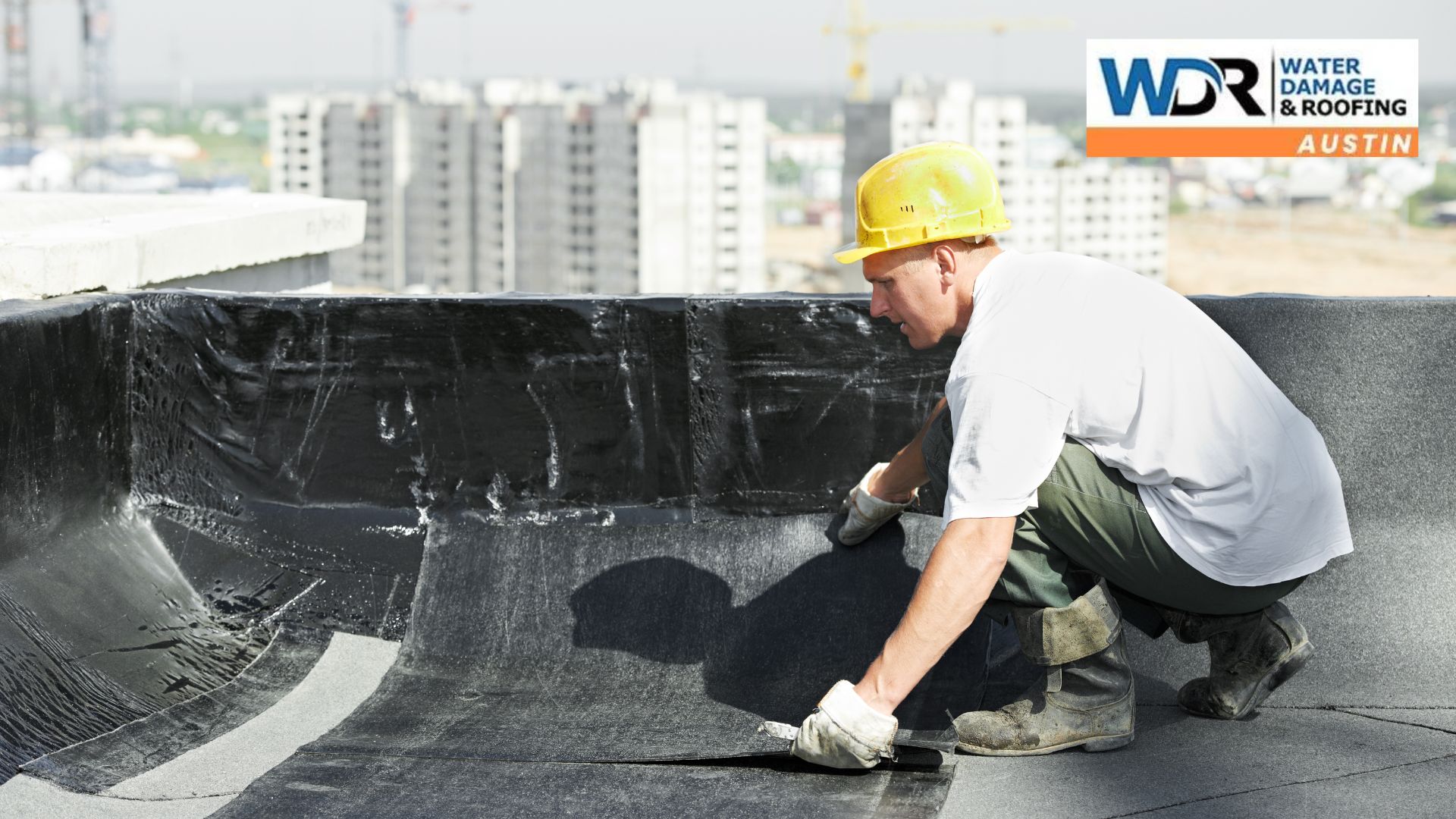
How often should you replace your roof?

How often should you replace your roof?

Going through the roof replacement process is not something pleasant for anyone. The reason is that it’s too expensive for some people to afford, and you need to find the roofing contractor and material that best suits your property.

However, everyone needs to hire roof replacement services at least once, so the best you can do is get ready for that. This doesn’t mean you should replace your roof now, but you should know when to do it. Read this page if you want to learn when to get replacement services! If you want your new roof to last, hire the best roofing contractor. Do you live in Austin? Then, we are the ones for you. Call us at (512) 820-6505 or through the Austin Roofing Company & Water Damage | WDR website to set the details for your house project!

Warning Signs for When You May Need a Roof Replacement

Even if you don’t know your roof’s lifespan is ending, many signs could tell you it’s time for a roof replacement or at least some repairs. We don’t mean that you 100% need a replacement service if you notice one of the signs on your house, but stay aware of them and check if many appear simultaneously. If these warning signs appear close to the end of your roof’s lifespan, you will likely need your roof replaced. With that being said, these are the main warning signs you may need a full roof replacement soon:
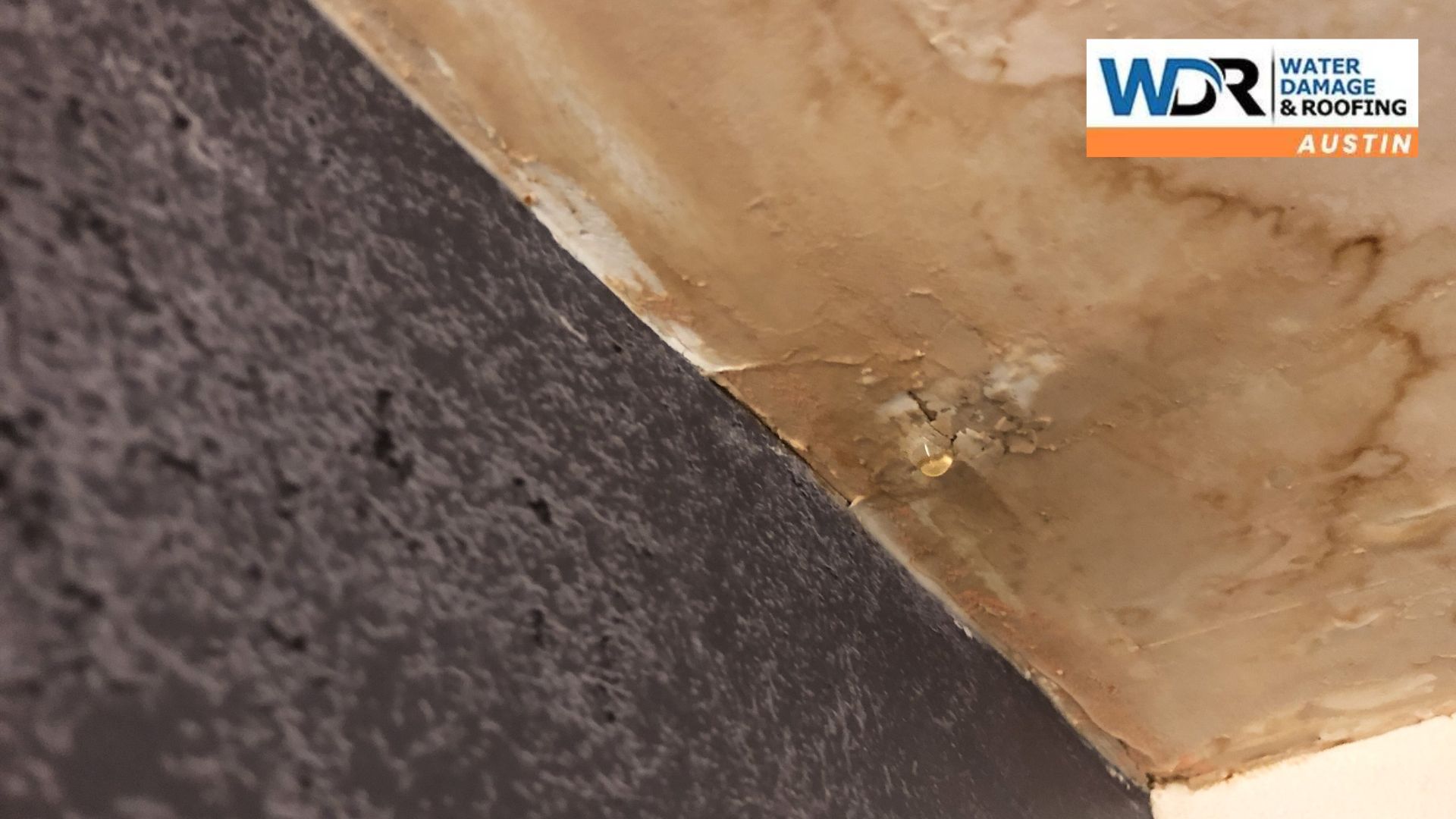
  • Excess moisture or water stains on the roof decking
  • Cracked, loose, curled, missing, or damaged shingles
  • Excess of moss growth
  • Discoloration
  • Chimney damage
  • Leaks
  • Damaged gutters

How Often Should You Replace Your Roof?

How Often Should You Replace Your Roof Many factors can make you replace or get your roof fixed sooner than expected. If you live in an area where extreme weather phenomena such as storms or hail are common, your roof’s life span will become shorter. The same happens if you hire a lousy roofing company that doesn’t install your roof well. Nonetheless, if your current roof is well-installed and not exposed to storms or other weather phenomena often, you should rest assured you won’t need to replace it for at least 20 or 22 years, which is the average lifespan for most roofs. Regardless, the roofing material you picked for your house may change when you need a replacement since some are more resistant and durable than others. Metal roofs, for example, are more durable than asphalt shingles or wood shakes. Slate roofing, on the other hand, will stay with you for more time than metal roofs or wood shingles.

How Often Do Asphalt Roofs Need to Be Replaced?

Asphalt shingles are among the most common roofing materials on the market due to their affordability and appeal. There are three types of asphalt shingles roofs, and they all have different lifespans. If you go for a 3-tab roof, you won’t need to replace it for 25 years. While this is not bad, the other two options have a longer average lifespan since architectural asphalt shingles can last 30 years. Luxury shingles are thicker, so they can last more than 30 years if you take good care of them.

What If My Roof Is Made of Other Roofing Material Apart from Asphalt Shingles?

Although asphalt roofs are the most common, other alternatives give you more longevity. Here is a quick brief of how often you should replace roofs made from other materials:

Metal Roofing

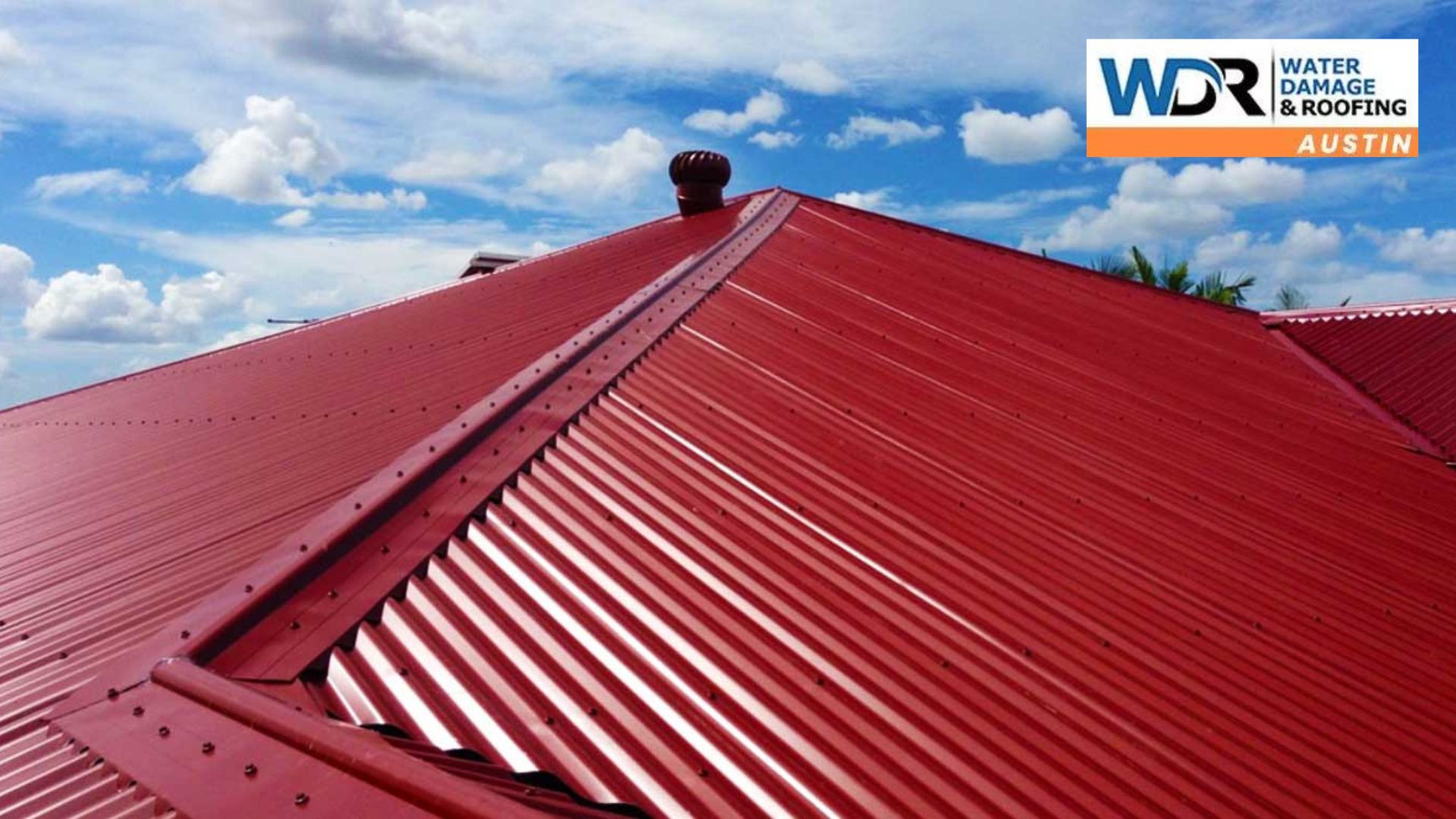
Metal roofing is one of the best materials you can go for due to its durability. Meal roof If installed correctly, these roofs can stay with you for 30 to 50 years. That durability comes from the painted finish on metal panels. Nonetheless, not many people go for metal roofing because of how expensive metal roofs can be and their noisiness during rain.

Composite (Synthetic) Roofing

Composite roofs can last 40 to 50 years, which is also a safe option for most homeowners looking for durable roofing material. The impact rating of synthetic roofs is outstanding, making them the best pick if you live in an area exposed to high winds or hail.

Wood Roofing

It’s common to see people getting a wood shake roof if they want a beautiful and warm-looking alternative that appeals to everyone who passes by it. You can expect wood shakes to last 30 years before they need to be replaced.

Slate Roofing

The last roof material we will address on this page is slate roofing, the most durable. Slate roofs can last even 100 years, but that’s why they are so expensive, so try them if you have the money to afford them.

Should I Preemptively Replace My Roof?

One of the main wonders of homeowners is if they should preemptively replace their roofs before they need to do it. Why would they do that? Because that saves them money on repairs while they directly cut to the problem of their roof. Regardless, the only scenario in which we recommend you replace your roof before it ends its lifespan is if you have many leaks on it. Leaks can damage your building’s structure and cause further damage, so replacing your roof as you notice them is best to save money on future house repairs. damaged shingle There’s no reason to get a preemptive replacement if that’s false. Getting a new roof can be expensive, and investing in some repairs can save you the hassle of doing it for some more years.

Bottom Line – Hire a Roofing Contractor Now!

Now that you know when you should replace your roof, we recommend you keep an eye on the warning signs that could mean you need your roof replaced. Homeowners who notice their roofs show signs of damage need a professional roofer to inspect their houses and guide them throughout the replacement process. Water Damage & Roofing of Austin is here to help you! Don’t hesitate to contact us if you have any questions about your roof or need to hire one of our services.
What is the cheapest roof to replace

What is the cheapest roof to replace

 A functional roof is essential, and your roofing materials keep you safe from the elements. You can also focus on making your home more energy efficient and add curb appeal. However, have you ever considered the cheapest roofing material and what it might be?

We’re here to talk about the cheapest roofing material to replace today, and that term is mainly subjective. It’s crucial to compare price points because you must balance the cost and the type of roofing material you will consider.

Most homeowners are on a budget and don’t have much money to spend. Therefore, they require a cost-effective roofing material that protects their homes without paying more.


How Much Will A New Roof Cost?

New roof installation costs about $9,000 on average. However, you can spend up $12,000 or more if you prefer architectural shingles. The price gets distributed between labor and materials.


Pricing Factors

Three primary factors determine the cost of your roof replacement:

  • Working Conditions – The contractors must be safe while working. Hot or cold weather conditions might impact the duration of your project and the ease of doing the work. Milder conditions mean that the job gets completed faster.
  • Damages – Lucky homeowners don’t have any damage to deal with, so they may not have to replace the roof. In that case, they can choose the most affordable roofing material.
  • Material Removal – Homes with asphalt roofing generally have many layers of asphalt shingles to remove before the new roof can be put on. This takes more time and effort.


What Is The Cheapest Way To Replace A Roof? What Roofing Material Is The Least Expensive?

Everyone wants to find the cheapest roofing materials but has varying budgets. The term “cheap” might differ for you from your neighbor. While finding similar materials in your price range is possible, you must also consider your preferences.

roof underlayment

For example, do you like flat roofing materials? How much maintenance and repair work are you willing to do throughout the roof’s lifespan? These are questions to consider.

Learn the signs and timelines for a roof replacement in our blog: How Often Should You Replace Your Roof?

Asphalt Shingles

If you’re looking for the cheapest roof replacement possible, the asphalt shingle is your best friend regarding the installation and purchase price. You should expect to spend $1 to $2 per square foot, so it’s the cheapest roofing material and great for budget shoppers.

Three types of asphalt shingle roofing options are three-tab, dimensional, and luxury shingles. The most affordable roofing material of those is the three-tab version.

The dimensional asphalt shingle is layered, so the thickness and depth make them appear more like wood shakes or slate. Many homeowners like dimensional asphalt shingles, and they’re still relatively inexpensive.

Then, you have luxury asphalt shingles. They’re often called premium asphalt shingles and are top-of-the-line. They look like slate shingles and offer an appearance that stands out compared to other asphalt shingles.


Be aware that an asphalt roof lasts anywhere from 15 to 20 years, though an architectural shingle roof might look great for up to three decades. You will likely require more maintenance with asphalt shingles, as well.

Metal Roofing

Corrugated metal roofing is also one of the cheapest roofing materials. You should expect to spend $1.80 to $2.50 per square foot, but many colors accommodate your preferred decor and design.

Steel roofing costs more than corrugated metal roofs at about $3.50/square foot. Though there are higher upfront costs, the durability means you don’t have many repair fees in the future.

However, if you don’t like traditional metal roofs, you also have galvalume, copper, aluminum, and zinc to choose from. Galvalume and galvanized are the most popular because they last so long.

Overall, metal is noisy but environmentally friendly and stylish. Plus, it can last about 50 years.

Concrete Tile Roofing

Concrete Tile Roofing

Concrete tiles often mimic the appearance of clay tiles and wood shakes. They’re fire-resistant and durable, but they are quite heavy. Therefore, they require specialty roof construction to make them safe.

TPO Roofing Materials

TPO roofs use flexible membranes made of ethylene-propylene rubber. You can find two thicknesses and various lengths and widths. Though this material is newer in residential roofs, it’s got a long lifespan.

Clay Tile Roofing

Clay tile roofing is made of natural clay, often seen on Mediterranean-style houses. However, the newer, more modern versions resemble slate or wood shakes.

Wood Shingles

Wooden shakes are often called luxury shingles and are ideal for replacing asphalt roofs. If you want to upgrade, the appearance of the wood makes them unique and stylish, though they can be a little more expensive than other materials.

Roof Deck

Your roofing materials rest on the roof decking, which might be called sheathing by some professionals. Generally, it’s made of wood. Before plywood was invented, plank decking featured rectangular and long wooden boards. However, sheet decking is the best choice now. You can find it as plywood or OSB (oriented strand board).

The type of decking you choose for a roof replacement or repair will impact your overall price.

Underlayment

Roofing underlayment is the part that sits between the roof deck and shingles, and it’s generally OSB or plywood. We often install it onto the roof deck, which offers a second layer of protection from wind and rain.

You can choose between felt and synthetic underlayment. Each has its benefits and drawbacks, but it is generally the most affordable choice.

Drip Edge and Roof Flashing

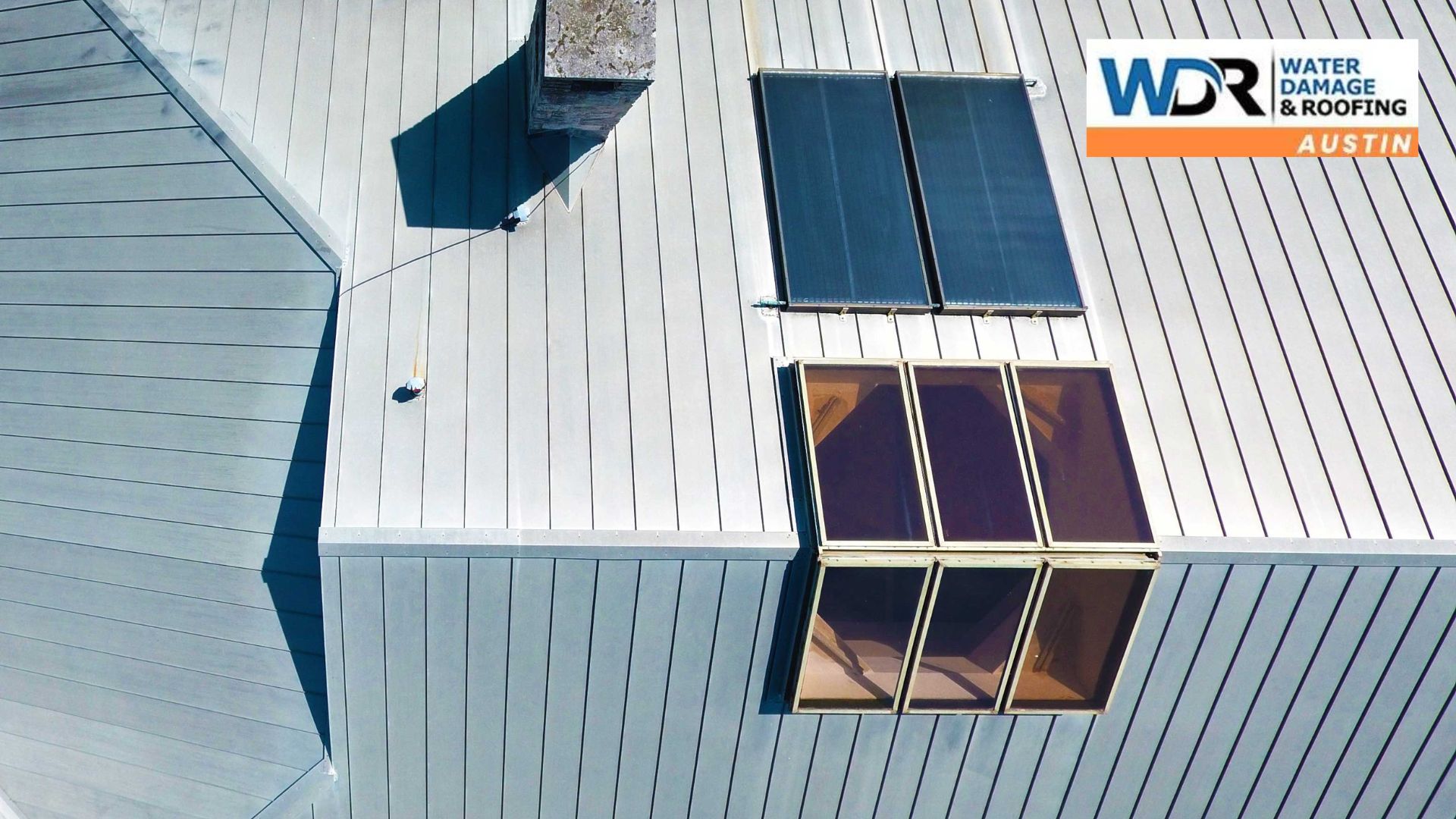
Roof flashing is the thin metal layer that roofers install to direct any water from roof areas, such as skylights, chimneys, solar panels, and dormers. The drip edge is similar, but it works to remove water from the fascia so that it doesn’t seep under your roofing materials.

Ventilation

Ventilation for roofs is crucial. It will allow air to flow into the attic space, making your home’s atmosphere more comfortable. Plus, it will prevent moisture from entering the attic and causing damage.

Roof ventilation


Alternatives To Roof Replacement

Though roof replacement is what most homeowners call it when they put on a new asphalt roof, you may not need a whole roof replacement. We can often remove the oldest roofing materials and add new ones that are correctly installed. This is often called a re-roof.

We’re not cutting corners here. Instead, those on a tight budget don’t have to choose a new roof system to put on dimensional shingles or any other material. The exception to that is the concrete tiles. In this case, you will need an entire roof because the material is too heavy for most structures.


Why Choose Us

Whether you’re seeking a roof replacement or re-roof, you need the best roofing contractors to help you. We will determine what you have currently on your home’s roof and help you find the cheapest roofing material.

Overall, asphalt shingles are the least expensive to replace, so if you want to have a new shingle roof, you can go with 3-tab shingles or dimensional shingles.

A cheap roof doesn’t have to mean that it’s poorly constructed. Our team can help you save more money while protecting your investment. Call Austin Roofing Company & Water Damage | WDR at (512) 820-6505 for a free quote.

What is the Difference Between Roof Replacement and Reroofing?

What is the Difference Between Roof Replacement and Reroofing?

Your roof is a significant investment for your home. When it’s installed correctly, it yields a higher return on investment. Reports indicate that a new roof could produce over 80 percent of its original price upon resale. Likewise, 30 percent of real estate agents claim that a roof restoration is a reason for such quick sales.

If you need a complete roof replacement, it’s wise not to put it off. However, when restoring your roof, the question is whether to re-roof or consider completely replacing the one you have. We’ll look at both to help you determine the best option.

What Is the Re-roofing Process?

Re-roofing is the least costly and quickest way to restore the roof’s appearance. During the re-roofing process, a new shingle overlay will be put over the worn shingles to refresh the roof’s appearance and offer a protective layer to prevent leaks from getting into the home.

The roofing system you have will matter here. If you only have one layer of shingles on the roof, re-roofing is a great choice, especially if you’re only missing shingles. However, roofs with two layers of shingles cannot install a third layer; most building codes prohibit this. Therefore, you’ll require a complete roof replacement.

Pros of Re-Roofing

  • Re-roofing doesn’t require extensive materials, labor, or time, so it’s a cheaper way to repair the roof.
  • Re-roofing doesn’t require you to replace the entire roof, so it’s the fastest option for restoration.

Cons of Re-Roofing

  • If you already have two shingles on the roof, you cannot add a third layer in most areas because of building codes.
  • If you’ve got a metal roof, re-roofing isn’t recommended.
  • Re-roofing might not last as long as a replacement.
  • Since you’re not lifting the current shingles from the existing roof, there’s no way to know if the damage is underneath. Therefore, adding a new layer of shingles over the existing shingles won’t fix significant structural damage.

Find out which roofing options offer affordability without compromising quality in our blog: What Is The Cheapest Roof To Replace?

What Is Included in Roof Replacement?

When your roofing system is fully replaced, your old shingles are removed from the roof, exposing the roof deck. Felt paper or underlayments are applied to the roof deck to protect it from the elements and water. Then, those new shingles are installed on top of that felt paper. Your new roof can then last for 20 or more years!

You may require a roof replacement if the deck has been severely damaged. Likewise, it should be repaired to prevent more damage. That’s the primary difference between reroofing and roof replacements.

Pros of a Complete Roof Replacement

  • Roof replacements last much longer than re-roofing.
  • Re-roofing often covers up deck issues, such as rot, which will lead to the roof giving out. However, a fully revamped roof addresses those issues to give you a safer and sturdier roof.
  • Completely replacing a roof can be done, regardless of how many layers of shingles you have.
  • You’ll save money in the long run because you can determine the early signs of sagging and rot caused by water damage. Therefore, water won’t have the chance to leak and drip into the walls, which would lead to costly repairs.

Cons of Roof Replacements

  • Renovating the roof requires more time, labor, and materials than re-roofing, so it costs more.
roofing contractor reroofing

What Is the Reroofing vs. Roof Replacement Cost?

It’s important to understand how much you will pay a roofing contractor based on whether you have a re-roof or roof replacement project. Let’s learn more about the pricing:

Re-roofing Cost

Re-roofing costs will vary based on the job size, location, labor, and materials. If you need special equipment, including roof jacks, your price will also be higher.

The slope and story of the home also affect the price. For example, homes with two levels will have a steep slope and need more time and labor for contractors to get up and down from the roof than a low-sloped single-story house.

The roofing material required for the re-roofing process will also affect your cost. For example, asphalt shingles are generally easy to work with and are low-cost. However, metal roofs cost more for materials and usually require specialty services.

Since metal roofing offers better energy savings than asphalt roofs, they’re most cost-effective. Plus, they will last longer and can withstand weather conditions. With asphalt shingles installed correctly, you will still be vulnerable to falling debris and wind damage. Overall, they’ll need to be replaced more frequently.

Roof Replacement Cost

On the other hand, a roof replacement requires more labor to remove those old shingles, install new shingles, and prepare the deck for installation. This costs more, but it will vary based on your location.

The size of your roof and the slope characteristics are the most important factors when considering a roof replacement. Roofers generally charge per square. A roof of 2,000 square feet would equal 20 squares, so a larger roof will cost more to replace.

However, your basic asphalt shingle roof costs about $5,000. This is the most common roofing material and roofing system available. If you choose high-end materials for your roof replacement, such as architectural shingles, you could be looking at an install price of $12,000 or more.

It will raise costs if your roof has complex designs or steep slopes. The workers will need safety harnesses and additional equipment to walk along it. Likewise, extensive water damage might have to be repaired before installing the new roof.

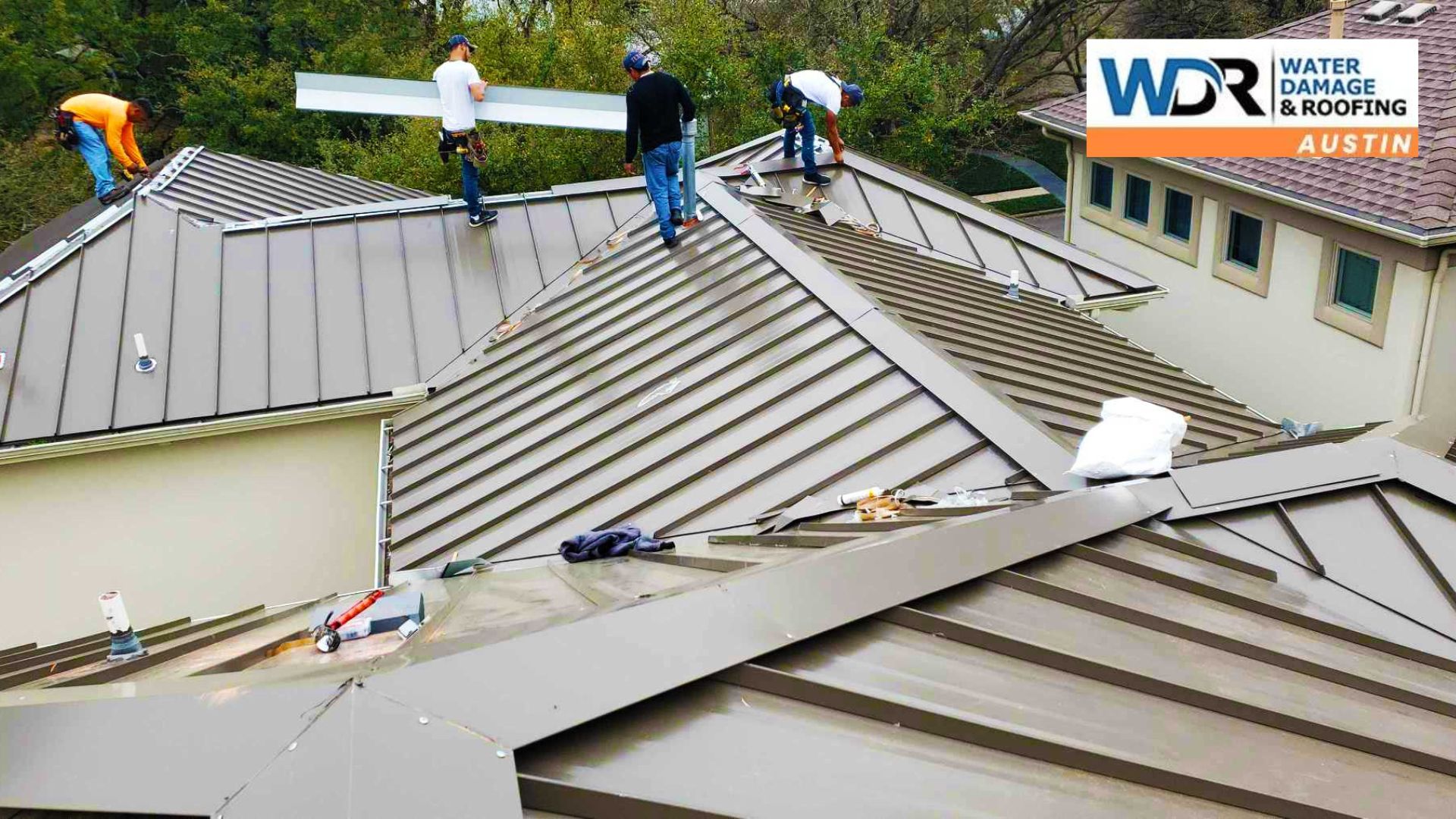
roofers working on roof

Other Factors that Change the Price

  • Roof accessibility – If it’s hard to get a truck to your home, materials must be carried over, which requires more labor and time
  • Additional home features – Skylights and chimneys must be worked around, raising the price.
  • Disposal of debris – Some roofing contractors charge a fee to safely remove and dispose of old materials.

Deciding Between Replacing the Roof Deck or Re-roofing

When deciding between reroofing and roof replacement, here are a few factors to consider:

You’re a good candidate for reroofing if you:

  • Have minor leaks or issues
  • Have a roof in good shape
  • Only have one layer of shingles on the roof
  • Have a wide area to be repaired (only one portion means that one section might look different than the other)

If you already have two layers of shingles, both of them will have to be removed before the partial reroofing process. This increases labor costs, so it might be better to go with a roof replacement.

Likewise, you’re a good candidate for a roof replacement if you:

  • Have soggy shingles from major water damage in the deck
  • Have mold or mildew growth
  • Want to have a roof in pristine condition
  • Need peace of mind that there’s no damage underneath the shingles

Choose Austin Roofing Company & Water Damage | WDR for Re-roofing and Roof Replacement Services

Choosing between reroofing and roof replacement can be difficult, but Austin Roofing Company & Water Damage | WDR can help you determine the roofing project best fits your needs.

We handle all roofing systems, and our roofing contractors can identify early signs of leaking and other issues. The choice between fully replacing or a partially re-roofing depends on the roofing materials needed and what you currently have. Please call (512) 820-6505 to request your free roof inspection.

Roof Repair or Replacement – Consider This Before Hiring a Roofing Company

Roof Repair or Replacement – Consider This Before Hiring a Roofing Company

Before you consider getting a residential roof repair or roof replacement, thinking carefully about all your options can help you save money in the long run.

Having a few broken roof shingles does not necessarily mean you have to replace your roof. There are many other factors to consider before you buckle down for full roof replacement services.

However, many roofing companies are not honest and direct when advising their clients on whether they should get their roofs repaired or replaced.

A few missing shingles are enough to have them eagerly anticipating being hired to replace the entire roof with a new roof deck added in for good measure!

With the high cost of roofing material, you cannot just wake up and decide you want a new roof.

At Austin Roofing Company & Water Damage | WDR, we invite you to give us a call for a free and thorough inspection.

Our services are affordable, top-notch, efficient, and guaranteed to increase your roof’s lifespan.

Whether you have wood decking, roof valleys, or any other type of roof covering, give us a call today to schedule a free roof inspection.

Reasons for Needing a Local Roofing Company

Austin, Texas experiences more than its fair share of storms, high winds, occasional hail, and other inclement weather.

Usually, it is after going through a period of bad weather that you realize that you have a roof leak, broken or missing shingles, or some other similar problem that requires you to repair or replace your roof.

When you realize you want a few new shingles or an entire roof replacement, it is always better to hire local roofing companies for the job because:

  • They have access to local and affordable roofing materials
  • It’s easy to track their reputation
  • The contractors have local knowledge, are accessible, and responsive
  • They know the local trends for great curb appeal
  • It gives a good sense of community

Find out what to expect and whether staying home is the right call in our blog: Should I Stay Home During Roof Replacement?

Difference Between Roof Replacement and Repair

Knowing the difference between roof replacement and repair is the first step towards deciding whether to replace your whole roof or just target the few areas with roof leaks.

The following descriptions of each service will help you understand more about their key differences:

Roof Replacement

Roof replacement is just another way of saying you are getting a new roof. These are services that target the entire roof and will have the greatest impact on your house’s curb appeal.

When you replace your roof, you have to strip off every square foot of your old shingles or other roofing material until the deck is exposed before you get to work on your new roof.

Roof replacement involves a lot more work and roof materials, which makes it the more expensive of the two services.

However, even though the cost of roof replacement is high upfront, it can save you lots of money down the line by limiting the future repair work that will be required.

Certain roofing issues, such as sagging or severe water/fire damage require you to replace your roof at all costs, otherwise, you risk paying for expensive roof repairs that may not be enough to solve the problem.

The following are the steps to roof replacement:

  • Removing your old roof
  • Inspection of the entire roofing system for signs of damage, rot, or molding
  • Preparation of the deck
  • Installing the new roof
  • Final inspection and cleanup

Roof Repairs

Roof repairs, on the other hand, vary greatly according to the extent of the roof damage, but are much cheaper than re-roofing your whole roof.

When done by professionals, roof repair can be very effective at increasing the lifespan of your old roof.

It’s something that every homeowner in Austin will have to deal with at some point, from repairing a few damaged shingles to fixing large areas of roofing that were damaged after a storm.

The temptation to DIY is quite strong when it comes to roof repair. However, you should always hire a professional roofing contractor because the cost of poor workmanship may be that you will need to replace your roof again in a few years.

Once you have decided that roof repair is the best option, the following steps are needed:

  • A roof inspection to determine the roof damage and material needed
  • Home preparation to ensure the safety of your family and property while the repairs are happening
  • The process to repair damage in specified areas
  • Final inspection and clean up

Pros and Cons of Roof Replacements

These are the advantages and disadvantages of roof replacement that you should be aware of:

Pros

  • Saves money in the long-run
  • Addresses all roofing issues
  • Better energy efficiency
  • Increases curb appeal

Cons

  • Can be very expensive
  • More labor, material, and time are required
damaged asphalt shingles

Pros and Cons of Roof Repair

If you are leaning towards just repairing a few shingles rather than the entire roof replacement, keep the following pros and cons in mind:

Pros

  • Repairing a roof is much cheaper than paying for a new one
  • It takes a lot less time
  • When done correctly, it will increase the lifespan of an older roof

Cons

  • Difficult to match new shingles with old ones which affects the curb appeal
  • Does not address underlying roofing problems
  • If done poorly, it will only mean more money will be needed soon to repair or replace your roof

Is Roof Replacement the Same as Re-roofing?

While these two procedures are similar in many ways, they do have distinct differences that are mainly centered on whether your roof damage covers one or two layers of your roofing system.

When only your roof’s top layer has been damaged, such as the ridge cap or the old shingles, re-roofing every square foot of that old roof will be adequate. This involves simply adding a new layer of shingles on top of the old roof.

However, when the damage is severe enough to affect two layers of the roofing system, including both the shingles and the deck, the only option will be to replace the entire roof.

In that regard, replacement is usually more expensive than re-roofing.

Nine Factors To Consider Before Hiring a Roofing Contractor

The question of whether to repair or replace your old roof can be answered by looking at the following nine factors:

The Extent of Roof Damage

Look at every square foot of roof that has been damaged. If you are going to have to repair or replace more than 50% of your roof then surely this warrants a complete replacement job.

If you can, do an inspection of the deck and other internal components of your roof as well. A lot of repair jobs only focus on getting some new shingles in place while forgetting that other parts of the roof may have been damaged too.

The larger the damaged area, the more you will have to lean towards a full replacement of your roof to minimize the long-term costs.

Is It an Old Roof?

Old roofs are notoriously difficult to repair because of all the other wear and tear issues that the system has endured over the years. If your roof is older than 20 years, it qualifies as an old roof.

In such cases, repairing just one section of the roof will have no impact on the overall lifespan of the whole roof. This is because as roofs age, certain parts, such as the deck, are difficult to repair and therefore will eventually need to be replaced.

Another issue is that the older roofs get, the more difficult it will be to find new shingles that match your roof color, or, in some cases, even get the same type of material you have on your roof.

Type Of Roof

What type of roof do you have? This is the very first question your contractor will ask you because the type of roof determines its overall lifespan. Slate roofs, for example, can last up to 100 years! This makes repairing them the preferred option in most cases.

If you have a tiled roof it can be easier to just replace the damaged tiles, which means total replacement is only necessary in cases of severe roof damage.

However, even if you have a slate or tiled roof, if the damage is extensive enough to threaten the structural integrity of your roof, you will have to consider replacing the roof in any case.

Cost of New Roofing Materials

Whether you choose to repair or replace your roof, the cost of material will come into play. The expensive roofing material will put a huge strain on your budget if you have to buy it in large amounts.

This makes repair work the preferred option to cut back on the cost of materials. However, if you are forced to consider replacement of the roof, you can still decide whether to go for a full replacement or simply a partial replacement, which is much cheaper.

The Urgency for Roofing Services

If it’s the rainy season in Texas, you know that rains are likely to be heavy and frequent. The last thing you will want is to be caught in a serious storm with a huge hole in the middle of your roof.

When time is of the essence, a quick repair job could be the ideal choice to prevent water damage. You can always go for a more permanent solution after the rains have gone and you have more time to work on your roof.

Energy Efficiency

Energy efficiency is something you have to consider carefully when choosing roofing materials, especially with the high cost of utilities these days. If your house was built a long time ago, chances are the type of material that was used is not very good at providing insulation.

In such cases, if you have a damaged roof, it might make sense to take that opportunity to replace the whole roof with new energy-efficient materials. Yes, it will cost you an arm and a leg upfront, but it’s the better long-term choice.

house with asphalt shingle roof

Long-term Goals

How long do you plan on staying in your house? Were you thinking of a massive renovation project in the next few years? Are you considering putting your home up for sale?

These are the questions you have to ask yourself when faced with the task of repairing or replacing your roof. A new roof could turn your house from a “fixer-upper” to a high-value piece of real estate, which would justify the cost of roof replacement.

Local Building Codes

A simple re-roofing job is usually the preferred option for most homeowners faced with the prospect of having to invest in new roofing. However, building codes in Austin, Texas may make that option impossible.

Keep the following codes in mind:

  • If you already have two layers of shingles, you are usually not allowed to add a third
  • There is a maximum weight of roof material that your structure is allowed to carry, therefore keep in mind the weight of the roof
  • It’s unwise to add a new layer of shingles without checking the extent of underlying damage
  • Re-roofing could mean losing the warranty on your new shingles

Do You Have an Insurance Claim?

If you have the kind of comprehensive home insurance policy that most insurance companies can offer, you may not need to worry about the cost of repairing or replacing your roof.

After suffering storm damage, check to see if you can make insurance claims to cover all the costs. If this is the case, why not go for a complete replacement of your roof instead of just an ordinary patch-up?

asphalt shingle roof

Buying New Asphalt Shingles Is No Fun

Asphalt shingles can be really expensive, which is one of the main reasons why people would rather fix a small part of the roof than go for a full-blown replacement.

At Austin Roofing Company & Water Damage | WDR, we can offer you the best advice for your roofing job, as well as give you access to affordable local materials to ease the strain on your budget.

Choosing the Right Roofing Company

Your journey to a long-lasting, safe, and secure roof with awesome curb appeal starts with your choice of a roofing contractor. If you want to avoid suffering from poor workmanship, use the following tips to choose the best company:

  • Roofing experience should be without question and cover all types of materials and techniques
  • Go for a local roofing company if you want to cut back on costs and receive reliable service
  • Insist on a free and honest inspection as part of the deal
  • Research the company very well and compare it with many other viable options
  • Look at customer reviews from clients who have used their services before

Call Austin Roofing Company & Water Damage | WDR

Are you searching for one of the best roofing contractors in Austin, Texas? Your search ends right here because at Austin Roofing Company & Water Damage | WDR, repairing or replacing your roof at affordable prices is our passion. Give us a call today, at +1 512-820-6505 to schedule an appointment.

The Ultimate Roof Maintenance Checklist

The Ultimate Roof Maintenance Checklist

You do not need a roofing contractor to tell you that your roof is leaking. The steady dripping sound or the ever-expanding water stains on your ceiling will be enough.

However, what if we told you there is no need to let things get that bad before taking action? You can conduct your own roof inspections to make sure that your entire roof system is kept in a state of high maintenance.

If you need help in identifying roof problems, this article will give you all the information you require. We will cover everything from simple things, such as sweeping the roof surface, to doing proper maintenance checks.

When you feel it’s now time to call experts for a professional roof maintenance inspection, Austin Roofing Company & Water Damage | WDR is here to help. Give us a call today for all your roof inspection and maintenance needs.

When Should I Inspect My Roof?

house with asphalt shingle roofing

The correct answer is as often as possible. However, if you happen to have a busy schedule, dedicating some time to a routine roofing inspection is hardly practical.

In most cases, the general rule is to inspect your roof at least once, annually. However, we recommend new homeowners do it more often than that. Therefore, make sure you inspect your roof at least twice a year. Check once, after the rainy season, and again as soon as winter ends.

If Austin, Texas happens to experience a freak severe weather phenomenon sometime in between, such as a hail storm or high winds, do a quick roof maintenance checklist soon after the skies clear.

Another thing you have to consider is the type of roof you have, because some roofs are high maintenance whereas others require very little maintenance at all.

Learn how to spot poor workmanship and what to do next in our blog: Have You Had a Bad Roof Installation? A Professional Roofing Contractor Can Help.


Develop a Roof Maintenance Checklist

Peeking over the roof overhangs to see if the hail storm didn’t poke any holes in your roof’s surface is not enough to be considered a proper maintenance inspection.

There are many things that you need to check before you can safely conclude that your roof surfaces are still in great shape. However, if you happen to have a large roofing system, it is quite easy to miss a few important items.

This is why it is essential to have a detailed roof maintenance checklist to refer to as you go through your visual inspection.

A roof maintenance checklist will not only give you peace of mind knowing that your roof is in order, but it will also provide you with a way to check how fast your roof is aging over time.

The Benefits of a Detailed Roof Inspection

We understand that if you are very busy, checking for peeling paint and blocked roof vents is probably very low on your to-do list. However, there are many benefits of conducting a routine roof inspection, such as:

  • You can catch roof problems, such as missing or damaged shingles, and moisture infiltration early before it requires an expensive repair job
  • It gives you a chance to clean up clogged gutters and remove any standing water
  • Regular inspections are a good safety habit because they allow you to catch dangerous situations, such as structural stress early
  • If you are planning to put your house up for sale, a detailed roof inspection will help with the valuation of the property
  • A history of regular maintenance and inspections will also help in terms of insurance coverage

Do an Initial Roof Inspection To Create a Baseline

roofing contractors repairing a residential roofOne of the reasons for having a roof maintenance checklist is to keep track of the repairs of your roof as well as determine how much the previous year’s weather has damaged your shingle roofs, gutter guards, or other features of your home’s roof.

To do this accurately, you need to have a baseline with which to compare any new findings.

The exact things you will include on your roof maintenance checklist will depend on the type of roof system you have, such as a commercial roof or other types of residential roofs, such as flat roofs and metal roofs

12 Features of Your Roof Maintenance Checklist

Once your baseline is set and you have determined the number of times per year you intend on conducting your roof walk-through, you can now refer to the following roof maintenance checklist:

1. Old Repairs

If your residential or commercial roof recently underwent some repairs, these are usually the first things to fall apart, especially if the job was done in a rush during periods of severe weather.

Your roof maintenance checklist needs to have a section for listing any repairs or home maintenance activities that will need to be looked at the next time you check your roof.

2. Safety Signage

Make sure none of the important safety signs were damaged and that the information is still clearly visible. This is less important for most homeowners than it is for professionals dealing with a commercial roof, where accidents due to poor signage can result in a lawsuit.

3. Stairs and Railings

Is your roof accessed by stairs? Are there crossovers linking one part of the roof to another? If so, you need to make sure these stairs and railings are kept in good shape because they, too, are exposed to the weather.

4. Pipe and Equipment Supports

After a storm has wreaked havoc on your house, one of the main things to suffer damage is the pipe and equipment supports, such as those holding up the gutters. Make sure all of these are still secure and there is no evidence of sagging.

5. Exterior Structural Damage

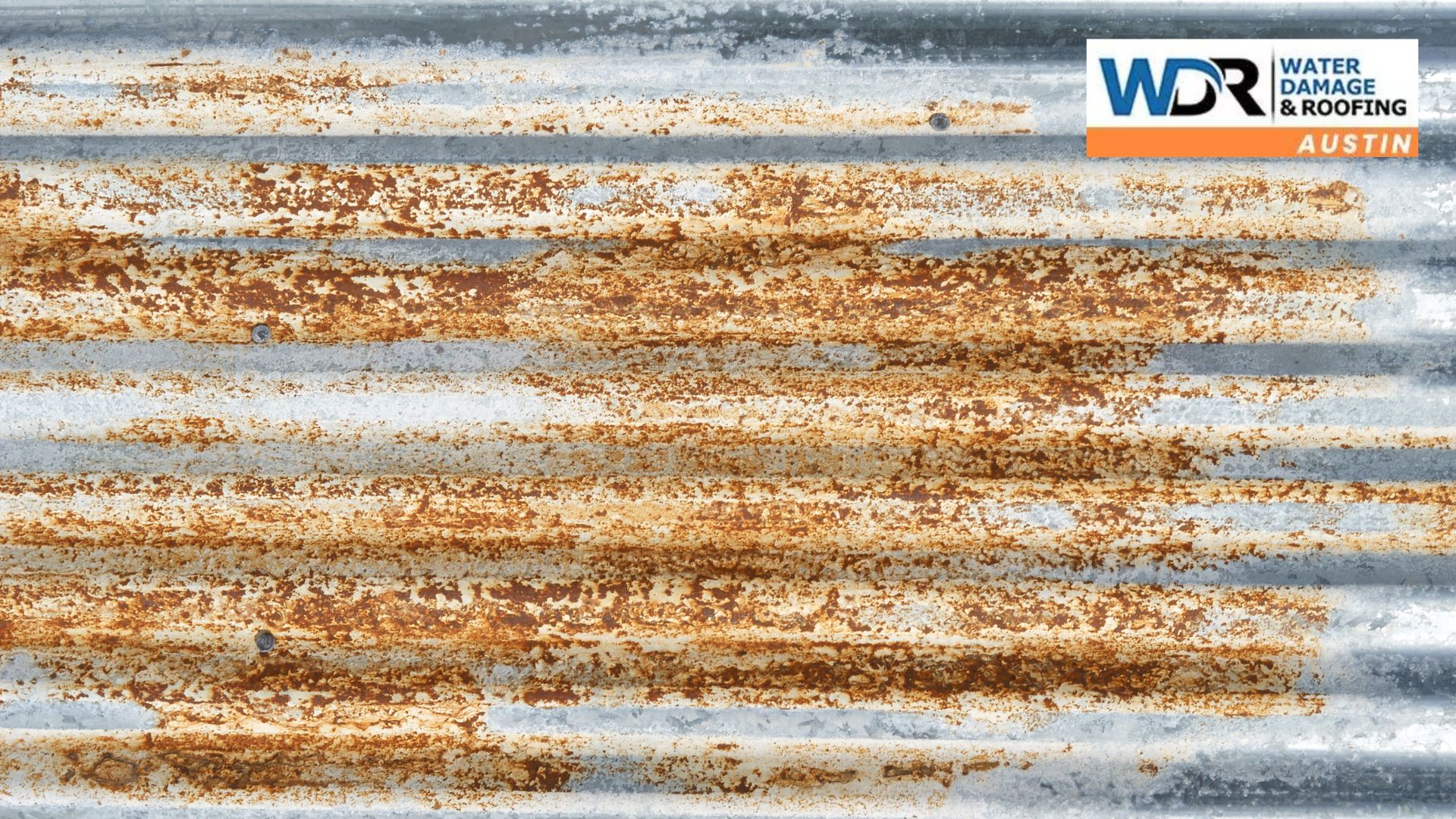
This covers anything on the outside of your roof, such as peeling paint, cracked skylights, or blocked pipes, vents, and chimneys. Closely inspect the surfaces of these areas, looking for rust spots, moss growing on the surface, or rot developing on wooden structures.

6. Drains

If you see any signs of molds, water stains, moss, or backed-up water, these could all mean that your drains are blocked. Free-flowing drains are especially important when you have a flat roof, where stagnant water can freeze overnight in cold weather to form ice dams that can severely damage your roof.

7. Flashing

During high temperatures, heat transfer from your roof to your building may cause the flashing to separate from the inside of your roof. You, unfortunately, will not notice this until it rains and you realize that your roof has developed a few new leaks.

8. Expansion Joints

High daytime temperatures followed by very cold night temperatures are responsible for causing any joints in your roof to expand and contract until eventually they separate and cause leaks to develop.

9. Roof Leak

This is one of the most obvious things to include on your roof maintenance checklist. It is usually simple to fix, but if you leave it to get worse you can end up dealing with expensive repairs.

There are many causes of leaks to look out for, such as missing shingles or separation of expansion joints.

10. Clean Debris

Debris, such as falling leaves or sand accumulation needs to be cleaned regularly before it clogs up your pipes and causes further damage. If this is a common occurrence, you need to remove any overhanging branches from nearby trees.

11. Interior Signs of Roof Damage

Peeling paint, mold, mildew, leaks, and water damage stains are all signs of internal roof damage which can be caused by external issues, such as missing mortar, damaged shingles, or clogged-up gutters.

If you can see the damage from the inside, it usually means it has become extensive and you need to act fast to avoid irreparable damage to your roof.

12. Missing or Damaged Shingles

Damaged and missing shingles are easy to spot, even from the ground. If you see any of these, act quickly because the hole left by a missing or damaged shingle can let in a large amount of water.

A Professional Roofing Company Can Help!

The best solution to proper roof maintenance is to have a detailed and up-to-date roof maintenance checklist that you can use to make sure all the important aspects are covered.

If you come across any issues that need professional roofing services, do not hesitate to call Austin Roofing Company & Water Damage | WDR. Thanks to our professionalism, dedication, affordability, and reputation for providing excellent services, we are one of the Premier roofing contractors in Austin, Texas.

Call us today at +1 512-820-6505 and talk to one of our experienced roofing experts. Alternatively, visit our website and book a free appointment.

Have You Had a Bad Roof Installation? A Professional Roofing Contractor Can Help

Have You Had a Bad Roof Installation? A Professional Roofing Contractor Can Help

You have invested a lot of money, time, and effort into hiring an experienced roofing contractor to take care of your roof replacement or installation job, only for them to do a bad roofing job! A bad roof installation can be a headache for any Austin, Texas homeowner!

With so many roofing contractors in the city, chances are if you are not careful you may wind up with a poorly installed roof on your hands.

You probably have a lot on your plate already without having to worry about the minute details of installing asphalt shingles. That is why it is better to invest in a roofing contractor that can deliver a leak-proof roofing system the first time asking.

At Austin Roofing Company & Water Damage | WDR, we pride ourselves in our ability to deliver a properly installed roof to all our clients for each roofing project we are entrusted with.

Find out how to navigate the claims process smoothly in our blog: How To Get Storm Damage Roof Repair From Your Insurance Company.

Identifying a Bad Roofing Job

When your newly installed roof has been completed, one of the first things you need to do is a roofing inspection to check for signs of a bad roofing job.

Some signs are easy to identify, whereas others will require that you hire professional roofing contractors to do it for you. There are two ways to go about inspecting your new roof, which are:

Visual Inspection

You can take a look at your roof from the ground and see if you can identify some obvious signs of a bad roofing job, damaged shingles, or mismatched coloring. Any problems that are big enough to be easily noticeable from the ground need to be addressed.

Structural Integrity Problems

Some signs of a bad roofing job are not as easy to spot, though. These include structural issues, such as a missing drip edge

, overdriven nails, or problems with the roof decking.

In such cases, it is important to hire a roofing contractor who can conduct a proper roofing inspection of your entire roofing system.

Visual Signs of a Bad Roofing Job

The following are some of the visual signs that you can easily identify on your own: 

Non-Uniform Appearance

A bad roofing job is immediately noticeable by the eye-catching lack of uniformity in any of its visible features. These include:

Different colored shingles

This problem is quite common with old roof replacements because it is hard for an inexperienced roofing contractor to match new shingles with old, weather-beaten ones.

Another cause could be a contractor running out of the required tiles or shingles and then using others that do not quite match the color of the rest of the roof.

Sagging rooflines

Sagging rooflines are one of the most visually depressing signs of a bad roofing job. They are enough to make your expensive, brand-new roof look old and dated. A sagging roofline could also point to a more serious problem with the roof decking that poses a safety hazard in terms of structural integrity.

Mismatched shingles Material

When your roofing contractors try to cut corners by buying cheaper shingles to make up for their shortfall, the result will be mismatched shingles, made from the wrong materials, popping up all over your roof. That beautiful curb appeal you were aiming for will be impossible in such cases.

Damaged or Missing Shingles

If you are going to invest money in a new roof, you will expect the shingles to be new and without any deformities. Damaged shingles (or worse missing shingles) are a sign that the roofing contractor tried to cut costs by either buying poor quality shingles or not buying the required amount for the roofing job.

Reused Flashing

Flashing is a thin material that is essential for preventing water from leaking through the roof. Dishonest roofing contractors are prone to reusing flashing because they claim it’s not a problem if the roof was not leaking before.

However, the new roof will not always sit exactly where the old one did, meaning if you do not replace the flashing there roof will leak. There is no worse indicator of a bad roofing job than a leaking roof!

Roofing Materials Poorly Attached

roofing crew nailing roof

In the mad rush to meet deadlines, some roofing contractors are guilty of doing a bad roofing job by not properly attaching the roofing material. If you do not pay attention to this during your visual inspection, the next strong gust of wind will have your roof flying halfway across the yard.

Uniformity

Uniformity is essential to ensuring that your roof will maintain its curb appeal by aging at the same rate in all aspects. That means everything, from your shingles to your rain gutters must look as it belongs, not stick out like a sore thumb because it is not uniform with the rest of the roof.

Roof Stains

Dark stains on your roof are usually a sign that the new roof is not as waterproof as your roofing contractor would have you believe.

If the leaks are isolated and small, a simple repair project will be enough to fix it without resorting to a complete roof replacement.

Structural Problems of a Bad Roofing Job

Just because all seems well to the naked eye does not mean your contractor did a good roofing job. It’s time for you to consider the structural issues, such as:

Mistakes by Roofing Contractors

A bad roofing contractor will often make mistakes and then try to hide them. If you hire a third party to do the inspection they may pick up the following:

Not replacing old vents

Vents are essential for proper ventilation; therefore they are a vital component of your safety. A roofing company that cuts corners will often ignore vent replacement, which is wrong.

Not checking the roof decking

Just because the issue you had was a leaking roof doesn’t mean all other aspects of the roof are in perfect condition. Forgetting to check the roof deck is a major sign of a bad roofing job and must be avoided at all costs.

Missing Underlayment

Roof leaks and premature aging of the entire roof structure are some of the signs of missing underlayment. It has even been suggested that roofing systems that lack underlayment tend to look at least five years older than they are, which should be enough to motivate you to check for this vital feature.

Missing Drip Edges

Drip edges ensure that water flows in the proper direction towards your gutters, where it will be funneled away from the house. A galvanized steel drip edge is installed under the shingles at the edge of your roof to keep rainwater from moving up and under your roof.

The following are some of the results of a missing drip edge:

  • Soil erosion around your house
  • Mold or rot inside your home or in your roof decking
  • Staining
  • A flooded basement in cases of heavy rain

Hardware Mistakes

Some of the common hardware a roofing company needs for a good roofing job include:

  • Roof decking
  • Underlayment
  • Drip edges
  • Nails
  • Vents
  • New flashing

A good roofing contractor will know which types to use and how to match them with the right nails. Hardware mistakes are common when the wrong contractor is hired for the job.

Wrong Nails/Improper Nailing Techniques

The sheer number of different nail types needed for a roofing job would probably surprise anyone who doesn’t work for a roofing company. However, not knowing the right nails or the proper nailing techniques to use are both common signs of a bad roofing job.

Things such as an under-driven nail make roofs unsafe and are the signs of a poor job that you should be most concerned with.

How To Avoid a Bad Roofing Installation

Your roof protects your family and assets from extreme weather such as storms, high winds, and hail damage that occur in Austin, Texas. As such you have to choose the best roofing contractor by looking at the following:

Consider Experience Levels

Your choice of contractor needs to be experienced enough to know simple things such as why using old flashing is a bad idea. They need to have worked on several roofing projects as well.

Ask for References

A good roofing company will not hesitate to present immediately some authentic references of any work that they have conducted in and around Austin, Texas. Talking to former clients is the best way to get honest feedback about the roofing contractor.

Check Licensing, Insurance, and Registration

One thing you want to avoid is entrusting your roof installation project to unregistered and unlicensed roofing contractors that do not have any insurance in case anything goes wrong. Always ask for these documents before going further.

Roof Replacement Project Gone Wrong? Seek Recourse

roofing contractors installing synthetic underlayment

Try as you might to carefully choose a good contractor, things can and do go wrong from time to time. When that happens take the following steps:

  • Refer to the terms of the warranty the roofing contractor furnished you with when you signed the contract. This will allow you to be covered for any poor materials that the contractor may have used
  • File a complaint with the state licensing board to have the untrustworthy contractor’s license stripped away
  • Report to the Better Business Bureau about your experience. The Better Business Bureau is responsible for rating businesses according to customers’ experience. If the company in question takes online business seriously, it will care about its Better Business Bureau rating.
  • When all else fails, hire a good lawyer for assistance with litigation

Get It Right the First Time With Austin Roofing Company & Water Damage | WDR

Are you looking for an honest, reliable, and trustworthy roofing contractor in Austin, Texas? Austin Roofing Company & Water Damage | WDR is here to guarantee the highest quality of roofing services in the city. Call us now and schedule a free inspection.