Hail Damage Roof Installation

Hail Damage Roof Installation

Storm damage to your roof is a terrible thing to deal with, as it can cause leakage and many other problems that will ultimately affect your entire roof and could lead to needing hail damage roof installation services.

Luckily, if you have a reliable homeowners insurance company, you may not have to pay for your roof repairs with your own money.

However, insurance claims are sometimes complicated, especially if you have severe roof damage and need a complete replacement.

That’s why we are here to teach you that hail storms don’t have to be the end of the world, and we can take care of your storm damage as soon as you get it.

Should You Replace A Roof With Hail Damage?

The main concern that homeowners have following a hailstorm is whether they should replace their roofs or not.

A roof replacement is probably necessary if you notice leaking after a hailstorm.

Roof damage usually doesn’t appear right away, though. You consider certain things before you can think about a replacement.

Sometimes, you can see significant roof damage from the ground, but not all hail damage is visible.

Therefore, to correctly answer the question of whether or not you should replace your roof, you’ll need the advice of an expert.

How Do I Know I Need Roof Replacement?

Most of the time, hail damage takes time to manifest.

The longevity of your roof can be significantly shortened by hail damage.

During a hailstorm, many people only concentrate on the immediate damage, but even minor damage can cause your roof to deteriorate if the shingles aren’t replaced.

One example of this is that hailstorms can dislodge shingles’ granules. This layer of protection defends against direct sunlight.

If it gets destroyed by hail, UV rays can deteriorate the shingles and cause additional damage.

Splits and rips can fasten the weathering process, which compounds the problem and causes your shingles to lose effectiveness sooner.

Hail can also damage the soft metals on your roof, such as the downspouts, gutters, vents, or flashing, which would cause your asphalt shingle roof to need replacement.

If you have a metal roof, the panels can also get damaged and must be repaired.

How Big Does Hail Need To Be To Damage A Roof?

Small pieces of hail can damage your roof over time and reduce its lifespan, especially if it is constantly exposed to them.

However, hail must be pretty big to cause storm damage to your roof.

Your roof will get damaged if the hail is at least 1 inch long.

If this happens, you must file an insurance claim. This hail size will damage or disfigure asphalt shingles and weaken their structure.

Once you know what to look for, you will quickly see these dents, and a skilled roofing contractor shouldn’t have any trouble finding them.

Can 1-Inch Hail Damage A Roof?

Yes! Hail that is smaller than 1 inch can harm your home’s roof or other structures.

The quickest way to tell what damage you could sustain after a hailstorm is by looking at how big the hail was.

Depending on the associated wind speeds, hail up to 3/4-inch can still be dangerous.

Vinyl siding, window screens, metal fascia, and the paint on a deck are common damages your house can sustain with this type of hail.

It also ruins gutters and downspouts and can cause asphalt shingle granules to fall off.

The shingle underlayment begins to bruise as we reach the 1-inch mark, and siding, gutters, and fascia can suffer serious harm.

Nevertheless, the extent of the damage will depend on wind speeds.

hail stone on person's palm

Will My Insurance Company Cover Hail Storm Damage?

Storm damage and other roof issues brought on by severe weather should be covered by your home’s insurance company.

Call your insurance provider before contacting a roofing contractor if you believe that hail damage to your roof has occurred.

Your neighborhood roofer can give you advice, but they can only perform repairs or a replacement once your insurance adjuster has approved the hail damage claim.

How Do Insurance Adjusters Determine Hail Damage?

Many homeowners don’t know what their insurers will look for when inspecting a home after hail storms. The four indicators listed below indicate when a product needs to be repaired or replaced:


  • Excessive granule loss. While granule loss alone does not call for repair or replacement, it suggests that the roof’s lifespan may have been shortened.
  • Damaged or missing shingles. The shingle’s surface must show significant damage for the insurers to consider approving a hail damage claim.
  • Venting with dents. Dents in metal roofing vents can be used to support claims by displaying the magnitude and frequency of hail,
  • Broken gutters. Gutter damage might show reduced functional usefulness of the roof.

Tips For Installing A New Roof

You now know that your homeowner’s insurance will cover your storm damage roof replacement. However, when replacing your roof with insurance, you should know a few things.

Get a Contractor with Enough Experience

You’ll be prepared to begin the replacement procedure when your insurance claim is authorized.

However, hiring a roofing contractor with expertise in managing insurance claims is crucial if you plan to replace your roof using your homeowners’ insurance. They’ll be familiar with the procedure for filing an insurance claim and carry out the task according to your insurance provider.

Make Sure the Roof is Properly Installed

Keep in mind that your home insurance should cover storm damage. They won’t always cover the cost of repairing it, though.

If your homeowners’ insurance company discovers that your roof wasn’t correctly installed, they will likely refuse to pay for your storm-damaged roof.

Imagine if your location has straight-line winds that shred the shingles from your roof. Since your home insurance should cover the losses, you don’t need to be concerned.

Sadly, if the insurance adjuster discovers that your roof was not built using proper roofing methods, your home’s insurance won’t pay for the storm damage, so you’ll have to pay for the repair cost yourself.

Communicate with Your Contractor And Insurance Company

Presenting your documentation to a roofing contractor can prevent you from engaging in insurance fraud.

To avoid accidentally committing insurance fraud, the elements in the claim must be included in the contractor’s agreement.

Because of this, your insurance needs your complete documentation before issuing a check for repairing your roof damages. Your homeowners’ insurance won’t be happy if you request the check but fail to complete the task.

asphalt shingle roofing

Hail Damage Roof Installation Services

Your roof shields the interior of your house from vermin, downpours, strong winds, and other damaging elements. If your roof is no longer doing what it should, the chances are that it is too old or broken. With a new roof installation from Austin Roofing Company & Water Damage | WDR, you’ll have peace of mind knowing that a high-quality roof protects your house.

A new roof may allow you to reduce your monthly utility expenses because modern roofing materials are more energy-efficient. We employ cutting-edge roofing materials to provide metal roofing that will last many years.

Hail Damage Roof Repair Services

It would be best if you got your home roof inspected by a professional immediately after it sustains storm damage, whether you’re sure you have an issue with it or you only suspect there could be one. Depending on several factors, such as how old the roof is, it may be best to repair or replace it. Inspect the roof from top to bottom, including the framework, to determine this.

Your goal should be to check out and fix your roof as soon as possible. If you don’t do this, it will likely become a bigger problem or might develop other damages. Luckily, we can give you a free inspection and estimate so that you know how much it’ll cost to repair the damage caused by inclement weather.

Hail Damage Roof Replacement Services

Depending on how big your roof may be, many distinct steps can be involved in installing a new one. You may need a new ice and water shield, new sealants, flashing, and repairing the decking and underlayment. Other standard replacement services include adding new shingles, ridge ventilation, and a replacement drip edge. You can also choose to repair your roof and gutters simultaneously.

Hire Our Hail Damage Roof Repair Services

If you suspect hail damage in your home, you may need roofing contractors to perform a full roof replacement. However, roof repair is no easy job and must be done by professionals, especially after a hail storm. That’s why many hire contractors from Austin Roofing Company & Water Damage | WDR. We will provide you with a free roof inspection to give you an appropriate estimate of how much your roof repairs will cost. All you have to do is call us, and we will appear at your door!

Do You Need a Hail Damage Roof Inspection?

Do You Need a Hail Damage Roof Inspection?

The following hail damage roof inspection checklist can assist Texas residents in evaluating the state of their roof and taking the required steps to speed up repairs in the case of a severe storm.

Austin Roofing Company & Water Damage | WDR is aware of the psychological and financial strain that extreme weather disasters cause. If your property has suffered storm damage, we suggest you contact your local roofing contractor to arrange a free roof inspection to assess how well your roof is holding up and if you should contact your insurance adjuster.

We will be able to provide a thorough visual inspection photo report explaining all damage or issues detected during the inspection. Our qualified project manager will accurately determine the necessary repairs to restore your property to its original condition.

Make sure you arrange an inspection with a professional roofing contractor as soon as possible if you notice any of these problems. These signs of damage can vary in difficulty for the untrained eye to see, with others requiring an expert’s eye.

How Do You Inspect a Roof for Damage?

Downspouts, Gutters, and Gutter Screens

Look at your gutters, downspouts, and gutter screens from the ground with an eye for any dents. In situations where the hail severely damages the roof, it is common for the gutters to sustain at least some impact damage. Keep an eye out because dents can vary in size.

Sliding and Windowsills

Next, examine the siding and window sills or casings. Again, if the roof has been seriously damaged, these areas of your home will probably have some damage.

Be sure to pay close attention to any exposed metal, such as the metal fascia on your roof eaves, while you inspect these home components from the ground. Every ding, no matter how small, can suggest the roof was probably damaged.

Air Conditioner and Outdoor Items

Your air conditioners or other devices outside your home are among the few things you can see damage from the ground.

Once again, if the hail storm was solid and big enough to harm your air conditioner or other items, it was probably also strong enough to cause damage to your roof. If you notice the hail damage immediately, you can file an insurance claim with your insurance company for the air conditioner.

Outdoor Painted Surfaces

Last but not least, inspect the entire surfaces outdoors, especially those painted or treated in some way. Paint that has chipped may have been damaged by hail, but it may also mean something else.

Identifying Hail Damage to Asphalt Shingles

The roof’s shingles will be the most crucial aspect of any roof damage inspection. Although it varies depending on the damage and your policy, you have a far better chance of filing an insurance claim with most insurance companies if the shingles are damaged.

Unfortunately for those without experience, some hail damage to shingles is apparent, but that is not always true. You might need to get pretty close to the shingles to see the damage.

Surface Granules

As you examine the shingles, look at the surface granules. Some of these are going to get damaged by hail. The shingles’ integrity was likely compromised if your roof was exposed to high force. Furthermore, missing shingles might also cause leaks later on.

How to Spot Storm Damage on Roof Vents, Chimney Covers, and Other Rooftop Elements

Roof vents and other features, such as skylights, should be checked for damage if you inspect your roof or have a contractor check the building for damage. Dings, dents, and chipped surfaces are all possible indications of damage.

Compared to chimney covers, the damage is typically easier to see on soft metal vents. In the latter scenario, you might need to run chalk across the surface sideways to identify hail damage.

Hail Damage on Metal Roofs

Shingles are among the most common roof materials, especially for homes, but they are not the only ones. Hail damage on metal roofs is most likely to show up as dents. Luckily, this makes it easy to repair the sustained damage.

Hail Damage on Shake Roofs

If a hailstone strikes a wooden shingle, it will split in half. This also makes the damage very obvious.

Hail Damage on Clay or Slate Roofs

If your roof is slate or clay, it probably has dents or cracks from the hail and severe storms.

Is a Hail Storm Likely to Cause Roof Damage?

Many aspects can influence whether hail will harm your roof and its supporting structures. Generally, at least 1 inch in diameter hail will harm your asphalt shingles.

The hail may have to be slightly larger to damage your roofing. For example, concrete tiles and cement tiles usually need hail that is at least one ¼ inch in size to cause any damage to the roof.

Does Insurance Cover Roof Replacement | Everything You Should Know

How Do Insurance Adjusters Measure Hail Damage on a Roof?

Before you file a claim with your insurance company, you’ll need to take photos and videos of the damage to your roof. Meeting with your public adjuster may also be a good idea because they may help you find a contractor, negotiate prices, and manage your insurance.

Should I Claim Hail Damage on My Roof?

Having pictures of your property before it was damaged is an intelligent thing to do. These images will show how your property, including vehicles and other outdoor assets, looked before the storm damage. Such photographic evidence will make it more difficult for your insurance company to reject your claim.

Some insurance providers may have a minimum threshold for hail damage before accepting a claim for roof damage. An insurance provider might need a set amount of hits within a specific area. If the damage to the roof requires repairs or replacement, you should also get estimates.

However, if your insurance provider approves your claim, you should be aware that the payout will depend on the extent of the wind damage, the type of roofing you have, and your insurance coverage.

Do You Have Roof Damage Caused By Hail Storms?

Call an expert roofing professional immediately if you believe hail storms have damaged your roof. You can save money, time, and stress by quickly fixing these problems. You will receive expert guidance as you proceed with the roof hail repair process.

Are you ready to move forward with fixing your roof? Request a free estimate with your professional roofing company!

Hail Damage Roof Claim – What to Ask

Hail Damage Roof Claim – What to Ask

In most cases, homeowners insurance covers all hail damage roof claims.

Nevertheless, many homeowners insurance plans have coverage limitations for superficial roof damage in states where wind and hail damage are frequent.

Sadly, this is the case for Texas, as according to the National Insurance Crime Bureau, it was the state with the most hail damage claims over the past few years,

If your roof exhibits damage after a hailstorm, call your home insurance provider to verify if your policy covers the loss.

You might not be reimbursed for repairs or replacement if your insurance believes that the damage to your roof resulted from improper roof care.

Should I File a Hail Damage Claim on My Roof?

Consider how many hail damage claims you’ve made during the previous three to seven years before filing a hail damage insurance claim.

Your homeowners insurance company documents the number of hail damage claims you’ve filed.

Therefore, your premiums may increase if you’ve made more than two hail damage insurance claims in the last five years.

Still, filing a hail damage insurance claim is always worthwhile if the damage is significant.

The cost of increased premiums is often much less than rebuilding a roof.

It’s in the best interest of a roofing contractor to urge you to submit hail damage claims every time there is a hail storm, but this doesn’t mean it is always the right thing to do.

Questions You Need to Ask Before Filing Hail Damage Insurance Claims

Before opting to submit an insurance claim, you should consider asking the following questions to your roofing contractor:

  • How old is the roof?
  • What can be deducted from the insurance company policy?
  • What is covered by my insurance?
  • Are these shingles still being produced?
  • Do my roof slopes have vents that divide them, or is my roof one continuous roof?
  • How bad is the damage to your roof?
  • Is the damage confined to a single location?
  • What kind of roof damage have I sustained?
  • Can the damage be fixed?
  • Will my homeowner’s insurance cover hail damage claims?
  • How different is the cost of repairing versus replacing the roof?

How Do Insurance Adjusters Determine Hail Damage Claims?

The things that insurance companies look for when evaluating a property after a hailstorm are often unknown to the general public.

However, the following indicators are the main things they check when determining if they need to cover hail damage:

Significant Granule Loss

This indicator does not call for repair or replacement but suggests that the roof’s lifespan was affected.

Damaged or Missing Asphalt Shingles

The shingle’s surface must have significant damage for the insurance to consider paying out hail damage insurance claims.

Broken Vents

Dents in metal roofing vents can be used to support insurance claims by providing evidence of the magnitude and frequency of hail.

Corroded Gutters

Damage to the gutters could mean that the roof is no longer functionally useful.

Other Damages

The outside of the house and any damage to your personal property will also be assessed.

This is meant to gather and preserve trustworthy evidence to help the insurance claim department determine the nature and extent of damage to your property.

Proof of Leakage

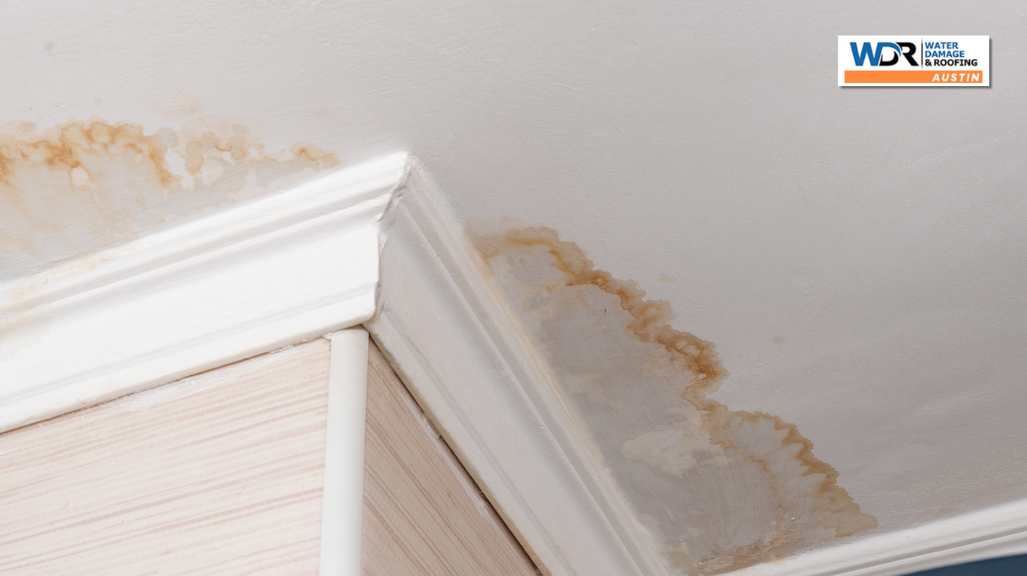
A claim adjuster will look for signs of leaks such as deterioration, peeling, curled or collapsed roofing, and damage or corrosion.

How Do You Calculate the Actual Cash Value of a Roof?

Actual cash value (ACV) is the cost of lost or damaged goods at the moment of the loss.

You can calculate the actual cash value of a roof by estimating how much it is meant to last and comparing it to how much time you’ve had it installed.

In the case of ACV coverage, the insurance provider will retain a percentage of the roof’s value rather than paying the total amount.

This is called depreciation.

One good practical example of this is the following:

A brand-new roof may cost $20,000 and last for 20 years.

This would indicate that it loses 5% of its value annually.

If your roof is ten years old, it has lost half its worth, making its actual cash value $10,000.

In addition, the insurance company could depreciate more money depending on how well-maintained your roof is.

This is because although some roofs that are ten years old could still be in excellent shape, others might be affected by unrepaired wind or hail damage.

Roof Repair or Replacement - Consider This Before Hiring a Roofing Company

What Not to Say to an Insurance Company

Usually, your homeowners’ insurance covers these events.

However, everything you say to an insurance adjuster should not be interpreted as an admission of fault.

You must prove that something else caused the damage to be compensated.

If you say you were guilty of what happened, even if you argue that you were only partially to blame, the value of your claim can be significantly lowered or wholly rejected.

You must be careful while discussing the damages with a public adjuster, as you could make them seem less severe than they are.

The opinions expressed during this meeting might cast doubt on the validity of your whole case and lessen your chances of receiving compensation.

However, it would be best to consider the severity of your home’s damages.

Never tell an insurance adjuster anything other than what you know when telling them about the event.

It is OK for you to respond “I don’t know” if you are unsure of what happened or cannot provide a firm opinion about a certain aspect of the hail damage insurance claim.

Let Us Help You with Your Hail Damage Roof Claim

Dealing with an insurance company can be complicated for many property owners if they have never done it before.

Luckily, here at Austin Roofing Company & Water Damage | WDR, we can choose the right roofing contractor for you.

We will ensure they have enough experience dealing with insurance claims so that your insurance policy covers the damage to your roof caused by weather events.

This will significantly lower the replacement cost after a hail storm.

New Roof Installation: A Step-by-Step Guide

New Roof Installation: A Step-by-Step Guide

Your roof replacements are one of the most critical components of your home, providing essential protection from the elements and ensuring the structural integrity of your property.

However, over time, your roof can become damaged, worn out, or otherwise compromised, putting your home at risk of water damage and other structural damage.

A new roof installation process is often the best solution for protecting your home and ensuring that your roof is in top condition.

However, suppose you want to replace a roof. In that case, you must first assess materials’ prices through an accurate estimate, determine what roofing material suits your home the best, and many other things that will affect your final price.

This comprehensive guide will explore the new roof installation process, including the steps involved, the associated costs, the best time of year to install a roof, and the benefits of new roof installation.

Whether you are a homeowner in Austin, Texas, or anywhere else in the state, this guide will provide you with the information you need to make an informed decision about your roofing needs with the local roofing companies and roofing contractors.

Steps Involved in the New Roof Installation Process

To replace metal roofs, the process typically involves several key steps, including:

Inspection and Assessment

Before the roof replacement, your existing roof must be inspected and assessed to determine the extent of any damage and to plan the installation process.

Preparation and Planning

After the inspection and assessment, the next step is to plan and prepare for the installation process. This includes determining the type of roof materials, ordering more materials, and scheduling the installation work.

Tear-off and Disposal

Then, the old materials must be removed and disposed of in an environmentally-safe manner.

Roof Deck Preparation

The roof replacement deck must be prepared for the new roofing material, including making necessary repairs, cleaning the surface, and installing any essential underlayment.

Installation of New Materials

The professional will install new materials, including ventilation, flashing, asphalt shingles, and drainage systems.

Clean-up and Inspection

Once the new materials are installed, the installation roof area is cleaned up, and a final check is performed to ensure that the new roof has been installed correctly.

Costs Associated with a New Roof Installation

One of the most important considerations for most homeowners is the new roof installation cost.

The roof cost can vary widely depending on many factors, including the roof size, the type of materials used, and the complexity of the roof installation process.

How Much Does It Cost to Install a 1000-square-foot Roof?

The average price for a roof replacement for a 1000-square-foot area can range from $4,000 to $5,500, depending on the material costs and the complexity of the installation process. You will get a higher price for any additional roofing square.

What Is the Average Roof Replacement Cost in Austin, Texas?

The average roof in Austin, Texas, will typically cost from $3,000 to $5,000, although this can vary depending on the size of the roof and the type of roofing materials used.

It best Time of Year to Install an Entire Roof

When installing a new roof, timing is also an important consideration. The best time of year to install a roof is typical during the spring or fall when temperatures are mild and the weather is less likely to be disrupted by severe storms.

Installing a roof during the summer months can be challenging, as hot temperatures can make it difficult for materials to adhere correctly and can put added stress on the roof installation crew.

A roof installation during the winter can also be problematic, as cold temperatures and snow or ice can make it challenging to work on the roof and can also stress the materials.

Benefits of Installing a New Roof

Aside from the obvious benefits of protecting your home from water damage and ensuring the structural integrity of your property, there are many other benefits to installing a roof.

These benefits include:

Increased Energy Efficiency

New roofing materials can help improve your home’s energy efficiency by providing better insulation and reducing air leaks.

Enhanced Curb Appeal

Roof replacements can enhance the visual appeal of your home, increasing its value and making it more attractive to potential buyers.

Improved Comfort

Your home will be more comfortable, as the roof replacement will better protect your home from the elements and reduce the heat lost or gained through the roof.

newly installed roof

Increased Lifespan

The roof replacement can help extend your home’s lifespan, as the roof will be in top condition and better able to withstand the elements and other types of damage.

Lower Maintenance Labor Costs

You can enjoy lower maintenance costs, as you will no longer need to pay roof repair or roof replacement costs for tile roofs.

Final Thoughts – Get a Quote for Your Roofing Materials!

Whether you are an Austin homeowner or anywhere else in the state, a new roof cost is essential for protecting your home and ensuring it remains in top condition. With the information in this comprehensive guide, you can make an informed decision about your roofing cost and enjoy the benefits of a new roof. If you have questions or concerns about the new roof cost or installation process, contact the quality roofing contractors for professional advice and guidance.

A Comprehensive Guide to Metal Roof Installation

A Comprehensive Guide to Metal Roof Installation

Texas is no stranger to weather extremes. From scorching summers to sudden downpours, the state experiences various weather conditions that can take a toll on homes and other possessions. This is why many Central Texas residents opt for corrugated metal roofing installations.

A 2008 study by the Oak Ridge National Laboratory revealed the economic benefits of metal roofing. Metal roofs boast superior insulation qualities compared to conventional materials, significantly reducing energy expenses.

Specifically, they can reduce the average metal roof and other energy costs by as much as 40% in the summer and 15% in the winter, making them a wise investment, particularly for those who want to save energy and money.


What Are the Steps to Installing a New Metal Roof?

Here is a step-by-step guide for a properly installed roof that can save money and energy in the long run:

Take Roof Measurements

When purchasing materials for roofing, you should add an extra 10% to 15% to your estimate to account for potential errors and cutting adjustments.

Ensure to accurately calculate the flat roof slope, which can be determined by the “rise over run” formula. Measure the height from the starting point of the asphalt shingle roof using a ladder and a level.

Tear Down Your Old Roof

You should consider renting a dumpster to remove waste when replacing your roof. Start the removal process at the highest point of your existing roof and work your way downwards in an organized manner.

Address any protruding nails by hammering them down or disposing of them. Inspect the roof’s base structure as the waste removal progresses. Once your roof area is clear of debris, you can prepare your workspace.

Prepare the Area

Perform removal and workspace preparation on a day with no precipitation to avoid water damage to the roof. Arrange your tools and metal roofing materials in a well-organized manner for easy access.

If the decking shows signs of decay or damage, replace it during this stage. Remove debris or dirt before proceeding to the next step.

Roll the Roof Underlayment

Roofing underlayment materials are usually available in rolls that cover an area of 100 square feet and have a width of three to four per square foot. Start by unrolling the insulation materials with the adhesive side down, allowing a few inches to hang over the metal roofs.

Lay it lengthwise across the roof, moving slowly to ensure a smooth and even surface. Ensure that each pass overlaps one to two inches for complete coverage.

Install the Edging

Eave flashing protects the bottom edge by lining it near the gutter location. The flashing extends slightly over the gutters to enhance water runoff. It comes in 10-12 ft sections that overlap each other by two-three inches and spread over the edge by the same amount.

You should seal the overlapping edges with caulk. Cut the flashing to size with tin snips and fold the excess over the roofs. Attach the flashing to the using metal-to-wood screws, placed every eight inches starting eight inches from the roofs.

Install the Metal Panels

First, mark screw points using chalk lines on your panels. Begin six inches from each panel’s top. Then, every two feet down, snap another line. The fastening sites in each row of screws should be roughly a square foot apart.

Begin at the top of your roof’s most excellent squared portions. Each piece should ideally reach from the roof’s peak and overflow your eaves by 3/4-inch. Before securing your panels, cut them to size.

Attach each panel along the snapped lines with #12 metal-to-wood screws. Use your #12 self-tapping screws to link your panels where they overlap and join at two-square-foot vertical intervals.

After that, go to the less squared-off areas of your roof. Measure these regions precisely and cut your panels to fit at ground level.

Install the Flashing

The final touch on the roofing project is flashing. These parts close all joints that are smaller than 140 degrees. You can stretch these to match your exact shape requirements using the above panel bending equipment. It often does not extend beyond a square foot on either side of the corner it covers.

Once cut to fit, fastening these will be simple, requiring only one row of screws on each end of the covered seam. Because this is the final step in the sealing process, butyl tape or caulk should be applied an inch within each side of the flashing before fastening it.

aerial view of a gray roof

Can You Put a Metal Roof Over the Asphalt Shingles?

In almost every scenario, the answer is yes; you can use new shingle roofs over old asphalt shingle roofs. One of the reasons metal roofs are becoming more popular than asphalt roofs is that their installation does not require removing the previous roof entirely, which can be time-consuming and more costly than getting asphalt shingles.

Can I Install Metal Roofing by Myself?

Even though you can theoretically install a metal roof by yourself, this sort of roofing takes experience many people lack. As a result, never try to build your new roof unless you have some understanding and the correct staff to assist you. When in doubt, always hire an expert roof tradesperson to complete the task.

Does the Metal Roof Need an Underlayment?

Yes, metal roofing requires an underlayment.

Asphalt shingle roof requires a felt and synthetic underlayment; the new roof requires a unique solution since the contraction and expansion of standard underlayment compromises its integrity. The underlayment for metal roofing must have high heat, ice, and water protection.

The cotton-like threads in a high-heat, ice, and water shield will not attach to the metal roof system when it expands and contracts. This keeps the underlayment from being damaged, allowing it to protect the roofing if water gets under the panels.

While this shield is required as an underlayment, the metal roof is also routinely placed with premium systems such as synthetic, granite, and cedar shake. Just be aware that the new metal roof installation costs more than the other varieties of underlayment.

Final Thoughts

Installing a metal roof in the Austin area can be a complex process, but following a step-by-step guide can make the outcome successful and efficient.

Water damage can be a significant concern regarding roofing, and choosing a suitable material to withstand harsh weather conditions is crucial.

Metal roofing is a popular option due to its durability and resistance to water damage, making it an excellent investment for many homeowners.

Labor and contractor expenses, such as equipment rental, primarily drive the cost of installing metal roofs.

On average, these labor costs make up two-thirds of the total price.

According to Roofing Calculator, the labor costs of installing a metal roof per 100 square foot range from $350 to $400. For a seam roof, which is more challenging to install, you can expect to pay around $500 for the same area.

Wind Damage Roof Estimate in Austin: A Comprehensive Guide to Wind Damage Claims

Wind Damage Roof Estimate in Austin: A Comprehensive Guide to Wind Damage Claims

The sound of the wind howling and rain beating down on your roof is a nerve-wracking experience. As the recent Texas storm rages on, the fear of potentially serious damage to your property only intensifies. A wind storm, heavy rain, or repair hail can wreak havoc on even the most robust and durable roofs.

When the Texas storm finally subsides, the aftermath can be devastating. Suddenly, it left you with a long list of storm-damaged roof repairs and an overwhelming sense of uncertainty.

How much will storm damage repair cost? How long will it take? Relax, take a deep breath, and know you’re not alone.

This comprehensive guide on wind damage roof estimates in Austin is here to help you navigate the insurance claim process and give you the peace of mind you need.

What Is the Minimum Wind Speed Required to Cause Roof Damage?

Brace yourself for the full power of a natural disaster! Wind, a seemingly harmless element, can wreak havoc on homes and properties when it picks up speed. At 45 mph and above, your landscaping may be at risk, but your home is not safe either.

The wind can lift loose shingles, snap weak trees or limbs, and leave your roof vulnerable to damage. When wind speeds hit 55 mph and beyond, expect more property damage, from fallen trees to severe damage and storm-damaged roofs.

The destruction is catastrophic as wind speeds soar to 65 mph and above. Widespread tree damage flipped motor homes and damaged roofs of commercial and residential buildings.

The effects of wind gusts of 75 mph or more leave you in awe and despair. Don’t let the wind-damaged roof repair costs leave you stranded. A professional inspection, insurance company claim, and local roofing contractor are essential to make roof repair possible.

roof repair versus roof replacement

What Are the Signs of a Wind-Damaged Roof?

Here are some signs that your need roof repair.

Spots of Granules Gone from the Shingles

Wind can significantly impact your roof, causing the loss of granules. During an inspection, the first place to look for evidence of missing granules is in the gutters, where they tend to accumulate.

Peeling Asphalt Shingles

The pressure points on your roof are susceptible to recent storm damage, including the edges. When the wind takes hold of the shingles and begins to peel them away, it can cause curling that leaves your roof vulnerable to storm damage and deterioration.

Missing Shingles

Strong winds can completely rip shingles from your roof, leaving it vulnerable to further hail damage and the future need for roof repairs.

If you notice shingles scattered around your home or in your yard, it’s essential to have a professional inspect your entire roof to evaluate the extensive repairs.

Tears or Cracks in a Rubber Roof

Wind power can be so strong that it can pick up materials from a flat roof, potentially tearing it away or creating pockets of air that weaken the roof’s structure.

It is imperative to thoroughly inspect the roof for any signs of wind damage, such as missing chunks of material or tears in the roofing system.

These signs can indicate a need for roof repairs or replacement to ensure the stability and longevity of the roof.

Damaged Soffit or Fascia

The soffit and fascia on your roof protect your home from damage and critters.

Wind can cause bent areas, create cracks, or even blow off the fascia, leaving your roof vulnerable to roof leaks and unwanted intrusions. A thorough roof inspection will identify storm damage repairs to these critical components.

roofers inspecting a roof

Is a 40-mph Wind Strong Enough to Damage a Roof?

Brisk winds below 45 mph may scatter some outdoor objects, but rest assured that any significant damage to your landscape or property will be minimal.

While your patio umbrella may take a joyride to your neighbor’s yard, don’t let the howling high winds outside fool you – you and your surrounding communities are well protected.

Which Roofing Material Is Most Susceptible to Wind Damage?

Asphalt shingles, tile, and wood, commonly used roofing materials, are susceptible to wind uplift, exposing the roof deck to wind-driven storm damage. Metal roofs may suffer from cupping and curling of shingles in scorching weather, making them easy targets for strong winds.

Wood shakes can split or become unsecured, making them highly susceptible to wind uplift. Clay tile roofs, known for their fragility, also face the dangers of wind uplift, with only a few manufacturers offering wind warranty coverage.

How to Make Roof Repairs

You can repair a wind-damaged roof. The amount of work needed will depend on the extent of the damage, which could range from replacing a few missing shingles to getting a roof replacement.

Getting a professional assessment as soon as possible is best if you see any damage, as the structural damage will worsen over time.

Professionals will do a property inspection and use a drone to determine the extent of the damage. After that, they will inform the property owner of the severity of the damage and then will discuss the next steps.

Final Thoughts – Do You Need a Roof Replacement?

The issue of water damage in Austin homes and properties can often be traced back to wind damage to roofs. As wind speeds increase and severe storms are coming, it becomes increasingly important for homeowners to ensure they are equipped with their shelters to withstand these elements.

Hiring a roofing contractor to get a free estimate is crucial to address any wind damage and prevent further damage. This will thoroughly assess the damage and recommend whether you need a roof repair.

By taking proactive steps to maintain the integrity of their roofs, many homeowners can safeguard their homes from the damaging effects of wind and water.

Additionally, it is crucial to stay up-to-date with the latest building codes and standards to ensure the roof is properly constructed and equipped to handle wind damage. Investing in a high-quality roofing contractor can provide peace of mind and protection for many years.