A Comprehensive Guide to Metal Roof Installation

A Comprehensive Guide to Metal Roof Installation

Texas is no stranger to weather extremes. From scorching summers to sudden downpours, the state experiences various weather conditions that can take a toll on homes and other possessions. This is why many Central Texas residents opt for corrugated metal roofing installations.

A 2008 study by the Oak Ridge National Laboratory revealed the economic benefits of metal roofing. Metal roofs boast superior insulation qualities compared to conventional materials, significantly reducing energy expenses.

Specifically, they can reduce the average metal roof and other energy costs by as much as 40% in the summer and 15% in the winter, making them a wise investment, particularly for those who want to save energy and money.


What Are the Steps to Installing a New Metal Roof?

Here is a step-by-step guide for a properly installed roof that can save money and energy in the long run:

Take Roof Measurements

When purchasing materials for roofing, you should add an extra 10% to 15% to your estimate to account for potential errors and cutting adjustments.

Ensure to accurately calculate the flat roof slope, which can be determined by the “rise over run” formula. Measure the height from the starting point of the asphalt shingle roof using a ladder and a level.

Tear Down Your Old Roof

You should consider renting a dumpster to remove waste when replacing your roof. Start the removal process at the highest point of your existing roof and work your way downwards in an organized manner.

Address any protruding nails by hammering them down or disposing of them. Inspect the roof’s base structure as the waste removal progresses. Once your roof area is clear of debris, you can prepare your workspace.

Prepare the Area

Perform removal and workspace preparation on a day with no precipitation to avoid water damage to the roof. Arrange your tools and metal roofing materials in a well-organized manner for easy access.

If the decking shows signs of decay or damage, replace it during this stage. Remove debris or dirt before proceeding to the next step.

Roll the Roof Underlayment

Roofing underlayment materials are usually available in rolls that cover an area of 100 square feet and have a width of three to four per square foot. Start by unrolling the insulation materials with the adhesive side down, allowing a few inches to hang over the metal roofs.

Lay it lengthwise across the roof, moving slowly to ensure a smooth and even surface. Ensure that each pass overlaps one to two inches for complete coverage.

Install the Edging

Eave flashing protects the bottom edge by lining it near the gutter location. The flashing extends slightly over the gutters to enhance water runoff. It comes in 10-12 ft sections that overlap each other by two-three inches and spread over the edge by the same amount.

You should seal the overlapping edges with caulk. Cut the flashing to size with tin snips and fold the excess over the roofs. Attach the flashing to the using metal-to-wood screws, placed every eight inches starting eight inches from the roofs.

Install the Metal Panels

First, mark screw points using chalk lines on your panels. Begin six inches from each panel’s top. Then, every two feet down, snap another line. The fastening sites in each row of screws should be roughly a square foot apart.

Begin at the top of your roof’s most excellent squared portions. Each piece should ideally reach from the roof’s peak and overflow your eaves by 3/4-inch. Before securing your panels, cut them to size.

Attach each panel along the snapped lines with #12 metal-to-wood screws. Use your #12 self-tapping screws to link your panels where they overlap and join at two-square-foot vertical intervals.

After that, go to the less squared-off areas of your roof. Measure these regions precisely and cut your panels to fit at ground level.

Install the Flashing

The final touch on the roofing project is flashing. These parts close all joints that are smaller than 140 degrees. You can stretch these to match your exact shape requirements using the above panel bending equipment. It often does not extend beyond a square foot on either side of the corner it covers.

Once cut to fit, fastening these will be simple, requiring only one row of screws on each end of the covered seam. Because this is the final step in the sealing process, butyl tape or caulk should be applied an inch within each side of the flashing before fastening it.

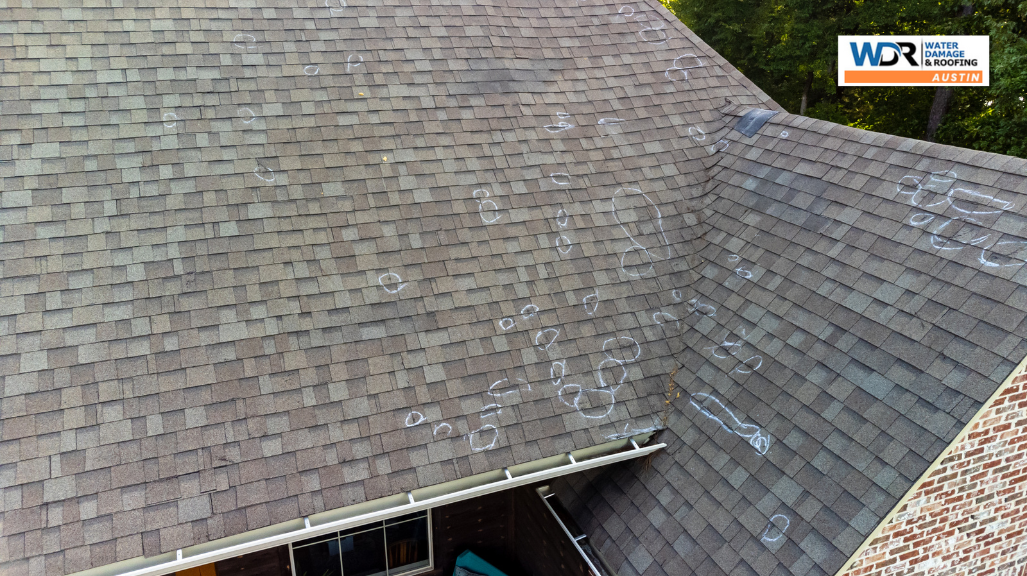
aerial view of a gray roof

Can You Put a Metal Roof Over the Asphalt Shingles?

In almost every scenario, the answer is yes; you can use new shingle roofs over old asphalt shingle roofs. One of the reasons metal roofs are becoming more popular than asphalt roofs is that their installation does not require removing the previous roof entirely, which can be time-consuming and more costly than getting asphalt shingles.

Can I Install Metal Roofing by Myself?

Even though you can theoretically install a metal roof by yourself, this sort of roofing takes experience many people lack. As a result, never try to build your new roof unless you have some understanding and the correct staff to assist you. When in doubt, always hire an expert roof tradesperson to complete the task.

Does the Metal Roof Need an Underlayment?

Yes, metal roofing requires an underlayment.

Asphalt shingle roof requires a felt and synthetic underlayment; the new roof requires a unique solution since the contraction and expansion of standard underlayment compromises its integrity. The underlayment for metal roofing must have high heat, ice, and water protection.

The cotton-like threads in a high-heat, ice, and water shield will not attach to the metal roof system when it expands and contracts. This keeps the underlayment from being damaged, allowing it to protect the roofing if water gets under the panels.

While this shield is required as an underlayment, the metal roof is also routinely placed with premium systems such as synthetic, granite, and cedar shake. Just be aware that the new metal roof installation costs more than the other varieties of underlayment.

Final Thoughts

Installing a metal roof in the Austin area can be a complex process, but following a step-by-step guide can make the outcome successful and efficient.

Water damage can be a significant concern regarding roofing, and choosing a suitable material to withstand harsh weather conditions is crucial.

Metal roofing is a popular option due to its durability and resistance to water damage, making it an excellent investment for many homeowners.

Labor and contractor expenses, such as equipment rental, primarily drive the cost of installing metal roofs.

On average, these labor costs make up two-thirds of the total price.

According to Roofing Calculator, the labor costs of installing a metal roof per 100 square foot range from $350 to $400. For a seam roof, which is more challenging to install, you can expect to pay around $500 for the same area.

Wind Damage Roof Estimate in Austin: A Comprehensive Guide to Wind Damage Claims

Wind Damage Roof Estimate in Austin: A Comprehensive Guide to Wind Damage Claims

The sound of the wind howling and rain beating down on your roof is a nerve-wracking experience. As the recent Texas storm rages on, the fear of potentially serious damage to your property only intensifies. A wind storm, heavy rain, or repair hail can wreak havoc on even the most robust and durable roofs.

When the Texas storm finally subsides, the aftermath can be devastating. Suddenly, it left you with a long list of storm-damaged roof repairs and an overwhelming sense of uncertainty.

How much will storm damage repair cost? How long will it take? Relax, take a deep breath, and know you’re not alone.

This comprehensive guide on wind damage roof estimates in Austin is here to help you navigate the insurance claim process and give you the peace of mind you need.

What Is the Minimum Wind Speed Required to Cause Roof Damage?

Brace yourself for the full power of a natural disaster! Wind, a seemingly harmless element, can wreak havoc on homes and properties when it picks up speed. At 45 mph and above, your landscaping may be at risk, but your home is not safe either.

The wind can lift loose shingles, snap weak trees or limbs, and leave your roof vulnerable to damage. When wind speeds hit 55 mph and beyond, expect more property damage, from fallen trees to severe damage and storm-damaged roofs.

The destruction is catastrophic as wind speeds soar to 65 mph and above. Widespread tree damage flipped motor homes and damaged roofs of commercial and residential buildings.

The effects of wind gusts of 75 mph or more leave you in awe and despair. Don’t let the wind-damaged roof repair costs leave you stranded. A professional inspection, insurance company claim, and local roofing contractor are essential to make roof repair possible.

roof repair versus roof replacement

What Are the Signs of a Wind-Damaged Roof?

Here are some signs that your need roof repair.

Spots of Granules Gone from the Shingles

Wind can significantly impact your roof, causing the loss of granules. During an inspection, the first place to look for evidence of missing granules is in the gutters, where they tend to accumulate.

Peeling Asphalt Shingles

The pressure points on your roof are susceptible to recent storm damage, including the edges. When the wind takes hold of the shingles and begins to peel them away, it can cause curling that leaves your roof vulnerable to storm damage and deterioration.

Missing Shingles

Strong winds can completely rip shingles from your roof, leaving it vulnerable to further hail damage and the future need for roof repairs.

If you notice shingles scattered around your home or in your yard, it’s essential to have a professional inspect your entire roof to evaluate the extensive repairs.

Tears or Cracks in a Rubber Roof

Wind power can be so strong that it can pick up materials from a flat roof, potentially tearing it away or creating pockets of air that weaken the roof’s structure.

It is imperative to thoroughly inspect the roof for any signs of wind damage, such as missing chunks of material or tears in the roofing system.

These signs can indicate a need for roof repairs or replacement to ensure the stability and longevity of the roof.

Damaged Soffit or Fascia

The soffit and fascia on your roof protect your home from damage and critters.

Wind can cause bent areas, create cracks, or even blow off the fascia, leaving your roof vulnerable to roof leaks and unwanted intrusions. A thorough roof inspection will identify storm damage repairs to these critical components.

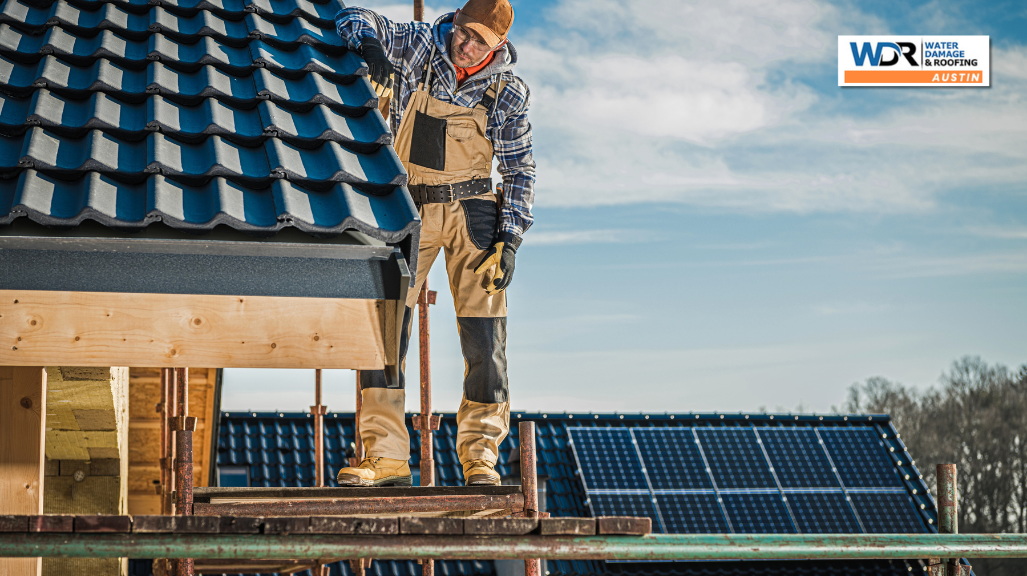
roofers inspecting a roof

Is a 40-mph Wind Strong Enough to Damage a Roof?

Brisk winds below 45 mph may scatter some outdoor objects, but rest assured that any significant damage to your landscape or property will be minimal.

While your patio umbrella may take a joyride to your neighbor’s yard, don’t let the howling high winds outside fool you – you and your surrounding communities are well protected.

Which Roofing Material Is Most Susceptible to Wind Damage?

Asphalt shingles, tile, and wood, commonly used roofing materials, are susceptible to wind uplift, exposing the roof deck to wind-driven storm damage. Metal roofs may suffer from cupping and curling of shingles in scorching weather, making them easy targets for strong winds.

Wood shakes can split or become unsecured, making them highly susceptible to wind uplift. Clay tile roofs, known for their fragility, also face the dangers of wind uplift, with only a few manufacturers offering wind warranty coverage.

How to Make Roof Repairs

You can repair a wind-damaged roof. The amount of work needed will depend on the extent of the damage, which could range from replacing a few missing shingles to getting a roof replacement.

Getting a professional assessment as soon as possible is best if you see any damage, as the structural damage will worsen over time.

Professionals will do a property inspection and use a drone to determine the extent of the damage. After that, they will inform the property owner of the severity of the damage and then will discuss the next steps.

Final Thoughts – Do You Need a Roof Replacement?

The issue of water damage in Austin homes and properties can often be traced back to wind damage to roofs. As wind speeds increase and severe storms are coming, it becomes increasingly important for homeowners to ensure they are equipped with their shelters to withstand these elements.

Hiring a roofing contractor to get a free estimate is crucial to address any wind damage and prevent further damage. This will thoroughly assess the damage and recommend whether you need a roof repair.

By taking proactive steps to maintain the integrity of their roofs, many homeowners can safeguard their homes from the damaging effects of wind and water.

Additionally, it is crucial to stay up-to-date with the latest building codes and standards to ensure the roof is properly constructed and equipped to handle wind damage. Investing in a high-quality roofing contractor can provide peace of mind and protection for many years.

How Much Does It Cost to Repair A Storm Damage Roof? Getting a Storm Damage Roof Estimate in Austin, Texas

How Much Does It Cost to Repair A Storm Damage Roof? Getting a Storm Damage Roof Estimate in Austin, Texas

Every homeowner knows the devastating effects of storm damage. Severe storms can bring strong winds that send objects flying through the air and cause shingles to be ripped away from a roof, potentially creating water damage inside the home.

Aside from weather-related issues, hail damage, and wind damage can leave many dents or even cause asphalt shingles to be destroyed. Chipped roofing materials and structural damage can be weighty when severe storms hit.

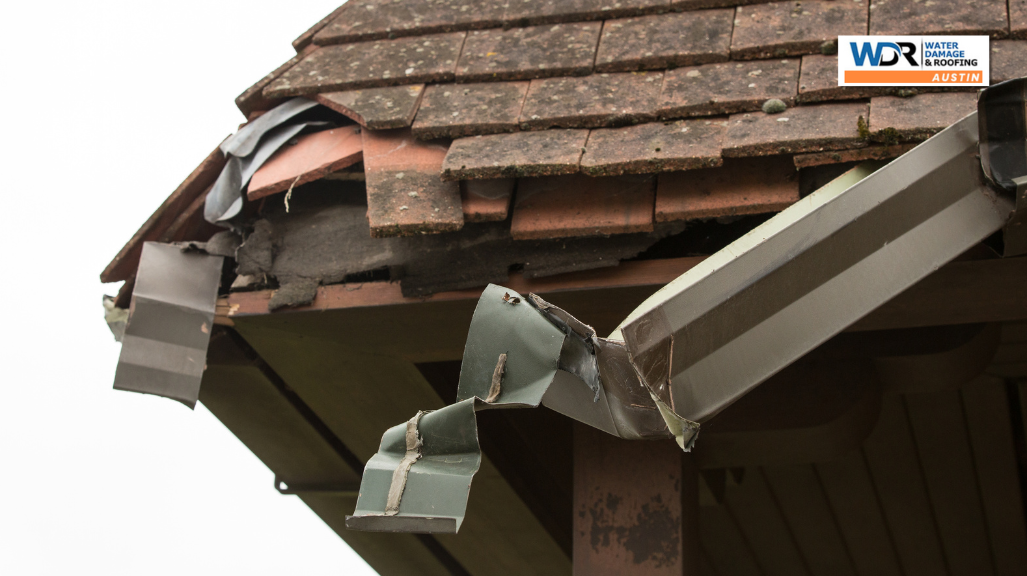
storm damaged roof

Depending on the severity of the wind damage, the roof repairs you require can range from simple fixes to an entire roof replacement.

It’s hard to tell exactly what needs to be worked on without a proper roof inspection. An insurance company is also less likely to provide reimbursement for storm-damaged roof repairs without proper proof presented.

How Much Do Roof Repairs Cost?

When unexpected weather strikes, storm damage can cause devastating issues to your home, and it doesn’t end there.

A severe storm can wreak havoc on roofs, and your insurance company will only cover certain types of damage. It’s important to know when storm-damaged roof repairs are necessary, how much they cost, and if your insurance adjuster covers them.

  • Assess the Damaged Roof

In some cases, minor repairs, such as replacing missing shingles around the roof’s edges, can be enough. However, if the hail, wind, or structural damage is extensive, a complete roof replacement may be necessary.

Depending on the age and type of your roof, the cost of a storm-damaged roof repair or replacement can vary significantly. In some cases, it can range from $2,000 for a roof containing asphalt shingles to upward of $11,000 for metal roofs.

  • Seek Reimbursement from the Insurance Company

If your insurance agency finds that the roof damage is too extensive and your roof must be replaced entirely, you may be able to receive financial assistance from the company.

Some insurance policies offer coverage for storm-damaged roof repair services that include a portion of the replacement costs, depending on the severity of the hail damage. However, always check your policy for your coverage. Extensive repairs might require higher reimbursements.

  • Ask for a Free Roof Inspection

Getting storm damage repair can be costly, but you can now seek a storm damage roof estimate for free.

Professional roofers can assess the damage and explain the necessary repairs and associated costs.

If the roof inspector finds further damage, they may contact your insurance agency to have an insurance adjuster inspect the entire roof for hail damage.


What Is Considered Storm Damage to a Roof?

Understanding what is considered damage to a roof and how to approach the problem by seeking roof repairs is essential.

Generally, there are two levels of damage associated with storms:

  • Minor roof damage

  • Extensive roof damage

The degree of hail damage ultimately depends on several factors, including the type of roofing materials you have, the storm’s severity, and the debris that may have been blown onto your roof.

damaged roof

Asphalt shingles are more prone to damage than other materials, and roof inspections are essential to determine the extent of the damage. If severe storms cause a roof to experience missing, cracked, broken shingles or other types of damage, an entire roof replacement may be necessary.

Broken gutters can also cause water to leak into the property, causing interior damage. It is crucial to call a professional to repair hail damage, and you can also seek a free estimate from most roof technicians.

How Do Insurance Adjusters Determine Roof Damage?

The roof of your home is a significant part of protecting your family and keeping them safe, so it is essential to have the job done right when it comes to a roof repair and replacement service.

In the wake of a recent storm, your insurance provider will be one of the key people you will be dealing with.

They will be responsible for assessing the damage caused to your property and determining whether the insurance agency will have to pay for its repair. This process can be daunting for a homeowner, but with the proper knowledge, you can get the necessary coverage and ensure your home is repaired correctly.


When it comes to roofing damage, the adjuster is likely looking for evidence of damage caused by hail, heavy rain, wind, or any other type of storm.

  • Internal Damage

Along with checking the roof’s shingles, the adjuster will also look beyond the surface to examine your roof’s structure and underlying frames. This can include lifting shingles, looking for leaks in the attic, and investigating the underside of the roof for water damage.

It is also important to note that an adjuster may recommend siding repair if the damage is more extensive.

Trained professionals use their experience to identify damage that may not be noticeable to the untrained eye. This includes evidence such as granule loss, damaged flashing, and signs of blows from heavy storms.

That is why homeowners need to retrieve correct documentation for the causes and signs of damage that appear after a storm. This can be done through photographs and videos.

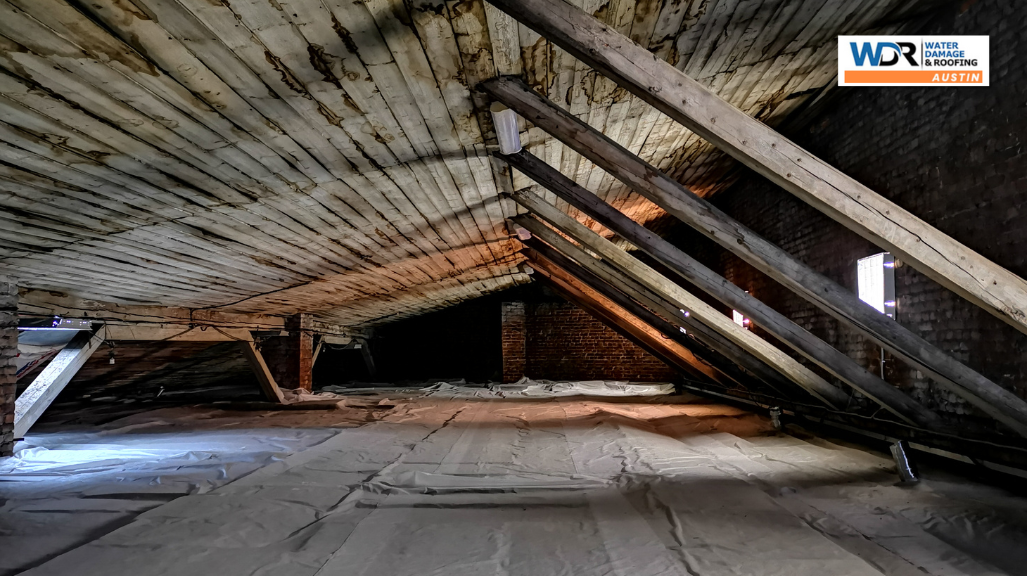
wooden attic

Before accepting any cost, however, it is best to consider all your options. You may find that you can reduce the amount of coverage needed or the cost of the repairs by completing some of the roof repair tasks yourself.

Can You Claim Coverage for Storm Damage to a Roof?

To be eligible for a roof repair claim, you must provide the correct documentation for the damage caused to your roof.

It’s important to understand that the wear and tear on roofs from extreme weather events may be challenging to spot with the untrained eye. While the damage may not be immediately visible, granule loss, broken gutters, or leaks may indicate that the damaged roof needs to be addressed. A professional roof inspector can come to assess the damage to your property, such as siding and attic damage due to leaks or water infiltration. Depending on the extent of the issue and the repair cost needed for the damaged roof, you may be able to get your insurance agency to pay for at least some of the costs for the roof repair based on your policy. It’s important to remember that the first step in any roof repair or replacement project should be to get in contact with a trusted roofing contractor. You can also get a storm damage roof repair estimate for free by working with a reliable roofer for damaged roof issues.

Final Words

Proper documentation and identifying the damage as soon as possible are vital in determining if you can claim coverage for storm-induced damage to your roof.

Knowing your options is essential so you can make an informed decision on how to fix the problem and protect your property.

After all, navigating bureaucracy and understanding the complexities of insurance coverage is challenging enough, not to mention knowing if you can even claim reimbursements for the damage at hand.

What Happens During a Commercial Roof Inspection?

What Happens During a Commercial Roof Inspection?

As a commercial building owner, you must regularly inspect and maintain your roofing system to keep it in optimal condition.

A comprehensive commercial roof inspection is a cost-effective solution that can help you identify potential issues with your roofing system and prevent it from becoming expensive to repair job later down the road.

people walking on roof

Generally, a commercial roof inspection is designed to assess the condition of a roofing system to identify any issues, risks, or costs that need to be addressed soon.

Performed by a qualified, experienced roofing contractor, these roofing inspections can help keep buildings, businesses, and homes solid and secure.

At its core, a commercial roof inspection includes a thorough examination of the roof deck, followed by an inspection report that outlines any issues or risks identified during the roof inspection.

During this process, the roofing contractor will look for leaks, cracks, stains, or deterioration of the system and the roof deck, then recommend a cost-effective solution whenever necessary.

What Are the Most Important Items to Check When Inspecting Your Roof?

When it comes to commercial building owners, the responsibility to maintain a safe building environment is very critical.

Undertaking regular maintenance of the building itself and its roof is a cost-effective solution that can help ensure your property is in good condition and remains safe.

  • Evaluate the Roof System

First, it is essential to evaluate the condition of the roofing deck by taking a core sample of the system.

The deck is the main component, and the base of a roof structure comprises layers of plywood, treated timber, and insulation.

During the inspection, it is essential to look out for any cracks, joints, or signs of rot that could cause water to enter the building and damage the contents.

Track the condition of any fasteners or bolts installed in the deck. Loose fasteners on roofs generally indicate a need for roof repairs.

  • Check for Water Stains

Another vital element to consider is possible water stains or signs of water damage.

These can be found on the ceiling and walls of the building and should be inspected for any water pooling or signs of ashen discoloration.

If signs of water damage are found, it may indicate a leak in your roofing structure, and this should be addressed as soon as possible.

Luckily, many companies now provide free inspections, which building owners on a tight budget can take advantage of quickly.


  • Ask for a Detailed Report

It is also crucial to ask for a detailed roof inspection report from the roofing contractor.

home inspection report

In general, inspection reports should include an overall assessment of the roof, details of the deck and its components, an overview of any water entry points, a list of any remedial works needed, and core samples and scans to help identify the problematic areas.

Conducting regular roof checks is essential for any building. It is important from a safety perspective and can help you save thousands of dollars in repairs and replacement costs in the future.

What Does Commercial Roof Inspection Include?

Property owners are constantly trying to find the most cost-effective solution for their roofing needs. When it comes to such projects, a commercial roof inspection is paramount.

There are a few things your commercial roof inspection checklist should consist of, which we’ll list down below for convenience:

  • Check the Entire Structure

A roofing contractor will review various items during the roof inspection, such as the condition of the system as a whole, any water signs, and core samples taken of different deck areas.

  • Written Report

In addition to the physical inspection, a commercial roof inspection also includes a report detailing the roofing contractor’s findings, components, and recommendations. The core sample might also be taken to a laboratory for further investigation.

The inspection report should include details such as the deck’s condition and materials, any reconstruction needed, and suggestions for the most affordable solution.

  • Ask for Quotes

Free inspections will include checking for any existing sealants, flashings, and other material systems necessary for the roof’s integrity.

Afterward, the report and core sample should address any safety hazards associated with the structure, inspection costs, and repairs needed.

Upon completion, the commercial roof inspection report and the core sample results are then provided to the building owners and managers for their review and feedback.

At the end of the day, property owners must remember that a roof inspection is essential for protecting their property and preserving the system’s integrity.

It also gives building owners peace of mind that their roofs are in their best condition. Finally, it shows how getting contractors to do an inspection and repair is not only cost-effective but is also a much safer option than not investigating the roof in the first place.


How Much Does a Commercial Roof Inspection Cost?

If you’re a business property owner, the cost of roof maintenance can vary depending on the size and complexity of the system.

The cost of a generic roof inspection is usually based on the structure’s complexity and the job’s size. Generally, getting a repair can range between $1,000 to $3,000 for an average roof.

However, the cost may also depend on how the contractor conducts the roofing inspection and the type of materials used in the job.

person holding tile roof

For instance, if you’re doing roofing inspections to check for potential problems, such as leaks or ponding water, more detailed investigations will typically cost a lot.

Likewise, core samples may also be needed to perform roof investigation, resulting in additional costs.

On the other hand, a roof inspection done to check for general maintenance issues or small remedial works can often be done at a lower cost by the roofer.

Before hiring a roofing expert for an inspection, it’s essential to shop around and get quotes from multiple contractors to compare prices and ensure you get the best deal.

How Long Should a Commercial Roofing Structure Last?

Aside from the safety aspect, a healthy and functioning commercial roofing structure is essential to the operation of your company.

A strong and secure roof ensures the workers and customers of your business can remain confident and comfortable.

By investing in timely inspections, you are working for the successful future of your company. Here are some other factors that can contribute to premature roof failure:

  • Ponding water

  • Cracked concrete

  • Improper installation

  • Shingle aging

  • Harsh weather conditions

  • Material quality

Detailed roof investigations can identify any of these issues, allowing contractors to make timely mends before any costly replacements are necessary.

Although there is no one-size-fits-all answer to how long a commercial roofing structure will last, the average lifespan of a commercialized roof can be between 10 and 20 years under typical conditions.

What Is a Forensic Roof Inspection Like?

Forensic roof inspections are critical to any owner’s roof maintenance routine.

A skilled building contractor will be able to perform a thorough and accurate assessment of a roof’s condition to ensure that remedial work is necessary or even possible.

person inspecting shingle

During this process, a building contractor will take various core samples, readings, and measurements to assess the performance of the roof.

This could include checking the roof’s paint, measuring the pitch, mapping out the installation of components, and inspecting the overall condition.

In addition, a roofer might also take a core sample of the roof’s materials to get a better idea of the quality of the roofing material beneath the surface.

By performing an in-depth forensic roofing inspection, contractors can identify potential problems, such as rotting wood, water damage, cracked shingles, or failing seals.

They can also investigate the cause of a roof leak, helping to identify the leading cause and determine where reconstruction is needed.

Working with a qualified professional to perform this critical assessment is your best bet for a thorough and accurate inspection to ensure that you are making a wise investment and that your roof will remain sound for many years.

Final Words

Timely roofing inspections and remedial works are essential for prolonging the life of your roof.

Working with reliable roofing contractors who understand proper roof installation, maintenance, and replacements can be the difference between a roof that lasts and one that fails prematurely.

As a company owner, investing in the longevity of your roof is essential for the safety and comfort of your employees and customers, and you shouldn’t compromise on anything.

Hail Damage Roof Estimate in Austin, Texas – The Complete Guide [2024]

Hail Damage Roof Estimate in Austin, Texas – The Complete Guide [2024]

Nobody wants to experience the destruction of a hail storm, and Austin homeowners should take proactive steps to ensure that their roofs are protected during a significant natural disaster.

In some cases, hail damage can require the entire roof to be replaced. Depending on the coating and type of shingles used on the property, a complete replacement can cost thousands of dollars.

hail storm

Thankfully, there are a few ways to reduce the cost of roof replacement and hail damage repairs following a hail storm. It is essential to understand that your insurance company should cover replacing an entire roof. You should also be aware of any limitations in coverage before filing an insurance claim for roof repairs.

How Long Will a Roof Last after Hail Damage?

Hail damage can cause serious harm to your roof, leading to costly repairs and replacements.

Understanding how long a roof will last after hail damage and the recommended measures can help you protect your home and ensure it is in good condition for many years.

  • Get a Free Roof Hail Damage Estimate

Typically, after a hail storm, you should have a complete roof inspection done. This will help identify any immediate damages and underlying issues caused by the hail storm.

Repair costs can be high, but some companies offer free storm damage roof estimate to minimize the hail damage repair cost, which can be a great way to stick to your budget.

Trained professionals can inspect the entirety of your roof and identify any damage, and make recommendations for proper repairs. If the damage is significant and warrants complete hail damage repair, it is crucial to address it quickly and prevent further complications.

  • Contact an Insurance Company

Once any hail damage has been identified, you should contact your insurance company to discuss compensation for all kinds of hail damage roof repair expenses. It may need to examine the roof and have you submit an insurance claim.

In extreme cases, the insurance company might deem it necessary for you to replace the entire roof if the damage is too extensive to repair.

What Size of Hail Causes Roof Damage?

Knowing what size hail can cause roof damage is critical for homeowners in protecting their investments. Hailstorms, which often accompany severe weather, are common in the U.S.

Large hailstones can cause significant damage to roofs, shingles, gutters, and windowpanes when they strike. As a result, the severity of the issue will also vary according to the size.

Any hail size can cause roof damage and require extensive roof repair, but the more significant the hail, the more damage it can cause. If the hailstones are 1 inch in diameter or larger, there’s a good chance they’ll create visible damage on a roof.

person holding hail

Homes with shingle roofs will experience the most obvious damage, as stones of this size may be prone to splitting the shingles, so it’s best to inspect your roof if you suspect severe damage.

Should I Claim Hail Damage on My Roof?

Are you a homeowner who’s taken a direct hit from a storm? If so, you may be asking yourself whether or not you should seek an insurance claim for hail damage on your roof. The short answer to that question is yes.

Hail damage can be seriously problematic for your roof and lead to even more costly repairs. Understanding what hail damage is and how to address the issue correctly is essential.


  • Thoroughly Inspect Before Carrying out a Roof Repair

At the first sign of hail damage, inspecting your entire roof is essential. Even if only a limited area seems to be impacted, it’s crucial to inspect the whole hail-damaged roof to determine the full extent of the storm.

If an extensive issue is found, you must replace the entire roof immediately. Trying to repair hail damage can be costly, so it’s essential to determine whether it is cost-effective to proceed with a roof replacement in the first place.

While replacing the shed might present a higher upfront cost, not addressing damage can result in even more pricey repairs.

  • Seek Hail Damage Claims

Homeowners need to know what the insurance claim process is like. You can’t just ask for compensation without showing the agency proof of damage due to a severe storm.

Insurance companies may also not cover the full cost of damage sustained from hail storms. Visual proof can strengthen your case, such as pictures and videos of the split shingles and broken gutters.

What to Inspect Before Conducting Hail Damage Repairs

Spotting hail hits can be extremely difficult for the average homeowner. A professional roof inspection is so important before any repairs begin.

Visual Damage

During the inspection, the expert will look for visual signs of damage. This helps to assess the situation accurately without relying on witnesses or your neighbor’s accounts.

gray asphalt shingle

Check for Homeowner’s Insurance

It is also important to know that many insurance companies offer homeowner’s insurance that covers hail destruction. If you are uncertain whether or not your policy applies, contact your insurance company to confirm what the agency provides.

Property Damage

Aside from hail issues, inspecting for any signs of property damage, wind damage, and missing shingles from asphalt roofs is essential. This is of utmost importance because neglecting to address any of these potential issues can result in the need for an entirely new roof down the line.

Furthermore, if any of these issues are found, and the proper repairs are not made, you may be in danger of losing money that a homeowner’s insurance policy should cover.


Getting a Free Estimate for a Hail Damage Repair

As homeowners, you understand that a thorough assessment and repair for storm damage is essential for protecting your property’s integrity and value.

Free estimates can give you peace of mind knowing that you are getting the most accurate review and assessment of the damage done to your roof and the best path forward for its complete repair.

Moreover, assessing a roof for storm damage can be difficult for the untrained eye. You might mistakenly assume that the most visible damage is all the metal roof sustained. Still, without a full inspection and assessment done by a professional, you could miss underlying issues causing roof leaks or other problems.

Pay attention to the signs of a leaky roof, such as discolored patches on the ceiling, mold, or peeling paint due to moisture, which could lead to costly repairs and replacement in the future if left unnoticed. In this case, a free estimate can be a lifesaver.

Getting an estimate provided by experienced and local roofers is a great way to assess the potential damage due to a strong storm or another severe weather event. It also allows homeowners to make an informed decision regarding how to fix the problem best and if it makes more financial sense to make the repairs or replace the roof completely.

How to Inspect Asphalt Roofs

One of the first signs of damage to an asphalt roof can be broken pipes and other roof components. If your pipes appear crushed, broken, twisted, or otherwise damaged, you must inspect for further hail issues before attempting any repairs.

man walking on roof

Look carefully for any signs of cracks or fissures in the asphalt shingle. Make sure you also inspect the vents and skylights for cracks. It’s also important to carefully check the flashing around the roof, as it can be more easily damaged by hail. Check for any bends or warping that could be from storm damage.

All of these issues should be addressed to prevent any further damage or leaks in the future.

Final Words

Having an expert complete a professional inspection means they will look for any problems that storms and extreme weather conditions may have caused. Usually, this will include looking for damaged shingles, missing fasteners, and other structural damage that can often go unseen.

This is a critical step for those dealing with insurance claims for weather-related events. With the evidence gathered by a professional roofer through free estimates and thorough inspection, your insurance claim process will be much smoother.

To summarize:

  • Inspect your roof for hail damage.
  • Don’t make any repairs until you make a claim.
  • Talk to your insurance company.
  • Make sure to talk to a professional to get your repair or replacement.
How Much Does a Roof Inspection Cost? – 2024 Guide

How Much Does a Roof Inspection Cost? – 2024 Guide

Shed inspections are essential to maintaining the optimal condition of a person’s property.

Residential roof inspections allow potential issues to be identified and rectified before they become larger and costlier to repair.

person holding magnifying glass looking into a miniature house

A professional roof inspection will identify and address any weak, loose, damaged, or missing shingles and tiles that would otherwise go unnoticed. However, how much does a roof inspection cost, anyway?

The average expense will vary across different types of properties and the roof’s condition is in.

A thorough roof inspection can either be very affordable or extremely expensive. On the bright side, getting a free roof inspection is now easier than ever, with many companies offering extensive services without clients having to spend a fortune.

What Do Roof Inspections Consist of?

Overall, a roof inspection is essential in maintaining a healthy and safe home environment, as minor defects and problems can quickly escalate over time into significant repairs or replacements.

To address potential issues with your roof, a professional roofing contractor will examine the entire roof and its surrounding areas, look for any signs of deterioration, and note

any structural issues.

That way, they can accurately diagnose the condition of your roof and suggest the best course of action to fix any problems.

On top of those main activities, here are a few additional inspections that a professional roofing contractor may undertake during their evaluation:

  • Check for any holes, missing or loose shingles, or other signs of deterioration caused by weather conditions.
  • Inspect metal roof flashing, fascia boards, soffits, mounts, and cracks.
  • Look for water pooling around the roof and check all the gutters to ensure they are not clogged or broken.
  • Access the attic and search for signs of water damage or any other visible leaking.
  • Spot any visible mold, moss, or other forms of algae on the roof.


How Much Does a Roof Inspection Cost?

Regarding roof inspection costs, everything depends on the size of the structure, the extent of the inspection, and if additional services like cleaning or repairs are needed.

Generally, most homeowners will pay between $250 to $800 for a complete roof inspection that provides a detailed assessment of the property’s health.

person holding corrugated roof

Depending on the size of your roof and the inspection fee, a basic asphalt shingle roof inspection may cost around $500.

On the other hand, an inspection of an entire roof, which can include inspecting the gutters, vents, and other components, typically costs between $600 and $1,000.

The primary factor driving the cost of a roof inspection is the level of detail of the service provided. Usually, roof inspectors will leave detailed notes, including an inspection report.

This document should outline all potential issues that could arise, including leaks, fractures, and more. The inspection report is beneficial for both homeowners and roofing contractors.

In addition to the cost of the lead, fees for ancillary services—such as recommended repairs and roof coatings—will accrue throughout the roof inspection and should be considered in addition to the base cost of the investigation itself.

Discover exactly what the roofing contractor charges before signing a contract to avoid surprise fees.

How Much Is a Roof Inspection in Austin?

Homeowners living in Austin, Texas, need a roof inspection occasionally, thanks to frequent hail storms.

Knowing the roof inspection costs can be very useful, especially if you’re on a tight budget. However, you don’t have to spend much money to get a roof inspection done in this city.

The average inspection costs of a professional roof inspection in Austin start at $125 and can go up depending on the roof size and the type of inspection required. Smaller homes and condos may cost less.

A proper roof inspection is the best way to ensure your new roof is installed correctly and will last for years.

When selecting an expert roofing contractor in Austin, ask about their qualifications, experience, and any additional fees for extra roof-related services.

Also, some roof inspectors may offer discounts for multiple inspections or special services. Many companies also offer free estimates, which can be a great way to have your property professionally assessed without spending anything!

Is a Roof Certification Necessary in Austin, Texas?

Getting a professional roof inspection is one of the most critical steps in maintaining the integrity of your property.

person stamping seal

A roof inspection can reveal any existing problems or damage, but it also helps mortgage lenders and insurance companies determine your home’s condition.

On top of that, a roof certification is a standard requirement that you should never pass up.

Whether you’re looking to get an official roof certification or just an informal inspection, the cost can vary depending on the size and complexity of the roof.

Regular Maintenance – The Cost-effective Option

To help prevent costly roof repairs, it’s essential to perform roof maintenance regularly.

This is why it is wise getting your roof professionally inspected for any damage or debris that could lead to more serious roof issues.

Regularly checking for moss or other plants growing on the roof or any peeling or cracking of the roof’s surface is essential for a healthy shed.

Additionally, ensure the roof is free of water stains and leaks.

Getting a roof repair done can take time and money, but they are often more cost-effective than replacing the entire structure.

The repairs can be done quickly and efficiently, often less expensive than a complete replacement. On top of that, the materials chosen for repairs are often cheaper, saving homeowners even more money in the long run.

Ultimately, getting regular roof inspections and taking care of any needed repairs quickly can help keep your property in good condition and avoid costly replacements.


Six Things a Roof Inspector Looks for During a Roof Inspection

When it comes to roof inspections, there are certain factors that every roofing contractor will search for. Knowing what they are can be convenient for every homeowner.

  • Condition of the Roof Vents and Whether You Have Proper Attic Ventilation

The vents play an essential role in maintaining the humidity of your attic. It is essential to ensure adequate air circulation to maintain a balance between the temperature and moisture in the attic.

A professional roof inspector will check the condition of your property’s ventilation system and identify if there is a need to install additional or repair existing units.

The roofing contractor will also inspect the attic for any leaks that could damage your roof. This is essential for ensuring healthy air circulation and keeping your roof in good shape.

  • The Quality of the Roofing Materials

Metal roof

Poor quality roofing material can cause premature deterioration of your roof. A professional roofing contractor will check whether the structure was installed using state-of-the-art materials, such as solid asphalt shingles and sturdy gutters.

The contractor should also be able to estimate how long your roofing materials will last.

  • Number of Layers Your Roof Has

Having multiple layers of fiberglass on the roof indicates how well-protected your home is from severe weather conditions and other external stresses.

The inspection must include checking the different layers if you have an asphalt shingle roof.

A reliable roof inspector will check the number of layers on your roof and advise you if any changes need to be made for better protection.

This will help determine if there are any weak spots or areas prone to wear and tear that need an upgrade or repair.

  • Condition of the Roof Decking or Sheathing

The roof decking helps to protect the underlying materials from severe weather conditions. A professional roof inspector will inspect the roof decking for cracks, splits, and any signs of coming loose.

The roofing contractor will suggest the appropriate repairs if these signs are present. This is also important for keeping out moisture and preventing water from seeping into your home through defective roof decking.

  • How Sturdy the Roof Flashing Is

The roof flashing plays a vital role in keeping the structure waterproof. An inspector will investigate the flashing for any gaps or signs of wear, tear, and corrosion.

If there are any problems with the property, they will advise you to get it fixed immediately.

  • Condition of Every Opening on Your Roof

Openings and penetrations can leave your roof vulnerable to water damage. During the inspection, the roof inspector will check under all the vents, skylights, and behind the chimneys.

A roofing contractor will check these places to ensure these entries have flashing and sealants that help close the roof.

How Often Should You Have Your Roof Inspected?

You should inspect your roof annually to ensure it’s in good shape, preventing potential issues like ice dams, water damage, and other structural damage.

However, how often should you have your roof professionally inspected? That will depend on a few factors, including the type of roofing material used, the age of your roof, and local weather conditions.

person inspecting a roof

If your roof is made from asphalt shingles, it is generally recommended to have a roof inspection done once every three years.

Since asphalt shingles are more prone to damage, they require more care and maintenance.

On the other hand, if your roof is made with other materials, such as slate, tile, or metal, then the roof inspection frequency may be somewhere between one and three years. Taking proper care of your property can save you from investing in a new roof entirely.

Final Thoughts

Knowing when to get a roof inspection done and staying on top of any necessary repairs or replacements can help you save money in the long run.

A thorough home inspection by a roofing contractor can prevent minor issues from escalating into major problems, such as getting an entirely new roof. Consult a professional roofer to ensure your home is secure and safe from long-term damage.

Most roof inspectors charge a minimal amount for the entire process; however, you can also find a few companies offering free estimates. The peace of mind and protection a reliable roofing service offers are worth it.