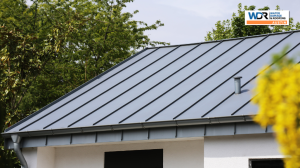
Common Concerns About Metal Roofing (And How to Address Them)

Common Concerns About Metal Roofing (And How to Address Them)

Metal roofing has become a popular choice for homeowners and businesses alike, thanks to its durability, energy efficiency, and sleek aesthetic appeal. However, despite its many benefits, some concerns and misconceptions still surround metal roofing.

At Austin Roofing Company & Water Damage | WDR, we’re here to address these concerns and provide clarity on why metal roofing is a smart investment for your property.

1. Is Metal Roofing Too Noisy?

One of the most common misconceptions about metal roofing is that it’s excessively noisy during rain or hailstorms. While it’s true that uninsulated metal roofs can amplify sound, modern metal roofing systems are designed with insulation and underlayment that significantly reduce noise.

roofing contractor inspecting gutters for roof issuesHow to Address It:

  • Install proper insulation layers and sound-deadening materials.
  • Use high-quality underlayment to minimize vibrations and sound transmission.
  • Ensure professional installation to optimize noise reduction techniques.
  • Highlight that modern metal roofs can be as quiet as traditional roofing materials when installed correctly.

For more insights, explore our guide on metal roofing installation.

2. Will Metal Roofing Rust Over Time?

Many people worry that metal roofs are prone to rust, especially in areas with high humidity or frequent rain. However, modern metal roofing materials are treated with protective coatings that prevent rust and corrosion.

How to Address It:

  • Opt for galvanized steel or coated metal panels with advanced corrosion-resistant finishes.
  • Schedule regular inspections to ensure the protective coatings remain intact.
  • Utilize touch-up pens designed for metal surfaces to repair minor scratches and prevent rust.

Check out how we address rust concerns with our metal roof repair services.

3. Is Metal Roofing Too Expensive?

While metal roofing typically has a higher upfront cost compared to traditional asphalt shingles, it offers long-term savings through durability, minimal maintenance, and energy efficiency.

How to Address It:

  • Highlight the reduced replacement and repair costs due to its lifespan of 40 to 70 years.
  • Emphasize energy savings from reflective coatings that reduce cooling costs by up to 30%.
  • Discuss financing options or rebates available for energy-efficient roofing systems.
  • Showcase how metal roofs increase property value, making them a worthwhile investment.

4. Can Metal Roofs Dent Easily?

Some homeowners worry that metal roofing may dent easily, especially during hailstorms or when debris falls on it. While certain thin-gauge materials may be prone to dents, most modern metal roofing is made from durable materials designed to withstand impact.

How to Address It:

  • Choose thicker panels or standing seam metal roofing for enhanced durability.
  • Invest in coated metal panels designed for impact resistance.
  • Work with a qualified roofing contractor to ensure proper installation and the use of high-grade materials.

5. Does Metal Roofing Attract Lightning?

A common myth is that metal roofs attract lightning strikes. In reality, metal roofing does not increase the likelihood of a lightning strike and is one of the safest roofing materials during thunderstorms.

How to Address It:

  • Metal roofs are non-combustible, meaning they won’t ignite if struck by lightning.
  • Grounding systems can be installed for additional safety, though they are often unnecessary.
  • Explain that metal roofing distributes electrical energy safely without increasing risks.

6. Does Metal Roofing Lack Aesthetic Versatility?

Some believe metal roofing is limited in design options, but this couldn’t be further from the truth. Modern metal roofs come in various styles, colors, and finishes to suit any architectural design.

How to Address It:

  • Explore options like standing seam, metal shingles, or metal wall panels.
  • Choose from a wide range of colors and finishes to match your property’s aesthetic.
  • Highlight the ability of metal roofs to mimic traditional materials like slate or tile.
  • Discuss the long-lasting vibrancy of metal roof finishes compared to other materials.

7. Does Metal Roofing Expand and Contract Too Much?

Metal roofing is known to expand and contract with temperature changes, which can cause issues if not properly installed. However, modern techniques and materials address this concern effectively.

How to Address It:red metal roof

  • Use standing seam systems or panels with concealed fasteners to allow for thermal movement.
  • Ensure professional installation with the right techniques to handle expansion and contraction.
  • Highlight how protective coatings and advanced engineering minimize the effects of thermal stress.

8. Is Metal Roofing Difficult to Install?

While metal roofing requires specialized skills, working with experienced contractors ensures a smooth installation process.

How to Address It:

  • Partner with a skilled and experienced installer to avoid common mistakes.
  • Ensure proper lifting devices and rollforming techniques are used for precise installation.
  • Discuss the importance of adhering to manufacturer guidelines to maintain warranties.

9. Does Metal Roofing Leak Easily?

Leaks are often a concern for homeowners, but properly installed metal roofs are among the most watertight roofing systems available.

How to Address It:

  • Work with a professional roofing contractor to ensure proper installation techniques.
  • Use high-quality sealants and fasteners to prevent water intrusion.
  • Schedule regular inspections to maintain the integrity of the roof.
  • Emphasize that advanced metal roofing systems include overlapping seams to prevent leaks.

10. Is Metal Roofing Environmentally Friendly?

Some question the environmental impact of metal roofing, but it is one of the most sustainable options available. Metal roofs are often made from recycled materials and can be fully recycled at the end of their lifespan.

How to Address It:person repairing a metal roof

  • Highlight the use of recycled and recyclable materials in metal roofing.
  • Emphasize the energy efficiency and reduced carbon footprint of metal roofs.
  • Discuss how metal roofs align with Austin’s eco-conscious building trends.
  • Point out that metal roofs support rainwater harvesting systems, further enhancing sustainability.

While there are concerns about metal roofing, most are based on outdated information or misconceptions. Modern metal roofing addresses these concerns with advanced materials, techniques, and professional installation. At Austin Roofing Company & Water Damage | WDR, we’re here to guide you through every step of the process, ensuring your investment in metal roofing is worry-free.

By choosing metal roofing, you’re not just enhancing your property; you’re investing in a durable, energy-efficient, and sustainable solution that will last for decades. Contact us today to explore how metal roofing can transform your property and provide peace of mind for years to come.

Top Benefits of Metal Roofing for Austin Homes and Businesses

Top Benefits of Metal Roofing for Austin Homes and Businesses

When considering roofing options in Austin, it’s no surprise that the metal roofing benefits are making it a top choice among homeowners and businesses. At Austin Roofing Company & Water Damage | WDR, we provide premium metal roofing solutions designed to enhance your property’s value and performance. Renowned for its durability, energy efficiency, and eco-friendly design, metal roofing offers long-term savings and enhances property value. Let’s dive into the key benefits of metal roofing and explore why it’s an excellent investment for your property.

Key Takeaways of Metal Roofing

  • Exceptional Durability: Withstands extreme weather, wildfires, and lasts 40 to 70 years.
  • Energy Efficiency: Reflective coatings and insulation cut cooling costs by 30%.
  • Eco-Friendly: Made from recyclable materials and supports sustainability.
  • Minimal Maintenance: Lightweight and designed for longevity with low upkeep.
  • Property Value Increase: Adds value through durability and energy savings.

Metal Roofs Durable and Long-Lasting

house with stone coated metal roofingFor Austin’s unpredictable weather, metal roofing is a standout option. Designed to resist hail, high winds, and even wildfires, it provides unmatched durability. Unlike traditional asphalt shingles, metal roofs don’t degrade under UV exposure or extreme temperatures, ensuring lasting performance.

With a lifespan of 40 to 70 years, metal roofing eliminates the frequent replacement costs associated with an asphalt shingle roof, which typically lasts 15 to 20 years. Additionally, warranties often cover defects, giving you peace of mind. For more insights, check out our blog on metal roof installation to learn about the process.

By choosing metal roofing, you’re not only investing in a robust roof but also contributing to the sleek, modern look of Austin’s diverse architectural landscape. Metal roofs are durable, constructed from resilient materials like steel and aluminum, and can withstand extreme weather conditions.

Energy Efficiency

Metal roofs are known for their energy-saving benefits, making them ideal for Austin’s hot climate. Reflective coatings and advanced insulation reduce heat absorption, slashing cooling costs by 20% to 30%.

Reflective Roof Coatings

Reflective roof coatings minimize heat absorption, leading to lower indoor temperatures and energy bills. In Austin, where the sun is relentless, this feature reduces thermal stress on your home and promotes sustainability.

Improved Insulation Properties

Metal roofs often come with specialized insulation that maintains consistent indoor temperatures. This reduces reliance on HVAC systems, cutting energy costs and contributing to a greener community. Learn more about how energy-efficient roofing materials can benefit your property.

Roofing Type Cooling Cost Savings (%)
Asphalt Shingles 5% – 10%
Tile Roofing 10% – 20%
Metal Roofing 20% – 30%
Single-Ply Membrane 15% – 25%
Wood Shingles 5% – 10%

Weather Resistance

Austin’s heavy rains, strong winds, and hailstorms call for a roofing solution built to withstand harsh conditions. Metal roofing is designed to resist weather damage, withstanding wind speeds up to 140 mph and minimizing water leakage. Discover why metal roofing repair is rarely needed due to its exceptional resilience.

Fire Safety

Fire-resistant metal roofs are non-combustible and boast a Class A fire rating, providing unparalleled protection in areas prone to wildfires. Unlike asphalt shingles, metal roofing doesn’t ignite, offering peace of mind for homeowners.

Eco-Friendly Metal Roofing Materials

metal roofing, clay roofing, asphalt shingles, and slate roofingSustainable roofing materials like metal roofs are an environmentally responsible choice. Often made from recyclable materials, they reduce landfill waste and can be fully recycled at the end of their lifespan. Additional eco-friendly benefits include:

  • Energy Efficiency: Reflects solar heat, reducing energy consumption.
  • Longevity: Minimizes resource use due to infrequent replacements.
  • Rainwater Harvesting: Smooth surfaces efficiently channel rainwater.

Choosing metal roofing means aligning with Austin’s push for sustainability, connecting you with a community that values environmental responsibility.

Aesthetic Appeal

Metal roofing combines functionality with aesthetic versatility. The aesthetic appeal of metal roofing is particularly beneficial for commercial buildings, offering a sleek and modern look that enhances the overall appearance of the property. Available in a variety of styles, colors, and finishes, it complements both historic and modern architecture. From standing seam panels to metal shingles mimicking slate or tile, you’ll find a design that enhances your property’s curb appeal.

Unlike traditional materials, metal roofs retain their vibrancy for decades, ensuring your property maintains its striking appearance.

Cost-Effectiveness

Long-Term Savings

While the upfront cost of metal roofing is higher than traditional roofing materials like asphalt shingles, the long-term savings are substantial. Its durability reduces replacement and repair costs, while energy efficiency slashes utility bills.

Minimal Maintenance

Metal roofs require little maintenance compared to traditional materials. Protective coatings prevent rust and degradation, and a simple rinse keeps the roof looking pristine.

Frequently Asked Questions

How does metal roofing perform in extreme heat?

Metal roofs excel in heat, reflecting solar radiation and reducing cooling costs, making them perfect for Austin summers.

Are metal roofs compatible with solar panels?

Yes, metal roofs are ideal for solar panel installations, providing a durable base and easy mounting.

What financing options are available for metal roofing?

Home improvement loans, personal loans, and roofing company financing plans are common options.

Does metal roofing help prevent pest infestations?

Absolutely. The hard surface deters pests from nesting or damaging the roof.

How does metal roofing impact home insurance rates?

Many insurers offer discounts for metal roofing due to its durability and fire resistance.

Are metal roofs noisy?

While some people find the sound of rain on metal roofs calming, others may be concerned about noise levels, especially during storms. Proper insulation and installation techniques can significantly reduce noise, making metal roofs comparable to traditional shingle roofs in terms of sound during adverse weather conditions.

Metal roofing offers unparalleled benefits for Austin homes and businesses. Its durability, energy efficiency, and eco-friendly nature make it a top choice for property owners. Investing in metal roofing with Austin Roofing Company & Water Damage | WDR will enhance your property’s value and join a community committed to sustainability and innovation. Contact us today to explore how metal roofing can transform your property.

Roof Inspection for Different Roofing Materials

Roof Inspection for Different Roofing Materials

Roof inspections are vital for maintaining your home’s safety and longevity, but not all roofs are the same. A roof inspection is a standard procedure by roofing contractors to assess a roof for potential repairs or replacement. Different roofing materials require unique inspection methods to uncover specific vulnerabilities and ensure their durability. At Austin Roofing Company & Water Damage | WDR, we specialize in thorough roof inspections tailored to the material type, whether asphalt shingles, metal, tile, or wood.

This guide will walk you through the tools and techniques professionals use to inspect various roofing materials, ensuring you’re well-informed about what keeps your roof in top condition.

Why Roofing Material Matters for Inspections

Roofing materials differ in structure, durability, and susceptibility to environmental factors. These differences affect how inspections are conducted. For instance, asphalt shingles may show wear through granule loss, while metal roofs might reveal issues like rust or loose fasteners. Understanding these nuances ensures that inspections address specific problems, minimizing the risk of undetected damage.

Hiring a roofing contractor for a professional inspection tailored to your roofing material provides a detailed assessment that helps homeowners maintain their roofs, prevent costly repairs, and extend their lifespan. Roofing contractors conduct thorough inspections and provide detailed reports and estimates for any necessary repairs or replacements, making them essential for accurate assessments.

Roof Inspection Techniques by Material

1. Asphalt Shingle Roofs

  • roofing contractor inspecting gutters for roof issuesCommon Issues: Cracked, curling, or missing shingles; granule loss; damaged flashing.
  • Inspection Focus: A roof inspector examines shingle granules, flashing, and gutter debris for signs of wear or water damage. Missing or loose shingles are noted for immediate repair.
  • Tools Used: High-resolution cameras capture damage details, while moisture meters detect hidden leaks.

Asphalt shingles are one of the most popular roofing materials, but exposure to harsh weather can lead to significant wear over time. A thorough inspection ensures these issues are caught early. For more information on maintaining your shingle roof, check out our guide on Steps to Repair Asphalt Shingle Roof.

2. Metal Roofs

  • Common Issues: Rust, loose fasteners, and thermal expansion damage.
  • Inspection Focus: Professionals inspect seams, fasteners, and corrosion-prone areas. Additionally, they evaluate the roof’s overall alignment for signs of buckling.
  • Tools Used: Infrared scanners detect trapped moisture beneath panels, while cameras document surface conditions.

Metal roofing is known for its durability, but it requires regular inspections to address potential weaknesses. Corrosion and fastener issues, if left unchecked, can lead to more significant problems over time.

3. Tile Roofs

  • Common Issues: Cracked or displaced tiles, damaged underlayment, and moss or algae growth.
  • Inspection Focus: Inspectors check for broken tiles and evaluate the underlayment and roof deck, which often suffer from water damage or aging. Tile alignment is also carefully assessed.
  • Tools Used: Binoculars for surface assessments and moisture meters to test for hidden water damage.

Tile roofs offer longevity and aesthetics, but their inspection is critical to identify small cracks or displacement, which can lead to leaks and structural damage.

4. Flat Roofs

  • Common Issues: Ponding water, punctures, and seam separation.
  • Inspection Focus: Professionals assess roof slope, drainage systems, membrane integrity, and any pooling water that could lead to leaks or structural issues.
  • Tools Used: Core sampling tools help evaluate the membrane layers, while infrared scanners detect moisture.

Flat roofs are typical in commercial buildings, but their design makes them prone to water pooling. A thorough inspection ensures that drainage systems function correctly and the roofing membrane is intact. If you’re dealing with flat roof issues, our comprehensive guide on How Much Does Flat Roof Installation Cost? provides valuable insights.

5. Wood Roofs (Shakes and Shingles)

  • contractors inspecting the roofCommon Issues: Rot, insect damage, and warping.
  • Inspection Focus: Inspectors look for signs of decay, moisture retention, and proper ventilation to prevent long-term damage. Evaluating the roof structure is essential to ensure the wood’s integrity and the supporting framework’s stability.
  • Tools Used: Probing tools assess the wood’s integrity, and cameras capture hard-to-see areas.

Wood roofs add charm and natural beauty to a home but are also highly susceptible to rot and insect damage. Regular inspections are crucial for maintaining their durability.

Challenges in Inspecting Different Roofing Materials

Weather-Related Damage

Each material reacts differently to weather conditions, making it crucial to assess the roof’s condition after severe weather. For example, hail can dent metal roofs but crack tiles, while high winds may loosen shingles or cause them to tear away entirely.

Hidden Issues

Certain materials, like flat or wood roofs, can conceal damage beneath the surface. A comprehensive roof inspection is crucial as it involves a thorough evaluation process to uncover hidden problems and ensure nothing is overlooked. Professionals use advanced tools to detect these issues, maintaining the roof’s condition and safety.

Why Professional Roof Inspections Are Essential

Expertise in Material-Specific Techniques

Inspectors with experience in different roofing materials can spot subtle issues that might go unnoticed during a general inspection. For instance, they know how to assess the underlayment in tile roofs or detect corrosion in metal seams.

Advanced Tools for Precision

Professional tools, such as infrared scanners and moisture meters, are essential for conducting a thorough structural inspection, providing insights beyond what the eye can see. These tools are crucial for detecting hidden damage and ensuring accurate assessments.

Prevention of Costly Repairs

Early detection of material-specific problems, including a thorough roof inspection, can save homeowners thousands of dollars by addressing minor issues before they escalate.

At Austin Roofing Company & Water Damage | WDR, we combine expert knowledge with cutting-edge tools to provide accurate and reliable inspections tailored to your roofing material. Learn how professional inspections prevent costly repairs by reading our blog on The Importance of Regular Roof Inspections.


FAQs About Roof Inspections for Different Materials

What roofing material requires the most frequent inspections?

Wood roofs need frequent inspections due to their vulnerability to rot, moisture, and insect damage.

Can a homeowner inspect different roofing materials themselves?

While homeowners can conduct essential visual inspections, professional roofing inspections are recommended to detect hidden issues accurately.

How does weather affect roof inspections for various materials?

Severe weather impacts different materials uniquely, requiring specific inspection techniques to identify damage effectively.

What tools are commonly used for roof inspections?

Infrared scanners, moisture meters, high-resolution cameras, and core sampling tools are among the most commonly used tools.

Roof inspections tailored to the specific material of your roof are essential for maintaining its durability and preventing costly repairs. Whether it’s asphalt shingles, metal, tile, flat roofs, or wood, each material demands a unique approach to inspection. At Austin Roofing Company & Water Damage | WDR, we pride ourselves on delivering comprehensive roof inspections designed to meet the unique needs of every homeowner. Contact us today to schedule your professional roof inspection and ensure your home remains safe and secure.

Roof Inspection Tools: What Professionals Use

Roof Inspection Tools: What Professionals Use

Roof inspections are critical for maintaining the structural integrity of your home, but the process is far from simple. Professionals rely on advanced tools to ensure thorough, accurate assessments of your roof’s condition. At Austin Roofing Company & Water Damage | WDR, we combine cutting-edge technology with years of expertise to deliver comprehensive roof inspections. This guide will explore the essential tools professionals use, why they matter, and how they enhance the inspection process. Whether you’re a homeowner or simply curious about how inspections work, this article will leave you well-informed about the importance of having the right tools.

Essential Tools for a Thorough Roof Inspection

Essential roof inspection tools are critical for professional roof inspections, which are meticulous and require a combination of safety, visual, and diagnostic tools. Here’s a breakdown of the essential equipment used:

Safety Tools

metal roof repair safety measuresSafety is a top priority for roof inspectors. These tools ensure that inspections are conducted without risk to the inspector or damage to your property.

  • Safety Harness and Lanyards: Inspectors use these to secure themselves while working at heights, especially on steep or slippery roofs. Wearing a safety harness is crucial for preventing falls.
  • Non-Slip Shoes: Specialized footwear provides traction on various surfaces, preventing slips and falls during inspections.
  • Knee Pads: Roof inspectors often need to kneel while assessing various areas of the roof. Knee pads are essential for comfort and protection during the inspection process.

Visual Inspection Tools

Visual assessment tools allow inspectors to identify surface-level issues and document findings effectively.

  • Binoculars: These are perfect for spotting distant damage, like cracked shingles or missing tiles, without the need to climb on the roof.
  • High-Resolution Cameras: Professionals use cameras to capture clear, detailed images of the roof’s condition. These images are often included in the roof inspection report for documentation or insurance purposes.
  • Drones: Drones are increasingly popular for inspecting steep, multi-story roofs or hard-to-reach areas. They provide high-definition aerial views, ensuring every corner of the roof is thoroughly examined.

Having a comprehensive roof inspections vs. Expertise: Why You Need Bo

Water damage is one of the most common roofing issues, and detecting it early can save homeowners significant costs.

  • Infrared Scanners: These advanced tools detect temperature differences, helping professionals locate hidden leaks or trapped moisture under the roofing material.
  • Moisture Meters: Inspectors use these handheld devices to measure moisture levels in the attic, underlayment, or shingles, pinpointing areas of concern. Moisture meters are essential for detecting hidden moisture that could indicate leaks or potential water intrusion, making them crucial for both construction and routine inspections.

For a deeper understanding of how moisture issues affect your roof, check out our guide on 10 Signs of a Roof Leak.

Structural Assessment Tools

Structural integrity is just as important as surface condition. These tools ensure the roof’s framework is stable and aligned.

  • Measuring Tapes and Levels: Used to evaluate the roof’s alignment and detect sagging areas that may indicate structural weaknesses.
  • Roof Cores: Core sampling tools help assess the layers and condition of flat or commercial roofs, providing critical insights into their durability.

Tools like the Roof Snake can also install new shingles efficiently, ensuring proper alignment without damaging existing shingles or the surrounding area.

Why Professional Tools Matter

Accuracy and Efficiency

Advanced tools enable professionals to detect issues that might go unnoticed during a visual inspection. For example, infrared scanners can identify water damage under the surface, ensuring no problems are overlooked. Tools like drones also allow for faster inspections, saving time while covering more ground.

Enhanced Documentation

High-quality cameras and drones ensure detailed documentation, critical for roof inspection reports. These records are invaluable for homeowners when filing insurance claims or scheduling repairs.

Ensuring Safety

Safety tools, such as harnesses and lanyards, protect inspectors from accidents, allowing them to focus on providing a thorough and accurate assessment without compromising their well-being.

Learn more about how detailed documentation from tools like cameras and drones is essential in our post about The Importance of Regular Roof Inspections.

Tools vs. Expertise: Why You Need Both

While tools are essential for a successful roof inspection, but they’re only as effective as those using them. Professional roof inspectors possess the expertise to interpret data, identify potential problems, and recommend appropriate solutions. For example:

  • Infrared Scanners: A trained inspector can differentiate between normal temperature variations and those caused by water infiltration.
  • Drones: While drones provide a clear view, only an expert can analyze footage to pinpoint areas needing repair.

If you’re wondering whether to handle roof inspections independently, read our article on DIY vs Professional Roof Inspection: What’s Best for Your Home for a clear comparison.


FAQs About Roof Inspection Tools

What tools do professionals use to detect roof leaks?

Professionals use infrared scanners to identify temperature changes and moisture meters to measure dampness, which help detect hidden leaks. A high-quality utility knife is also essential for various roofing tasks, such as opening boxes and cutting materials.

Are drones always used during roof inspections?

Not always. Drones are typically reserved for steep or multi-story roofs. For smaller or accessible roofs, traditional tools like cameras and binoculars are often sufficient.

Can homeowners buy these tools for DIY inspections?

While some tools, like binoculars, are affordable, others, such as infrared scanners, are expensive and require specialized training.

How do professionals ensure their safety during inspections?

Inspectors use safety gear, including safety harnesses, non-slip shoes, and other protective equipment, to minimize risks while working at heights.

Benefits of Using Professional Tools

Thorough Assessments

Professional tools ensure no issue is overlooked, from surface damage to hidden moisture problems.

Insurance Claim Support

Detailed documentation from tools like cameras and drones makes the claims process smoother and more effective.

Long-Term Savings

Early detection of issues helps homeowners address small problems before they escalate into costly repairs.


Understanding the tools used in roof inspections highlights the precision and expertise required. These tools ensure accurate assessments, from safety gear to advanced technology like drones. At Austin Roofing Company & Water Damage | WDR, we merge top-notch tools with expertise to keep your roof in prime condition. Contact us today to schedule your professional roof inspection.

The Role of Roof Inspections in Insurance Claims

The Role of Roof Inspections in Insurance Claims

Roof inspection play a crucial role in insurance claims, providing documented proof of your roof’s condition before and after an incident. Homeowners must understand this process to ensure claims are approved and accurately assessed under a homeowner’s insurance policy. At Austin Roofing and Water Damage | WDR, we’ve helped countless homeowners navigate the complexities of roofing inspection and insurance claims.

In this blog, we’ll explore why roof inspections matter for insurance, how they work, and what steps to take when filing a claim.

Why Roof Inspections Are Vital for Insurance Claims

1. Establishing the Roof’s Condition Before Damage

A professional clearly records your roof’s condition before any damage occurs. Insurance companies often require evidence to confirm whether an issue is pre-existing or caused by a covered event, such as a storm or fire. This baseline report ensures transparency in the claims process and can significantly impact your insurance coverage, potentially leading to lower premiums or preventing coverage denial.

2. Documenting Damage Post-Incident

After an incident, such as a hailstorm or severe winds, a roof inspection becomes critical for documenting the extent of roof damage. Detailed reports, including photos and assessments, provide insurance adjusters with the necessary information to process your claim.

3. Supporting Your Insurance Claim

Roof inspections create a strong foundation for your claim by offering detailed, professional documentation. This can help avoid disputes or delays in receiving compensation to repair or replace your roof.


How Roof Inspections Fit Into the Insurance Claim Process

Navigating the insurance claim process can feel overwhelming, especially without clear guidance. Here’s how roof inspections integrate into the process of roof repair and insurance claims:

Step 1: Schedule a Professional Roof Inspection

After a storm or significant weather event, your first step should be to call a trusted roofing company, like Austin Roofing and Water Damage | WDR, for a detailed inspection. A comprehensive roof inspection should include an interior inspection where the ceilings, attic, and walls within the home are examined for signs of current or past roof leaks and damage. Professionals will assess the damage, documenting areas affected by hail, wind, or other hazards. This inspection not only identifies visible signs of roof damage but also uncovers hidden issues like structural damage or moisture infiltration, which could compromise your roof’s performance and affect your insurance claim.

Step 2: File Your Insurance Claim

Use the roof inspection report to provide evidence of damage. Most insurance providers require documentation, including photos and detailed assessments, before processing your claim. Maintaining open communication with your insurance company is crucial during this process to ensure all necessary information is provided. Be sure to file promptly; many policies have time limits for reporting damage. Prompt filing not only meets policy requirements but also helps expedite the claims process, reducing the financial risk of prolonged roof damage.

Step 3: Work with an Insurance Adjuster

Insurance adjusters will review the report to verify the claim. Your roofing contractor can often communicate directly with the adjuster to clarify technical details or answer questions. This collaboration is vital as it ensures that all aspects of the roof damage are accurately represented and considered in the claim assessment. Having a reputable roofing contractor involved can also help in negotiating the scope of necessary repairs or replacements, ensuring that the claim adequately covers all costs.

Step 4: Approve Repairs or Replacement

Once the claim is approved, work with your roofing contractor to finalize roof repairs or a roof replacement. The inspection report ensures that repairs address all documented issues, reducing the risk of future disputes or needing frequent repairs. A well-maintained roof not only restores your home’s curb appeal but also helps maintain lower insurance premiums by demonstrating proactive maintenance and minimizing potential future claims. This step is crucial in safeguarding your property against further damage and ensuring that all repairs are completed to professional standards, using quality roofing materials that enhance the roof’s longevity and energy efficiency.

Key Benefits of Roof Inspections for Insurance Claims

1. Faster Claim Processing

One of the most significant advantages of having a professional inspection your roof is the speed it brings to the claims process. When you submit a detailed roof inspection report, it ensures that insurance adjusters have all the critical information they need to process your claim quickly. These reports typically include photographs, measurements, and comprehensive descriptions of the damage, leaving no room for ambiguity. By eliminating guesswork and providing clear, upfront evidence, a roof inspection can reduce back-and-forth communications with the insurance company, expediting the review and approval process.

For homeowners facing significant roof damage after a storm, faster processing can mean quicker repairs and reduced exposure to further damage, such as water intrusion or structural issues.

To better understand how roof inspections streamline insurance claims, check out our guide on Roofing Damage Insurance Claims

2. Accurate Damage Assessment

Roof damage isn’t always visible to the untrained eye. Professional inspectors are equipped with the knowledge and tools to identify even the most subtle issues, such as hidden leaks, weakened underlayment, or damaged flashing. They also check for more obvious problems like cracked, missing, or curled shingles. By conducting a thorough assessment, inspectors can uncover vulnerabilities that might otherwise be overlooked.

This detailed evaluation ensures that the insurance claim reflects the full extent of the damage, maximizing your compensation. For example, what might appear to be a small dent caused by hail could indicate deeper damage to the roof’s structure, which would require more extensive repairs. Having an accurate damage assessment prevents underestimations that could leave you covering repair costs out of pocket.

For a deeper look at spotting roof issues early, read our post on Signs You Need a Roof Inspection Immediately.

3. Avoiding Claim Denials

Without sufficient documentation, insurance companies may deny claims on the grounds of insufficient evidence. This is where a professional roof inspection can make a significant difference. The detailed report provided by a qualified inspector serves as undeniable proof of damage, complete with photographic evidence and expert commentary.

This documentation not only supports your claim but also preempts potential disputes with the insurance company. For example, if an adjuster questions whether the damage was caused by a recent storm or pre-existing wear and tear, the inspection report can clarify the timeline and origin of the damage, strengthening your case. Ultimately, a well-documented roof inspection minimizes the chances of your claim being denied.

Learn more about the importance of documentation in our article on Roof Inspection Mistakes to Avoid.

4. Peace of Mind

Navigating the insurance claims process can be stressful, especially when significant damage to your roof puts your home at risk. Knowing your roof has been professionally inspected by an expert can provide much-needed peace of mind. A thorough inspection ensures that no issues have been missed, giving you confidence that your claim covers all necessary repairs or replacements.

Additionally, the knowledge that your roof’s condition has been fully documented equips you to advocate for fair compensation with your insurance provider. Whether you’re dealing with storm damage or preparing for future repairs, having this level of assurance can help you focus on restoring your home without unnecessary worry.

Common Scenarios Where Roof Inspections Are Essential

1. Hail Damage

Hailstorms often cause significant damage, from cracked shingles to dents in flashing. A roof inspection can pinpoint these issues and document the extent of the damage.

2. Wind Damage

High winds can lift shingles, damage flashing and even displace roof sections. Inspectors will check for these problems and provide evidence for your claim.

3. Water Damage

Leaking roofs can lead to water stains, mold, and rot. A professional inspection identifies these issues, ensuring they’re included in your claim.

4. Fire Damage

Even if a fire doesn’t destroy the roof entirely, heat and smoke can weaken its structure. Inspections ensure all damage is accounted for during the claims process.


Benefits of Roof Inspections in Insurance Claims

Benefit Explanation
Faster Claim Processing Reports provide adjusters with detailed evidence, speeding up the claim review.
Accurate Damage Assessment Identifies all visible and hidden damage to maximize your claim.
Avoiding Claim Denials Ensures sufficient evidence to support your claim.
Peace of Mind Provides confidence in the accuracy of your claim.

FAQs About Roof Inspections and Insurance Claims

What is included in a roof inspection report?

A roof inspection report typically includes photos, descriptions of the damage, and recommendations for repairs or replacement.

Do I need a roof inspection even if the damage isn’t visible?

Yes, some damage, such as leaks or weakened underlayment, may not be immediately visible. A professional inspection ensures no issues are overlooked.

How often should I schedule roof inspections?

It’s recommended to have your roof inspected annually and after major weather events.

Can a roofing contractor help with my insurance claim?

Yes, contractors like Austin Roofing and Water Damage | WDR often work with insurance adjusters to clarify technical details and ensure claims are processed correctly.

Roof inspections are a critical step in the insurance claims process, providing the documentation and clarity needed to secure fair compensation. From pre-damage assessments to post-incident reports, these inspections ensure you’re fully prepared to navigate the complexities of insurance claims. At Austin Roofing and Water Damage | WDR, we specialize in professional roof inspections that help homeowners protect their investments and avoid unnecessary delays in their claims. Contact us today to schedule your inspection and take the first step toward protecting your home.