Standing Seam vs. Exposed Fastener Metal Roofs: Which One’s Better?

Standing Seam vs. Exposed Fastener Metal Roofs: Which One’s Better?

TL;DR

Standing seam metal roofs offer a cleaner aesthetic, hidden fasteners, and superior weather protection, making them ideal for modern Austin homes. Exposed fastener roofs are more budget-friendly and easier to install, but require more maintenance over time. Select options based on your budget, style, and local weather conditions.

Introduction

Metal roofing is becoming increasingly popular across Texas, notably in Austin, where frequent heat, storms, and hail pose challenges. Two standard systems dominate the market: standing seam and exposed fastener metal roofs. Each has its strengths and trade-offs. This guide breaks down both options to help you make the right decision for your home or building.

What Is Standing Seam Metal Roofing?

metal roofingStanding seam roofs utilize long, vertical standing seam panels, which are metal panels featuring raised seams that run continuously from the ridge to the eave. These standing seam panels interlock at the panel edges, where the seams are either mechanically seamed or utilize a snap-lock system for secure attachment and enhanced water resistance. The concealed fasteners and interlocking panel edges contribute to a clean, modern look and superior durability. Painted aluminum is a popular material option for standing seam panels, offering a customizable, modern appearance and excellent durability.

Features:

  • Hidden fasteners (secured beneath the panel seams)
  • Continuous panel lengths from ridge to eave
  • Commonly made from steel or aluminum

Benefits:

  • Water-tight design
  • Clean architectural lines
  • Less prone to leaks and corrosion

What Is Exposed Fastener Metal Roofing?

An exposed fastener metal roof is a system in which panels are fastened directly to the roof deck using visible screws. Exposed fastener panels, such as R-panel or corrugated panels, are a common type known for their affordability, traditional appearance, and ease of installation, making them accessible for DIY projects. There are various exposed fastener options available for different roof designs, allowing homeowners to choose the best fit for their needs.

An exposed fastener system refers to this roofing approach, which features visible fasteners, offering advantages such as lower cost and quicker installation. However, it also presents disadvantages, including increased maintenance needs, potential water penetration, and a less streamlined appearance compared to standing seam systems. An exposed fastener roof, also known as exposed fastener roofing, is commonly used for barns, sheds, and other outbuildings due to its straightforward installation and cost-effectiveness. Exposed fastener roofing systems are a popular category for budget-conscious projects, but they require more maintenance over time.

Fastener panels, including corrugated panels, are widely available and are a practical choice for those seeking cost-effective and easy-to-install roofing solutions. Fastener roofing, when compared to standing seam systems, involves more penetrations in the roof, which can lead to higher maintenance and potential leak issues; however, it remains a popular option for many non-residential and DIY applications.

Features:

  • Fasteners are visible on panel surfaces
  • Typically wider panel widths
  • Easier to install

Benefits:

  • More affordable
  • Faster installation
  • Widely available materials

Metal Roofing Materials: What Are Your Options?

metal roofing, clay roofing, asphalt shingles, and slate roofingWhen it comes to metal roofing, homeowners have a variety of materials and styles to choose from. The most popular options include standing seam metal roofs, exposed fastener metal roofs, and metal shingles.

Standing seam metal roofs are known for their sleek, modern appearance, thanks to concealed fasteners that create uninterrupted lines across the roof. This design not only looks great but also enhances durability and weather resistance.

Exposed fastener metal roofs, sometimes referred to as R-panel or corrugated metal roofing, feature visible fasteners that give the roof a distinctive, industrial appearance. These exposed fastener metal roofing systems are often chosen for their affordability and straightforward installation process.

Both standing seam and exposed fastener metal roofs use durable metal panels, but they differ in how those panels are attached and how they perform over time. When selecting metal roofing materials, consider factors such as longevity, energy efficiency, and the overall aesthetic you desire for your home. Metal roofs—whether standing seam, exposed fastener, or even metal shingles—offer excellent protection against the elements, require less maintenance than traditional roofing materials, and can help lower energy bills thanks to their reflective properties.

Regardless of the style you choose, metal roofing systems offer a strong, attractive, and energy-efficient solution for both residential and commercial properties.

Key Differences Between the Two

Feature Standing Seam Exposed Fastener
Fasteners Hidden Visible
Leak Resistance High (no penetrations) Moderate (penetrates panels)
Maintenance Low Higher
Aesthetics Sleek and modern Industrial or rustic
Lifespan 40–70 years 20–40 years
Cost (initial installation costs per square foot) Higher Lower

Note: The choice of roofing material, such as standing seam or exposed fastener panels, affects initial installation costs per square foot, installation complexity, and long-term performance.

Pros and Cons of Standing Seam Metal Roofs

Pros

  • Hidden fasteners reduce potential leaks
  • Minimal maintenance required
  • Elegant, contemporary appearance
  • High wind and weather resistance

Cons

  • Higher initial cost
  • Longer installation time
  • May require specialty tools and trained crews

Learn more about metal roofing services in Austin to explore design and material options.

Pros and Cons of Exposed Fastener Metal Roofs

Pros

  • Lower upfront cost
  • Faster installation
  • Good performance for budget-conscious projects

Cons

  • Fasteners may loosen or back out over time
  • Increased chance of water infiltration
  • More visible wear and tear in harsh climates

Maintenance Requirements: What to Expect Over Time

One of the most significant differences between standing seam metal roofs and exposed fastener metal roofs is the amount of maintenance they require over time.

Standing seam metal roofs are designed with concealed fasteners, which means the hardware is protected from rain, sun, and wind. This hidden fastener system dramatically reduces the risk of leaks, rust, and other weather-related issues, resulting in minimal maintenance for homeowners. Occasional inspections and basic cleaning are usually all that’s needed to keep a standing seam metal roof in top shape.

Exposed fastener metal roofs, on the other hand, have visible fasteners that are directly exposed to the elements. Over time, these fasteners can loosen, back out, or even allow water to seep in, especially after severe weather. Regular maintenance is essential for exposed fastener roofs—this includes checking for loose screws, replacing worn fastener heads, and inspecting for any signs of leaks or panel damage. Without regular maintenance, exposed fastener metal roofing can be more prone to costly repairs in the future.

In summary, if you want a roofing system that requires minimal maintenance and offers long-term peace of mind, a standing seam metal roof is a great choice. If you opt for an exposed fastener metal roof, be prepared for more hands-on maintenance to ensure your roof stays watertight and secure.

Energy Efficiency: How Do They Stack Up?

Energy efficiency is a significant selling point for both standing seam metal roofs and exposed fastener metal roofs. However, there are some differences in how each system performs.

Standing seam metal roofs often lead the way in energy efficiency. Their smooth, continuous panels and concealed fasteners create a tight seal, helping to prevent heat transfer. When paired with reflective coatings, standing seam metal roofing can significantly reduce heat absorption, keeping your home cooler during Austin’s hot summers and lowering your energy bills.

Exposed fastener metal roofs can also be energy-efficient, especially when installed with high-quality reflective coatings. However, the visible fasteners and panel overlaps can create small gaps, which may slightly reduce the roof’s overall ability to block heat. Even so, exposed fastener metal roofing still outperforms many traditional roofing materials in terms of energy savings.

Both standing seam and exposed fastener metal roofs can be tailored to meet energy-efficient standards, making them wise choices for eco-conscious homeowners. If maximizing energy efficiency is your top priority, standing seam metal roofs with reflective coatings are hard to beat.

Suitable for Low-Slope Applications

Have You Experienced Leaks On Metal RoofsNot all metal roofs are created equal when it comes to low-slope applications. The design and installation requirements of each system play a significant role in their suitability for roofs with a gentle pitch.

Standing seam metal roofs are generally recommended for roof slopes of 3:12 or greater. Their raised seams and concealed fasteners are designed to shed water efficiently; however, they require sufficient slope to prevent water from pooling and causing leaks.

Exposed fastener metal roofs are more versatile for low-slope roofs and can be installed on slopes as low as 1:12. However, because exposed fastener roofs have visible fasteners and panel overlaps, extra care must be taken during installation to prevent water infiltration. Additional sealants or underlayment may be required to ensure proper water shedding and long-term performance.

Suppose you’re considering a metal roof for a low-slope application. In that case, it’s essential to consult with a roofing professional who understands the unique challenges of both standing seam and exposed fastener metal roofs. The right choice will depend on your roof’s design, your budget, and your long-term maintenance preferences.

Maintenance Requirements: What to Expect Over Time

One of the most significant differences between standing seam metal roofs and exposed fastener metal roofs is the amount of maintenance they require over time.

Standing seam metal roofs are designed with concealed fasteners, which means the hardware is protected from rain, sun, and wind. This hidden fastener system dramatically reduces the risk of leaks, rust, and other weather-related issues, resulting in minimal maintenance for homeowners. Occasional inspections and basic cleaning are usually all that’s needed to keep a standing seam metal roof in top shape.

Exposed fastener metal roofs, on the other hand, have visible fasteners that are directly exposed to the elements. Over time, these fasteners can loosen, back out, or even allow water to seep in, especially after severe weather. Regular maintenance is essential for exposed fastener roofs—this includes checking for loose screws, replacing worn fastener heads, and inspecting for any signs of leaks or panel damage. Without regular maintenance, exposed fastener metal roofing can be more prone to costly repairs in the future.

In summary, if you want a roofing system that requires minimal maintenance and offers long-term peace of mind, a standing seam metal roof is a great choice. If you opt for an exposed fastener metal roof, be prepared for more hands-on maintenance to ensure your roof stays watertight and secure.

Which One Is Better for Austin Homes?

In Austin’s climate, where extreme heat and hailstorms are common, standing seam roofs have a clear edge in durability and longevity, making them a popular choice for residential buildings due to their modern appearance and superior protection. Their concealed fasteners reduce the risk of leaks and provide better thermal movement.

The best system for your roofing project depends on your specific needs, including your budget, aesthetic preferences, and the type of building. When installing a new roof, remember that the selection of the fastening system—standing seam or exposed fastener—will impact long-term performance and maintenance.

That said, exposed fastener systems may still be a good choice for:

  • Detached garages or sheds
  • Budget-conscious homeowners
  • Properties not subject to HOA restrictions

Seeking additional roof replacement tips and guidance? Check out our complete Austin guide.

Cost Comparison in Austin

Roofing Type Estimated Cost (Installed)
Standing Seam $10 to $16 per sq. ft.
Exposed Fastener $5 to $9 per sq. ft.

Note: The cost per square foot depends on the type of metal roof panels selected, such as standing seam or exposed fastener, and the complexity of their initial installation. Prices can also vary based on the complexity of the roof, materials used, and the installer’s experience. Learn more about roofing costs in Austin.

Installation Considerations

  • Roof Pitch: Standing seam works best with steep slopes; exposed fasteners are more forgiving
  • Home Value: Standing seam may boost curb appeal and resale value
  • Warranties: Standing seam systems often come with better manufacturer warranties
  • Fastening Systems: The choice between exposed and concealed fastening systems significantly impacts installation time, long-term performance, and maintenance requirements.
  • Roof Material: Choose the right roof material for your climate and building needs to ensure compatibility, optimal energy efficiency, and long-term durability.
  • Proper Installation: Ensure your roof is installed correctly with secure fasteners to prevent leaks and maximize durability.

Work with an experienced Austin roofing contractor who understands the unique challenges of our climate and code requirements.

Final Thoughts
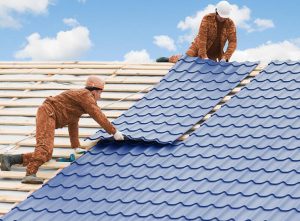
Roofers Working With Metal TileChoosing between standing seam and exposed fastener metal roofs isn’t about which is “best”—it’s about what’s right for your home and your building’s needs. The choice of roof material and metal roofing system should be based on your long-term goals, whether for residential, commercial, or agricultural buildings.

Metal panel roofs are commonly used on agricultural buildings, such as barns and sheds, for their practicality and durability. Compared to asphalt shingles and asphalt shingle roofs, metal roofs generally offer greater durability, longer lifespan, and require less maintenance.

If you prioritize aesthetics, longevity, and low maintenance, opt for a standing seam. Standing seam roofs are also highly compatible with solar panels due to their design, which allows for easy installation without requiring roof penetrations.

If you’re managing a tighter budget but still want the advantages of metal, exposed fastener roofs may be a clever compromise.

Want more local roofing insights? Check out our:

Seeking trusted assistance in your area? Visit our North Austin Roofing team or check out our Austin Local Living Guide for insights beyond roofing.

What Is Metal Roofing? Types, Materials, and Pros Explained

What Is Metal Roofing? Types, Materials, and Pros Explained

TL;DR

Metal roofing is a durable, long-lasting, and energy-efficient alternative to traditional shingles, offering a wide range of metal roof materials, including copper, steel, and aluminum. It comes in various types, like standing seam and exposed fastener, with materials ranging from steel to aluminum. Homeowners in Austin choose metal roofs for their exceptional performance in extreme heat, low maintenance requirements, and a lifespan of 40 years or more.

What Is Metal Roofing?

house with stone coated metal roofingMetal roofing is a system made of large metal panels or tiles designed to protect buildings from the elements. Unlike traditional asphalt shingles and other traditional roofing materials such as clay tiles and wood shakes, metal roofs offer superior durability, energy efficiency, and longevity, often lasting 40 to 70 years with proper maintenance.

It’s available in a variety of styles, profiles, and finishes to match architectural designs for homes, residential roofing, commercial structures, and modern construction in Austin. Compared to common roofing material choices in the US, such as asphalt shingles, metal roofing offers enhanced performance and long-term value.

Types of Metal Roofing

Standing Seam

This high-end option features raised seams that interlock and conceal fasteners. Known for its clean lines, it’s ideal for modern homes and commercial buildings.

Exposed Fastener

A more cost-effective system where panels are secured using exposed fasteners, which are visible on the panel surface. Some exposed fastener panels use a fastener flange for attachment, allowing the fasteners to be partially hidden for a cleaner appearance. Popular for residential and agricultural buildings.

Metal Shingles & Tiles

Mimic the look of asphalt, slate, or wood shake while offering the benefits of metal.

Stone-coated metal shingles are another option, combining the aesthetic appeal of traditional stone and asphalt shingles with the superior durability and weather resistance of metal roofing.

Compared to traditional tile roofing, such as clay or concrete tiles, metal tiles are much lighter, more durable, and require less maintenance, while still providing a similar visual appeal.

Common Metal Roofing Materials

Choosing the right metal roof material is crucial, as the type of metal you select—such as steel, aluminum, copper, or zinc—directly impacts the roof’s performance, durability, lifespan, and cost. Each type of metal offers unique benefits and considerations, making it essential to compare options based on your needs and budget.

Material Pros Notes
Steel Strong, affordable, recyclable Steel roofs are the most common in Austin and are known for their durability and versatility.
Aluminum Lightweight, rust-resistant Great for coastal or humid regions
Copper Extremely durable, unique patina High cost; often used decoratively
Zinc Self-healing, low maintenance Expensive; rarely used residentially
Galvalume Steel core + aluminum-zinc coating Offers rust protection and affordability

Material costs and the cost of a metal roof vary significantly depending on the type of metal chosen, and these material costs typically make up a large portion of the total project expense. The initial cost of some metals, such as copper or zinc, is higher, but this is often offset by their exceptional longevity and low maintenance requirements.

Before installation, it is essential to evaluate the roof deck and roof structure to ensure they can support the chosen metal roofing system and provide proper insulation and moisture protection.

Most metal roofs last significantly longer than other roofing materials, with many exceeding a 50-year service life.

Pros of Metal Roofing

Metal roofing offers numerous advantages for homeowners seeking a reliable and efficient roofing solution:

house with metal roofingLongevity – Can last 40–70 years
Durability – Withstands wind, hail, fire, and falling debris
Energy Efficiency – Metal roofs reflect heat, including the sun’s heat, which reduces energy costs and the need for air conditioning by keeping your home cooler and lowering cooling expenses
Low Maintenance – Requires minimal maintenance; occasional cleaning and inspections suffice
Recyclability – 100% recyclable at the end of its life
Lightweight – Metal is a lightweight roof option, putting less strain on your home’s structure

Cons to Consider

⚠️ Higher Upfront Cost – More expensive than asphalt shingles
⚠️ Noise Potential – Without proper insulation, rain can be louder
⚠️ Denting Risk – Lower gauge panels resist hail better
⚠️ Expansion/Contraction – Panels must be installed correctly to avoid buckling

For best results, work with a professional who understands Austin’s roofing climate and proper installation methods.

Debunking Common Myths About Metal Roofing

Metal roofing has long been the subject of misconceptions that can make homeowners hesitant to choose this innovative roofing material. One of the most persistent myths is that metal roofs attract lightning. In reality, lightning is drawn to the highest point of a structure, not the type of roofing material. Metal roofs offer an added layer of safety, as they can safely disperse the energy from a lightning strike, reducing the risk of fire compared to other roofing materials.

Another common concern is noise—many believe that metal roofs are much louder than traditional asphalt shingles during rain or hailstorms. However, when a metal roof is installed correctly with quality underlayment and insulation, the sound difference is minimal. A well-installed metal roof can be just as quiet as an asphalt shingle roof, allowing you to enjoy the benefits of metal roofing without sacrificing comfort. By understanding the facts, homeowners can confidently consider metal as a durable, energy-efficient, and safe roofing option.

What Are the Components of a Metal Roofing System?

Beyond just panels, a metal roof includes a variety of metal roofing products designed for durability, style, and long-term protection:

  • Roof Deck – The structural base layer that supports all roofing components; inspecting and repairing the roof deck is essential before installation. An air gap between the roof deck and metal panels can improve insulation and energy efficiency.
  • Underlayment – Water-resistant barrier beneath the panels
  • Flashing – Protects joints and roof valleys
  • Ridge Caps – Cover the roof peak to prevent leaks
  • Fasteners – Screws or nails to hold the system together
  • Sealants – Prevent water infiltration

Proper metal roof installation, including correct fastening and sealing, is crucial for optimal performance and waterproofing.

Choosing quality components and proper installation ensures the roof performs well in Austin’s volatile climate.

Aesthetic Versatility: Styles and Colors for Every Home

Metal roofing isn’t just about performance—it’s also about style. Today’s metal roofs come in a stunning array of styles, colors, and finishes, making it easy to find the perfect match for any home. Whether you love the rustic charm of wood shakes, the classic look of clay tiles, or the familiar appearance of asphalt shingles, metal roofing can replicate these traditional materials while delivering superior durability and performance.

For a sleek, modern look, standing seam metal roofs are a top choice, offering clean lines and a contemporary feel. If you prefer a more classic aesthetic, metal shingles are designed to blend seamlessly with traditional homes. With a broad palette of color options and finishes, you can select a metal roof that enhances your home’s curb appeal and complements your exterior design. The benefits of metal roofing extend beyond function—your roof can be a true reflection of your style.

Metal Roofs: Rust and Corrosion Explained

While metal roofs are engineered to withstand extreme weather conditions, understanding how different metal materials resist rust and corrosion is key to long-term performance. Galvanized steel and aluminum are among the most popular choices for metal roofing due to their natural corrosion resistance. Galvanized steel is coated with a protective layer that helps prevent rust; however, if this coating is scratched or worn away, the underlying steel can become vulnerable.

Copper roofs, on the other hand, develop a unique patina over time that acts as a natural barrier against corrosion, making them exceptionally durable. To prevent rust and ensure your metal roof lasts for decades, it’s crucial to invest in proper installation and regular maintenance. Routine inspections and prompt repairs will help your metal roof continue to protect your home, no matter the weather.

Warranties and Guarantees: What to Expect

When you invest in a metal roof, understanding the warranties and guarantees that come with your new roofing system is essential. Most metal roofing systems include a weathertight warranty, which covers leaks and water intrusion, as well as a paint warranty that protects against fading, chalking, or peeling of the finish. The length and coverage of these warranties can vary depending on the metal roofing material and the manufacturer.

Before making your purchase, carefully review the warranty documents and ask your contractor or manufacturer any questions you may have. A reputable company will offer a comprehensive warranty that gives you peace of mind and safeguards your investment for years to come. Knowing what’s covered ensures you get the most out of your metal roofing system and helps you plan for the future.

Environmentally Friendly Metal Roofing Options

Roofers Working With Metal TileMetal roofing stands out as one of the most environmentally friendly choices available for homeowners today. Many metal roofs are made from recycled materials and are fully recyclable at the end of their lifespan, helping to reduce landfill waste. Options like stone-coated metal and standing seam metal roofs are especially popular for their combination of energy efficiency and durability.
Metal roofs are designed to reflect solar radiation, which can significantly reduce cooling costs and improve your home’s overall energy efficiency. By choosing an environmentally friendly metal roofing option, you’re not only investing in a long-lasting, low-maintenance roof—you’re also making a positive impact on the environment. Reduce your carbon footprint, lower your energy bills, and enjoy the peace of mind that comes with a sustainable roofing solution.

Is Metal Roofing Right for Austin Homes?

Absolutely. Austin’s climate—hot summers, heavy storms, and occasional hail—makes metal roofing a wise, long-term investment. When choosing metal roofing over other materials such as asphalt roofs, homeowners should consider factors like durability, energy efficiency, and maintenance requirements.

Here’s why:

  • Heat Reflective Coatings help reduce energy bills
  • Fire Resistance is critical in wildfire-prone areas
  • Storm Durability makes it ideal for the Texas hail season roofing

Many Austin neighborhoods now favor metal roofs for their modern look and long-term ROI.

Austin-Specific Installation Considerations

Installing metal roofs in Austin isn’t a copy-paste job. A few key regional factors include:

  • Building Codes – Austin requires specific wind uplift ratings and ventilation requirements
  • Climate Adaptations – Proper insulation and radiant barriers help with heat mitigation
  • Hail Rating – Class 4 impact-resistant panels are highly recommended
  • Metal Roof Installation – Proper metal roof installation, including correct fastening and sealing, is crucial for weather resistance and long-term durability.

Before installation, always inspect and repair the roof deck to ensure a solid, moisture-resistant base for the new metal roofing system.

Consider the risk of falling branches in your area, as they can cause dents or impact damage to metal roofs, especially those made from softer metals.

Work with a contractor who understands these hyper-local codes and best practices.

FAQs About Metal Roofing

Can you install metal roofs over shingles in Texas?

Yes, in many cases, metal roofs can be installed directly over a single layer of asphalt shingles or an existing asphalt roof, thereby reducing tear-off costs. This means you can often place a metal roof directly over existing asphalt shingle roofs, but it’s essential to check local building codes first.

How much more do metal roofs cost in Austin?

On average, metal roofing in Austin costs $8 to $14 per square foot installed, depending on the material and complexity. The initial cost of a metal roof is higher than that of an asphalt roof, but long-term savings from its durability and energy efficiency can offset this investment. Material costs comprise a significant portion of the total price, with the cost of metal varying based on the type chosen and representing a significant factor in the overall expense.

Will my HOA allow metal roofing?

It depends. Some HOAs have design restrictions. Many now accept modern-looking standing seam metal roofs with matte finishes.

Final Thoughts

Metal roofing isn’t just about strength—it’s about performance, aesthetics, and long-term value. Whether you’re upgrading a residential home or re-roofing a commercial property in Austin, metal roofs offer unmatched benefits.

📍 Want to learn more? Visit our Metal Roofing Services page for a complete breakdown of materials, styles, and costs.

Looking for help in your area? Explore our regional roofing services in North Austin and East Austin.

How Much Does a 1000 Sq Ft Metal Roof Cost?

How Much Does a 1000 Sq Ft Metal Roof Cost?

Metal roofing services is gaining popularity in Austin for its durability, energy efficiency, and sleek aesthetic. But one common question remains: How much does a 1,000 sq ft metal roof cost? Whether you’re building a new home or replacing an old roof, understanding the cost breakdown can help you make an informed decision.

In this guide, we’ll explore the factors influencing pricing, compare metal roofing to other materials, discuss metal roof costs, and highlight the benefits of investing in this long-lasting solution.

Factors Influencing the Cost of a Metal Roof

Several variables determine the overall cost of installing a metal roof, including the choice of metal roof materials. Understanding these factors can help you budget effectively and choose the right materials for your needs.

1. Roof Size and Measurements

The size of your roof directly impacts the cost. For a 1,000-square-foot roof, contractors calculate pricing based on the square footage, including any additional overhangs or complexities in the roof structure.

2. Type of Metal Roof

There are several types of metal roofing, each with distinct price points and benefits:red metal roof

  • Standing Seam Metal Roofs: Sleek, modern, and durable, costing $8–$14 per square foot.
  • Corrugated Metal Roof: Rugged and economical, with prices ranging from $5–$7 per square foot. This type of roof is known for its cost-effectiveness and structural benefits, particularly in harsh weather conditions.
  • Metal Shingles: A blend of traditional aesthetics and modern durability, costing $7–$10 per square foot.
  • High-End Options (Copper and Zinc): Premium choices with unmatched longevity, priced at $14–$22 per square foot.

3. Material Costs

The type of metal roofing materials significantly affects costs:

  • Steel: Affordable and durable, often costing $4–$7 per square foot.
  • Aluminum: Lightweight and corrosion-resistant, priced at $5–$8 per square foot.
  • Copper: Aesthetic and long-lasting, starting at $14 per square foot.
  • Zinc: Sustainable and self-healing, priced around $10–$16 per square foot.

4. Labor Costs

Metal roof installation accounts for a significant portion of the total cost, typically ranging from $4–$8 per square foot. Factors like roof pitch, complexity, and the need to remove an existing roof can increase labor charges.

5. Additional Features

Install metal roofing with enhancements such as insulation, underlayment, or solar panel integration can add to the total cost. These features improve energy efficiency and overall roof performance.

Cost Breakdown for a 1,000 Sq Ft Metal Roof

Here’s an estimated cost breakdown for metal roof prices when installing a metal roof on a 1,000 sq ft home:

Expense Cost Range
Metal Materials $5,000–$14,000
Labor Costs $4,000–$8,000
Old Roof Removal $1,000–$2,000
Permits and Inspections $500–$1,000
Total Estimate $9,000–$22,000

Comparing Metal Roofs to Traditional Roofing Materials

Metal Roofing vs. Asphalt Shingles

  • Initial Cost: An asphalt shingle roof is less expensive, ranging from $3–$5 per square foot, but it requires replacement every 15–20 years.
  • Durability: Metal roofs last 40–70 years, reducing the need for frequent replacements.
  • Energy Efficiency: Metal reflects sunlight, lowering cooling costs by up to 25%. Asphalt shingles absorb heat, increasing energy bills.

Longevity and Maintenance

Metal roofs require minimal maintenance, saving you time and money in the long run. In contrast, traditional roofing materials like asphalt shingle roofs are prone to cracking, curling, and moss buildup.

Environmental Impact

Metal roofs are 100% recyclable, making them a sustainable choice. Asphalt shingles, on the other hand, often end up in landfills.

Benefits of Investing in a Metal Roof

Investing in a metal roof offers numerous advantages, including exceptional durability and longevity, which can significantly reduce maintenance and replacement costs over time. Metal roofs are energy-efficient, reflecting sunlight to lower cooling costs and providing eco-friendly benefits as they are often made from recyclable materials.Roofer fixing a metal roof

  1. Energy EfficiencyMetal roofs reflect sunlight, keeping your home cooler in the summer. This reduces your reliance on air conditioning, lowering your energy bills.
  2. Low MaintenanceMetal roofs resist mold, mildew, and pests. Regular cleaning and occasional inspections are all you need to keep them in great condition.
  3. DurabilityWithstanding extreme weather conditions like hail, high winds, and heavy rain, metal roofs are built to last.
  4. Increased Property ValueA new metal roof enhances your home’s curb appeal and can boost resale value, attracting eco-conscious buyers.
  5. Long-Term SavingsWhile the upfront cost may be higher, the reduced maintenance, replacement frequency, and energy savings make metal roofs a cost-effective option over time.

Additionally, their sleek and modern appearance can enhance your home’s curb appeal, potentially increasing its resale value.

Frequently Asked Questions (FAQs)

What is the average cost of a 1,000 sq ft metal roof in Austin?

The metal roof’s cost typically ranges from $9,000 to $22,000, depending on materials, labor, and additional features.

Are metal roofs more energy-efficient than traditional shingles?

Yes, a steel roof reflects sunlight, reducing cooling costs by up to 25%, while asphalt shingles absorb heat.

Can a metal roof be installed over an existing roof?

In many cases, metal roofs can be installed over existing shingles, saving on removal costs. However, it’s essential to ensure the structure can support the additional weight. Hiring a qualified roofing contractor is crucial to assess the structure, provide accurate estimates, and ensure compliance with building codes.

How long does a metal roof last?

Most metal roofs last 40–70 years, with premium options like copper and zinc exceeding 100 years, making the metal roofing cost a worthwhile investment due to their longevity.

Is a metal roof worth the higher upfront cost?

Yes, the durability, energy efficiency, and low maintenance of metal roofing materials make them a cost-effective investment over time.

Is a Metal Roof Worth the Investment in Austin?

For Austin homeowners, the durability and energy efficiency of metal roofs make them an excellent choice compared to traditional roof materials. Withstanding the area’s hot summers and occasional storms, metal roofs provide long-term value and reliability. Their eco-friendly nature and aesthetic appeal further enhance their appeal, making them a worthwhile investment for any homeowner.

To learn more about metal roofing options and receive a personalized estimate, contact Austin Roofing Company & Water Damage | WDR today. Let us help you create a durable, stylish, and energy-efficient roof that lasts for decades!

Is Metal Roofing Cheaper than Shingles Over Time?

Is Metal Roofing Cheaper than Shingles Over Time?

When deciding on a roofing material for your home, cost is one of the most critical factors. While asphalt shingles have long been popular due to their lower upfront cost, metal roofing has gained traction for its durability and long-term value. So, is metal roofing cheaper than shingles over time? Let’s dive into the details and help you decide on your next roofing project. Considering the frequency of roof replacement over time is crucial when evaluating the long-term costs of metal roofing versus shingles.

Key Differences Between Metal Roofing and Shingles

Both metal roofing and asphalt shingles have unique benefits and drawbacks, and understanding the key differences in a metal roof vs asphalt shingles can help you make an informed decision. Here’s a breakdown of the most significant differences:

Upfront Costs

  • Asphalt Shingles: Shingles typically cost between $3 to $5 per square foot, making them an affordable option initially. Installation costs are also lower compared to metal roofing.
  • Metal Roofing: The initial investment for a metal roof is higher, ranging from $5 to $12 per square foot, and metal roof costs can increase with standing seam metal roofs and custom panels due to material and labor expenses.

Lifespan and Durability

  • Shingles: Traditional asphalt shingles have a lifespan of 15–25 years, depending on the quality and climate conditions, while architectural asphalt shingles, a premium option, can last up to 30 years.
  • Metal Roofs: Metal roofs can last 40–70 years or even longer with proper maintenance. Steel and aluminum are highly resistant to extreme weather, such as high winds and hail, ensuring longevity and reduced need for frequent replacements.

Maintenance Requirements

  • Shingles: Asphalt shingle roofs require periodic inspections to address missing or damaged shingles. They are more susceptible to issues like moss growth and water damage.
  • Metal Roofing: Metal roofs are low-maintenance and resistant to mold, mildew, and cracking. An exposed fastener metal roof may require occasional screw tightening, but overall, maintenance demands are minimal.

Regular inspections are essential to maintain your roof’s longevity and identify potential issues early. Learn more about the importance of a professional residential roof inspection to keep your roof in peak condition.

Long-Term Cost Comparison: Metal Roofing vs. Shingles

Energy Efficiency and Savings

  • Shingles: Asphalt shingles absorb more heat, which can increase cooling costs in warmer climates. They are less reflective than metal roofing.
  • Metal Roofing: Metal roofs reflect sunlight, reducing heat absorption and cooling costs by up to 25%. Their energy efficiency is particularly beneficial in hot climates like Austin, where air conditioning expenses can add up, making metal roofing systems a smart choice for long-term savings.

Replacement Frequency

Over a 50-year period, homeowners may need to replace an asphalt shingle roof twice or even three times. Metal roofs, with their extended lifespan, eliminate the need for multiple replacements, making them a cost-effective option in the long run.

Insurance Discounts

Metal roofs are often favored by insurance companies due to their fire resistance and durability. This could translate into lower homeowner’s insurance premiums, adding to the cost savings over time.

Hiring a licensed roofing contractor can ensure that your metal roof is installed correctly, maximizing potential insurance discounts.

The Environmental Impact: Metal Roofing as a Sustainable Choicemetal roofing austin

  • Recyclability: Metal roofing is often made from recycled materials and is fully recyclable at the end of its lifespan. This reduces waste and supports eco-friendly initiatives. The roofing industry increasingly focuses on sustainable practices, making metal roofing a more environmentally friendly choice.
  • Shingles: Asphalt shingles are less environmentally friendly and often end up in landfills after removal, contributing to environmental concerns.

Factors That Affect the Cost of Metal Roofing and Shingles

Roof Size and Pitch

A roof’s square footage and steepness can significantly impact material and labor costs for both types of roofing. Metal roofing materials like standing seam panels and metal roof panels require precise installation, which can increase labor expenses on complex roofs.

Weather Conditions

In areas prone to extreme weather like hailstorms or high winds, the durability of metal roofs makes them a practical and economical choice over time. Shingles, while affordable, are more likely to incur damage during severe weather events, making an asphalt roof less durable in such conditions.

Energy Savings

Metal roofing panels’ reflective properties contribute to reduced heating and cooling costs, offering long-term savings that asphalt shingles cannot match. Installing energy-efficient roofing systems can also increase your home’s resale value.

Is Metal Roofing the Right Choice for You?

Choosing between metal roofing and shingles ultimately depends on your budget, long-term goals, and the specific needs of your home. If you’re looking for a cost-effective solution in the short term, a shingle roof may be a better option. However, for homeowners prioritizing durability, low maintenance, and energy efficiency, metal roofing is a smart investment that can save money over time.

Frequently Asked Questions

Does a Metal Roof Increase Home Value?

Yes, metal roofs can increase your home’s value by enhancing its durability, energy efficiency, and curb appeal. Potential buyers often favor homes with metal roofs due to their long lifespan.

How Much Does a Metal Roof Cost Compared to Shingles?

Metal roofs typically cost more upfront, ranging from $5 to $12 per square foot, while shingles cost $3 to $5 per square foot. However, the long-term savings in maintenance and energy costs can offset the initial expense of a metal roof.

Can Metal Roofs Be Installed Over Shingles?

Yes, metal roofs can often be installed over existing shingles, reducing labor costs and landfill waste. It’s essential to consult with professional roofing contractors to ensure proper installation.

Are Metal Roofs Noisy During Rain?

No, modern metal roofs include insulation layers that minimize noise during rainfall, making them just as quiet as asphalt shingles.

Do Metal Roofs Require Special Maintenance?

Metal roofs are low-maintenance. Regular inspections and occasional cleaning are sufficient to keep them in top condition.

While the upfront cost of metal roofing may be higher than that of asphalt roofing, its longevity, energy efficiency, and low maintenance make it a cost-effective option in the long run. At Austin Roofing Company & Water Damage | WDR, we specialize in high-quality metal roofing installations tailored to your needs. Contact us today to learn more about the benefits of metal roofing and schedule your consultation. Make the smart investment for your home with a durable, energy-efficient metal roof!

What Are the Different Types of Metal Roofs

What Are the Different Types of Metal Roofs

When considering the right type of metal roof for your home, you’ll find several options, each with distinct advantages that cater to different needs and aesthetics. At Austin Roofing Company & Water Damage | WDR, we understand how important it is to choose a roofing material that meets your needs in terms of durability, energy efficiency, and style. Whether you’re drawn to the sleek, modern look of standing seam roofs or the timeless elegance of copper, this guide will help you explore the options and find the perfect fit for your home or business.

Key Takeawaystop view of brown metal roof

  • Standing seam metal roofs offer durability, energy efficiency, and a modern aesthetic.
  • Corrugated metal panels provide an economical and environmentally friendly roofing solution.
  • Metal shingles combine cost efficiency with aesthetic appeal.
  • Aluminum roofing is lightweight, corrosion-resistant, and ideal for coastal or humid areas.
  • Copper roofing is one of the most expensive metal roofing materials, boasting longevity, timeless visual appeal, and minimal maintenance. It is highly durable and resistant to various elements, though it may tarnish without protective coatings.
  • Zinc roofing delivers durability, sustainability, and a self-healing patina for a unique look.

Standing Seam Metal Roofs

Standing seam metal roofs are a popular choice for homeowners seeking durability and a sleek, modern look. These roofs feature vertically aligned concealed fastener panels, creating clean lines and a minimalistic aesthetic.

Why Choose Standing Seam?

  • Energy Efficiency: Reflects sunlight, reducing cooling costs by up to 25%.
  • Long Lifespan: Can last 40-70 years with minimal maintenance.
  • Solar Panel Integration: Easily accommodates solar panels for renewable energy solutions.

At Austin Roofing Company & Water Damage | WDR, we recommend standing seam roofs for homeowners who value sustainability and contemporary style. Their advanced installation techniques ensure durability and a polished finish, making them a smart investment for modern homes.

Corrugated Metal Panels

Corrugated metal roofing is a budget-friendly option known for its durability and rugged, industrial look. These panels are often made from recycled materials, contributing to their eco-friendly appeal.

Benefits of Corrugated Panels

  • Affordability: One of the most cost-effective metal roofing options.
  • Durability: Resistant to weather and wear, with a lifespan of 40-50 years.
  • Low Maintenance: Requires only periodic cleaning and inspections.

We recommend pairing corrugated panels with high-quality underlayment for added insulation and energy efficiency. Check out our blog on roofing materials and their benefits for more detailed guidance. These panels are an excellent choice for agricultural buildings, sheds, or even residential homes aiming for a rustic aesthetic.

Metal Shingles

Metal roofing materials, such as metal shingles, offer a refined aesthetic and robust durability, blending the timeless appeal of traditional shingles with the resilience of metal.

Why Consider Metal Shingles?

  • Design Flexibility: Available in various styles and colors to match your home’s character.
  • Energy Efficiency: Reflects solar heat, reducing energy costs.
  • Longevity: Outlasts asphalt shingles, saving money in the long term.

Metal shingles are ideal for homeowners who want to enhance their property’s curb appeal while ensuring reliable protection. At Austin Roofing Company & Water Damage | WDR, we’ll help you customize your roof to align with your unique style.

Metal Tiles

Metal tiles deliver an elegant and sophisticated roofing option, combining beauty with practicality. These tiles are fire-resistant and can handle harsh weather conditions like heavy rain and snow.

Key Featuresmetal roofing austin

  • Aesthetic Appeal: Enhances the look of Mediterranean, Spanish, or contemporary homes.
  • Ease of Installation: Interlocking designs ensure a snug fit and reduced maintenance needs.
  • Energy Savings: Reflect sunlight, reducing cooling costs.

Metal tiles offer a long-lasting, stylish solution for homeowners who value resilience and aesthetics.

Aluminum Roofing

Aluminum roof is lightweight, corrosion-resistant, and highly durable, making it a top choice for coastal or humid environments.

Advantages of Aluminum

  • Corrosion Resistance: Naturally resists rust, ideal for coastal areas.
  • Energy Efficiency: Reflective properties help keep your home cooler.
  • Sustainability: Often made from recycled materials and fully recyclable at the end of its lifespan.

Aluminum is perfect for environmentally conscious homeowners. Learn more about choosing energy-efficient roofing solutions in our guide on metal roofing installations.

Copper Roofing

Copper roofing is synonymous with elegance and durability. A copper roof develops a unique patina over time, adding character and timeless beauty to your home.

Why Choose Copper?

  • Unmatched Longevity: Can last over 100 years with minimal maintenance.
  • Distinct Aesthetic: Evolving patina enhances curb appeal.
  • Energy Efficiency: Reflects sunlight, reducing cooling costs.

While copper roofing requires a higher upfront investment, its longevity and minimal upkeep make it a worthwhile choice for homeowners looking for a standout roof.

Zinc Roofing

Zinc roofs are known for their resilience, sustainability, and self-healing properties. When scratches or minor damages occur, zinc develops a patina that repairs itself over time.

Benefits of Zinc

  • Durability: Can last up to 100 years.
  • Sustainability: Fully recyclable and eco-friendly.
  • Low Maintenance: Requires little upkeep due to its self-healing properties.

For homeowners seeking an eco-conscious and visually striking option, zinc roofing is an excellent choice.

Tin Roofing

Tin roofing, a traditional and cost-effective option, offers a practical solution for homeowners on a budget when compared to other roofing materials.

Highlights of Tin Roofing

  • Affordability: More budget-friendly than most metal roofing options.
  • Durability: Lasts for decades with proper maintenance.
  • Ease of Installation: Suitable for DIY enthusiasts or professional installation.

Tin roofing remains a reliable, time-tested option for those seeking simplicity and function.

Frequently Asked Questions

How Do Metal Roofs Perform in Extreme Weather Conditions?

Metal roofs are highly durable, withstanding heavy snow, strong winds, and harsh rain. Their resilience ensures reliable protection for your home.

What Is the Average Lifespan of a Metal Roof?

With proper maintenance, metal roofs can last 40-70 years, with options like copper and zinc lasting over 100 years.

Are Metal Roofs Energy Efficient and Environmentally Friendly?

Yes, metal roofs reflect solar heat and are often made from recyclable materials, making them both energy-efficient and eco-friendly.

How Does the Cost of Metal Roofing Compare to Traditional Roofing Materials?

Expensive metal roofing materials, such as copper, have a higher upfront cost but offer long-term savings through durability and reduced maintenance.

Can Metal Roofs Be Installed Over Existing Roofing Materials?

Yes, metal roofs can often be installed over existing materials, reducing labor costs and waste.

When choosing a metal roof, consider what matters most to you. For a sleek, modern look, standing seam roofs are ideal. If you’re on a budget, corrugated panels offer great value. For style variety, explore metal shingles and tiles. Aluminum and steel provide excellent durability, while copper and zinc stand out for their longevity and timeless appeal. At Austin Roofing Company & Water Damage | WDR, we’re here to guide you in selecting the best metal roofing solution for your home. Contact us today to learn more about our metal roofing services and start your journey toward a durable, energy-efficient, and stunning new roof.