What is Roof Decking?

What is Roof Decking?

Roof decking is a crucial component of a roofing system and supports the roof’s weight over your home. Typically, a roof’s decking offers a more stable base for your entire roof system. Therefore, proper maintenance and installation are essential to ensure that the roof is sturdy and lasts long, withstanding the outdoor elements.

You should know certain things about roof decking so that you can take appropriate steps to repair and maintain it as needed. This will ensure that your roof lasts a long time and stays strong.

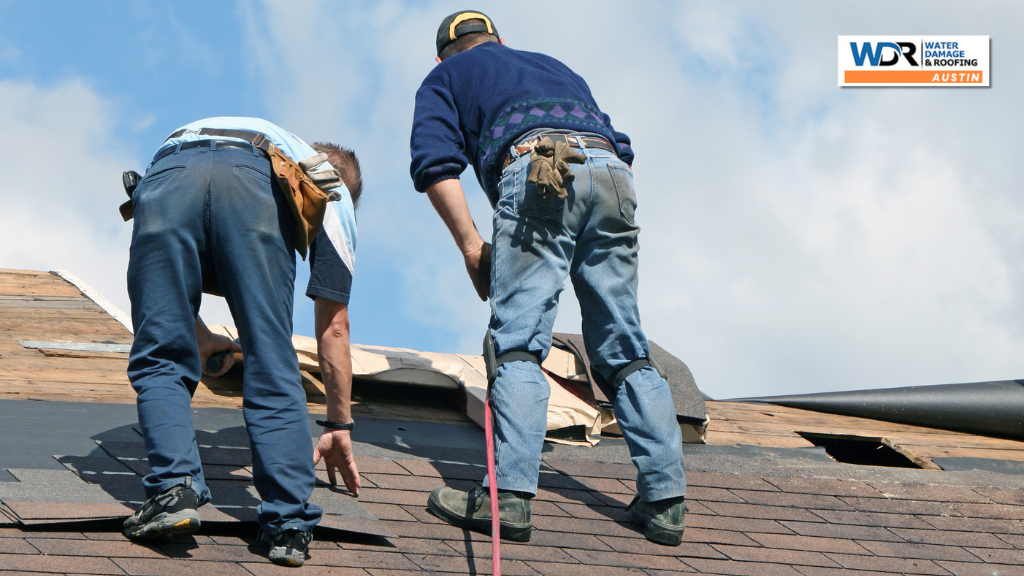
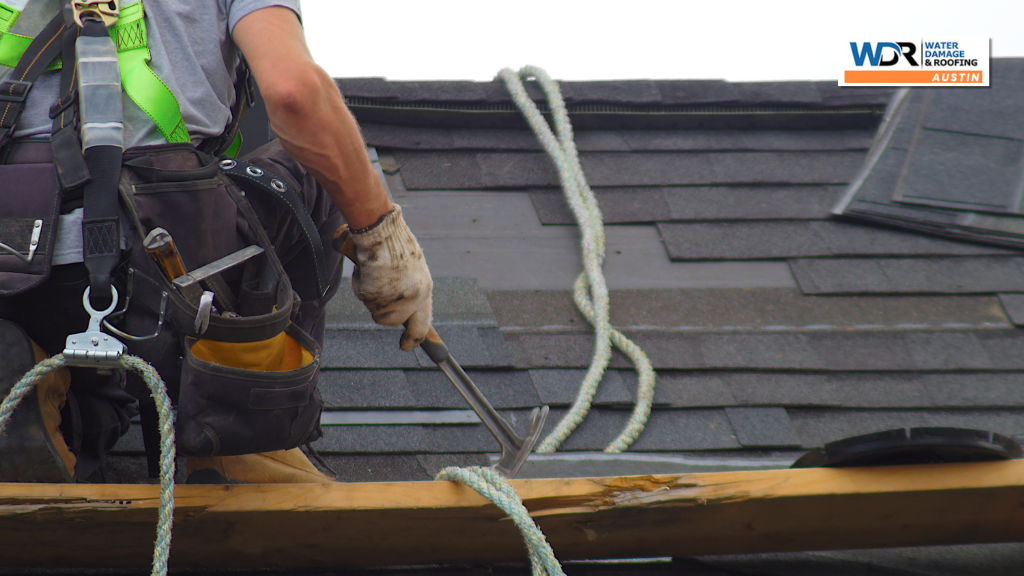
three roofing experts on wooden roof deck

It’s important to work with roofing contractors who understand roof decking. Your roofing materials should be the best possible to protect your building. Roof decking is one of the crucial structural components to consider. Let’s learn more!

What Is Roof Decking?

A solid roof deck is a layer of material that’s found over the roof frame. It offers a level and flat surface for your new roofing materials. Overall, it’s the foundation for your roof and will support the weight of it and other loads, including rain and snow. Likewise, roof decking creates a stable and rigid platform to work on for repairs of other roofing components and during the installation process.

Advantages of Roof Decking Materials

Roof decking helps with many things, and here are the primary benefits of installing it:

  • Ease of Installation – Roof decking is easy to install, and a professional can do it efficiently and quickly. Therefore, it’s a more cost-effective option for residential buildings and commercial properties.
  • Protection from the Elements – Roof decking is the barrier against wind, extra moisture, and damaging weather that could cause leaks and other issues.
  • Strength and Stability – When you choose roof decking, you have a stable foundation for your roofing structure, which acts as a base for the other roofing materials and will distribute the weight more evenly.
  • Versatility – Roof decking comes from many roofing material options, such as oriented strand board (OSB), CDX plywood, metal, and wood. The goal is to provide a solid sheathing customized to meet your home’s specific needs.
  • Improved Insulation – When roof decking is installed properly, it will improve the energy efficiency of the building because it adds another layer of insulation.
  • Enhanced Structural Integrity – Roof decking creates a stable and rigid platform, supporting the roof structure and preventing the roofing components from collapsing or sagging with time. Solid sheathing is crucial to avoid roof replacement or costly repairs later.

man holding wooden planks

Roof decking is a crucial component of your roofing system and offers many benefits that will ensure durability, longevity, and structural integrity for your new roof.

Roof Decking Versus Roof Underlayment – Do You Need Both Roofing Materials?

The roof underlayment is the material layer installed over your roof sheathing, offering a moisture barrier. It’s often made from a self-adhering membrane, synthetic materials, or asphalt-saturated felt. The purpose is to protect the decking from damage and moisture while offering a smooth surface for applying the roofing system materials.

Underlayment and decking have different functions but are crucial for the roofing system. Proper roof installation of both will ensure that you have something water-resistant and structurally sound.

You should work with a roofing contractor because they have experience in both and will ensure that the roof meets your state’s building code rules.

Types Of Roof Decking

There are various types of roof decking, and each one works differently to protect your home. Regardless, they are required for an entire roof system and will help it function better. Hiring a roofing contractor expert is wise to help you choose what will work best.

CDX Plywood Roof Decking

CDX plywood is one type of plywood, and it’s often used for sheet decking but differs from traditional plywood.

Overall, CDX means C-D Exposure 1,” indicating that it features a front veneer of C-grade materials and a back veneer of D-grade products. It’s used when it will likely get exposed to moisture but isn’t directly exposed.

Typically, CDX plywood is made of wooden boards and can be relatively affordable and durable. This type of plank sheathing is often used in commercial and residential applications.

Likewise, CDX plank decking features thin wood veneer layers that get glued together. It’s available in many thicknesses and is cut to the shape and size needed.

Traditional Plywood Decking

Everyone knows what plywood is; these rectangular wooden boards create a durable, strong, lightweight material for sheet decking. Overall, this plank decking material is available in various grades. High-quality plywood sheet decking will have a smoother surface, but lower-grade plank decking has imperfections.

Plywood plank decking is a great option because it’s versatile, durable, and strong.

person holding sheath

Metal Roof Decking

Another type of roofing material used for decking is metal. Typically, the roof decking material is made with aluminum or steel because it’s resistant to fire, durable, and strong. Plus, it comes in various profiles, finishes, and thicknesses, so it’s easily customizable to meet any needs.

OSB Decking

Oriented strand board is another sheet decking option used in residential and commercial applications. It’s durable and cost-effective, so it’s a great alternative to plywood plank decking. OSB gets made by gluing and compressing strands of wood planks. They’re often arranged in various layers to create something strong.

What’s Rotted Roof Decking?

Roof deck rotting is a serious problem. It often happens when moisture penetrates the roof decking and isn’t dried out or ventilated correctly.

When the decking gets saturated with moisture, it will deteriorate and rot. This will compromise the roof’s integrity, damaging the roofing materials.

Common causes of rotting roof sheathing include:

  • Exposure to the elements
  • Condensation
  • Leaks
  • Poor ventilation

Signs of Rotted Decking

Here are a few signs that your roof decking might be rotting:

  • Dipping or sagging sections in the roof
  • Discoloration and dark spots on the decking
  • The spongy or soft feeling while walking on the roof
  • Cracks and splits
  • Roof leaks and water infiltration
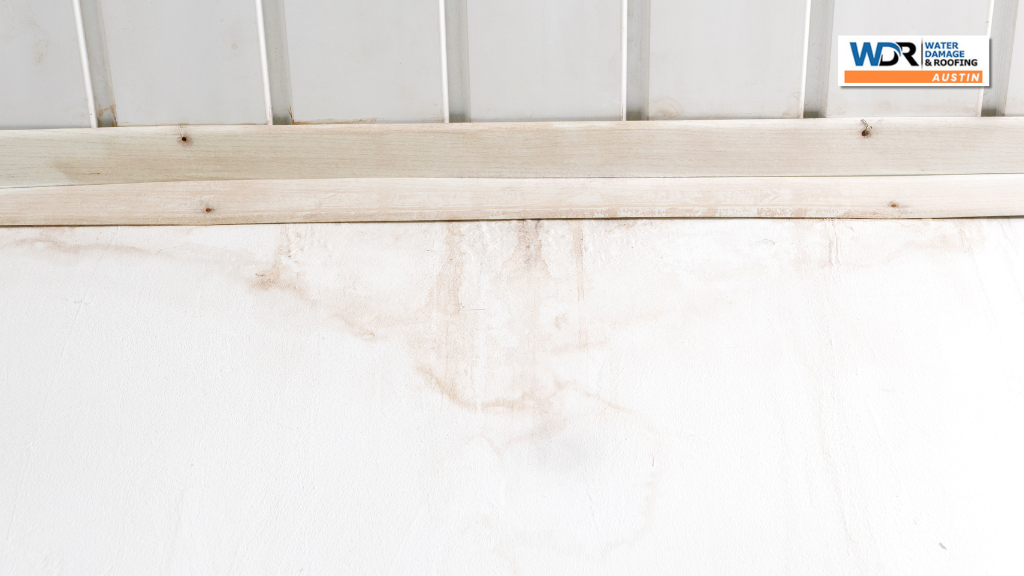
  • Water stains or moisture on the walls and ceiling in the building
  • Loose or unstable roofing materials
  • Visible mildew or mold growth

If you notice these signs, it’s crucial to call a roofing contractor to get an inspection and determine the issue.

Repair And Maintenance Of Roof Decking

Routine inspections and maintenance of your roof decking will protect and keep it working properly. This will help you avoid the price associated with a new roof.

Average Roof Decking Cost

The cost of roofing decking ranges significantly based on many factors. For example, wood prices in 2021 skyrocketed, bringing the price higher, but that’s slowed down.

aerial view of roofing specialists on bare roof

Plank decking is about three times more expensive per square foot than traditional sheet decking. Therefore, CDX and OSB might be wise choices.

Contact a Reputable Professional Roofing Contractor Today

Have you experienced signs that might indicate the roof decking is bad? You may need to get a roof replacement or repairs made. Austin Roofing Company & Water Damage | WDR can help commercial and residential owners with their roof system needs.

You may not need a new roof right now, but getting things checked and repaired is crucial. Austin Roofing Company & Water Damage | WDR can handle any roofing project. Call (512) 820-6505 to request help today!

FAQs

Technically, roof sheathing and roof decking are the same thing. However, decking materials usually include wood planks, plywood, metal, tongue-and-groove boards, and OSB (oriented strand board). Both plywood and OSB roof decking are common options for homeowners and builders because they’re strong, flexible, and generally affordable.

The roof decking isn’t visible from the outside of the home. Instead, it’s underneath your roofing components. It’s the dividing layer between the outside and inside of the house.

The roofing system gets on top once the wooden frame and decking are in place. Each part is layered over the previous one. This is the order in which roofing components are installed:

  • The leak barrier
  • The roof deck protection (often called underlayment)
  • The starter strip shingles
  • The shingles
  • The ventilation
  • The ridge and hip cap shingles

You should know the symptoms of rotten decking to ensure you address issues quickly. Watch for these signs that might indicate a compromised roof sheathing system:

  • Spongy or flaky wood
  • Mold or discoloration
  • Stains and moisture on the walls, rafters, and ceilings
  • The strong smell of mildew
  • Frequent roof leaks
What Are the Signs You Need a New Roof? | Six Tell-tale Signs That Your Roof Is Failing

What Are the Signs You Need a New Roof? | Six Tell-tale Signs That Your Roof Is Failing

If you’re not a roofing professional, it can be really hard to determine whether your roof needs replacing. After all, the damage that may seem irreparable to you can be easily repaired by a roofing contractor. However, there are certain warning signs you can look out for to determine whether you need a new roof.

What Is The Life Expectancy Of A Roof?

Before we delve into the many ways to tell that your roofing system has come to the end of its service, let’s first talk about the life expectancy of the average roof.

The average lifespan is 25 to 50 years, and this great variation is because there are a number of factors in play. The roofing materials that were used to construct the roof, for example, will play an essential role in determining the longevity of the overall structure.

Here’s a summary of the typical lifespan of a roof based on its roofing material:

  • Slate – 60 – 175 years
  • Asphalt shingles – 20 – 50 years
  • Clay tile – 50 – 100 years
  • Wood shingles and shakes – 25 to 30 years
  • Metal roofs – 40 to 80 years

Another essential factor to consider is the quality of the installation. Poorly installed roof flashing or shingles, for example, could reduce the life expectancy of a roof. Maintenance also plays an important role.

When you notice missing shingles or a leaky roof, it’s important to act fast, as prolonged exposure to water could lead to further damage and lower the number of years of faithful service your roofing structure provides.

What Are The Signs That A Roof Needs To Be Replaced?

Now that you understand how long a roof should typically last, it’s time to talk about the signs that there is a problem great enough to warrant a roof replacement. Here are six signs you need a new roof:

1. You Notice Visible Damage

It’s important to do a regular inspection of your roof to determine whether there is a problem. If you have a metal roof, make sure you’re looking for weak spots, corrosion, or dents. Missing shingles, buckling, or curling shingles may all be signs that your wooden or asphalt shingle roof is deteriorating.

Another sign of damage is mold formation and visible water damage. If you notice considerable water damage on the inside of your roof, then your roofing structure isn’t functioning correctly and is allowing moisture to seep in.

Excess moisture leads to mold formation, which can damage the wood and various other elements of the roofing structure over time, so if you notice this problem, it’s best to contact a roofing contractor.

2. There’s a Gaping Hole

Nothing screams, “Replace your roof!” like a hole in the structure. Unfortunately, if roofing damage is not addressed timeously, it can cause areas of the roof to break down. If you can see the sky from your attic, it may just be time to replace your roof.

3. You Notice Changes to Your Roofline

An additional indicator that you require a new roof is a change in the shape of your roofline. Your roofline ought to be solid and symmetrical. You should take urgent action if the roof deck of your home starts to sag or droop because this could indicate structural problems.

Common changes that warrant urgent action are dipping, curving, or drooping. A water-soaked roof deck might also be the reason for a drooping roofline, in addition to issues with the frame. If this is the case, installing a new roof might be necessary to address the issue.

4. A Leaky Roof

Leaky roofs are one of the most obvious clues that your roof needs replacement. It’s important to remember that just because a roof is leaking, it doesn’t mean that it needs to be replaced.

Suppose your roof leaks due to something minor, and you notice a small trickle of water. In that case, you can probably just repair it. However, if the leak was brought on by storm or weather damage, poor roof installation, or the wear and tear of the roofing materials, you’ll likely need a new roof.

Sadly, until your roof has been inspected, you won’t know whether the leak can be fixed with simple repairs or whether you’ll need to invest in a complete replacement.

5. Your Roof Is Old

As we mentioned at the beginning of this article, it’s important to think about the age of your roof in light of its life expectancy. If your roof is very old and has gone past its recommended lifespan, it is probably time to replace it.

Although your roof is built to last for decades, it will not last forever. Over time, you may notice serious damage to the roof shingles that cannot be fixed with a simple roof repair. Before the unthinkable happens, it’s important to get your roof replaced, as the consequences of waiting until you start to see damage could have devastating consequences for you and your family.

6. A Recent Storm Has Caused Significant Damage

Unfortunately, storm damage is one of the leading reasons for a roof replacement. That’s because strong winds, hail, and heavy rain can put a roof under tremendous strain. Couple that with the age of your roof, and you will likely need a new roof.

Need A Roof Replacement? We Are Here To Help!

When it’s time to install a new roof, you need a reliable service provider that will work with you every step of the way to produce the desired effect. When you work with Austin Roofing Company & Water Damage | WDR, you’ll have the assurance that you have someone on your team who is working in your best interest.

We will offer sound advice on the best way forward and never tell you to replace your old roof unless we are certain that there is no possible way to save it.

To learn more about our services or book a free consultation, contact Austin Roofing Company & Water Damage | WDR today!


Frequently Asked Questions

If you notice visible damage, a sagging roof, missing shingles, a roof leak, or other such issues, it’s time to replace your roof. You should also check the average lifespan of your roof, and if your roofing structure is nearing the end of its anticipated life expectancy, contact us.

Although you could technically replace your own roof, we NEVER recommend doing this. Without the proper know-how, even removing your old roof can turn into a dangerous undertaking. Whether you have a leaking roof or your existing shingles are damaged, it’s best to contact us, and we will offer expert guidance on the best way forward.

Gaping holes, damaged shingles, significant roof damage caused by water, and changes in the shape of your roofline are all signs that your roof is in bad shape and needs to be replaced.

Roof Repair Estimate – Guide to the Cost of Roof Repair (2024)

Roof Repair Estimate – Guide to the Cost of Roof Repair (2024)

Routine roof repairs are crucial to protect your house and keep it safe from wildlife and weather. Depending on the type, the price can be $150 to $400 for a minor fix and upwards of $7,000 for significant damage. The national average for roof repair costs is $950, but it can be higher or lower based on your specific needs.

People who ask how much roof repairs cost rarely consider the tasks involved. For example, the roofing materials needed, the size of your roof, and labor costs will all be factors.

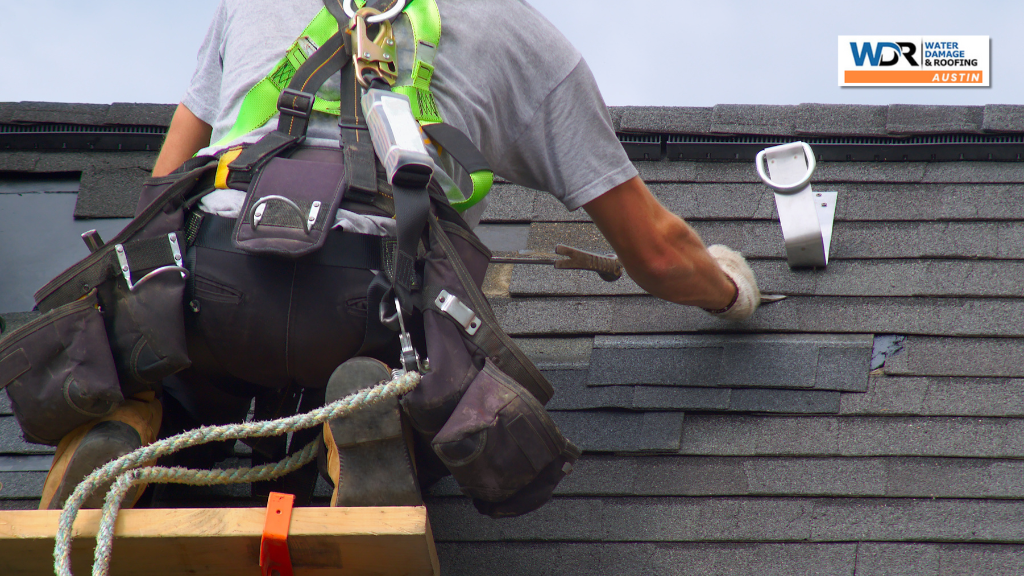
person holding damaged shingle roof

Asking about the roof repair price is crucial before it happens so that you’re prepared. Likewise, you can start saving money for an event in the future to protect yourself and ensure you have the required funds. Let’s learn more about the roof repair cost in Austin, TX.

Types Of Repairs

Generally, you have two types of roof repairs: major and minor. Before spending much money on the roof, it’s crucial to know your category. Let’s look at them now!

Minor Roof Repairs

Minor repairs can cost anywhere from $150 to $1,500. They only require basic roof materials and tools and don’t need specialized equipment or knowledge to perform them.

Many people want to lower roof repair costs and consider doing it themselves. Still, it’s generally better to hire a professional roofing contractor if you don’t know what you’re doing or think there could be issues. Safety is always a concern; minor roof repairs could become major issues if you do them incorrectly.

The most common types of minor repairs can include:

  • Roof truss repair
  • Cleaning the gutters
  • Flashing (resealing, corroded spots, small holes)
  • Removing pooled water
  • Fixing punctures and holes
  • Replacing missing or damaged shingles
  • Patching small leaks

Major Repairs

On the other hand, major repairs are problematic and require specialized materials and professional expertise. This means they can cost anywhere from $1,500 to $7,000. Depending on your location, you may need a roof inspection or permits throughout the process.

Repairs necessary to fix engineering issues, HVAC, plumbing, and electrical are major. Likewise, repairs to fix structural failures and renovations to the structure of the house or roof are considered significant.

The most common major roof repairs can include:

  • Flashing (complete replacement)
  • Chimney repair
  • Shrinking or sagging roof
  • Extensive treatment for environmental problems (gas, mold growth, etc.)
  • Extensive water damage
  • Electrical wiring problems

These can all be safety hazards and might be considered emergencies.

Roof Replacement Cost

If you have a roof that’s 20+ years old that continues experiencing roof damage or has significant problems, complete roof replacement might be necessary. Generally, roofs with no damage will last 30 or more years.

person nailing shingle roof

Many people aren’t sure if they require a roof replacement or a simple repair. Therefore, it’s wise to call a professional roofing company to assist. The technician will give you an assessment and determine the total roof replacement costs you might pay. This could be over $8,000.

Other Considerations

Sometimes, you’re unsure what’s wrong with the roof but feel something is off. In this case, you may require a roof cleaning. Routine cleanings will reduce your need for repairs in the future, maintain the roofing, and keep things looking their best. Generally, the rule of thumb is to do it once a year, but more frequent cleanings might be necessary if you have trees around your home.

Regardless, routine cleanings will save money for homeowners because they help professionals notice potential problems and correct them before they get too severe.

Roof Repair Costs By Roofing Materials

The roof repair cost you’ll pay depends significantly on the type of roofing material you choose. If it’s uncommon and expensive, fixing the roof damage will be more difficult. Some roof types might also be more susceptible to damage.

Traditionally, roofing materials are measured “per square,” meaning the amount of material required for 100 square feet. When hiring someone to handle the roof repair, they list that in the estimate.

Asphalt Shingles

Asphalt shingle roofs are some of the most common, but the longevity and quality of the shingles will depend on the type, manufacturer, climate, and style. Generally, three-tab shingles cost $90 per square. The current average cost in the nation is $710.

With this roofing material, you can expect common repairs to replace damaged or missing shingles, repair cracked shingles with some roof sealant, and fix curled corners.

Metal Roofs

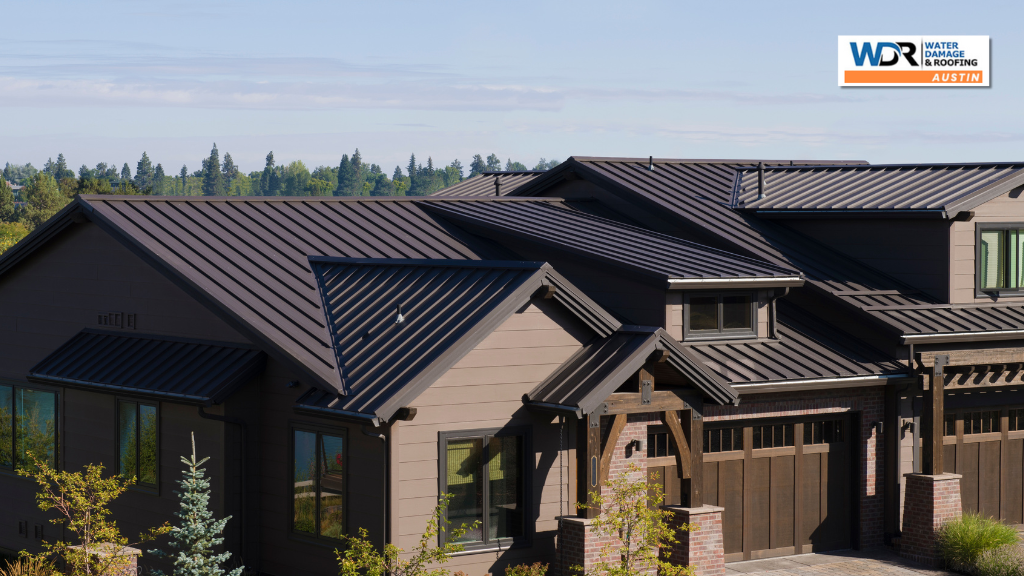
Metal roofing comes in various pure metals and alloys, though steel is the most common and cost-efficient. Steel shingles will cost $350 to $450 per square. Many homeowners like a metal roof because it can last 50 or more years if maintained and inspected periodically.

The current average cost throughout the nation for metal roof repairs is $1,300. Likewise, the most common roof repairs will include color fading, dealing with scuffs and scratches, stress wrinkles because of an improper installation, oil canning, and corrosion.

Flat Roofs

A flat roof has no or few angles and is often found on industrial or large commercial buildings. They will be $250 to $350 per square to repair and require routine maintenance to stay functional. Typically, the biggest concern for flat roofs is water damage from standing water. Common repairs include sagging and pooled water, mold growth, and leaks.

The current national average cost for a flat roof repair is $400.

gray flat roof

Tile Roofs

A tile roof can come in terracotta, concrete, or clay, the cheapest at $300 per square. Terracotta will be the most expensive option. Generally, tile roofs are easy to maintain if properly installed, but they are fragile and, therefore, more breakable than other options.

The current national average price for repairs to a tile roof is $1,000, and you could experience cracking, brittleness, leaks, and broken tiles.

Wood Shakes

Wood shakes are often called wood shingles made from evergreen trees like cedar. They cost about $600 per square. These materials require constant inspections and maintenance, but the repair costs are often lower than the replacement or initial installation price. It will run about $750 (national average).

Overall, the most common repairs required include debris removal, insect damage, moss growth, water damage, and adding coats for sealing and preservation.

Slate Roof Replacement or Repair

Slate is considered the most expensive of all roofing materials available, and they cost anywhere from $1,000 to $3,000 per square, which includes labor. However, they’re still popular because natural slate could last 200 years with maintenance. Homeowners often don’t mind that they take longer to install, are heavier, and could be expensive to repair.

The national average price for repairs to a slate roof is $1,500, and the most common repairs include loose, broken, or chipped tiles.

Factors To Consider When Calculating Cost Of Roof Repairs

There are some factors to consider when preparing your home and mind for the roof repair cost. They include:

Roofing Repair Permits

When calculating the roof repair cost, you must consider the price you’ll pay for work permits. Roofing contractors often know if you must pay because of your home’s location. Some municipalities require a flat rate, but others base it on the value or size of your property.

Type of Roofing

The roofing material and type could impact your repair cost. For example, steep roofs or customized options might require more safety precautions, materials, and labor. Those things also affect time, which means more money.

aerial view of roof

Amount of Roof Repair

You can’t forget to factor in how much your roof requires repair. When you have significant roof damage, the scope and square footage are larger, so you’ll pay more. Likewise, many contractors charge extra for emergency roof repair. In some cases, a full replacement might be your best choice.

Tips To Hire A Professional Roofer

When choosing between the many local roofing companies in the area, use these tips to hire someone:

  • Ensure the roof repair project contractors are bonded, licensed, and insured.
  • Talk to your homeowners’ insurance representative to ensure the contractor is approved.
  • Get estimates and guarantees/warranties in writing.
  • Check with the BBB (Better Business Bureau) for customer complaints and ratings.
  • Ask for references and contact those previous customers before giving the final say.
  • Ask about rebates, discounts, and specials.

Final Thoughts On Roof Repair Estimates

While roof repair is often expensive, you must ensure it’s done quickly and correctly. Therefore, it’s wise to work with a licensed roofing contractor. Homeowners could do minor repairs themselves, but they may not be confident in their skills and could do more damage while trying to fix the problem.

It’s best to call Austin Roofing Company & Water Damage | WDR at (512) 820-6505 to request a roof inspection. You’ll learn what’s wrong and can get an estimate on the roof cost.

FAQs

The roof repair cost could be about $150 to $1,500 for minor issues and up to $7,000 for extensive repairs, though the national average is $950. Still, the roof repair price depends on various factors, such as the scale of work, materials needed, and more.

It’s possible to fix a roof rather than replace it, but this depends on the damage levels sustained before you notice the problem. If your roof is in good condition after it’s fixed, you don’t have to deal with a replacement.

However, you should replace your roof every 20 to 30 years (or 50 years for metal roofing). Likewise, a complete replacement might be required after extreme damage has occurred.

The cheapest way to handle roof repairs is to choose low-maintenance and inexpensive materials. Asphalt shingles are the top choice for homeowners. However, it would be best if you still had routine inspections to catch and fix problems before they become expensive repairs.

It’s always better to do many minor repairs throughout the lifespan of your roof than one or two major repairs.

Roof leaks are the most common repair, which takes about an hour to fix. However, it depends on the size of your roof leak. Sometimes, it’s only 20 to 30 minutes. There are other basic maintenance jobs and minor repairs you might encounter, such as removing debris and checking for damage, which is done in about 30 minutes.

Roofing companies will likely want to inspect the entire roof for other issues, even if you call for a small hole in your asphalt shingle roof. Depending on the material and size, it could cost $100 to $1,000 to fix the problem.

There are countless advantages of repairing your roof, which include the following:


  • More Resale Value – Your home could be worth more to sellers if it’s repaired and in good shape.
  • Better Energy Efficiency – You can lower your energy bills when your roof is working correctly and not letting in drafts.
  • Increased Curb Appeal – Your property will look better and draw the eyes when the roof is in good condition.
  • Extending the Lifespan of Your Current Roof – You can help your roofing system last longer by keeping up with maintenance and repairs.
  • Preventing Future Damage – Fixing the roof now will ensure fewer problems.
What Is Roof Flashing?

What Is Roof Flashing?

When most people think of roofs, roof flashing is never the first thing to come to mind. Most homeowners have no idea what flashing is or what purpose it serves. However, this unappreciated part of your roof structure protects your home from the elements.

Roof flashing is essentially waterproof material used to seal off certain areas of the roof to prevent moisture from seeping in and causing the structure to deteriorate. Various types of roof flashing are available; without this structure, your roof would not last long.

To help you understand what roof flashing is, we’ll talk about the various types available, the importance of such as structure, and a few tips on recognizing a potential problem with your flashing. We’ll also talk about how to maintain roof flashing.

What Purpose Does Roof Flashing Serve?

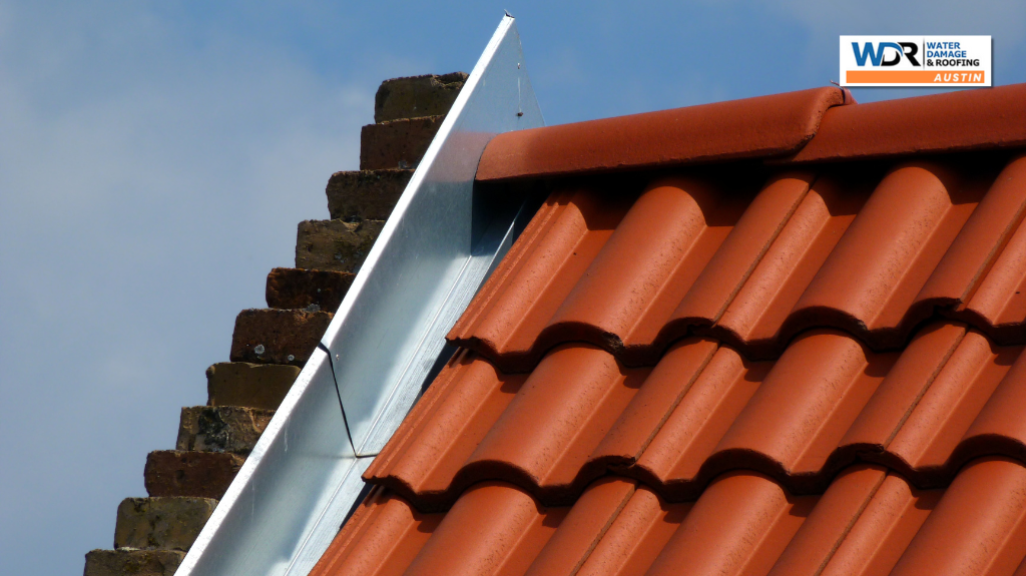
Roof flashing’s primary function is to divert water away from vulnerable roof areas, such as valleys, joints, vent pipes, chimneys, and more, where leaks are likely to occur. It aids in directing rainwater down and off the roof, safeguarding the supporting structures while preventing water damage to the building’s interior.

Because of their longevity and resilience, typical roof flashing materials include metals such as aluminum, copper, or galvanized steel. They are typically installed in overlapping layers for added protection. The sheets are molded into various forms and configurations to fit specific roof areas.

Types Of Roof Flashing

Now that you understand what flashing is and what it does, let’s discuss the various types. Although the basic concept of roof flashing remains the same, various kinds work better in certain places than others. Let’s explore seven of the most common.

1. Continuous Flashing or Apron Flashing

An apron or continuous flashing is used when a chimney or vertical wall meets the roof. It is usually constructed of metal and extends along the joint horizontally. Apron flashing helps to keep water away from the junction and directs it away from the exposed area, preventing water damage to the roof and supporting structure.

2. Base Flashing

To prevent water penetration, base flashing is often installed at the base of vertical walls. It sits between the roofing material and the vertical surface, producing a watertight barrier. The purpose of base flashing, usually made of metal, is to direct water away from the junction while safeguarding the structure underneath from water damage.

3. Counter Flashing

Counter flashing is positioned either over or opposite from base flashing. It is most frequently utilized in the space between the surface of a roof and a chimney or wall. Its purpose is to safeguard the base flashing.

Although it is often installed with a new roof, you can install counter flashing later to offer more protection to the roofing system.

4. Step Flashing

Step flashing is installing L-shaped roof flashing material around where the roof joins a sidewall. Because this sort of flashing is partially visible, many opt for a pricier material to complement the façade of their properties better.

5. Valley Flashing

This type of flashing is used in roof valleys, where two sloping roof planes meet. Water is meant to be directed away from these weak spots, preventing leaks and water accumulation. Valley flashing, which helps direct water down the slope and protects the roof from water penetration, is commonly constructed from metal and installed in a V-shape along the valley.

6. Diverter or Kickout Flashing

In cases where a gutter runs up against a sidewall, kick-out or diverter flashing is required. This flashing style redirects water away from the sidewall and toward the gutters, preventing it from running down the sidewall.

7. Drip Edge Flashing

Roof flashing along a roof’s margins is called drip edge flashing. Usually, it is a short, angled metal strip that sticks out from the roof edge.

To stop water from seeping underneath the shingles and harming the roof deck or fascia, drip edge flashing deflects water away from the roof, into the gutters, or off the roof entirely. It guards against water-related problems like rot and mold and preserves the roof’s structural integrity.

Signs That You May Have A Problem With Your Roof Flashing

The truth is that trying to identify a potential problem without the trained eye of an expert isn’t easy. We recommend calling your roofing contractor if you suspect any issues. However, here are a few signs you can look for that may signal the need for roof flashing replacement:

  • Visible damage to your flashing
  • Loosened roofing cement
  • Mold formation
  • Water damage or roof leaks
  • Rust or corrosion of your roof flashing
  • Loose or misplaced flashing
  • Separation at the joints

If you notice these issues, it’s important to contact us as soon as possible. Because roof flashing serves such an important function, a failure to address these issues timeously could lead to costly repairs or even a roof replacement, costing you thousands of dollars.

Tips For Maintaining Roof Flashing

Here are a few tips on how to take care of your roof flashing:

  • Make sure you’re checking the condition of your flashing regularly to determine whether there is a potential problem.
  • Keep your flashing clean and free of dirt and debris.
  • Replace or repair damaged flashing as quickly as possible to prevent damage to the underlying structures.
  • Check that all gaps between flashing and other surfaces have been properly sealed.
  • Hire a professional contractor to handle any issues.

The Bottom Line

Roof flashing serves an essential function in preserving your roof. Since roofs are made from materials susceptible to water damage, it’s vital to ensure that your roof flashing serves its intended function.

As trusted roofing contractors in Teas, you can count on Austin Roofing Company & Water Damage | WDR to ensure that every element of your roofing structure works at its best. Give us a call today to learn more about our services!

Frequently Asked Questions

Roof flashing comprises corrosion-resistant metals designed to prolong the lifespan of a roof structure by redirecting water away from crucial areas or weak spots. Different types of roof flashing are used in various places where they serve a similar purpose.

Numerous potential issues might arise if the roof flashing is absent. First, leaks and water damage can result from rainwater leaking into spaces between the roof and adjacent structures, like chimneys or vent pipes. This can damage the building’s structural stability over time and encourage the growth of mold and mildew.

Without proper roof flashing, wind-driven rainfall can also seep through the roof edges and cause water to seep into the materials beneath. Ultimately, a lack of roof flashing raises the possibility of significant water damage, weakened insulation, and pricey roof repairs or replacements to address these problems.

Absolutely. It protects vital structures from moisture damage, such as the roof and the building beneath.

Flashing can be seen on a roof as thin metal strips or sheets placed strategically where the roof changes or meets adjacent structures. Depending on the precise location and use, flashing can take on a variety of shapes and configurations. Step flashing, for example, is installed in an L shape.

We recommend having your roof inspected at least once or twice a year to assess the condition of your flashing and other elements of your roofing structure.

The most common roof flashing materials include the following:

  • Steel
  • Copper
  • Aluminum
How to Deal with an Emergency Roof Repair | Full Guide for 2024

How to Deal with an Emergency Roof Repair | Full Guide for 2024

No matter how well you take care of your home, there will sometimes be circumstances that will put it at risk of damage.

One of the most common types of damage your home can get suddenly is roof damage. Even if you take care of your roof through regular maintenance sessions, harsh weather conditions or natural disasters can damage your roof.

Depending on where you live, you may be able to prepare for specific scenarios, but you should also be prepared to provide emergency roof repairs if the time comes.

Today, we’ll cover everything you should know about a roof repair emergency, how to handle it, and when to contact roofing contractors to help.

What Is A Roof Emergency?

Also called a “roofing emergency,” a roof emergency represents any issue that could pose a danger to your home or family. Remember that your roof is meant to protect your property from outside damage, so any damage could quickly become a problem for your family.

There are many scenarios where you could get damage to your roof, including natural disasters such as storms or accidents such as fallen trees or debris.

Some of the most common problems you can get with your roof after one of these scenarios include:

Leaking Roof

This is probably the most common problem you can get with your roof. If you start noticing your roof leaks, you may need to provide an emergency repair while you contact a roofing professional.

Water Spots

Another common problem related to leaking involves water spots. If you notice dark stains in your ceiling, it could either be because of excessive moisture in your attic or roof leaks, so you may need an emergency roof repair to take care of that.

Missing/Broken Shingles

Shingles are common to get loose after a storm. Once the environment is safe after the event, you should look around for missing/broken shingles. If that’s the case, you must provide fast roof repairs, as not dealing with them can lead to emergency roof leaks later.

Missing Granules

Granules are often considered your roof’s first defense against harmful elements like debris. If you lose granules, your shingles may get discolored. In other cases, your granules could end up in your gutters, worsening the problem.

Higher Energy Bills

It would be best to keep your roof sealed and ventilated in all cases so your home performs as expected. However, if you notice you’ve been getting higher than usual energy bills these past few months, then you should get your roof inspected by roof repair experts.

Excessive Light in Your Attic

This problem is more common in unfinished attics. You may need permanent repairs if you notice too much light shining through the roof’s boards. Commonly, if you have holes large enough to let that much light enter your attic, those holes will also let a lot of water enter your property.

How Can You Temporarily Cover A Damaged Roof?

Thankfully, there are many ways to deal with an emergency roof leak while you wait for professional help. If you notice a damaged roof and a roof repair expert can’t get there soon, then consider doing the following:


Set Tarps

Tarps are often the best temporary roof patch you can get. You can call a handyman or set it yourself (if possible).

A tarp will help stop the leak temporarily, preventing water from getting into the roof’s holes or gaps.

Remember that even if you can set a tarp correctly, it won’t work as a permanent roof repair solution. Wind can easily blow tarps away, which will make the problem worse.

Make sure you only use tarps as a measure for emergency repairs, and contact a professional.


Repair Damaged Shingles

If possible, try to repair or tighten your damaged shingles. These are quick roof repairs that you can do by using cement, roofing nails, or adhesive.

As with the previous emergency roof repair solution, remember that this isn’t permanent, and you will need to contact a professional if you want a better fix.


Cover Small Holes

You may be able to cover a few small holes with roof cement, sealant, and silicone. Depending on the damage, you may be able to hold off until a professional arrives.

How Much Does It Cost To Repair A Roof Leak?

As mentioned, these emergency roof repairs are only meant to be temporary. If you don’t contact a roofing professional in time, you risk your home experiencing severe structural harm. You may have to spend more money on a roof replacement in those cases.

On the contrary, if you act fast, you could save your damaged roof and pay less money in reparations.

The cost to repair a roof leak will depend on how severe the damage was and who you’re hiring to fix the problem.

You can expect minor repairs, such as small leaks, to cost $150 to $1,000. On the other hand, significant repairs could go as high as $2,000-$8,000.

Most of the time, people pay from $360 to $1,550 to repair a roof leak. If you’re experiencing this specific problem with your roof because of a storm or any other severe weather event, contact your insurance company to see the coverage for these cases.

Contact a professional once you call your insurance company and provide an emergency roof repair to avoid further issues. The roofer will provide you with an estimate of how much you could pay for repairs, and then you can make a decision.

Keep in mind that the sooner you act, the more likely you will save money on repairs in the future.

How To Do A Quick Roof Repair

To summarize, if your roof suffers damage and you want a quick fix before the professionals arrive, consider the following:

  • Use roofing tape or plastic sheets to patch small holes.
  • Tighten loose shingles if possible.
  • Use spray foam over a leaky area to temporarily patch it.
  • Place a tarp on top of your damaged roof to prevent further damage.

Ensure you don’t tackle any big holes or severe damage yourself, as that could further damage your roof and home.


Are Emergency Repairs Worth It?

Yes! An emergency repair can help avoid further damage to your roof and property. If you recently experienced a storm, for example, you will want to cover any minor damages while the experts arrive to fix the problem.

Not doing emergency repairs can lead to the roof getting even more damaged, which translates into higher repair bills.


How Can You Prevent Potential Roof Damage In The Future?

The best way to prevent damage to your roof is to inspect it frequently. You should inspect your roof once a year to ensure there’s nothing wrong with it.

On the other hand, if you experience any extreme weather event, you must inspect your roof immediately to identify any potential problems before they worsen.

Although preparing for every scenario possible is impossible, you can ensure you’re not spending too much money on repairs with proper inspections.


Bottom Line – Get Emergency Roof Repair Services As Soon As Possible

The key to preventing further problems with your roof is to act fast. Even though emergency repairs can do an excellent job of protecting your property for a while, they’re primarily temporary solutions.

Once you’ve used any of the tips mentioned on this page, make sure to contact a reputable professional, as they’ll do their best to provide a permanent fix that extends the life of your roof.

Meta Description: Learn about the importance of emergency roof repairs and how to do them while waiting for a roofing professional to help

What Is the Cost To Replace Roof Shingles?

What Is the Cost To Replace Roof Shingles?

A roof is a crucial part of a building or home. It protects you from the elements and ensures your interior stays dry. However, roofs often get damaged and worn with time, requiring a replacement. Overall, roof replacement is a significant task, so you must be aware of the factors that might affect the price before hiring someone to do the roofing job.

Many things can impact the asphalt shingles cost you’ll pay—the size of your roof matters. A bigger one requires more materials and higher labor costs, so it’s more expensive. Likewise, the roofing material we use will affect the price. Some things are inexpensive, such as an asphalt shingle material. However, others, such as concrete, metal, and slate tiles, are expensive.

Most homeowners understand that the complexity will play a role, as well. Simply replacing damaged shingles isn’t likely to cost much, but a complex roof job, such as replacing the entire roof deck, may get expensive. It’s wise to talk to a roofing contractor first to choose the right material.

Texas Roof Replacement Costs and New Roof Cost

Roof replacements are a significant investment and crucial for maintaining the house. Likewise, a new roof will protect you from the elements and might increase your home value.

Overall, the Texas roof replacement cost will depend on your home’s type and size and the materials you choose. Typically, a simple replacement’s average roof replacement cost is about $5,000. However, if yours is a more complex roof, it might go as high as $10,000.

The roofing cost also depends on the materials. For example, an asphalt shingle roof is affordable and costs about $3,200. However, the price can go higher if you choose architectural asphalt shingles. Metal roofs are more expensive per square foot.

Likewise, you will spend more on composite shingles, wood shingles, or metal shingles. However, a roofing professional can determine whether asphalt or composite shingles are the best choices.

Factors Influencing a Roof Replacement

If you’ve ever had to replace a roof, it’s not cheap. The shingle roof cost could vary significantly and depends on many factors. The climate in Texas is often rough, so you’re getting a new roof sooner and might pay more. Let’s focus on what you should know:

Type of Roofing Materials (Asphalt Shingles Cost and More)

The materials for the roof will affect the cost of roof replacement. For example, a metal roof made with metal shingles is more expensive to replace than asphalt shingles. Composite shingles might be a little less, but they’re still on the high end.

Roof Size

A more extensive roof is likely to cost more to replace. Large houses and commercial buildings may cost over $10,000. The price is determined per square foot, so a roughly 1,500 square feet roof area can get expensive. We must strip off the old shingles before adding the asphalt shingles to the new roof.

Generally, roofers take accurate measurements by dividing the square footage by 100, giving them a roofing square.

Roof Condition

If the existing roof is still in good condition, replacing it won’t cost as much. However, if it’s damaged by weather or has leaks, it will be much more expensive. Prices vary wildly, so it’s wise to call a professional for an estimate.

Roof Pitch

The slope or pitch of the roof will affect the price. Typically, the steeper the roof, the harder it is to work on, so professionals charge more. Plus, there will be more surface area to cover.

Time of Year

Timing is a huge factor here. Roofing contractors are often busy in the summer and spring because the weather is warm. Therefore, replacing a roof in those months means paying a higher premium. Winter and fall are slower periods, so you could get a good deal if you schedule the work then.

Your Location

Roofing costs could vary based on your location. Rural areas are cheaper because there are fewer labor costs and transportation requirements in those places. Still, it’s best to ask for a detailed, written quote from a professional roofer.

roofer replacing asphalt shingle roofing

Flat, Conventional Slope, Steep Slope, and Low-slope Roof Replacement

Flat roof replacement prices will vary based on the materials and size of the space. The average cost for a roof replacement is about $2,500, though larger roofs can be $10,000 or more. Likewise, the type of material will play a part because asphalt shingles are more affordable, though a metal roof is often the most expensive.

Low-slope Roofs

Many people like low-slope roofs but are quite vulnerable to the elements, so they often need to be replaced sooner. Texas is known for its heat and sun, which will cause asphalt shingles to crumble and break down. The wind might also damage them, so you will likely want to call local roofing companies to get estimates for a roof replacement.

Conventional Slopes

Homes with conventional slope roofs must understand a few things about the cost of replacement. The roof will usually last 20 to 30 years, but they may have to be replaced sooner. The price you pay depends on the pitch, size, and roof materials you want.

Generally, asphalt shingles are popular and can cost $3,000 to $5,000 to replace. Though a metal roof is a great choice, they start at $6,000 and are more expensive. Tile roofs work well too, but you’re spending even more, so it’s wise to talk to a professional to help you choose the right option.

Steep Slopes

If you have a steeper roof slope, the cost depends on your chosen roofing material. However, the pitch and size also matter. Typically, roofing materials can be $100 to $1,000 per square foot, though the average is about $400 per square foot. The steeper and larger the roof, the more expensive it gets.

Likewise, hiring an experienced contractor adds to the price, but it’s best to go with an expert because they have the skills and knowledge to do the job.

It’s wise to speak to a professional about the roofing materials available. They will help you decide what’s right for you, considering the price per square foot and the total cost.

Overall, it would be best if you didn’t focus solely on the per square foot or total price for the roofing material and labor. The goal is to choose something that will meet your needs well into the future.

Where to Turn for Help

It’s essential to choose a professional roofing company with ten years or more experience. The experts should specialize in residential and commercial roofing to handle customer needs efficiently.

Austin Roofing Company & Water Damage | WDR has been in the roofing industry for over 25 years and offers various services. Our team of professionals is dedicated to providing excellent customer service and quality workmanship.

We realize that most homeowners aren’t sure how to handle the roof replacement process alone. You aren’t qualified to do the work, so you hire a roofing contractor. Though you may know the price is per square foot, it isn’t easy to calculate how many materials you’ll need. Likewise, you don’t want to do the job yourself.

How much does a shingle roof cost? The price varies significantly, and many materials, such as wood shakes or metal shingles, are available. Therefore, it’s wise to turn to an insured and licensed company to protect your investment. We offer many services, including total replacements and simple repairs.

Regardless of what you need, we’re here to help. Plus, we’re committed to customer satisfaction. We know it’s a stressful time when your roof is damaged, and we offer a stress-free and smooth process to make it easier for you.

If you are having roofing problems, it’s wise to call (512) 820-6505 for a free estimate. We’ll ensure you understand the issue and offer appropriate solutions to help you fix it.

FAQs

Most professional roofers tell you the cost per square foot, though they give you an estimate based on the size, location, and much more. Typically, for 2,000 square feet, you’ll spend about $1,810 to $2,110. This is based on a bundle of three-tab asphalt shingles, which is about $30 to $35 per bundle.

Roof costs will be higher if you choose high-end shingles.

For example, solar shingles cost anywhere from $15,000 to $70,000, depending on the brand. This considers square footage and the photovoltaic sheets that cover your existing shingles. The PV sheets will absorb the sunlight and convert it into electricity.

It’s best to talk to a roofer with experience using solar shingles. They must calculate your energy needs, find a manufacturer or dealer, and determine the roof size. Expect it to take much longer to install, as well.


In general, 30-year architectural asphalt shingles will cost you about $4.50 per square foot, though they can go up to $7. It all depends on the brand, style, and more.

Replacement costs can vary, depending on how many new shingles you need and the square feet you’re trying to cover.


It is possible to replace a few roofing shingles instead of the entire roof. However, the contractor will likely charge you for a complete bundle, even if they only use a handful. Likewise, your price might be less than the homeowner’s insurance deductible, so you’re paying it all out of pocket.

Sometimes, the insurance company will replace a roof if a few shingles are missing, especially on a small or medium-sized roof. Therefore, it might be wise to call and ask the insurance agent first.


No. If you’re replacing shingles on an asphalt shingle roof, it’s called re-roofing. This is where a professional puts a new layer of shingles over the old material. A roof replacement focuses on removing all roof layers and putting new ones on.