Guide to the Best Roofing Nails for Your Roof

Guide to the Best Roofing Nails for Your Roof

Finding suitable materials is essential when repairing or installing a roof. Your roof plays a vital role in protecting your home from the elements, so it’s essential to do your research.

There are many different types of roofing nails, so knowing which one best suits your application can be confusing. This comprehensive guide will provide everything you need to know about roof nails.

What Are Roof Nails, Anyway?

A roof nail is a type of nail that is used for attaching metal sheets, shingles, or tiles to the surface of a roof structure. These nails are generally much thicker and longer than standard nails, guaranteeing a firm grip on the roof deck.

Since they are often exposed to harsh weather conditions, such as rain and snow, roof nails often use corrosion-resistant materials like galvanized steel to prevent rust. They have several head types that distribute the load while preventing the tearing of the roofing material.

To improve grip, the shank might be smooth or ringed. Roofing nails with these characteristics offer long-lasting and dependable fastening for roofing materials while preserving the roof’s structural integrity.

Types of Roofing Nails

The type of nail you use is crucial since it directly affects how well the roofing materials are in place. There are three types of nails, namely:

  • Smooth shank nails,
  • Ring shank, and
  • Screw shank

Each nail type has a different application, so you would generally use it for a specific application. In the section below, we’ll provide insight into each type of nail and what it’s used for.

Screw Shank Nails

Suppose your roof is made from wood. In that case, screw shank nails are handy. This type of nail is excellent at fixing shingles even in adverse weather due to its unusual twisted shank.

Its flattened head and diamond tip, which enable it to penetrate roofing shingles without producing undue stress, are also distinguishing traits.

Ring Shank Nails

Ring shank nails, often called electro-galvanized roofing nails, are made from galvanized steel and are larger than regular nails. They are used to secure asphalt roofing shingles and felts, which they do well, but due to their relative bluntness compared to other types of roofing nails, they have been known to cause tension.

Smooth Shank Nails

On the other hand, smooth shank nails are significantly less expensive than other roofing nails. They are said to be suitable for those looking for roofing materials at an affordable price. However, they do not offer as much holding power and are susceptible to harsh weather conditions, which you will need to keep in mind if you decide to go with these nails for your roof.

roofer using a nail gun

When Determining Which Roofing Nails to Choose, It’s Important to Look at the Gauge, Length, and Size

Once you have chosen the correct type of nail, you will need to look at the dimensions.

Despite their various gauges, sizes, and lengths, all roof nails have two distinguishing characteristics: a flat, broad head and a short shank. This unique design ensures that they can puncture a wide range of materials without causing any damage.

The gauge and length suitable for an application will vary depending on the material used and the job type you’re working on. An optimal gauge, or diameter, ranges from 10 to 12. Moreover, roof nails can be between one and six inches long, although the most common lengths are one to two inches, ideal for standard asphalt shingles.

However, if you install a roof over pre-existing shingles or use thick, wooden shingles, you will most likely require one 1/4-inch nails.

A roof nail should be sufficient to make a nail hole in the shingle or metal sheet and then at least 3/4 inch into the plywood or roof decking beneath. Because sheathing thickness varies, longer nails may be required depending on the roof decking chosen.

Roofing Nails Are Available In Various Materials

It’s also important to think carefully about the material of your roofing nails when using them on roofs. That’s because the material will determine how well the nail holds up when it experiences tension. In the section below, we’ll look at some of the most common roofing nail materials to help you make the right choice.

Aluminum Nails

Aluminum nails are a robust option for securing metal roofing. However, they tend to rust when in contact with salt, so they should not be used in coastal areas.

Electro-galvanized Roofing Nails

These nails are specially made by coating the metal nails with a layer of zinc. This makes them more resistant to rust and degradation, meaning they are the nail of choice for many roofing projects. Since they aren’t affected by moisture and salt, they are frequently used in coastal areas.

Copper Nails

Copper nails are common roofing nails that provide fundamental benefits in many situations and for many various types of roofing. However, other types of nails may be more advantageous and offer greater resilience.

Steel Nails

Stainless steel nails are more rust-resistant than aluminum, providing excellent support for ceramic and slate roofing tiles.

Consult a Professional for Help Choosing the Correct Roofing Nails

The truth is that choosing the proper roofing nails is essential. After all, they are vital structures in your roofing system, so you must choose nails that will stand the test of time. We recommend consulting a local professional for advice on the best nail types for your project.

A roofing contractor can offer expert guidance and ensure that the type of nails you’re using suits your area’s climatic conditions.

Roofing Project Keeping You Up at Night? We Are Here to Help

Repairing or installing a roof is no easy endeavor. From choosing the wrong materials to installing them incorrectly, a lot can go wrong. This is why it’s best to contact a reliable roofing contractor to make the job easier.

At Austin Roofing & Water Damage, we have what it takes to complete the job on time and within your budget. We also have extensive experience with roofing nails, so that you can turn to us for expert guidance.

To learn more, contact us today!

Frequently Asked Questions

What kind of nails do you use on a roof?

The type of roofing nails you use for your roof will depend on the roofing materials you are working with. Screw shank nails are generally recommended for hardwood, while ring shank nails are recommended for asphalt shingles and felt.

Smooth shank nails can be a cheaper alternative to these two types. We recommend consulting a professional roofing contractor to learn more about the best nail type for your project.

It’s important to note that regular nails should never be used for roofing projects. The results could be disastrous. Always ensure that your nails are a sufficient length to prevent the shingles from coming loose.

How big should roofing nails be?

The size of your roofing nail will depend on the roofing material that will be used. Generally, your roofing nail should be long enough to penetrate the shingle and go at least 3/4 of an inch into the decking or plywood beneath.

Should roofing nails come through the roof?

Roofing nails should ideally come through the shingles and into the structure beneath. However, you should never see them sticking out of the roof, which can pose safety risks.

Different Types of Metal Roofing: Guide For Homeowners

Different Types of Metal Roofing: Guide For Homeowners

Many homeowners choose metal roofs for their properties because they’re high-quality and functional. Compared to other popular options, they’re also the longest-lasting.

There are different types of metal roofing, which means you will have endless opportunities to add a unique touch and curb appeal to your home.

However, you shouldn’t pick just the one that can add more aesthetic value to your property. Other factors like durability and price are crucial to choosing the best option.

Do you want to install a metal roof in your house? Here’s everything you need to know about the types of metal roofing, the differences between each one, and how to choose the right one for your property.

What Are the Different Types of Metal Roofing?

There are many options for metal roofing materials, but that is not the only thing that defines the multiple types available. Each system may also vary in terms of style and fasteners.

Based on that information, the different types of metal roofing may fall into the following categories:

  • Metal roofing materials
  • Metal roofing fasteners
  • Metal roofing styles

Metal Roofing Materials

If you want to install a metal roof on your property, these are the materials you’ll likely find:

Aluminum Roofs

Aluminum roofs are popular for homeowners who prioritize durability, protection, and resistance against the elements. In addition, these systems offer superior energy efficiency.

Advantages

  • Aluminum doesn’t rust, so it’s ideal for coastal applications and climates with heavy rainfall.
  • It only weighs 5 lbs per square foot, so it’s the lightest roofing material. Also, it’s easy to work with and install.
  • Aluminum doesn’t get as hot as steel panels. Plus, it takes less time to cool down, so it will maintain properties cooler when temperatures rise. As a result, you’ll save money.
  • It’s a durable material and can last up to five decades if you perform proper maintenance.

Cons

While it’s a great material, aluminum also has a few cons. As mentioned, it doesn’t rust. However, it will oxidize if you don’t use a pain system suitable for your area’s climate.

aluminum roof panel

Copper Roofs

Copper roofs are pretty expensive but give properties a unique look and style. Furthermore, this material is one of the best options for roof shapes.

Advantages

  • Copper is an eco-friendly alternative to most roofing materials since it’s recyclable. Producing this metal doesn’t involve high resource exploitation.
  • This material has a long lifespan and can last up to 75 years if properly installed.
  • It’s lightweight, so it doesn’t cause immense strain on your property, avoiding potential damage to the structure.
  • Copper can reflect heat, keeping your home cooler.

Cons

Copper is a good choice for many reasons, but it’s so costly and can lose shape if extreme weather changes.

Zinc Roofs

This metal roofing material is also durable and sustainable. While not as sturdy as others, it can easily be cut into different shapes.

Advantages

  • The zinc develops a patina that offers protection and may even fill in scratches.
  • This material is stylish and is available in different pigmented finishes to give your property an original appearance.
  • It’s a sustainable material and requires less energy to be converted into panels, so you can be sure you won’t harm the environment if you choose it.
  • Thanks to the patina, the zinc develops, and these systems can last for many years.

Cons

Unfortunately, the zinc’s patina can take two to 30 years to develop. Therefore, it could have a uniform appearance.

white metal roof panel

Stone-Coated Steel Roof

Combining zinc and aluminum alloys or steel panels with a stone granules coating, stone-coated steel roofs are highly durable and strong. These systems are among the most recommended for today’s properties.

Advantages

  • A stone-coated steel roof can last between 40 and 70 years if well-installed.
  • Steel roofs don’t absorb heat but reflect it, keeping homes cooler during the summer and reducing energy costs.
  • Although sturdy, stone-coated steel roofing is easy to install because it’s lightweight.
  • It’s resistant to the elements and doesn’t wear down easily from exposure to water.

Cons

Installing stone-coated steel roofs is very expensive. Also, these systems are quite loud, so you may have to spend more money on soundproofing materials.

Metal Roofing Styles

Also, there are different roofing styles. These are:

Corrugated Metal Roofing

If you choose corrugated metal roofing, you’ll install metal sheets shaped into a corrugated pattern on your property. This style is popular among homeowners who prefer aluminum systems. It often has exposed fasteners.

Advantages

  • Although most corrugated metal roofs are aluminum, some models are zinc and copper.
  • If you choose aluminum, a corrugated roofing system is affordable and durable.
  • These roofs have industrial aesthetics, so they’re great options for a metal roof with a traditional, rustic look.
  • It’s resistant to fire, wind, and moisture. Therefore, this is a great choice for areas with extreme weather conditions.

Cons

While durable, a corrugated metal roof has exposed fasteners, so the structure can wear out and cause leaks.

Standing Seam Metal Roofing

A standing seam metal roof is a sleek and modern option with flat, vertical panels and fasteners hidden under the ribs on the sides.

Advantages

  • While standing seam metal roofs are typically made of steel, you can also find aluminum and copper models.
  • Since they have hidden fasteners, standing seam roofs don’t require regular maintenance.
  • This style goes well with contemporary homes and adds curb appeal to properties.
  • With a painted finish, a standing seam roof will withstand the elements.

Cons

Installing a standing seam metal system for the first time is around three times more expensive than installing asphalt shingle roofs. Also, it makes noise when it rains.

Stone-Coated Metal Roofing

Although they have steel sheets, these roofs are coated with stone granules that resemble the texture and color of other roofing materials, such as traditional asphalt shingles or wood shakes.

Advantages

  • Stone-coated metal roofing doesn’t need soundproofing materials since granules act as sound-absorbing cushions.
  • The granule’s infrared pigments reflect sunlight, boosting energy efficiency.
  • These systems are considerably more durable than asphalt shingle roofs.
  • A stone-coated metal roof can increase a property’s value by 5% to 25%.

Cons

Upfront costs to install these roofs are considerably higher. In addition, the process usually takes more time.

house with stone coated metal roofing

Metal Roofing Fasteners

These are the different metal roofing fasteners you can choose from:

Exposed Fasteners

Exposed fastener metal roofs have panels fastened and screwed directly onto the structure.

In these structures, the heads of the fasteners aren’t covered by a seam but are visible as a lining on the panel.

Advantages

  • Exposed fastener roofs are generally less expensive than hidden fastener roofs. Therefore, they’re a good choice for homeowners on a tight budget.
  • These systems are easier to install than hidden fastener roofs.
  • If a fastener becomes loose or damaged, it’s relatively easy to replace it. You won’t have to replace the roofing panels.

Things to Keep in Mind

  • Exposed fastener panels have a more industrial or utilitarian look than hidden fastener roofs.
  • There’s a greater potential for water to penetrate the roof system through the fastener holes.
  • Exposed fastener roofs typically have lower wind ratings than those with hidden fasteners. As such, they aren’t suitable for areas prone to high winds.

Hidden Fasteners

Essentially, hidden fastener metal roofs are those where the fasteners are concealed beneath the roofing panels. In other words, they aren’t visible.

These fasteners secure the panels from the sides or below, so they’re typically clips or brackets attached to the roof deck or framing.

Advantages

  • Hidden fastener metal roofs have a much cleaner and more polished appearance than exposed fastener roofs.
  • The risk of water penetrating the roof system through the fastener holes is low. Therefore, these systems are weather-resistant.
  • Hidden fastener roofs typically have higher wind ratings, so they can withstand high winds and outlast exposed fastener systems in areas with extreme weather conditions.

Things to Keep in Mind

  • Hidden fastener roofs require careful, trickier installation that should only be handled by experts.
  • These systems are more expensive due to higher material and labor costs.
  • Repairing or replacing these roofs can also be difficult or require larger investments.
metal roof panel

Final Thoughts

As you can see, there are different options if you want to consider a metal roofing material for your property.

Overall, metal roofing panels are more expensive than asphalt shingles. However, the investment is worth it, as they’re more durable and resistant.

However, remember that you should get an experienced roofer’s help installing a metal roofing system.

An experienced roofer can also advise you to choose the best metal roofing material, style, and fastener for your property. Contact us!

Frequently Asked Questions

Are There Different Styles of Metal Roofing?

Yes, you can find different styles of metal roofing on the market. The most common include standing seam, corrugated panels, stone-coated metal sheets, and traditional metal shingles.

Each style has its characteristics, advantages, and disadvantages. Plus, they can be used for many looks and designs.

What Is the Most Popular Type of Metal Roof?

The most popular type of metal roof is standing seam metal roofing, used for modern residential and commercial structures.

Many homeowners choose standing seam metal roofing because of its durability and energy efficiency. Also, it requires low maintenance.

Are Metal Shingles Expensive?

Metal shingles can be more expensive than traditional asphalt but are more durable and long-lasting.

While buying and installing metal shingles may be higher, this material can help you save money in the long run. Metal systems have enhanced longevity and don’t require regular maintenance compared to asphalt shingle roofs.

Why Is My Roof Leaking: Causes of Roof Leak

Why Is My Roof Leaking: Causes of Roof Leak

Most homeowners have to deal with house problems periodically, but when it comes to a leak, you may wonder why it’s happening or where it came from.

Every homeowner will have to deal with a repairing a leaking roof at some point. Roof damage isn’t a joking matter because it could lead to severe problems later. Though it might remain a mystery as to how it started, you must find the source and determine why the roof leaks.

To act quickly, you’ll need to work with a roofing professional to determine where the roof leak comes from. Otherwise, you might cause more damage to your house.

If you believe you have a roof leak, there are three things to do:

  • Stay calm because it will be all right.
  • Write down the signs of the roof leak.
  • Schedule an appointment for a roof inspection from Water Damage & Roofing Austin!

Sometimes, you must grab a bucket and catch the water when it’s leaking. However, it’s crucial to remain calm because there could be any number of reasons for the roof to leak. We can help you determine what they could be and what they look like. Let’s get started!

Reasons for a Leaky Roof

person calling a roofer

A professional roofer has seen countless roof leaks, and there are generally 14 or so common reasons. Regardless, you’ll know that you’ve got someone on your side to help with intermittent roof leaks during severe weather conditions.

Knowing the signs will help you catch problems and hopefully avoid expensive and extensive water damage to the house.

Damaged or Missing Shingles/Roof Tiles

A common reason for the roof leak is damaged or missing shingles. The culprits are typically severe weather, high winds, and improper installation. However, the roofing material might dent, crack, or lift from wind or other situations.

While it’s easy to think you can handle the project alone, it’s best to call a professional to maintain the roof’s surface properly. They might install a water-resistant barrier and can use new asphalt shingles to fix the problem.

Holes in the Roof

If you notice a hole in the roof, it could have been caused by rodents, severe weather, insects, and tree branches that fall on it. Even a tiny hole from a rusty nail could lead to significant damage if you don’t get it fixed.

Generally, you’ll notice damage after heavy rain. Professionals can use roofing sealant to repair the holes. This isn’t a temporary fix, but you may find that a new roof is in order if it isn’t sealed properly or you always have leaks.

Age

Your roof’s age can lead to leaks and won’t protect your home sufficiently. Old roofing materials won’t hold up to the elements as they used to.

The signs of an old roof can include:

  • Curled shingles
  • Sagging
  • Rusted roofing nails and flashing

Try to find out the roof’s age and track its progress. It’s wise to consider a roof replacement when it comes close to the end of its warranty. Likewise, routine roof maintenance will prolong your roof’s lifespan and help you avoid repairs longer.

clogged gutters

Damaged or Clogged Gutters

You want to avoid debris in your gutters at all costs. The water can’t go into the roof under the shingles or along the drip edge when they clog up.

Watch for downspouts after rainstorms. You should see significant amounts of water coming out of the gutters, so they could be clogged if you don’t. Overall, it’s best to call a professional to clear it away.

Ice Dams

Ice dams can lead to a roof leak during the springtime when the ice thaws. If you experience roof leaks caused by ice dams, you may also have poor ventilation and insulation.

As the roof puts out hot air during the wintertime, it will melt the snow, which will cause a refreeze. A professional will use a roof rake to remove snow from the roof. Typically, this isn’t necessary in Austin because it’s warmer, but it’s still important to know about it.

Excess Moisture or Frost Trapped in Your Attic

Though frost accumulation isn’t something most Texas homeowners have to worry about, the extra moisture in the attic could cause a roof leak. This happens because of:

  • Plumbing leaks in the home
  • Condensation on any cold surfaces
  • Improper ventilation

If you believe you have this problem, you can check for any water spots on the walls and ceilings of the upper floor. Likewise, you should investigate the attic’s insulation. Flattened or soggy insulation can indicate a leak.

One way to fix this problem is to install a large ventilation fan in the attic. However, if it’s already done damage, it’s crucial to repair the roof with standard roofing fixes and then work on prevention.

Burst Pipes

While most people look for water spots to determine if they have a leaky roof, that isn’t the only sign. Sometimes, the plumbing pipes will run through your house’s upper floors or attic. If they burst or leak, you could suffer from severe water damage! Likewise, it might also indicate that you should add more insulation to the attic to prevent extra moisture.

Damaged Flashing

Many roofing materials go on the roof, and flashing is one of the first. It’s installed around skylights, chimneys, pipe boots, and other elements. It aims to create a watertight seal under the shingles and around the edges to prevent the water from penetrating. With time, the flashing will get abused from heavy rains, wind, and hail, which can cause loose flashing.

When that occurs, your roof is more susceptible to leaking. Replacing or repairing the flashing is crucial, and you may have to do it multiple times throughout the years to keep your home dry.

roof with broken shingles

A Poorly Sealed Roof Valley

When the two roof areas meet, it’s called a valley. They’re a commonly weak point and more susceptible to leaks. When the poor installation of the flashing happens, or the valley gets damaged, water will find its way into the home.

Roof Slope Issues

If you have a low or steep roof slope, it might affect how easily the roof sheds water. For example, very steep slopes might allow the rain to move quickly enough that your gutter system can’t keep up. This can lead to a roof leak over time.

Likewise, low slopes may cause the rain to shed too slowly, which means you have pooled water. Overall, a roof inspection is the best solution to determine if that’s why you’ve got a roof leak. A professional can remedy the issue for you.

If water can’t flow from the roof properly, it will lead to leaks. It’s wise to get these slope problems sorted out quickly!

Damaged Underlayment

The roof tiles or shingles are your home’s first line of defense. However, they could get damaged, which exposes the underlayment. They’re designed to handle trim-level moisture and move it to the guttering system. If they’re forced to deal with pooling, this will cause it to rot away or tear. Water will get inside when it rains during a heavy storm.

damaged roof

Trees and Wildlife

Rodents and birds might make a nest in your roof, and they will cause significant damage. Over time, you might notice leaks. Likewise, if tree branches fall during a storm, you might also end up with a leak.

Damaged Roof Vents or Pipe Boots

Along with the valleys and flashing, your pipe boots and vent pipes might get damaged from age and weather. If the roof is leaking around those areas, it might be a sign to replace them.

Vents are crucial for the roof ventilation system and should be in good condition. Otherwise, hot air can’t escape. If damaged, you should call a professional to remove the roof tiles and rubber boots from the vent. They will be able to replace them and ensure that they’re installed correctly.

roof leak

Condensation in the Loft

Condensation can be a serious issue that leads to roof leaks. If you have a loft, it’s the highest part of the home and is very prone to condensation between indoor and outdoor temperatures. The warm air outside meets the cold air from your home, which can be detrimental.

It’s wise to call a professional roofer to help you determine the best course of action. Typically, this will include using a better or more efficient ventilation system. Likewise, you might need a new leak barrier if your location often sees harsh weather.

What to Do If Your Roof Leaks

If you notice that your roof is leaking, it’s crucial to inspect it, regardless of the reason. You shouldn’t ignore the situation because it will lead to further damage in the future.

Overall, it’s best not to climb a ladder and inspect the roof yourself because that’s dangerous. Instead, call a reputable roofing professional to get the job done. You’ll get an assessment of the damages and can choose the right solution for your roof leaks.

Leaking roofs can be problematic, and it’s wise to ensure that yours is in good condition. Most people aren’t comfortable being on the roof or dealing with repairs, but that’s okay!

Water Damage & Roofing Austin is here to help. You can call for a free estimate if you have a leaking roof. A professional will perform an inspection to determine the issue and help you work out the best solution. Use the contact form or dial (512) 820-6505 today!

FAQs About Roof Leaks

Is It Normal for a Roof to Leak in Heavy Rain?

No, it’s not normal to experience roof leaks in heavy rain. This typically indicates that the lifespan of the roof is nearing its end. Likewise, there could be metal cracks and corrosion or a cracked chimney.

Why Is the Ceiling Leaking Water When It Rains?

Typically, roof leaks are the most common culprit, but you could have plumbing problems or air conditioning condensation that’s causing the issue. If you notice dark spots and water stains, you have a problem and should call a professional roofer for an inspection.

New Roof Financing Options in Texas

New Roof Financing Options in Texas

Most homeowners don’t want to deal with a home improvement project involving roof repair. Typically, these are less expensive, but they’re still upsetting. However, if fixing the issue isn’t possible or safe, you’ll have to focus on the roof replacement costs.

People rarely have money in a bank account, so it’s best to consider the financing options available to help pay for the project. Let’s focus on how to pay for a new roof and what to think about before using a lender or other means.

Is It Possible To Finance A New Roof?

It’s possible to finance a new roof, and there are various ways to borrow the funds necessary.

Before determining how to finance the roofing project, you should shop around to get the best deal on your loan. Research indicates that interest rates are declining as years go by. Though it might not seem like much, those slight differences could save you hundreds or thousands of dollars.

For example, lender one offers a loan amount of $17,000 at a 4.99 percent interest rate and a monthly payment of $274. You’ll pay $2,707 in interest! However, the second lender has a 6.99 percent interest rate and requires a payment of $290 each month. Therefore, you’ll spend $3,862 in interest!

Best Options To Help You Finance A New Roof

Though many people think the best way to handle things is to put in a claim with their homeowners’ insurance company, there could be better options. Here’s a peek at the top choices:

Personal Loans

When you take out a personal loan, it can be used for almost anything. Typically, interest rates on personal loans are much lower than on credit cards. You might only pay eight percent if you have good or excellent credit. However, the amount you can get on a personal loan will vary based on the lender, but it could go up to $50,000!

Once the roofing contractor tells you how much it will cost for the roof replacement, you can research personal loan lenders. Generally, you get personal loans from online lenders, banks, or credit unions.

Find a couple of lenders and compare options. You’ll then fill out the loan application for each one. After checking your credit history, they will tell you if you qualify for the loan, which doesn’t affect your credit score. Then, you’ll learn:

  • What the interest rate is
  • How much the monthly payment is
  • Whether they add charges, such as an origination fee

With that information, you’ll choose the best one and focus on the personal loan cost (total). Think about the total cost of your loan (APR) instead of only looking at your interest rate.

People with strong credit scores will have a wide selection of lenders. It’s best to be picky to get the best deals.

A Note About Monthly Payments

It’s important to focus on the monthly payments for your roof loan. You don’t want it to be excessive because you might have trouble paying it on time. Online loan calculators are available to help you determine the total amount you’ll pay when it will happen, and your payment.

Home Equity Loan

You can also choose a home equity loan, which is a secured loan. Your house is collateral and secured loans often have low interest rates.

Home equity loans work like standard loans. Therefore, you’ll get the funds in your account when approved, and you’ve signed the documents. Then, you repay it in monthly installments.

HELOC (Home Equity Line of Credit)

The HELOC option is a line of credit, which works similarly to a credit card. Your lender offers a specified spending limit, and you’ll borrow whatever amount you require up to the limit. Many people take it as a lump sum and then pay it back to borrow again.

With HELOC loans, your house is the collateral. They offer low-interest rates, which is great because a roof replacement and other large home improvements could become expensive.

Credit Card

If you have an excellent credit score, you might qualify for a new credit card with zero interest. Therefore, you could have up to 18 months of borrowing power without the interest charges.

For example, your new credit card has a promotional period of 18 months, and your roof replacement project will cost $17,000. If you make monthly payments of $945, you won’t ever get hit with an interest charge.

Cash-out Refinance

When interest rates are low, refinancing your existing mortgage might make more sense to get a better one. This is called cash-out refinancing because you’ll borrow more money than you currently have, getting a lump sum upfront. You can then use the money to finance the project.

Though it works when the interest rate is lower, it might not be the best choice if you already have better rates. Likewise, if the home value drops, you’re left with a loan that exceeds the place it is worth.

What To Do If You’ve Got Bad Credit

Roof damage won’t wait. Therefore, if you have an emergency and a low credit score, you might find it hard to secure a loan from a lender. However, there are some options:

  • A Secured Loan – If you can’t qualify for a traditional loan, ask the lender about using collateral. It’s called a secured loan; the collateral can be anything, such as a savings account, home, or vehicle. However, if you miss any loan payments, the lender can take the collateral to pay off the debt.
  • Loans from a Local Credit Union or Bank – Even with bad credit, your bank has information about when you make deposits and how you manage your money. Therefore, it might be willing to give you a roof loan if a lender won’t because you haven’t established a relationship with them.
  • Personal Loan for Bad Credit Borrowers – Some credible professional lenders offer fair credit loans. They typically come with a fixed interest rate, though it probably won’t be the lowest. Still, the repayment terms can be attractive and will help you get the required money.

What To Consider When You Finance A New Roof

Borrowing money for a roofing project isn’t the same as getting funds for a destination wedding. You can’t wait to do the work until you can save enough cash. Instead, you’ve got to work quickly and make an informed decision in a short time frame. Here are a few things to focus on:

  • Have you gotten bids from a few licensed roofing companies to ensure you get the best deal?
  • Are you confident that you can make the monthly payment so that you don’t risk the collateral you’ve used?
  • Can you use some of your emergency funds for the project to save money?

A new roof isn’t usually exciting for homeowners because they can’t see it like a hot tub or kitchen countertop. However, it’s crucial because it protects people’s possessions and helps them live comfortably.

Are you thinking of getting a roof replacement or repair? It’s wise to check out the lenders available in Austin, TX, to see how they can help you. Likewise, you learned of other options.

When you’re ready for the project to start, call Water Damage & Roofing Austin at (512) 820-6505 or use the contact form to request a free estimate.

FAQs About Roof Financing

The credit score requirements can vary based on the roof loan you need and your preferred lender. Typically, personal loans require 670, but specific lenders might help you if you score 580.

If a roof repair isn’t enough, and you need a complete replacement, it will cost about $5,000 on average. However, that price can go much higher if you want expensive materials or have significant damage.

Investing in a new roof might increase your home’s value because it will improve energy efficiency, functionality, curb appeal, and stability. You’ll still benefit even if you’re not planning to sell your house!

Typically, a new roof will cost about $10,000 on average. However, if you choose expensive roofing materials, it might be closer to $34,000.

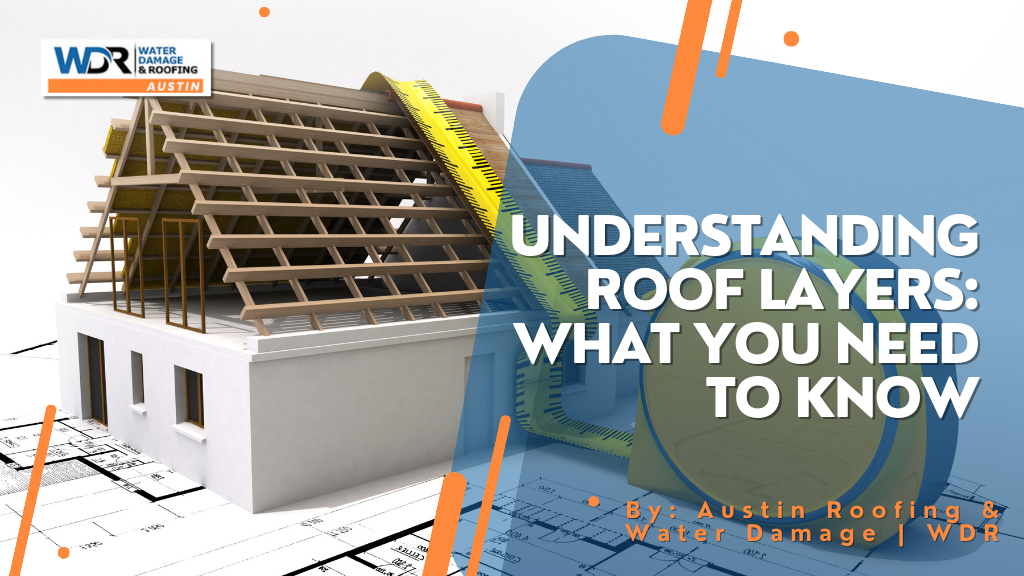
Understanding Roof Layers: What You Need to Know

Understanding Roof Layers: What You Need to Know

Most homeowners will likely see plenty of roofs while they walk or drive down the street, but they only notice the top layer of protection. However, the roof contains more than the architectural shingles at the top.

Whether you’re starting a roofing project or are curious, you don’t want to be surprised by the many layers you’ll have to use when installing a new roof. Therefore, knowing what they are and why they’re essential is crucial.

The first step is to break down all the roofing materials that make up the roof. Let’s get started!

1. Roof Decking

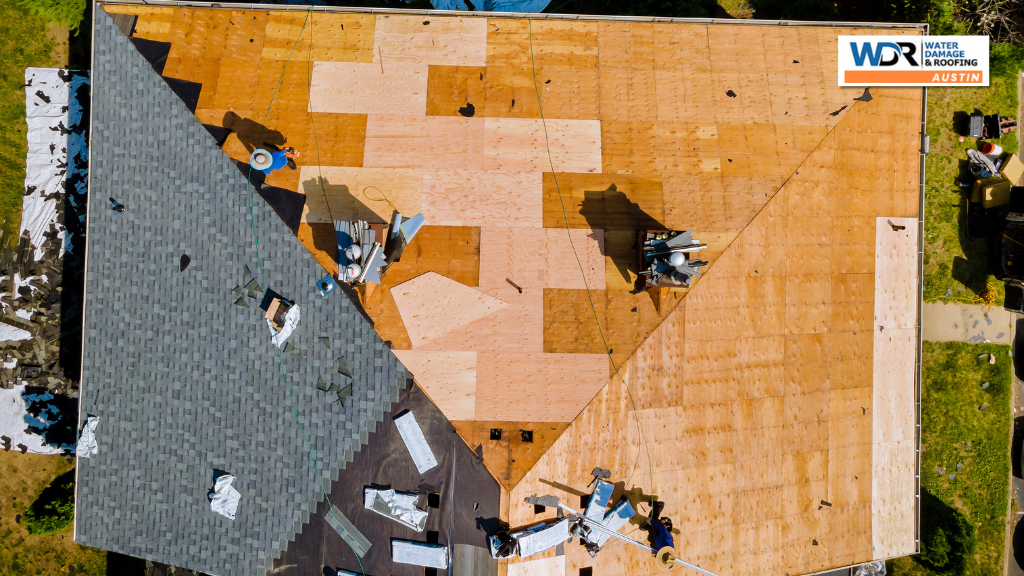
The first layer of your home’s roof will be to have roof decking installed, sometimes called roof sheathing. Primarily, the roof decking features wooden boards, such as planks or plywood, which build the frame. In a sense, it’s the foundation for the other materials. You’ll have to replace it when you get a new roof if it’s rotted or can’t handle the materials.

2. Drip Edge

Next, you have the drip edge and the metal flashing for the roof edges, such as the rakes and eaves. This keeps water infiltration away from the fascia and roof decking. Most local building codes require a drip edge, but some roofing contractors ignore this to save money or reduce labor costs.

3. Ice And Water Shield

There’s also the ice and water shield, the waterproof membrane that protects from water damage. It covers the roof decking when water gets beneath the roofing material, such as on a metal roof or regular shingles. Typically, it’s used around penetrations, roof valleys, and higher pitches.

4. Roof Underlayment

The next step is the synthetic roofing material (felt), which sits between the shingles and the roof deck. Traditionally, the synthetic underlayment is put directly over the decking to add an extra layer of protection from high winds and wind-driven rain.

Overall, synthetic underlayment is your last defense in severe weather, so choosing the right products is best.

5. Starter Shingles

After the underlayment, you’ll have starter shingles. This pre-cut row is like a starter strip that goes beneath the first line of shingles. It ensures enough roofing material between the shingle joints and will also help the first row of shingles get sealed along the rakes and eaves to resist wind-driven rain and strong winds.

6. Asphalt Shingles Or Other Roofing Material Options

Most people think of the roof system and focus on the asphalt shingles. This top layer can be almost any material, such as synthetic roofing, cedar shake roofing, metal, or shingles.

7. Roof Flashing

The roof flashing is a thin material, generally metal, such as copper, aluminum, or galvanized steel. It will move water away from your roof valleys, chimneys, and walls. It’s crucial and should be put on simultaneously with the shingles.

Typically, the flashing outlives the current roof it’s installed upon. Therefore, you won’t usually replace it when you add a new roof, but it should be inspected by a professional to prevent potential leaks or catch them early.

8. Ridge Caps

The professional adds the ridge caps once the shingles are in place on the roof. A ridge cap is a trim used on a sloped roof where the two edges meet. Typically, flat roofs won’t have this roof layer.

Regardless, ridge capping is thicker and pre-bent, meaning it will form the ridges. Sometimes, roofing contractors choose three-tab asphalt shingles to reduce costs, but different materials could be better because three-tab shingles aren’t designed for that purpose.

Using the manufacturer’s cap accessory is always better when choosing luxury or dimensional asphalt roofs.

9. Roof Vents

The ridge vents are often called roof vents. Regardless, they will allow the home and attic to breathe correctly. It’s the ventilation system; without it, your roof’s lifespan will be cut significantly short.

Depending on the ventilation system you have in place, you can find various roof vent products available. For example, active systems usually require power vents, turbine vents, solar-powered vents, or baffle vents.

Alternatively, if you have a passive ventilation system, go with box (static) vents, gable-end vents, or ridge vents with no baffle. Generally, roofers recommend active ventilation systems because they work better in almost all situations.

Why Roof Installation Is Crucial To Avoid A Full Roof Replacement

You now know the different layers on a roof and have learned important aspects about them. Typically, you will replace many of these roof layers when you get a new roof.

However, having these roof layers won’t do much good if they’re not installed properly during a replacement. Therefore, hiring a roofing contractor to handle the roof installation is wise for you. These professionals understand the benefits of plywood, underlayment, and other layers.

If you’re planning a roofing project, learning what you can is wise. However, the next step is choosing a roofer who can handle the job. Austin Roofing Company & Water Damage | WDR is an excellent choice. We offer various services and can handle all roof types. Therefore, it might be time to request your free roof inspection today or discuss your needs with a reputable professional!

FAQs about roof Layers

Your roofing system has different layers, and you may not need them. However, the three primary parts of a roof include the decking, ice and water shield, and roof underlayment, which could be made of various materials.

If you have a sloped roofing system, you’ll have nine layers on the roof. However, flat roofs typically don’t need caps, so that could be one layer less.

Many different layers make up your roof. Typically, you’ll start with starter shingles, but the roof underlayment is beneath that and is a crucial part of the system.

What Is Roof Sheathing? – Everything You Need to Know About It

What Is Roof Sheathing? – Everything You Need to Know About It

What’s the first thing you see when looking up at your roof? Many people believe that a roofing system comprises shingles or tiles. However, there’s much that you cannot see under these materials.

Every roof system needs a foundation to sit on. This is where roof sheathing comes in.

However, many homeowners question it: What does “roof sheathing” mean? Does it need to be replaced every once in a while? Are there different types?

brown brush on wooden board

Fortunately, here’s all the information you need. Read on to find all the answers to these questions and more!

What Is Roof Sheathing?

Also known as roof decking, “roof sheathing” describes the wooden boards forming the system’s framing, supporting hanging shingles, shakes, or tiles.

When installing roofs on residential buildings, technicians must leave a 16″ and 24″ spacing between rafters or trusses. As a result, these structures have large and open gaps.

To close off those gaps, you need a protective covering. That’s the roof sheathing.

Experts must install your shingles and other roofing materials or elements on these wooden boards. This covering protects the system’s internal components to keep the structure intact.

Sheathing boards also protect properties against leaks. Therefore, it’s crucial for the system’s longevity. In addition, this structure distributes the load evenly in case of heavy rainfall or snow, preventing your roof from sagging.

Types Of Roof Sheathing

These boards come in different types, which vary depending on the roof sheathing materials and the layout. However, these are the most common:

  • Oriented Strand Board (OSB)
  • Plywood, particularly CDX
  • Concrete
  • Wooden planks
  • Skip sheathing

Find more information about each roof sheathing material here!

Oriented Strand Board (OSB) Roof Sheathing

This material has been synthetically manufactured with different wood fragments, which are held together by special adhesives to create strong bonds between each one.

OSB boards are thick, sturdy, and less prone to swelling or warping over time. They have a uniform finish and are less expensive than other alternatives.

Pros

  • Affordable
  • Less vulnerability to swelling or warping over time
  • Thick panels

Cons

  • Presence of formaldehyde
  • Vulnerable to water damage

Plywood Roof Sheathing

Like OSB, plywood structures have different wooden layers bonded with special adhesives. It’s another popular option for roof decking.

Since it’s quite dense, plywood layers form a thick board that favors nailing. They also prevent water from reaching the core layers.

Thanks to this layering, these boards don’t shrink or warp. As a result, this roofing material lasts for a long time.

wooden roof sheathing

Pros

  • Available in multiple sizes, shapes, and finishes
  • No swelling when exposed to water
  • Lightweight

Cons

  • Expensive
  • Smaller panels
  • High maintenance

Concrete Roof Sheathing

Concrete sheathing is one of the best options when roof systems require high strength and sufficient support. It’s uniform and sturdy. In addition, this roofing material is more continuous than wood, so it prevents water leaks.

If you choose this option, technicians must pour concrete into prefabricated boards in several sets. After this step, they must place metal reinforcement.

It’s one of the most popular roof sheathing materials for green projects, as it replaces wood and helps reduce tree felling. However, concrete still has its carbon footprint.

Concrete can withstand strong winds, lasts for years, and doesn’t require extensive maintenance.

Pros

  • Fire resistance
  • Long-lasting materials
  • Lightweight
  • Paintable
  • High strength
  • Protection against rots and insects

Skip Roof Sheathing

If professionals must install skip sheathing, they place wooden planks, leaving a space between each one to allow air to pass through to dry out structures exposed to moisture.

While this roof sheathing material and technique are effective, the structure degrades over time. Therefore, you may need to make another investment to re-sheet the system.

However, many new materials have built-in small pores that promote air circulation, outperforming skip sheathing.

Pros

  • Moisture resistance
  • Less material cost
  • High durability

Cons

  • Expensive boards
  • Infectivity in areas with windy rains or significant rainfall

Wooden Boards Roof Sheathing

Although people began using wooden roof sheathing in the 20th century, wooden boards made from the bark of local hardwoods are quite popular.

Technicians cut wooden planks into the required shape and install them over the rafters. After this step, they add shakes and shingles to the sheathing.

person holding nailing gun sitting on wooden roof deck

People prefer asphalt shingles since these shakes eventually fall off and require replacement. Also, they’re more durable and cheaper. However, this roofing material requires a more solid support base that plain wooden boards don’t provide.

That’s why professionals replaced wooden board sheathing with new and improved options, such as OSB and plywood when installing asphalt shingle roofs.

Pros

  • Great insulation
  • Robust structure

Cons

  • Difficult to install
  • No warping over time

5 Things You Should Know About Roof Sheathing

Besides the types of roof sheathing and the definition, you should also know the following five things about this process:

Roof Sheathing Replacement

If you’re considering a roof replacement, you may also need to replace the roof sheathing, as this process involves tearing down the old structure to install the new components.

However, a roofing contractor must inspect the system to determine if the current sheathing can support the new roof materials.

Also, you may need to replace these roof coverings if the sheathing has degraded over time.

Roof Sheathing and Costs

You should consider sheathing to determine how much money you need to install a new roof. Remember that each material technicians use can impact the final cost.

Prices usually vary depending on the materials—however, the more sheathing that needs to be replaced, the higher the cost.

In other words, you might need more money to replace the entire roof deck, for example. However, roof decks that only need minor fixes would be cheaper.

Additionally, each roofing contractor has their criteria for how much they’ll charge for roof sheathing replacement.

Building Code and Roof Sheathing

Several signs show you should replace your roof sheathing before installing a new roof, such as a rotten or damaged structure.

However, a building code can determine when this structure must be replaced. Therefore, you should check the applicable local provisions to see if installing a new structure is time.

According to R905.1 of the 2018 International Residential Code, roof coverings must be applied according to the installation instructions provided by the manufacturer. If there’s a ⅛” gap between the planks, you’ll probably need to replace the sheathing before the installation begins.

Roof Sheathing Dimensions

To determine the roof sheathing thickness, consider the roof’s steepness, the spacing between the rafters, and the snow load the structure must bear.

Most roof sheathing panels come in 4″x8″ rectangular blocks. The thickness lies between ½” and ⅝,” but the recommended minimum thickness for plywood sheathing is ⅜.”

roofing specialist installing new roof

Sheathing for Metal Roofs

A metal roof also requires sheathing, as this component stabilizes the structure and prevents it from bending.

Also, on metal roofs, the sheathing allows the load to be uniform throughout the entire structure instead of concentrating in one place. This component also provides extra protection from the sun’s radiation during the summer.

Final Thoughts

Roof sheathing makes roofing systems sturdy, resilient, and long-lasting. In addition, they provide support for shingles, shakes, and tiles. It’s the strongest layer of the structure, so it’s one of the most important components.

If you want to install your roof sheathing or know if you should replace the structure, don’t hesitate to contact a professional roofer!

FAQs

CDX is a popular type of plywood for roof sheathing, but is it better than OSB? Both materials provide a high level of protection. However, you must choose the one that best suits your roof.

OSB is more water-resistant than CDX since this material absorbs and loses liquids easily.

Also, CDX is more expensive than OSB. Therefore, if you choose this material, you might need more money for your roof replacement or installation process.

However, if you have doubts about the best option for your roofing system, ask an expert for help!

Yes, it is! Roof sheathing fulfills different purposes and serves multiple functions, such as providing protection against water, preventing leaks, wind damage, or blow-off, and withstanding other harsh conditions. Furthermore, this component makes up the base that supports the roof materials.

It depends on the conditions of the roof deck. If it’s rotten or damaged, people must replace the roof sheathing.

As mentioned, local provisions and regulations may also define when people should replace this component or when a new installation might be the best option.

Ideally, homeowners should speak with a roofing contractor to inspect the roofing system and determine the best course of action.

The roof sheathing degrades over time. Therefore, you may need to replace it if it’s rotten or damaged.

Sometimes a roof repair is enough. However, if you notice the following warning signs, you should call a professional who will inspect the structure and determine if a replacement is more convenient:

  • Cracks: If the roof sheathing develops cracks due to poor load distribution, you may need to replace the entire structure. This is also necessary when a tree falls on the roofing system and breaks this component or when continuous moisture causes damage.
  • Fungal and mold growth: If there’s fungi or fungal growth on the roof sheathing, you should also consider a replacement.
  • Bowing or bulging: The decking may sink or swell up due to moisture. These may be signs that the structure is rotten.
  • Water damage: Prolonged exposure to water or humidity can also cause the sheathing to weaken and the materials to start to fall off.
  • Blackened spots: If you notice black spots on your roof and the material gives in easily, you should immediately call a professional. They often suggest that the structure is rotten or compromised.
  • Sagging: It’s one of the biggest signs that the roof needs to be replaced. Besides being unattractive, it’s dangerous.
  • Holes: Since they allow water to enter the structure, you should request an inspection to determine if you need a replacement if you notice holes in your roof.