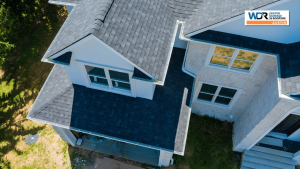
Roof Replacement Cost in Austin TX: 2026 Pricing Guide

Roof Replacement Cost in Austin TX: 2026 Pricing Guide

Last Updated: March 2026

Your roof is one of the most important elements of your home. It serves as a barrier between your inner sanctuary and the elements and helps to regulate the indoor temperature.

However, like all exterior structures, roofs aren’t built to last forever, and when the damage is extensive, you will have no other choice but to replace your existing roof with a new one.

The truth is that building a new roof involves a considerable investment. If you’re wondering how much you can expect to spend for a Texas roof replacement, keep reading.

This post will provide all the information you need on replacement costs.

How to Tell That Your Roof Needs Replacing

Before talking about the cost of replacing a roof in Texas, let’s first talk about how you can tell when it’s time to install a new roof. Here are a few tell-tale signs that you need to replace your roof:

  • It has reached the end of its lifespan. Most roofs last 20 to 50 years, so if your roof is older than this, it’s probably time to replace it.
  • There’s water damage. If you notice water leaks, this is a sign that your roof needs replacing.
  • There’s sagging. Trapped moisture can cause your roof to sag, damaging the roofing materials.
  • Mold, fungi, or moss have taken over. Excessive mold, fungi, or moss growth means you have trapped water in your roof.

If you notice any of these signs, it’s time to think about a replacement. Contact us for a free estimate!

The Average Roof Replacement Cost in Texas

Although they require a significant investment, roof replacements are essential for home maintenance. The average cost of roof replacement in Texas might differ depending on the roofing material used and the size and style of the house.

Average Roof Replacement According to Size

A straightforward roof replacement in Texas will cost close to $5,000. However, the metal roofing typically runs $15,000 to $30,000, and tile $20,000 to $40,000 or more if your roof is bigger or the job is more challenging.

Average Roof Cost According to Roof Materials

Moreover, the choice of roofing materials also affects the price of roofing. Metal roofs are generally more expensive than other roofing materials, costing anywhere from $15,000 to $30,000 for metal roofing in Austin.

You can expect to pay $8,000 to $15,000 for asphalt shingles on an average Austin home roofing, depending on the dimensions of your roofing and the shingle quality. We will talk more about these factors later on in this article.

Every roof is unique, and replacing a roof in Texas will come with challenges. Based on your unique requirements, Austin Roofing Company & Water Damage | WDR can provide you with a more precise estimate of the cost of a new roof.

What Factors Affect Roof Cost in Texas?

The roofing cost varies greatly based on a number of factors. Let’s take a closer look at these factors to understand better what to expect.

Understand the key distinctions and which option suits your situation in our blog: What is the Difference Between Roof Replacement and Reroofing?

1. Roof Size

The roof’s square footage or surface area is the most significant impact on price.

The cost to put up a new roof on a 1,500-square-foot home, including removing the existing layer of shingles, is $8 to $15 per square foot installed for asphalt shingles in Austin.

Roofing Square

Contractors will measure your roof accurately using square footage. Next, they will divide that number by 100 to get what is known as a roofing square.

The Average Cost to Replace a Roof in Texas per Square Foot

Here’s what you can expect to replace roofs of different sizes:

  • 5,000 square feet – $18,000 to $19,500
  • 4,500 square feet – $16,200 to $17,550
  • 4,000 square feet – $14,400 to $15,600
  • 3,500 square feet – $12,600 to $13,650
  • 3,000 square feet – $10,800 to $11,700
  • 2,500 square feet – $9,000 to $9,750
  • 2,000 square feet – $7,200 to $7,800
  • 1,900 square feet – $6,840 to $7,410
  • 1,800 square feet – $6,480 to $7,020
  • 1,700 square feet – $6,120 to $6,630
  • 1,600 square feet – $5,760 to $6,240
  • 1,500 square feet – $5,400 to $5,850

2. Pitch

It’s important to remember that the roof size will differ from the size of your house. It could be plain, flat, or sloped. The “slope” of a roof is known as the roof pitch.

There are houses with a shallow roof pitch and others that are significantly higher. Replacement costs are affected by the pitch elevation because a steeper roof has a larger surface area.

The steeper the roof, the greater the price, which means that a flat roof replacement will cost less than a low-slope roof replacement.

3. The Condition of Your Existing Roof

It makes sense that replacing a roof in good shape will be more affordable than replacing one in bad condition. That’s because more labor costs are involved.

roofer replacing a roof

4. Roofing Material Costs

As we have already mentioned, roof replacement costs are influenced by the type of roofing material you choose. We recommend clay or concrete tiles in Texas because they do well in hot climates. Here are some of the average prices of different materials:

Tiles

Installing tiles requires a framed structure that must be built over your roof. There are various types of roof tiles to choose from. Slate tiles are a popular choice, but without removing the damaged roof, they could cost more than $630.

Metal Roofs

Metal roofs are incredibly long-lasting, weather-resistant, and made of recycled resources. You may need to spend $680 to $892 on roof overlays to construct a metal roof.

Asphalt Shingles

Asphalt shingles are widely available, and reasonably priced roofing material is simple to set up and incredibly durable. Prices range from $145 to 238 for a simple roof overlay and an average of $190 to 240 to remove the old roof.

Wood Shingles

Pine or cedar wood shingles may be more expensive, but they often last longer than asphalt shingles and offer a lot more in terms of durability. They can cost between $480 and 630 to install without removing the current roof.

5. Labor Cost

When replacing your roof, you will need to hire a team of roofing contractors to tear down your old, damaged structure and replace it with a new roof.

The labor cost will vary from one company to another, so be sure to shop around and get quotes from different local roofing companies before choosing a service provider.

It’s also important to remember that if your roof replacement is more complex, it will take longer to complete, which means that you’ll pay more for labor.

6. The Type of Roof and Additional Requirements

If you are replacing your roof, you don’t have to choose the same style. There are a number of different roof types to choose from, such as:

  • Mansard
  • Hip
  • Gable

The roof cost will be greater if you choose a more elaborate new roof than a flat one. Moreover, if you need to replace gutters or install a chimney, this will raise the cost.

7. Location

Your location will also impact the Texas roof replacement cost. For a detailed breakdown, see our roof replacement in Austin guide.

8. The Time of Year

The roof cost can also vary depending on the time of year. Typically, the warmer seasons of summer and spring are when roofers are busiest. As a result, you might have to spend more on roof replacement during these months.

Suppose you book your replacement for colder seasons when roofing companies are typically less busy. In that case, you might be able to negotiate a better price.

Contact Austin Roofing Company & Water Damage | WDR for a Free Estimate!

If you are looking for affordable roofing contractors in Texas to help you replace your roof, then you have come to the right place! You can count on our expert team to complete the job on time and within your budget.

We offer affordable and transparent pricing to ensure that you are never left in the dark when it comes to roof replacement costing.

Get in touch with us to learn more about our services, or request your free, no-obligation estimate!

How to Fix a Roof Leak in Austin TX

How to Fix a Roof Leak in Austin TX

Apart from the inconvenience and frustration, a roof leak in Austin, TX, is any homeowner’s worst nightmare. There’s no good time to be in such a situation. By the time you notice a small leak, it may have caused considerable damage.

This post will talk about signs of a leak, such as those in roof valleys or the flashing in a vent pipe, the potential damage, some DIY solutions, and when to call a roofer like Austin Roofing Company & Water Damage | WDR for roof leak repair.

Causes of a Leaky Roof

Here are possible factors that may cause most roof leaks:

Small Holes Resulting From Storm Damage

Austin is prone to storms that may cause small holes in a roof. These are extremely sneaky and may go undetected for years. A tiny hole may cause grievous damage to your home and wallet in the long run.

The roof penetrations will eventually start leaking when you least expect them. Small holes may also appear on your roof if you remove an old antenna or dish where you had anchored it.

Know which option is right for your home in our blog: Roof Repair or Replacement – Consider This Before Hiring a Roofing Company.

Age of Your Roof

The older your roof gets, the more chances of developing small leaks, especially in the roof valleys. Regular exposure to harsh weather and temperature changes makes a roof old and tired. It will eventually lose the battle against exposure to water, and leaks will develop.

How long the roof lasts depends on the materials used:

  • Standard asphalt shingles last about 20 years
  • Fiber cement shingles last about 25 years
  • Wood shake shingles last about 30 years
  • Metal, slate, and tile roofs last about 50 years

A roof becomes brittle and deteriorates with time, making it unable to protect your home from leaks. Damage or neglect shortens the life of your roof, regardless of its roofing materials.

Clogged Gutters

Regardless of your roof design, you’ll likely experience leaks when the gutters are clogged. Falling leaves and debris clog the gutters and limit water flow. It builds up and overflows to cause leaks.

Missing Shingles

The shingles protect your roof and allow water to run into the gutters. All nails holding the shingles ensure they do their job properly to avoid leaks.

Poor installation of the shingles, such as missing nails, may sometimes encourage leaks. Using substandard roofing material during installation is also disastrous.

Storm or wind damage may damage the shingles or blow them off your roof. If your house is near some trees, a fallen branch may puncture the shingles and roofing underneath to increase the chances of leaks.

Damaged Flashing

A roof has metal that goes over joints and seams to protect it from leaks, known as flashing. Its poor installation may encourage water to enter your house. It may also move out of position when not appropriately attached.

Metal flashing is also prone to damage over time from corrosion, allowing water to pass through.

Roof Vents, Skylights, and Chimneys

roofing expert nailing roof

Your roof has a risk of leaks if it has vents, skylights, or chimneys. Poor installation of these features can allow water to seep into your house. Water may come into your house if the step flashing around the skylight has cracks.

Insulation around the skylight also deteriorates over time, causing a leaking roof. The chimney may break down with time and also contribute to leaks. Poor insulation of the roof vents may contribute to leaks when water goes through.

Some Roof Leak Facts You Should Know

A roof leak is a common problem for homeowners and comes with various problems on your property. During the rainy season, a small leak may become an emergency. Here are some valuable facts about roof leaks:

Leaks Can Happen Anytime

Although leaks are more evident during a storm, they can start when it’s sunny. After it has rained, not everything that remains on your roof drains off naturally.

When heavy rain comes pounding your roof, those that remained make it heavier, which may compromise its integrity, creating holes and eventual leaks.

Holes Can Be Anywhere on Your Roof

aerial view of residential roof

Spots and stains don’t usually provide the source of a roof leak. Water may drain from the rafters spilling into the vaulted ceiling into other areas. Only a roof repair expert can detect the source of the leak.

Rain Doesn’t Always Fall Straight

It seems obvious that rain falls straight, but it’s not always the case. Sometimes rain comes at an angle according to where the wind blows. There’s a possibility of working its way under your flashing or through the vent pipe, causing a leaky roof.

Maintenance Is Better Than Repair

Routine maintenance is more cost-effective compared to repairs. It involves preventing leaks before they develop into more significant problems.

Calling a trusted roofer to come and undertake appropriate roof repair is very important. WDR offers a free roof inspection for Austin homeowners. It will save you a lot of money you would have used when the problem escalates. Contact a trusted Austin roofing contractor at WDR for 24/7 service.

Common Signs of Roof Leaks

Let’s now look at some telltale signs that you have a leaky roof.

Water Stains

You can tell a water leak from stains on your ceiling. The stain may look like a small puddle with a brown tinge on the edges. You must look out for discoloration on the ceiling, as it could also indicate a roof leak.

Moisture on the Walls or Drips

When you notice moisture or water dripping on your wall, it signals a roof leak. Take preventive measures even when the issue seems to have disappeared. The chances are high that it will come back someday.

The problem may result from an ice dam on your roof that freezes, and the frost melts after a while causing intermittent leaks.

Missing Shingles

Although it may not be proof that your roof leaks at the moment, lost shingles are a precursor to the problem. If you don’t replace the shingles, water will likely enter your interior whenever rain comes.

Mold on Exterior Walls

Sagging gutters contribute to the presence of mold on your exterior walls. Gutters in good condition are essential for a good roofing system. If mold appears on your walls, your gutters may be clogged, causing overflow, and need cleaning.

How to Fix a Roof Leak

A roof leak in Austin can escalate quickly — what starts as a small stain on your ceiling can become a mold problem, structural damage, or a full replacement if it goes unaddressed. Some leaks can be temporarily managed with a tarp or sealant while you wait for a professional. Others need immediate attention from an experienced roofer. This guide walks you through the temporary fixes available to Austin homeowners, the signs a leak has gone beyond DIY repair, and when to call a licensed roofing contractor.

Cover the Area With a Tarp

After a nasty storm damages your roof, you can limit further damage by tarping it. You can call an experienced roofer or do it yourself. Adding a tarp to your roof is an emergency solution when your trusted roofer is busy elsewhere.

Securing the tarp properly and covering the nail heads with roof cement protects a roof when rain, storm, or wind comes. It also prevents holes or lost shingles from turning into leaks or worsening.

Apart from shielding your home, it may be necessary according to your insurance policy. Not limiting storm damage on your home may make the insurance company not cover the extra damages.

Don’t attempt to tarp a leaky roof yourself. Standing on a damaged roof without appropriate safety equipment and knowledge is risky, especially if you suspect your roof to problems.

You may fall off the wet roof or tripping hazard such as loose shingles. A badly damaged roof may even collapse under your weight.

Always find a roof technician to attach the tarp to get peace of mind and reassure your insurance company. Professional roofers may also use a garden hose to test your ceiling for leaks.

Here are the steps to tarp a leaky roof:

  • Examining your roof and determining the tarp size
  • Take pictures of the damage to show to your insurance company
  • Selecting a tarp for attaching to the location of the roof leak
  • Removing debris from your roof
  • Unfurling the tarp and placing it over the problem area
  • Securing the tarp with nails or screws

roofing specialists installing roof cement on residential roof

Use Roof Cement

There’s special cement for sealing roofing leaks. It’s strong material made of ground asphalt that fixes other roof issues, such as holes. It also re-attaches broken shingles.

The roof must be completely dry before applying the cement. Applying cement to repair a leaking roof is a straightforward process that requires removing debris from the damaged area.

Afterward, use the cement to fill the hole or gap. A professional roofing contractor may put mesh on the cement for additional strength.

Applying Silicone

Silicone may temporarily fix a roof leak. The material creates a restoration membrane on your current roofing system.

Applying a silicone layer to your roof eliminates leaks and offers a waterproof cover.

Some of the benefits of considering silicone for roof leaks include the following:

  • Saves money on labor and material
  • Extends the life of your roof
  • Significantly reduces energy costs
  • Shortens project duration

Using a Rubber Sealant Coating

Most people purchase sealant from their local store when faced with roof leaks. You can use DIY sealant to temporarily fix the problem. However, a professional roofer can provide a long-term solution.

Sealant works on wet and dry surfaces to allow fixing minor leaks instantly. More significant roof leaks have different procedures when applying sealant. You can also use a tarp and cover the edges using rubber.

Be mindful that you may leave large color splotches after spraying the sealant.

Fixing Shingles With Damage

A sound roof keeps you and your family safe and warm. Since a new roofing system is pricey, although it comes with a roof warranty, fixing shingles with damage may prevent leaking. Let’s walk you through the ways to fix a damaged roof without spending a fortune.

Replace Damaged Shingles

One way to repair a leaking roof is to replace any lost shingles. You have to replace everything, even when only a part of the shingle is missing.

You need some materials to do the task, such as:

  • Putty knife
  • Hammer
  • Roofing nails
  • Flat pry bar

Fix Curled Shingles

The corners of asphalt shingles curl downward or upward at the corners over time. You can limit the damage by gluing the curved section down.

A caulking gun helps apply the sealant.

Afterward, weigh down the shingle using something heavy and leave it for about 24 hours for the roof sealant to dry. However, always call an experienced roofer to repair the leaking roof correctly.

Repair Cracked Shingles

You don’t have to replace the shingle that is torn or cracked. Applying sealant on the crack might solve the roof leak.

To ensure you’ve done a great job, press the shingle down and apply a second coat of sealant.

Afterward, spread the sealing using a putty knife.

To avoid seeing that you’ve patched your shingles, add some colored granules collected from shingles to the sealant. This is a wonderful idea to mask the roof leak repair you’ve done.

Applying Plastic Sheeting

A storm may cause a lot of homes to become prone to roof leaks in the coming months. Roofing contractors are likely to be so busy through the period.

Therefore, homeowners must know how to protect their interior before the roofer arrives.

A roof leak may escalate and affect your whole household, making pinpointing the source of the problem challenging. You can easily find the source of the roof leak and cover it using a plastic sheet over your whole roof.

Choose UV-resistant sheeting so it won’t deteriorate in a short while. Blue tarps are easily available at a local hardware store but always choose a thicker tarp for effective roof leak repair.

Dangers of Ignoring a Leaking Roof

Whenever you notice a roof leak, never hesitate to call a trusted roof or apply DIY solutions to prevent the problem from growing. Doing this will protect you from the various problems highlighted below.

Structural Damage

The most apparent effect of a leaking roof is structural damage. Ignoring the problem significantly damages various parts of your home, including:

  • Wall framing
  • Ceiling joists
  • Roof sheathing
  • Fascia board
  • Rafters

Chronic leaks encourage weakened framing and wood deterioration.

There’s also a likelihood of experiencing damaged ceiling walls and joists, leading to costly wood framing. Structural damage results from a leaking roof that has been ignored for some time.

In a worst-case scenario, a ceiling in bad condition may collapse, causing significant damage to your interior.

Interior Damage

Another potential risk of a leaking roof is damaged furnishings and painting. Apart from the roof leak repair costs, you’re likely to spend on extra restoration and replacements. Some items that may suffer irreparable damage from water exposure include:

  • Important documents
  • Photos
  • Furniture
  • Electronics
  • Family heirloom
  • Memorabilia

Fire Hazard

Water drips might seem harmless but become a fire hazard if you have electrical wiring in the ceiling or attic. Sparks may cause a fire, usually developing when water droplets touch shorted wires.

In a worst-case scenario, this may excessively damage your home and cause loss of lives. Turn off the electricity when you notice a roof leak and call a professional roofer to come and remediate the problem.

Mold Presence

The presence of mold in your home is a worrying concern and encourages various health issues. Breathing problems such as asthma or nasal congestion escalate because of mold growth from a leaking roof.

Mold, especially black, may also infiltrate your wood framing, carpets, ceiling, and furniture. Although rare, it’s not worth taking chances since it develops from not fixing a roof leak for a long time.

Wood Deterioration and Breakage

roofing experts on residential roof

Another problem of a leaking roof is the deterioration and breakage of wood structures in your home. It could result in severe hazards, including falling ceilings and walls, that may wreak plenty of havoc in your household.

Damaged Insulation

Ignoring roof repair may cause water to reach your attic access. This won’t be good news if it reaches your insulation. The insulation may incur significant damage and depletion over time.

Your home will lose hot and cool air leading to overusing your HVAC system. One way to identify this is if your energy bills skyrocket in a short period.

Encourages Slips and Falls

Immediate roof repair is vital to protect your family members from slips and falls once they step into pools of water resulting from leaks. This affects everyone, although seniors and children are more vulnerable. A quick slip or fall may result in serious physical injuries.

Conclusion

A roof protects your family and valuables from extreme weather conditions such as storms, sunshine, and rainfall. However, the roof deteriorates over time, requiring maintenance, repair, or replacement. It pays to know a professional and experienced roofer you can call whenever you have a roof problem.

Are Metal Roofs Sustainable? A Guide to Eco-Friendly Roofing in Austin

Are Metal Roofs Sustainable? A Guide to Eco-Friendly Roofing in Austin

TL;DR

Metal roofs are one of the most sustainable roofing options available for Austin homeowners. They are made from recycled materials, are highly recyclable, have a long lifespan, reduce landfill waste, and reflect heat to lower energy consumption. Plus, they’re recyclable at the end of their life.

What Makes a Roof Sustainable?

newly installed roof for residential houseA sustainable roof conserves resources, minimizes environmental impact, and contributes to long-term energy efficiency. Key factors include:

  • Use of recyclable or recycled materials
  • High durability and longevity
  • Energy efficiency (e.g., solar reflectivity)
  • Reduced maintenance and waste over time
  • Minimizes waste through efficient use of materials and recycling practices

These characteristics align well with modern green building standards, such as LEED and Energy Star guidelines.

Why Metal Roofing Is Considered Eco-Friendly

Metal roofing stands out in nearly every sustainability category. Here’s why:

For environmentally conscious homeowners, metal roofing is a sustainable choice.

♻️ Recyclable & Recycled Materials

Most metal roofs contain 25%–95% recycled content and are 100% recyclable at the end of their life. This drastically reduces construction-related landfill waste compared to asphalt shingles.

🌡️ Reflectivity = Energy Savings

Many metal roofing options—especially with cool roof coatings—reflect the sun’s rays and reduce heat absorption, helping to keep homes cooler. This lowers cooling costs in Austin’s hot climate.

Explore more about whether metal roofing reduces energy costs. Yes—it absolutely can.

🧱 Long Lifespan = Less Replacement Waste

A longer roof’s lifespan means less frequent replacements and reduced waste. While asphalt roofs typically last 15–20 years, a well-installed standing seam metal roof can last 40–70 years. That’s decades less waste entering landfills.

Sustainability Benefits in Austin’s Climate

In a hot, often stormy climate like Austin’s, sustainability also means resilience.

  • Hail- and wind-resistance: Withstands severe weather and strong winds common in Austin, reducing premature replacement
  • Fire-resistant: Ideal for wildfire-prone areas
  • Cool roof coatings: Minimize AC demand during triple-digit summers

Bonus: These benefits can help lower home insurance premiums over time.

Interested in eco-conscious durability? Learn more about our metal roofing installation process.

Are All Metal Roofs Equally Green?

Not quite. Here’s what to consider:

Material Type

  • Aluminum: Often made from recycled beverage cans; very eco-friendly
  • Galvalume & Steel: Durable but heavier to transport, so consider local sourcing

Coating & Paint

Opt for non-toxic finishes and reflective coatings that meet Energy Star standards.

Fastening System

Concealed systems, such as snap-lock standing seam, last longer with fewer penetrations, thereby minimizing potential leaks and repairs.

Comparing Metal to Asphalt & Tile

Feature Metal Roof Asphalt Shingles Clay/Concrete Tile
Recyclable ✅ 100% ❌ Rarely ✅ Sometimes
Reflectivity ✅ High ❌ Low ✅ Moderate
Lifespan ✅ 40–70 years ❌ 15–20 years ✅ 30–50 years
Weight ✅ Lightweight ✅ Light ❌ Heavy (structural impact)
Maintenance ✅ Low ❌ Moderate/High ❌ High

The lightweight design of metal roofs puts less strain on your home’s structure and foundation compared to heavier materials like clay or concrete tile.

Compare our post on metal roofing vs. tile for more information.

Metal Roofing and Increased Property Value

top view of brown metal roofInvesting in metal roofing is one of the most innovative ways Austin homeowners can boost their property value. Metal roofs are highly sought after for their exceptional durability, energy efficiency, and modern aesthetic appeal. Unlike traditional asphalt shingles, which often require frequent roof replacements and ongoing maintenance, metal roofs offer a long lifespan—often 50 years or more—with little maintenance required. This longevity and reliability make metal roofing a standout feature for potential buyers, especially in a competitive Austin, TX real estate market.

According to the National Association of Realtors, homes with metal roofs can sell for up to 10% more than those with conventional asphalt shingles. Buyers are drawn to the peace of mind that comes with a roof designed to withstand extreme weather conditions, from heavy rain to hot summers. The extra layer of protection provided by metal roofing not only safeguards the home but also reduces the likelihood of costly repairs. For homeowners, this means a higher return on investment and increased property value when it’s time to sell. In short, choosing metal roofing is a win-win for both current comfort and future resale.

Curb Appeal and Metal Roofing

A metal roof does more than protect your home—it can dramatically enhance your home’s curb appeal. The sleek lines and modern finishes of metal roofing instantly elevate the look of any property, making it a standout in any Austin neighborhood. With a wide variety of colors, profiles, and finishes available, metal roofs can be tailored to complement any architectural style, from classic bungalows to contemporary homes.

For those who love the look of traditional roofing materials, metal shingles can mimic the appearance of wood shakes or even cedar, while delivering the superior durability and energy efficiency that metal is known for. This versatility allows homeowners to achieve the perfect balance between timeless charm and modern performance. Additionally, metal roofing’s ability to reflect solar heat results in lower energy consumption and reduced air conditioning costs—an essential consideration during Austin’s hot summers. By choosing a metal roof, you’re not only boosting your home’s aesthetic appeal and curb appeal but also investing in a sustainable, energy-efficient upgrade that benefits both your wallet and the environment.

How to Choose the Right Sustainable Metal Roof

Here are the most effective ways to choose a sustainable metal roof in Austin, Texas:

  1. Go local – Choose products manufactured or distributed locally to reduce your carbon footprint
  2. Look for certification – Cool Roof Rating Council (CRRC) or Energy Star labels
  3. Hire a trusted installer – An experienced crew ensures proper installation, minimizing waste and maximizing performance

Utilize our roof inspection service to evaluate your current system, or request a roof estimate for a metal roof upgrade.

Choosing the Right Metal Roofing Contractor

Selecting the right contractor is crucial to the success of your metal roofing project. Austin homeowners should prioritize working with local metal roofing experts who understand the unique challenges of Central Texas weather and have a proven track record with metal roofing systems. A reputable contractor will recommend the best materials—such as steel or aluminum—tailored to your home’s needs and ensure the installation is done to the highest standards.
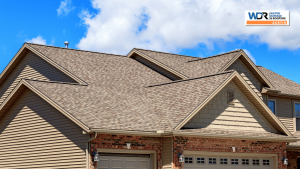
Before hiring, check the contractor’s customer satisfaction ratings, warranties, and certifications. These factors are key indicators of quality workmanship and reliable service. The right contractor will not only provide superior protection and energy efficiency for your home but also help minimize the environmental impact of your roofing project by using sustainable materials and efficient installation practices. By partnering with experienced professionals, you can be confident that your new metal roof will deliver long-lasting performance and peace of mind for years to come.

Common Mistakes to Avoid with Metal Roofing

While metal roofing offers outstanding durability and long-term value, avoiding common mistakes is essential to maximize its benefits. One of the most common errors is improper installation, which can result in leaks, reduced energy efficiency, and a shortened roof lifespan. It’s essential to choose high-quality materials, steering clear of thin or corroded metal that can compromise your roof’s integrity, especially during Austin’s extreme weather conditions, such as heavy rain and high winds.

Neglecting regular maintenance is another pitfall. Although metal roofs require minimal maintenance, periodic inspections help identify minor issues before they escalate into significant problems, ensuring your roof continues to perform optimally. Working with a reputable contractor who uses top-grade materials and follows best installation practices is the best way to avoid these mistakes. By doing so, Austin homeowners can enjoy the full long-term value, energy efficiency, and environmental benefits of their metal roof while minimizing the need for frequent repairs or replacements.

The Future of Metal Roofing

The future of metal roofing is brighter than ever, especially as more homeowners in Austin and beyond seek sustainable, energy-efficient solutions for their homes. Innovations in technology and manufacturing are driving the development of advanced metal roofing products that offer enhanced durability, improved energy efficiency, and increased aesthetic appeal. Standing seam metal roofs, for example, are gaining popularity due to their sleek appearance and ability to withstand the extreme weather conditions typical in Central Texas.

The use of recyclable materials, such as steel and aluminum, is also helping to reduce the environmental impact of roofing in Austin. As the industry continues to evolve, expect to see even more options for low-maintenance, long-lifespan metal roofs that reflect solar heat and help lower energy bills. With growing awareness of sustainability and the need for long-lasting roofing solutions, metal roofing is poised to become the top choice for homeowners seeking to protect their investment, enhance curb appeal, and minimize their environmental impact. Whether you’re planning your next metal roofing project or simply exploring options, the future promises even more innovative, eco-friendly choices for Austin homes.

Choosing the Right Metal Roofing Contractor

Roofer fixing a metal roofSelecting the right contractor is crucial to the success of your metal roofing project. Austin homeowners should prioritize working with local metal roofing experts who understand the unique challenges of Central Texas weather and have a proven track record with metal roofing systems. A reputable contractor will recommend the best materials—such as steel or aluminum—tailored to your home’s needs and ensure the installation is done to the highest standards.

Before hiring, check the contractor’s customer satisfaction ratings, warranties, and certifications. These factors are key indicators of quality workmanship and reliable service. The right contractor will not only provide superior protection and energy efficiency for your home but also help minimize the environmental impact of your roofing project by using sustainable materials and efficient installation practices. By partnering with experienced professionals, you can be confident that your new metal roof will deliver long-lasting performance and peace of mind for years to come.

FAQ: Sustainable Metal Roofing in Austin, TX

Are metal roofs considered eco-friendly?

Yes, many metal roofing products are viewed as environmentally friendly. They are often manufactured using recycled materials and can typically be recycled again at the end of their lifespan. Their reflective surfaces may also contribute to lower cooling demands in warmer climates, such as Austin.

Do metal roofs lower your energy bills?

Metal roofs can help reduce energy use in some homes by reflecting solar heat, especially when coated with a reflective finish. In sunny areas like Central Texas, this may translate to reduced indoor cooling needs. However, the actual savings depend on several factors, including roof color, attic insulation, and HVAC efficiency.

How long does a metal roof last compared to shingles?

Metal roofs generally have a longer expected lifespan than many traditional roofing materials. While asphalt shingles typically last 15 to 30 years, a well-installed and properly maintained metal roof might last 40 to 70 years. Longevity can vary depending on the type of metal and local weather conditions.

Can metal roofing be installed over existing shingles?

In some cases, yes. Metal roofing can often be installed over existing roofing materials, including a single layer of asphalt shingles, if local building codes permit it and the structure is in good condition. A professional inspection is essential to determine whether your current roof can support an overlay without compromising its long-term performance.

Are there tax credits for installing energy-efficient metal roofs?

Homeowners may be eligible for federal or local tax incentives when installing qualifying energy-efficient roofing materials. Eligibility often depends on the type of product and whether it meets current ENERGY STAR® or local energy code standards. It’s best to consult a tax professional or visit the IRS and local municipal websites for up-to-date guidance.

Final Thoughts & Resources

Metal roofing is one of the most eco-friendly investments a homeowner can make. In Austin, Texas’s hot, storm-prone climate, it pays off in reduced energy bills, long-term performance, and lower environmental impact.

Metal roofing can also enhance your home’s exterior with modern styles and color options, while providing sustainability benefits.

Still wondering if it’s the right fit for you?

When you’re ready, our Austin roofing team is here to help you transition to a sustainable roofing solution.

Cool Roofs and Energy Efficiency: Are Metal Roofs the Best Option?

Cool Roofs and Energy Efficiency: Are Metal Roofs the Best Option?

TL;DR

Cool roofs reflect more sunlight and absorb less heat than standard roofing materials, helping homeowners in Austin reduce cooling costs. Metal roofing, especially coated with reflective finishes, is one of the top-performing cool roofing options. It lasts 40–70 years, resists hail, and offers excellent energy savings year-round.

What Is a Cool Roof?

A cool roof is designed to reflect more sunlight and absorb less heat than traditional roofing. Unlike a conventional roof, which tends to absorb and transfer more heat into the building, a cool roof helps maintain lower indoor temperatures and reduces cooling needs. These roofs are made from highly reflective, cool materials or coatings that enhance solar reflectance and help reduce surface temperatures, keeping homes cooler in hot climates like Austin.

Cool roofs are ideal for homeowners seeking to enhance comfort, reduce energy bills, and prolong the lifespan of their roofing system. They often use materials with high thermal emittance, which efficiently release absorbed heat and further contribute to energy savings.

Discover the benefits of metal roofing here.

How Do Cool Roofs Improve Energy Efficiency?

In the summer, roof surfaces can reach temperatures of up to 150°F due to intense solar radiation. Cool roofing can reduce the temperature by as much as 50°F. Here’s how that impacts your energy use:

  • Reduced cooling costs: Less heat is absorbed by your home, meaning your HVAC system works less.
  • Increased comfort: Keeps attic and living spaces cooler.
  • Environmental benefit: Reduces urban heat island effect and greenhouse gas emissions.

The effectiveness of cool roofs can vary across different climate zones; therefore, it’s essential to consider the local climate classification when selecting roofing solutions.

Why Austin Homes Need Cool Roofing

Austin’s summers are no joke. With triple-digit temperatures and intense UV exposure, your roofing material plays a key role in home comfort.

Cool roofs in Austin:

  • Help reduce energy bills
  • Extend roof lifespan by reducing thermal cycling
  • May qualify for local energy rebates or financial incentives offered by local governments

If you’re considering a roof replacement, now is the perfect time to explore cool roof options.

New construction projects also provide an ideal opportunity to install cool roofs and take advantage of available incentives.

Are Metal Roofs Considered Cool Roofs?

Yes, especially when coated with reflective finishes. Metal roofing has inherent properties that make it an excellent candidate for energy-efficient applications. Options include standing seam panels and metal shingles, which can be shaped to mimic traditional shingles or tiles. Metal shingles can be factory-coated with reflective finishes to enhance energy efficiency further.

  • Reflective coatings: These coatings often utilize special pigments to enhance solar reflectance, particularly in the near-infrared spectrum, thereby reducing heat absorption and improving the thermal performance of the roof.

For more information on rated cool roof products and up-to-date standards, consult the Cool Roof Rating Council, which maintains a comprehensive directory and performance database.

Advantages of Metal Cool Roofs:

  • Naturally reflective, especially in light colors
  • Compatible with solar reflective coatings
  • High thermal emissivity: radiates absorbed heat efficiently
  • Suitable for low-sloped roofs, which can benefit from cool roofing materials such as prefabricated sheets and single-ply membranes for added durability and energy efficiency

You can explore various types of metal roofs to determine which one best suits your home.

Standing seam metal roofs are especially effective due to their concealed fasteners and weather-tight design.

Best Metal Roofing Types for Energy Efficiency

person repairing a metal roofHere are the top-performing metal roofing systems for cool roof performance:

Compared to traditional materials like terra cotta tiles, which are valued for their natural, unglazed appearance and water resistance, these metal roofing options offer advanced reflectivity and energy efficiency.

White roofs, such as those installed at the U.S. Department of Energy Headquarters, are often considered the benchmark for reflectivity and energy-efficient building design.

1. Standing Seam Metal Roofs

Features long vertical panels and hidden fasteners. Reflective coatings make these highly efficient.
Explore standing seam roofs

2. Snap-Lock Systems

Offer interlocking panels for better thermal movement and cooling performance.
Check out snap-lock metal roofs

3. Exposed Fastener Systems

Less expensive and still benefit from reflective coatings, though slightly less efficient.
View exposed fastener options.

Looking for guidance on metal roof installation? Our team provides expert services across Austin.

Other Cool Roof Materials to Know

While metal roofs are top contenders, here are other cool roofing materials:

  • TPO Roofing: Highly reflective and commonly used in commercial buildings. Learn about TPO
  • Cool Asphalt Shingles: Some brands offer reflective granules to improve solar reflectance.
  • Tile Roofing: Clay or concrete tiles in light shades naturally reflect more sun.

For each of these materials, manufacturers often provide detailed information on reflectance ratings, climate suitability, and performance validation to help you choose the best option for your region.

Green roofs, which involve installing vegetation on rooftops, are another sustainable roofing option. They offer benefits such as stormwater management, improved insulation, and help mitigate the urban heat island effect, providing a different set of advantages compared to traditional cool roofs.

You can also explore asphalt shingle options with energy-efficient upgrades.

When considering environmental benefits, remember that your roofing choice can influence the earth’s atmosphere by affecting energy use and local climate conditions.

Green Roofs vs. Cool Roofs: What’s the Difference?

When it comes to reducing building energy consumption and tackling the urban heat island effect, both green roofs and cool roofs offer innovative solutions—but they work in very different ways. Green roofs, also known as vegetative roofs, utilize layers of soil and living plants to absorb sunlight and cool the building through natural processes, such as evapotranspiration. This not only insulates the building interior but also reduces the need for air conditioning, especially during hot months.

Cool roofs, on the other hand, are engineered with materials that have high solar reflectance and thermal emittance. These roof systems reflect a significant portion of the sun’s rays and release absorbed heat, resulting in less heat transferred into the building. The result? Lower indoor temperatures, reduced energy demand, and less strain on your air conditioning system.

Both roof types deliver energy savings and environmental benefits, but their effectiveness depends on factors like local climate, building design, and maintenance needs. While cool roofs are often easier to install and maintain, green roofs offer additional benefits, including natural insulation and a boost to urban biodiversity.

Benefits of Green Roofs

Green roofs bring a host of unique advantages to urban and residential buildings. By adding a soil layer and plant life to your roof, you’re not just improving insulation—you’re also helping to clean the air and manage stormwater runoff. The vegetation on green roofs acts as a natural filter, improving air quality and reducing the amount of stormwater that enters city drainage systems.

These living roof systems also help lower energy demand by minimizing heat transfer into the building, which is especially valuable in dense urban areas where the urban heat island effect is most pronounced. Green roofs can even create habitats for birds and pollinators, support local biodiversity, and provide relaxing green spaces for building occupants. However, it’s essential to note that green roofs require more ongoing care than cool roofs, including regular watering, fertilization, and plant maintenance to maintain the system’s health and effectiveness.

Urban Heat Island Reduction: How Cool Roofs Help Cities Stay Cooler

Cool roofs are a powerful tool in the fight against the urban heat island effect, a phenomenon in which cities become significantly warmer than surrounding rural areas due to heat-absorbing surfaces, such as traditional roofs and paving materials. By reflecting sunlight and emitting absorbed heat, cool roofs help lower ambient temperatures in urban neighborhoods, making cities more comfortable during periods of extreme heat.

This cooling effect benefits not only individual buildings. When many buildings in a city adopt cool roof systems, the collective reduction in heat absorption can lead to cooler streets, less energy use for air conditioning, and improved indoor comfort for everyone. Lower urban temperatures also result in fewer heat-related illnesses and a reduction in greenhouse gas emissions and air pollutants, contributing to improved air quality and a healthier environment for all city residents.

Installation and Maintenance: What to Expect with Cool and Metal Roofs

new roofWhether you’re considering a cool roof or a metal roof, understanding the installation and maintenance process is key to maximizing energy savings and long-term performance. Cool roofs can be installed on a wide range of residential and commercial buildings, and generally require minimal upkeep. However, it’s essential to carefully assess your building’s structure, roof slope, and the surrounding environment to ensure the chosen cool roof system will deliver optimal energy performance.
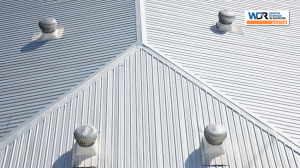
Metal roofs, while offering excellent solar reflectance and durability, may require more attention over time, especially in areas prone to extreme weather conditions. Regular inspections for corrosion, loose fasteners, or storm damage are essential to maintain their energy efficiency and environmental benefits. Building owners should also consider factors such as the local climate, the amount of infrared radiation and sunlight the roof will receive, and the specific thermal emittance properties of the chosen material. By taking these steps, you’ll ensure your roof system continues to save energy and protect your building for years to come.

Cost vs. Energy Savings: Is It Worth It?

A cool metal roof typically costs more upfront than asphalt shingles, but the energy savings and durability can offset that cost.

Factor Cool Metal Roof Standard Asphalt Shingles
Lifespan 40–70 years 15–30 years
Reflectivity High Moderate–Low
Maintenance Low Moderate
Energy Savings Up to 25% annually Limited

When considering cool roofs in cold climates, it’s essential to account for the potential heating penalty—cool roofs can increase heating energy use during winter months, which may offset overall energy savings in these regions. However, cool roofs still play a significant role in climate change mitigation by reducing building energy demand and lowering emissions, thereby helping to address global warming as part of broader energy efficiency strategies.

Need help estimating your ROI? Get a free roof estimate today.

Final Thoughts

If you’re thinking about energy savings and long-term performance, metal roofing stands out as one of the best cool roof options for Austin homeowners. Cool roofs also support human health by reducing urban heat and improving air quality.

With benefits such as high solar reflectance, a long lifespan, and a modern style, it’s no surprise that more locals are switching to metal. Additionally, cool roofs play a key role in addressing climate change by improving building resilience and supporting mitigation strategies for the future.

For related resources:

Still have questions? Explore our Roofing Services page or contact us today to schedule a consultation.

How Metal Roofs Perform in Austin’s Climate

How Metal Roofs Perform in Austin’s Climate

TL;DR

Metal roofs are highly effective in Austin’s climate. They are energy efficient, reflecting heat, resisting hail, and enduring storms better than traditional shingles. Thanks to coatings, insulation, and metal types suited for heat and weather extremes, they offer long-term protection and savings for Austin homeowners.

Introduction to Metal Roofing

Metal roofing has rapidly become a top choice for Austin homeowners seeking a roofing solution that withstands Central Texas’s challenging climate. Unlike traditional asphalt shingles, metal roofs are engineered for exceptional durability, energy efficiency, and low maintenance. Their ability to reflect solar heat means less energy is needed to keep your home cool, resulting in lower cooling costs and reduced energy bills during those hot Texas summers. Beyond performance, metal roofing offers a sleek, modern aesthetic appeal that can enhance any home’s curb appeal. For those seeking a smart choice and a wise investment, metal roofs offer long-term value, minimal maintenance, and reliable protection against the elements, making them an ideal option for roofing in Austin.

Why Austin’s Climate Demands a Durable Roof

building with metal roofingAustin isn’t your average roofing environment. It brings:

  • Triple-digit summer heat
  • Severe hailstorms
  • Flash floods and thunderstorms
  • Rapid temperature swings
  • Unpredictable weather and extreme weather events

All these factors put roofing materials to the test. Homeowners must carefully consider their roofing choices and select a roofing material that can withstand the unique conditions of Austin. That’s why many Austin homeowners are turning to metal roofing as a reliable long-term solution. Metal roofing in Austin has become increasingly popular due to its durability, eco-friendliness, and ability to enhance property value while withstanding the city’s challenging climate.

Types of Metal Roofs

When it comes to metal roofing, Austin homeowners have several attractive options to choose from. Standing seam metal roofs are especially popular for their sleek design, clean lines, and minimal maintenance requirements. These roofs feature interlocking panels that provide superior weather resistance and a modern look. Corrugated metal roofs, with their distinctive wavy pattern, offer a more rustic charm and are known for their strength and affordability. For those who prefer a classic appearance, metal shingles mimic the look of traditional roofing materials while delivering the benefits of metal roofing, such as durability and longevity. Each type of metal roofing system is designed to provide lasting protection. With proper maintenance, most metal roofs can easily outlast many other roofing materials, offering decades of reliable service.

How Metal Roofs Handle Heat

Metal naturally reflects solar radiant heat. Unlike asphalt shingles that absorb and retain heat, coated metal panels reflect a significant portion of UV rays.

Modern metal roofing offers advanced coatings and a variety of contemporary styles that further improve heat reflection, enhancing both performance and curb appeal.

By reducing heat absorption, metal roofs can help extend the roof’s lifespan in Austin’s hot climate.

Benefits:

  • Reduces attic temperatures by up to 30%
  • Lowers HVAC strain
  • Helps cut summer cooling bills

Many metal roofs also qualify as Cool Roofs, which comply with ENERGY STAR® or local energy codes. Want to learn more about Austin roof efficiency? Explore our roofing services.

Resistance to Hail and Storms

Austin’s spring and summer hailstorms are no joke. Fortunately, metal roofing withstands hailstorms well.

  • Steel and aluminum panels are impact-resistant
  • Standing seam roof systems minimize water intrusion from wind-driven rain
  • Class 4 impact-rated metal panels are available for enhanced protection

Metal roofing systems are designed to withstand not only hailstorms but also heavy rain and other extreme weather events, maintaining their integrity and appearance.

In addition to weather resistance, metal roofs offer excellent fire protection due to their fire-resistant properties, often achieving Class A fire ratings, which is especially important in areas prone to wildfires.

Compared to asphalt shingles that easily crack or dislodge in hail, the durability of a metal roof system leads to significant cost savings over time due to fewer repairs.

Modern metal roofing systems provide comprehensive protection for Austin homes and businesses, making them a wise investment for long-term safety and resilience.

Curious about storm damage claims? Check our insurance and repair guide.

Performance in Humidity and Rain

red metal roofAustin’s climate fluctuates between dry spells and sudden downpours. Metal roofs are:
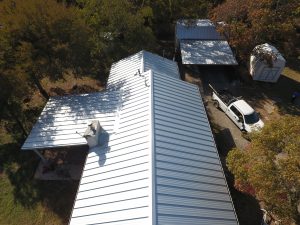
  • Rust-resistant with proper coatings (e.g., Galvalume or Kynar finishes)
  • Designed with water-shedding profiles
  • Less prone to mold or rot compared to organic materials

This makes metal roofing ideal for both humid and arid conditions in Central Texas. Homeowners considering a new roof should prioritize materials and installation methods that address both humidity and heavy rain. Proper roof installation is essential to ensure water resistance and longevity in Austin’s climate.

Installation and Cost

Installing metal roofs is a specialized process that requires the expertise of a qualified metal roofing contractor. Proper installation is crucial to ensure the roof’s longevity, weather resistance, and energy efficiency. While the initial investment for metal roofing is typically higher than for asphalt shingle roofs, the long-term benefits often outweigh the upfront cost. Metal roofs require fewer replacements and less maintenance over their lifespan, making them a cost-effective solution for homeowners who want to avoid frequent repairs. Additionally, the increased property value and potential energy savings can help offset the initial expense. Many reputable roofing contractors in Austin offer financing options and comprehensive warranties, making it easier for homeowners to invest in a high-quality metal roofing system that delivers lasting value.

Energy Efficiency and Insulation Value

Energy efficiency is a big concern in Austin’s scorching summers. A properly installed metal roof can:

  • Reflect solar radiation
  • Promote ventilation (with raised seam systems)
  • Be paired with radiant barriers and insulation layers

Metal roofs are also ideal for mounting solar panels, which can further increase energy efficiency and reduce utility costs.

Together, these upgrades enhance overall comfort and reduce utility costs.

Looking to reduce indoor temps? Metal roofing works great with ridge vents and reflective barriers. See our Austin Roofing Replacement Guide for more details.

Increased Property Value

Choosing metal roofing can be a smart way to boost your home’s property value. Metal roofs are highly sought after for their durability, energy efficiency, and aesthetic appeal, making them a standout feature for potential buyers. Studies have shown that homes with metal roofs can sell for up to 10% more than those with traditional asphalt shingle roofs, thanks to their long-lasting performance and reduced maintenance needs. The energy efficiency of metal roofing also adds to its appeal, as buyers recognize the potential for lower utility bills and fewer costly repairs. For Austin homeowners seeking to maximize their investment, metal roofing provides a compelling combination of beauty, performance, and enhanced property value.

Environmental Benefits

Metal roofing is an environmentally responsible choice for Austin homeowners seeking to minimize their environmental footprint. Unlike traditional asphalt shingles, which often end up in landfills after their lifespan, metal roofs are made from recyclable materials. They can be fully recycled when it’s time for a replacement. This sustainable approach helps minimize waste and supports a greener future. Additionally, metal roofing offers significant energy savings by reflecting solar heat, which reduces energy consumption and lowers energy bills, essential during Austin’s hot summers and severe weather conditions. With its long lifespan, recyclability, and ability to help reduce energy costs, metal roofing offers a sustainable solution that benefits both homeowners and the environment.

Real-World Performance from Austin Roofers

Feedback from Austin roofing professionals shows that:

  • Galvalume-coated steel is the most common material installed
  • Standing seam systems perform best in hail-prone areas
  • Roofs with proper underlayment and pitch rarely leak

While metal roofs may have a higher upfront cost compared to traditional options, their proven long-term performance and durability make them a worthwhile investment for homeowners in Austin.

At North Austin Roofing, we’ve installed hundreds of metal roofs with stellar performance over 10+ years.

Metal Roofing Maintenance in Austin

Maintenance is minimal but important. Here’s what we recommend:

  • Inspect fasteners and sealants annually
  • Clean off debris from valleys and gutters
  • Re-coat exposed areas every 10–15 years (if painted metal)

Compared to the frequent patching and shingle replacements required by traditional roofs—especially an asphalt shingle roof—metal roofing material is far less demanding in terms of maintenance.

Is Metal Roofing Worth It in Austin?

Absolutely. Here’s why Austin homeowners consistently choose metal:

  • Lower lifetime costs despite higher upfront investment
  • Extended warranties (40–70 years)
  • Increased home value and insurance discounts
  • High resistance to wind, hail, and fire

Learn how metal roofs compare to shingles in our roofing comparison guide.

Final Thoughts

Metal roofs don’t just survive Austin’s extreme climate — they thrive in it. With excellent performance in heat, storms, and humidity, they offer an innovative, modern solution for long-term protection.

DCIM100MEDIADJI_0134.JPGIf you’re exploring roofing options in Central Texas, metal should be on your shortlist.

🧭 For more local guidance, check out:

📍 Ready to explore metal roofing? Schedule a consult with our Austin team today.