How Much Does Roof Installation Cost in Texas?

How Much Does Roof Installation Cost in Texas?

Installing a new roof is one of the most significant home improvement investments for homeowners in their lifetime.

According to Forbes, $11,500 is the average roof replacement cost in the United States. However, a roof installation cost can range anywhere between $6,700 and $80,000 depending on the different factors, including roofing materials and location.

Let’s learn more about the factors affecting the roof installation costs, the different roofing materials available, and the cost of a new roof in Texas!

man standing in ladder beside roof

Factors That Affect Roof Replacement Costs

There are several factors that affect the cost of a roof replacement, some of which include the following:

Roofing Material

The type of roofing material you choose can have a significant impact on the cost of installing a new roof. There are many different options you can consider, each of them having their benefits and drawbacks.

Asphalt shingles, for example, are the most popular roofing material in the United States due to their relatively affordable price tag. They’re also lightweight and easier to install compared to the other materials.

However, the price range for asphalt shingles varies across the different types of shingles. Three-tab shingles are the most inexpensive roofing material, while on the other hand, the cost of 30-year premium architectural shingles lies on the higher end.

Labor

Labor typically makes up 60% of the total roof replacement cost. It’s important to consider roofing professionals with extensive experience, as even a minor mistake can lead to expensive repairs or replacements down the road.

The labor costs of replacing a roof in Texas can vary depending on many factors, including the roofing material you choose. Asphalt shingles, for example, are cheaper to install as they’re easier to work with compared to slate roofing.

Other factors that can affect the labor costs of replacing a roof in Texas include the roof pitch (steepness) and the geographic location of the house. A steep roof or a home in a hard-to-access area can drive up labor costs.

Homeowners can expect to pay a flat rate between $2 and $7 per square foot for labor. However, some roofing contractors may charge by the hour.

Location

In recent years, some parts of Texas have been severely affected by extreme weather conditions, such as blizzards, thunderstorms, hail, and tornadoes.

If you live in an area affected by extreme weather conditions, be prepared to pay more, as it can make it more challenging for the roofing contractor to install a new roof.

On average, a new roof costs around $7,000 to $12,000 or more.

man standing on roof underlayment

Roof Size

Homes with large roofs can cost more money, as roofing contractors have to work with more materials and dedicate extra time to the project.

Corrugated metal roofs, for example, cost up to $11.50 per square foot, which translates to $11,500 for a 1,000-square-foot roof size.

However, it’s important to note that the specific shape of the roof can also affect the roof cost in Texas. Hard-to-access parts or steeper roofs can drive this one-time investment beyond the abovementioned example.

Removal Costs

Before a roofing contractor can install a new roof, they must remove the existing material and haul it away to a dumpsite. This can be the most challenging and expensive part of the project, costing homeowners between $1 and $5 per square foot.

The Average Roof Material Cost Per Square Foot

Contractors in Texas provide new roof cost estimates per square foot or roofing square. Here are the different types of roofing materials and their average costs per square foot:

Asphalt Shingles

Three-tab shingles can cost around $4.25, while the price for premium asphalt shingles can go up to $8.25.

Aluminum Shingles

Considered to be a higher quality roofing material than asphalt shingles, aluminum shingles can cost between $8.50 and $13.75.

Cedar Shingles

Since cedar shingles require more effort to produce, they’re much more expensive than asphalt shingles, costing between $8 and $14.30 per square foot.

Clay, Concrete, or Copper Tiles

Installing a tile roof costs much more than other roofing materials. Clay tiles will cost you around $12 to $24.75, while the price of concrete tiles is between $11 and $19.80. 

Copper tiles are the most expensive option, costing homeowners between $21 and $39.70 per square foot.

Flat Roofing Materials

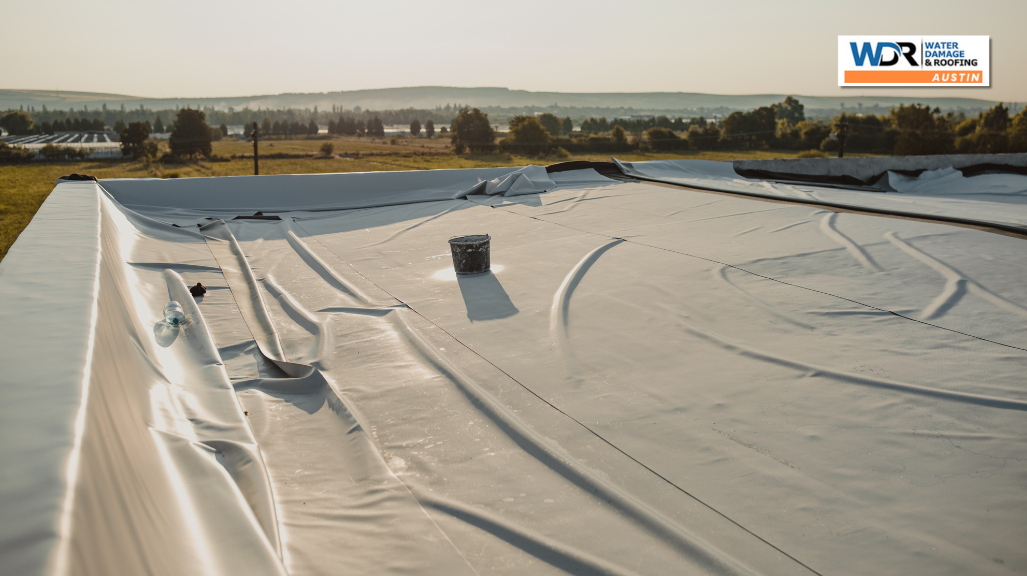
Rubber and PVC are the two most common options under flat roofing materials. Although they’re cheaper than shingles and tiles, they’re much more challenging to work with because of higher labor costs. 

Ethylene propylene diene terpolyme is a synthetic rubber roofing material that starts at $5.50 and goes up to $7.50 per square foot.

flat roof underlayment

Slate Tiles

If you’re looking for a durable roofing material that doesn’t break the bank, you may want to consider slate tiles. Although they’re slightly more expensive than aluminum shingles, they offer numerous advantages, including fantastic fire-resistant properties. 

Slate tiles can cost between $12 and $22 per square foot.

Standing Seam Metal Panels

This type of roofing system uses raised seams to connect the metal panels. 

The cost of standing seam metal panels ranges between $10 and $17.05 per square foot, which is much more than corrugated metal (up to $11.50).

Steel Shingles

Like aluminum shingles, steel shingles are a mid-range option for homeowners, costing up to $12.65.

Zinc Tiles

Due to a lower supply, zinc tiles are one of the most expensive roofing materials, and their cost per square foot can range between $18 and $28.

Full Vs. Partial Texas Roof Replacement Cost

In some cases, you may be able to avoid the hefty investment by considering a partial roof replacement.

If your roof has signs of damage in certain parts due to a storm or other extreme weather conditions, a roofing contractor may suggest a partial roof replacement. It can help you save money on materials and labor.

However, if your existing roofing does not meet the local building codes, you may have to replace the entire roof. 

An experienced roofing contractor can help assess the condition of your roof and guide you on the available options.

Should You Repair Your Roof Instead Of Replacing It?

Whether you have asphalt shingles or metal roofing, the first step is to assess its condition. Replacing the entire roof should be the last thing on your list, as sometimes you can simply carry out minor repairs to extend the existing roof’s lifespan.

Roof replacements are a huge investment and can disrupt the homeowner’s lifestyle for the entire duration of the project. An experienced roofing contractor in Texas can help determine whether repairing the roof is the best option.

Peeling shingles, leaks, and ridge caps are common roofing issues that you can easily resolve with a quick repair job. On average, repairing a roof in Texas can cost between $150 and $7,000, depending on the scope of work.

Here are the average roof repair costs:

  • Underlayment replacement: Between $2 and $3 per square foot
  • Repairing vent: Up to $250
  • Ridge cap repair or replacement: Between $200 and $750
  • Insulation replacement: Up to $2,500

Structural issues, rot and molds, and pest infestation are serious roofing issues. In such circumstances, it may be crucial to install a new roof.

two roof experts on roof

Is Roof Replacement A DIY Project?

After reading about the roofing costs in Texas, you may be wondering whether you can replace your existing roof and install a new one to save some money.

Although you may be able to save between $2 and $7 per square foot on labor costs if you were to carry out the project without professional help, it may not always be the best option. Replacing a roof is an advanced DIY job that requires extensive experience and skills.

If you don’t have the necessary skills and experience to install a new roof, it can lead to costly roofing repairs in the future. Even minor issues can result in water damage, structural problems, and molding, adversely impacting your financial situation.

Call An Experienced Roofing Contractor For A Quick Estimate!

Replacing your old roof and installing a new one can help you save money on labor costs. However, there are a lot of risks that can lead to costly roofing errors.

In some cases, you may not require a new roof, as a partial roof replacement can help resolve minor issues, ensure the structure’s integrity, and prolong the roof’s lifespan. This can save you a lot of money.

Austin Roofing Company and Water Damage Restoration has over 25 years of experience repairing and replacing residential and commercial roofs in Texas. They have the skills and expertise to conduct a quick inspection and guide you on whether to consider replacing or repairing the roof.

Call (512) 820-6505 to request a free roof inspection with a detailed cost estimate!

Roof replacement costs vary depending on several factors, including roofing materials. An asphalt shingle roof can cost between $4,250 and $8,250, while homeowners can expect to pay up to $11,500 for 1,000 sq ft of corrugated metal roofing.

It’s important to understand that these are averages, and the roof’s pitch, location, and labor can significantly affect the roofing cost in Texas. An experienced roofer can provide a detailed estimate after a quick inspection.

On average, homeowners in Austin pay between $5,466 and $11,669 for a new roof. Depending on the location, materials, roof pitch, and other factors, roofing costs can exceed $11,500.

Although a full roof replacement cost can be a hefty investment for homeowners in Austin, Texas, it’s essential to understand that a new roof can last between 30 and 50 years if properly maintained.

Most roofers will charge between $3.50 to $5.50 per roofing square for installing a new roof.

It can be tempting for homeowners to choose the cheapest contractor to save money. However, choosing a roofer based on its labor charges is not a wise decision, as it may lead to costly repairs.

You must conduct your own research on the roofing company before hiring. Check out the reviews left by previous clients and assess the roofer’s qualifications and experience to know whether they’re the right fit for the job.

According to HomeAdvisor, the average cost to install a roof in Texas is around $7,500. However, it can cost between $5,000 and $11,500 or more, depending on the roof size, pitch, materials, location, and other factors.

Although replacing a roof can cost a lot of money, it’s crucial for you to understand that it can improve the value of your home, which is perfect if you intend to sell your house within a few years!

How to Get Insurance to Pay for Roof Replacement

How to Get Insurance to Pay for Roof Replacement

Getting roof damage is something no one can avoid. Whether it’s an accident or any other factor, you may have to pay for roof repairs sooner or later.

One of the best things you can do for your home is to meet with an insurance adjuster and get the best policy to protect it. Homeowners insurance policies protect your property from any unexpected “peril.”

Unfortunately, a roof repair may not always be a viable option. What if you want to replace your entire roof, but your insurance company doesn’t want to pay for the roof claim?

There are many factors to evaluate regarding roofing insurance coverage, and we’ll talk about them today. Here, we’ll tell you how to get your insurance company to pay and replace your roof. We’ll also teach you the importance of hiring a reputable roofing company.

Why Is It Hard to Get an Insurance Company to Pay?

There’s nothing like the reassurance of being backed up by an insurance company if something damages your roof. Unfortunately, not all companies offer full replacement cost coverage; others may not even accept to cover certain repair costs. Why is that?

Generally speaking, insurance companies will try to save as much money as possible when paying out claims. This is why they have so many policy requirements, exclusions, and other details you must know.

Your insurance agency won’t give you full repair coverage for many reasons. Let’s look at some of them:

  • The cause of damage wasn’t an insured peril.
  • There’s an exclusion in your policy.
  • You failed to disclose a material fact.
  • The value of your claim is below your deductible.
  • You haven’t paid your premium.
  • The claim is fraudulent.

Does this mean that you won’t get paid for your roof replacement? Not necessarily. There are many insurance companies out there that are willing to protect your home as long as you follow the rules.

One of the best things you can do to increase your chances of getting paid is to only work with reputable roofing companies. These experts have the experience necessary to guide you through this overwhelming process. A roofing contractor can also help you evaluate how high your chances of getting paid are based on your insurance policy.

What Factors Affect Your Roof Insurance Claim?

Even though each insurance company has different policies and requirements to process your claim, most evaluate similar factors. Let’s go over some of them to give you an idea:

Past Claims History

You’re more likely to get insurance coverage if you don’t always file claims. Homeowners don’t usually file an insurance claim unless it’s necessary. You can spend the next ten years without filing a single one.

However, people who file an insurance claim every one or two years will get much higher rates to cover their roof damage. Some claims may even get dropped.

Deductible

Usually, your deductible gets subtracted from the total amount your insurer has to pay for your claim. You may be tempted to file an insurance claim after minor roof damage, but this isn’t always convenient.

Remember that the more claims you have, the higher your rates could be. Sometimes, it’s not worth having an insurance company pay for something you can afford out of pocket. Once the claim gets on your record, you’ll be considered a higher “insurance risk.”

Severity of the Damage

If your roof isn’t too damaged, consider if it’s worth it to file a claim. Keeping a “clean” claim record will ensure better protection once you need an important roof replacement.

Age and Value of the Roof

Insurance companies offer you different rates based on how resistant your roof is. For example, if your roof is 25 years old, you may have to pay a higher insurance premium. In these cases, you should either reinforce your roof or get extra coverage for your policy.

Insurance Policy

The more coverage you buy, the better. Some policies offer “Replacement Cost Value (RCV),” which may help you get enough money to cover those more significant projects.

If you only have “standard” insurance packages, you may have difficulty getting all the money you need for your roof replacement.

When Should You Replace Your Roof?

Should you replace your roof even if it didn’t get damaged after an accident? Maybe. The answer depends on how old your roof is.

For example, if your roof is rated to last 25 years, you may want to replace it once it turns 20.

There are also other subtle signs of roof damage that you can’t ignore:

  • Leaks
  • Mold, Algae, or Moss
  • Curling Shingles
  • Granules in the Gutters
  • Cracked or Missing Shingles

If you find any of these in your next roofing inspection, you may want to consider a replacement.

asphalt shingle roof

How to Ensure You Get Proper Insurance Payments to Cover Roof Damage

Getting your insurance company to pay for a roof repair or replacement can be challenging, but it’s not impossible.

Here are a few tips you should consider if you want to maximize your chances of getting the money you need:

Review Your Current Homeowners Insurance Policy

Always review your homeowners’ insurance policy before filing a claim. If you have roof coverage, check if it only covers a portion of the costs or the total amount.

People who get replacement coverage are more likely to get enough insurance to pay for a severely damaged roof.

You can also talk to your insurance adjuster and see if you can purchase extra coverage for your roof. It may involve a higher investment initially, but the peace of mind is worth it.

Gather Evidence of Your Roof Damage

Make sure you gather as much evidence of the damage as possible. That can help your claim immensely.

Get as many pictures as possible of the damage, especially exterior damage. You can also take pictures of any roofing problems you may have inside.

You must document the date and time you got the damage. If your roof got damaged by a natural disaster, try to find a newspaper or online article that supports your statement.

When you talk to your insurance agent, make sure you explain what happened with attention to detail. Some insurers think you’re filing a claim because you want to replace an old roof, not because it got damaged.

A reputable roofing company can walk you through this process so that you know which evidence items will help you the most.

Get a Certified Roof Inspection

An insurance company will likely ask for an inspection report and a repair/replacement estimate before paying out your claim.

You’ll have a higher chance of getting paid if you get the inspection and estimate from a professional roofing company. Even if the inspection involves an out-of-pocket expense, think about the money you’ll save in the long run if you get your claim approved.

Hire a Professional Roofing Company

Hiring a professional roofing company doesn’t mean you must go for the most expensive one. Many local contractors do an excellent job for an affordable and considerate price.

Remember that your repair or replacement costs will depend on the severity of the damage, the roofing materials you need, and other factors.

The Austin Roofing & Water Damage team can help you with the process while making the most out of your budget. Consider asking for a quote if you’re interested.

Pay Your Deductible

You must pay your deductible before you receive money for your roof claim, most of the time. Don’t wait too long to pay for it; you’ll have a better chance of getting the money you need later.

Beware of Insurance Scams

Many cities in Texas (including Austin) are prone to experiencing natural disasters, including wildfires, tornadoes, hurricanes, etc. The most common disaster in the state is flooding.

Due to the high exposure to disasters, many insurance scammers are making extensive repair or replacement promises. However, once they get your money, they don’t deliver, leaving you with a poorly repaired roof in the “best-case scenario.” In the worst-case scenario, you may not even get a cent to cover your damages.

When looking for an insurance company, look for reviews and see if it’s licensed. If the company’s offer sounds too good to be true, it’s probably because it is.

Bottom Line

Getting your roof damaged beyond repair can be devastating for any family. Replacing a roof tends to be too expensive to pay out of pocket, and that’s when your insurance comes in.

Unfortunately, filing a claim and getting your money isn’t always straightforward. If you want to increase your chances of getting paid to cover your damages without too much hassle, follow all the tips we mentioned here.

Remember to always seek your repair or replacement projects from a reputable company. The Austin Roofing & Water Damage team is more than ready to assist and get you a stronger and healthier roof for your family. Get a quote today, and let us know if you have any questions.


FAQs

Does Homeowners Insurance Cover Roof Leaks from Rain?

It depends. A homeowners insurance policy may cover leaks from rain if a storm or a fallen tree previously damaged your roof.

If your roof is poorly maintained or old, your insurance policy may not cover that. The insurer will believe that the leak developed because of that.

Does Homeowners Insurance Cover Shingles Blown Off Roof?

Homeowners’ insurance should cover most damages from wind and other extreme weather conditions. You may have a solid claim to file if extreme wind blows off your shingles.

If you want to be sure, talk to your insurance agent to see if your policy covers that kind of damage.

What Is the New Deductible Law for Roofing in Texas?

The new deductible law in Texas aims to fight roof scams. Many scammers offer clients to waive their insurance deductible when they give them a quote. Unfortunately, this often results in fake contracts, lower-quality materials, and other negative consequences.

This new law makes it illegal for any roofer or contractor to waive an insurance deductible. It took effect on September 1, 2019.

How Can I Avoid Paying My Home Insurance Deductible?

There’s no way to “avoid” paying your deductible. You can still file a claim if you can’t afford your entire deductible, but you must talk to your agent and work out a payment plan.

Remember that it’s illegal for a roofing company to waive your deductibles, so don’t consider this option.

What Is TPO Roofing? A Comprehensive Guide to These Roofing Systems

What Is TPO Roofing? A Comprehensive Guide to These Roofing Systems

TPO roofing is an increasingly popular choice for commercial and residential use, providing many benefits over traditional roofing materials. But what exactly is TPO roofing? In this article, we will discuss the advantages of TPO roofs, how to install them, and what potential drawbacks you should be aware of before deciding.

Are you looking to upgrade or replace your current roof? TPO (thermoplastic polyolefin) may be your perfect option! It’s a single-ply membrane offers superior weather protection against wind and rain and is environmentally friendly due to its reflective properties. Plus, it’s easy to install, meaning less time for contractors.

From understanding the basics of TPO roofs to learning about their pros and cons compared to other options like asphalt shingle roofs or metal roofs, this article provides helpful information about why you should consider installing a TPO membrane on your home or business building. We’ll explore all these topics throughout our discussion so that readers can make an informed decision when considering which type of roof best suits their needs.

What Is TPO Roofing? Exploring The Benefits of A Single Ply Membrane

TPO roofing is a single-ply membrane becoming increasingly popular with homeowners and commercial property owners. It provides superior protection against the elements while remaining lightweight, easy to install, and cost-effective. It also offers excellent UV resistance and can be recycled after its lifespan.

So, what makes this type of roofing so appealing? Thermoplastic polyolefin (TPO) is an environmentally friendly material that reflects heat better than traditional materials like asphalt shingles or metal roofing. It means lower energy bills for you in the long run as well as a longer life for your roof since the sun won’t be able to damage it as easily. Additionally, TPO roofs are highly durable and resistant to water damage caused by heavy rain or snowfall – something other roofs may not offer.

Lastly, one of the most significant benefits of investing in a TPO roof is its low maintenance requirements; unlike other roofs requiring regular cleaning or repair work every few years, TPO requires minimal upkeep once installed correctly. And when repairs become necessary due to wear and tear over time, they’re usually simple enough for even novice DIYers to take care of without having to call in a professional contractor each time. With all these advantages combined, it’s no wonder why more people choose this type of roof over others!

Now that you know about the many benefits of TPO roofs, let’s move on to understanding their installation and maintenance requirements.

Understanding Installation And Maintenance Requirements For TPO Roofs

When it comes to installing and maintaining a TPO roof, there are several things you need to consider. From the installation process to the ongoing maintenance requirements, understanding what’s involved is essential for any homeowner or business looking into this type of single-ply membrane roofing system.

The actual installation process of a TPO roof can vary depending on the size and scope of your project and local building codes and regulations. Generally speaking, though, there are three main components: an insulation board layer that provides additional protection against weather elements; a thermoplastic polyolefin (TPO) membrane that acts as both a water barrier and UV protector; and finally, fasteners that securely attach the membrane to your home or building structure. Installing all these pieces correctly for your TPO roof to function properly over time is essential.

In addition to proper installation, regular maintenance is also crucial for keeping up with your TPO roof. It includes checking for signs of wear, such as tears or cracks in the membrane material, every few months and inspecting flashing areas like chimneys or skylights where leaks may occur more quickly due to their proximity to other parts of your home or building structure. Taking care of minor issues before they become significant problems will help ensure maximum longevity from your TPO roofing system while saving you money on costly repairs.

Ultimately, taking the time to understand how best to install and maintain a TPO Roof will pay off later by helping protect one’s investment long-term, making it easier to decide if this type of single-ply membrane is right when weighing out pros & cons.

Is TPO Right For Your Home or Business? Weighing The Pros & Cons

TPO is a popular choice for residential and commercial buildings. What are the pros and cons of installing TPO?

  • One major pro is that TPO roofs are incredibly durable; they can last up to 30 years with proper maintenance! They’re also highly resistant to ultraviolet rays from the sun, which makes them ideal for sunny climates. Additionally, you’ll save money in the long run because they don’t require much upkeep or repair work over time.
  • On the other hand, there are some drawbacks to consider, particularly regarding installation costs. While TPO roofs may be cheaper initially than other roofing materials, such as asphalt shingles or tile roofs, their installation requires specialized tools and experience that can add significantly to your overall bill. Furthermore, since these materials aren’t fireproof like other options today, they won’t protect against fires if an emergency arises in your home or business property.

Ultimately, TPO provides many advantages over traditional roofing materials, such as durability and affordability – when weighing all factors carefully – it might only sometimes be right for you depending on your budget limitations or specific needs around safety requirements, etc. Be sure to research more into this before deciding – so that you know what kind of roof will best suit your circumstances!

roofer repairing a flat roof

In this blog post, we discussed the benefits and drawbacks of TPO roofing. We explored how it is a single-ply membrane that is easy to install and maintain but can be more expensive than other types of roofing materials. It is also durable in extreme temperatures and does not require frequent maintenance or repairs. However, it may not be suitable for all climates due to its limited fire resistance rating.

I believe TPO roofs offer excellent value for many homeowners and businesses with their cost-effectiveness and long lifespan. If you’re looking for a durable option that won’t need too much maintenance over time, this could be the right choice. Do your research before making any decisions to know what type of material will work best in your climate conditions!

Ultimately, whatever kind of roofing system you choose should meet all your needs while fitting into your budget – whether it’s TPO or something else entirely! So, take some time to explore all available options before settling on one that works best for you.

How long will a TPO roof last?

The average TPO roof will provide between 20 to 30 years of use. However, it is important to remember that a roofing system’s longevity depends on several factors, such as maintenance practices, the quality of the installation, and the kind of climatic conditions it is exposed to.

Is a TPO roof a good roof?

Yes. Although TPO might be cheaper, it offers excellent durability and energy savings. It’s also much easier to install than other roofing systems and is resistant to UV rays, with the ability to withstand various climatic conditions.

However, it is essential to remember that the quality of the installation and the maintenance practices that a homeowner exhibits will also impact the overall longevity of your roof. This is why it is essential to hire a reputable roofing contractor to install your roof and ensure you regularly inspect it and promptly address any issues.

Which is better, TPO or EPDM roofing?

EPDM and TPO roofing systems are both great options for homes and businesses. They both produce flat roofs. However, the option that’s best for you will depend on your unique needs. TPO roofing offers UV ray resistance, which makes it a fantastic option for those who live in areas that receive moderate to high heat.

On the other hand, EPDM tends to absorb more heat than TPO roofing, making it preferable for colder climates. Another thing to remember is that TPO roofing is more resistant to punctures than EPDM, so you may have to conduct regular repairs to your EPDM roof than you would with a TPO roof.

Why is TPO used in roofing?

TPO is mainly used in roofing systems because it reflects light. This is important because heat absorbed by a roofing system can cause the home to be warmer, resulting in a greater need for cooling. This increases energy costs, so many go for a TPO membrane roof.

It is also lauded for its durability and resistance to punctures or tearing, making it suitable for various weather conditions, including hail, snow, and heavy rain. Installation is quick and easy compared to other roofing materials, which can also help to save on labor costs.

Can you paint a TPO roof?

Absolutely. TPO roofing can be painted to suit your aesthetic needs and preferences. However, it’s essential to consult a contractor and ensure you use the correct paint type for a long-lasting result. Remember that TPO is also available in different colors, so be sure to inquire about your options for style and color before installing a new TPO roof.

Does TPO require underlayment?

Underlayment is an additional layer that can offer added protection and insulation to your roofing structure. An underlayment, like the cover board, is often made from gypsum. It can increase the fire rating of buildings, but it isn’t a must for TPO roofing.

Guide to the Best Roofing Nails for Your Roof

Guide to the Best Roofing Nails for Your Roof

Finding suitable materials is essential when repairing or installing a roof. Your roof plays a vital role in protecting your home from the elements, so it’s essential to do your research.

There are many different types of roofing nails, so knowing which one best suits your application can be confusing. This comprehensive guide will provide everything you need to know about roof nails.

What Are Roof Nails, Anyway?

A roof nail is a type of nail that is used for attaching metal sheets, shingles, or tiles to the surface of a roof structure. These nails are generally much thicker and longer than standard nails, guaranteeing a firm grip on the roof deck.

Since they are often exposed to harsh weather conditions, such as rain and snow, roof nails often use corrosion-resistant materials like galvanized steel to prevent rust. They have several head types that distribute the load while preventing the tearing of the roofing material.

To improve grip, the shank might be smooth or ringed. Roofing nails with these characteristics offer long-lasting and dependable fastening for roofing materials while preserving the roof’s structural integrity.

Types of Roofing Nails

The type of nail you use is crucial since it directly affects how well the roofing materials are in place. There are three types of nails, namely:

  • Smooth shank nails,
  • Ring shank, and
  • Screw shank

Each nail type has a different application, so you would generally use it for a specific application. In the section below, we’ll provide insight into each type of nail and what it’s used for.

Screw Shank Nails

Suppose your roof is made from wood. In that case, screw shank nails are handy. This type of nail is excellent at fixing shingles even in adverse weather due to its unusual twisted shank.

Its flattened head and diamond tip, which enable it to penetrate roofing shingles without producing undue stress, are also distinguishing traits.

Ring Shank Nails

Ring shank nails, often called electro-galvanized roofing nails, are made from galvanized steel and are larger than regular nails. They are used to secure asphalt roofing shingles and felts, which they do well, but due to their relative bluntness compared to other types of roofing nails, they have been known to cause tension.

Smooth Shank Nails

On the other hand, smooth shank nails are significantly less expensive than other roofing nails. They are said to be suitable for those looking for roofing materials at an affordable price. However, they do not offer as much holding power and are susceptible to harsh weather conditions, which you will need to keep in mind if you decide to go with these nails for your roof.

roofer using a nail gun

When Determining Which Roofing Nails to Choose, It’s Important to Look at the Gauge, Length, and Size

Once you have chosen the correct type of nail, you will need to look at the dimensions.

Despite their various gauges, sizes, and lengths, all roof nails have two distinguishing characteristics: a flat, broad head and a short shank. This unique design ensures that they can puncture a wide range of materials without causing any damage.

The gauge and length suitable for an application will vary depending on the material used and the job type you’re working on. An optimal gauge, or diameter, ranges from 10 to 12. Moreover, roof nails can be between one and six inches long, although the most common lengths are one to two inches, ideal for standard asphalt shingles.

However, if you install a roof over pre-existing shingles or use thick, wooden shingles, you will most likely require one 1/4-inch nails.

A roof nail should be sufficient to make a nail hole in the shingle or metal sheet and then at least 3/4 inch into the plywood or roof decking beneath. Because sheathing thickness varies, longer nails may be required depending on the roof decking chosen.

Roofing Nails Are Available In Various Materials

It’s also important to think carefully about the material of your roofing nails when using them on roofs. That’s because the material will determine how well the nail holds up when it experiences tension. In the section below, we’ll look at some of the most common roofing nail materials to help you make the right choice.

Aluminum Nails

Aluminum nails are a robust option for securing metal roofing. However, they tend to rust when in contact with salt, so they should not be used in coastal areas.

Electro-galvanized Roofing Nails

These nails are specially made by coating the metal nails with a layer of zinc. This makes them more resistant to rust and degradation, meaning they are the nail of choice for many roofing projects. Since they aren’t affected by moisture and salt, they are frequently used in coastal areas.

Copper Nails

Copper nails are common roofing nails that provide fundamental benefits in many situations and for many various types of roofing. However, other types of nails may be more advantageous and offer greater resilience.

Steel Nails

Stainless steel nails are more rust-resistant than aluminum, providing excellent support for ceramic and slate roofing tiles.

Consult a Professional for Help Choosing the Correct Roofing Nails

The truth is that choosing the proper roofing nails is essential. After all, they are vital structures in your roofing system, so you must choose nails that will stand the test of time. We recommend consulting a local professional for advice on the best nail types for your project.

A roofing contractor can offer expert guidance and ensure that the type of nails you’re using suits your area’s climatic conditions.

Roofing Project Keeping You Up at Night? We Are Here to Help

Repairing or installing a roof is no easy endeavor. From choosing the wrong materials to installing them incorrectly, a lot can go wrong. This is why it’s best to contact a reliable roofing contractor to make the job easier.

At Austin Roofing & Water Damage, we have what it takes to complete the job on time and within your budget. We also have extensive experience with roofing nails, so that you can turn to us for expert guidance.

To learn more, contact us today!

Frequently Asked Questions

What kind of nails do you use on a roof?

The type of roofing nails you use for your roof will depend on the roofing materials you are working with. Screw shank nails are generally recommended for hardwood, while ring shank nails are recommended for asphalt shingles and felt.

Smooth shank nails can be a cheaper alternative to these two types. We recommend consulting a professional roofing contractor to learn more about the best nail type for your project.

It’s important to note that regular nails should never be used for roofing projects. The results could be disastrous. Always ensure that your nails are a sufficient length to prevent the shingles from coming loose.

How big should roofing nails be?

The size of your roofing nail will depend on the roofing material that will be used. Generally, your roofing nail should be long enough to penetrate the shingle and go at least 3/4 of an inch into the decking or plywood beneath.

Should roofing nails come through the roof?

Roofing nails should ideally come through the shingles and into the structure beneath. However, you should never see them sticking out of the roof, which can pose safety risks.

Different Types of Metal Roofing: Guide For Homeowners

Different Types of Metal Roofing: Guide For Homeowners

Many homeowners choose metal roofs for their properties because they’re high-quality and functional. Compared to other popular options, they’re also the longest-lasting.

There are different types of metal roofing, which means you will have endless opportunities to add a unique touch and curb appeal to your home.

However, you shouldn’t pick just the one that can add more aesthetic value to your property. Other factors like durability and price are crucial to choosing the best option.

Do you want to install a metal roof in your house? Here’s everything you need to know about the types of metal roofing, the differences between each one, and how to choose the right one for your property.

What Are the Different Types of Metal Roofing?

There are many options for metal roofing materials, but that is not the only thing that defines the multiple types available. Each system may also vary in terms of style and fasteners.

Based on that information, the different types of metal roofing may fall into the following categories:

  • Metal roofing materials
  • Metal roofing fasteners
  • Metal roofing styles

Metal Roofing Materials

If you want to install a metal roof on your property, these are the materials you’ll likely find:

Aluminum Roofs

Aluminum roofs are popular for homeowners who prioritize durability, protection, and resistance against the elements. In addition, these systems offer superior energy efficiency.

Advantages

  • Aluminum doesn’t rust, so it’s ideal for coastal applications and climates with heavy rainfall.
  • It only weighs 5 lbs per square foot, so it’s the lightest roofing material. Also, it’s easy to work with and install.
  • Aluminum doesn’t get as hot as steel panels. Plus, it takes less time to cool down, so it will maintain properties cooler when temperatures rise. As a result, you’ll save money.
  • It’s a durable material and can last up to five decades if you perform proper maintenance.

Cons

While it’s a great material, aluminum also has a few cons. As mentioned, it doesn’t rust. However, it will oxidize if you don’t use a pain system suitable for your area’s climate.

aluminum roof panel

Copper Roofs

Copper roofs are pretty expensive but give properties a unique look and style. Furthermore, this material is one of the best options for roof shapes.

Advantages

  • Copper is an eco-friendly alternative to most roofing materials since it’s recyclable. Producing this metal doesn’t involve high resource exploitation.
  • This material has a long lifespan and can last up to 75 years if properly installed.
  • It’s lightweight, so it doesn’t cause immense strain on your property, avoiding potential damage to the structure.
  • Copper can reflect heat, keeping your home cooler.

Cons

Copper is a good choice for many reasons, but it’s so costly and can lose shape if extreme weather changes.

Zinc Roofs

This metal roofing material is also durable and sustainable. While not as sturdy as others, it can easily be cut into different shapes.

Advantages

  • The zinc develops a patina that offers protection and may even fill in scratches.
  • This material is stylish and is available in different pigmented finishes to give your property an original appearance.
  • It’s a sustainable material and requires less energy to be converted into panels, so you can be sure you won’t harm the environment if you choose it.
  • Thanks to the patina, the zinc develops, and these systems can last for many years.

Cons

Unfortunately, the zinc’s patina can take two to 30 years to develop. Therefore, it could have a uniform appearance.

white metal roof panel

Stone-Coated Steel Roof

Combining zinc and aluminum alloys or steel panels with a stone granules coating, stone-coated steel roofs are highly durable and strong. These systems are among the most recommended for today’s properties.

Advantages

  • A stone-coated steel roof can last between 40 and 70 years if well-installed.
  • Steel roofs don’t absorb heat but reflect it, keeping homes cooler during the summer and reducing energy costs.
  • Although sturdy, stone-coated steel roofing is easy to install because it’s lightweight.
  • It’s resistant to the elements and doesn’t wear down easily from exposure to water.

Cons

Installing stone-coated steel roofs is very expensive. Also, these systems are quite loud, so you may have to spend more money on soundproofing materials.

Metal Roofing Styles

Also, there are different roofing styles. These are:

Corrugated Metal Roofing

If you choose corrugated metal roofing, you’ll install metal sheets shaped into a corrugated pattern on your property. This style is popular among homeowners who prefer aluminum systems. It often has exposed fasteners.

Advantages

  • Although most corrugated metal roofs are aluminum, some models are zinc and copper.
  • If you choose aluminum, a corrugated roofing system is affordable and durable.
  • These roofs have industrial aesthetics, so they’re great options for a metal roof with a traditional, rustic look.
  • It’s resistant to fire, wind, and moisture. Therefore, this is a great choice for areas with extreme weather conditions.

Cons

While durable, a corrugated metal roof has exposed fasteners, so the structure can wear out and cause leaks.

Standing Seam Metal Roofing

A standing seam metal roof is a sleek and modern option with flat, vertical panels and fasteners hidden under the ribs on the sides.

Advantages

  • While standing seam metal roofs are typically made of steel, you can also find aluminum and copper models.
  • Since they have hidden fasteners, standing seam roofs don’t require regular maintenance.
  • This style goes well with contemporary homes and adds curb appeal to properties.
  • With a painted finish, a standing seam roof will withstand the elements.

Cons

Installing a standing seam metal system for the first time is around three times more expensive than installing asphalt shingle roofs. Also, it makes noise when it rains.

Stone-Coated Metal Roofing

Although they have steel sheets, these roofs are coated with stone granules that resemble the texture and color of other roofing materials, such as traditional asphalt shingles or wood shakes.

Advantages

  • Stone-coated metal roofing doesn’t need soundproofing materials since granules act as sound-absorbing cushions.
  • The granule’s infrared pigments reflect sunlight, boosting energy efficiency.
  • These systems are considerably more durable than asphalt shingle roofs.
  • A stone-coated metal roof can increase a property’s value by 5% to 25%.

Cons

Upfront costs to install these roofs are considerably higher. In addition, the process usually takes more time.

house with stone coated metal roofing

Metal Roofing Fasteners

These are the different metal roofing fasteners you can choose from:

Exposed Fasteners

Exposed fastener metal roofs have panels fastened and screwed directly onto the structure.

In these structures, the heads of the fasteners aren’t covered by a seam but are visible as a lining on the panel.

Advantages

  • Exposed fastener roofs are generally less expensive than hidden fastener roofs. Therefore, they’re a good choice for homeowners on a tight budget.
  • These systems are easier to install than hidden fastener roofs.
  • If a fastener becomes loose or damaged, it’s relatively easy to replace it. You won’t have to replace the roofing panels.

Things to Keep in Mind

  • Exposed fastener panels have a more industrial or utilitarian look than hidden fastener roofs.
  • There’s a greater potential for water to penetrate the roof system through the fastener holes.
  • Exposed fastener roofs typically have lower wind ratings than those with hidden fasteners. As such, they aren’t suitable for areas prone to high winds.

Hidden Fasteners

Essentially, hidden fastener metal roofs are those where the fasteners are concealed beneath the roofing panels. In other words, they aren’t visible.

These fasteners secure the panels from the sides or below, so they’re typically clips or brackets attached to the roof deck or framing.

Advantages

  • Hidden fastener metal roofs have a much cleaner and more polished appearance than exposed fastener roofs.
  • The risk of water penetrating the roof system through the fastener holes is low. Therefore, these systems are weather-resistant.
  • Hidden fastener roofs typically have higher wind ratings, so they can withstand high winds and outlast exposed fastener systems in areas with extreme weather conditions.

Things to Keep in Mind

  • Hidden fastener roofs require careful, trickier installation that should only be handled by experts.
  • These systems are more expensive due to higher material and labor costs.
  • Repairing or replacing these roofs can also be difficult or require larger investments.
metal roof panel

Final Thoughts

As you can see, there are different options if you want to consider a metal roofing material for your property.

Overall, metal roofing panels are more expensive than asphalt shingles. However, the investment is worth it, as they’re more durable and resistant.

However, remember that you should get an experienced roofer’s help installing a metal roofing system.

An experienced roofer can also advise you to choose the best metal roofing material, style, and fastener for your property. Contact us!

Frequently Asked Questions

Are There Different Styles of Metal Roofing?

Yes, you can find different styles of metal roofing on the market. The most common include standing seam, corrugated panels, stone-coated metal sheets, and traditional metal shingles.

Each style has its characteristics, advantages, and disadvantages. Plus, they can be used for many looks and designs.

What Is the Most Popular Type of Metal Roof?

The most popular type of metal roof is standing seam metal roofing, used for modern residential and commercial structures.

Many homeowners choose standing seam metal roofing because of its durability and energy efficiency. Also, it requires low maintenance.

Are Metal Shingles Expensive?

Metal shingles can be more expensive than traditional asphalt but are more durable and long-lasting.

While buying and installing metal shingles may be higher, this material can help you save money in the long run. Metal systems have enhanced longevity and don’t require regular maintenance compared to asphalt shingle roofs.