

 Summer in Austin is brutal on roofs. Surface temperatures on an asphalt shingle roof can reach 160 to 170°F on a July afternoon, and a free annual roof inspection in early spring is the best way to catch any vulnerabilities before the heat season peaks. That’s not just uncomfortable, it’s accelerating the aging process on your roofing materials and potentially creating ventilation problems that push heat into your living space and inflate your cooling bills.
This guide covers what summer does to Austin roofs, what you should check before and during the heat season, and how our roof inspection and maintenance services help Austin homeowners protect their investment.
Call (512) 820-6505 for a free pre-summer roof inspection.
What 100°F Summers Do to Your Roof
Thermal Expansion and Contraction Stress
Austin regularly reaches 100°F or above from June through September, and then drops 30 to 40 degrees by November. That seasonal temperature swing, repeated year after year, creates significant thermal stress on all roofing materials.
Asphalt shingles expand in heat and contract in cold. Over time, this movement loosens fasteners, works open sealed lap joints, and causes cracking in aged shingles that have lost their flexibility. Flashing points, where the roof meets chimneys, skylights, and walls, are most vulnerable because different materials expand at different rates.
Granule Loss Acceleration
UV radiation breaks down the asphalt coating beneath the granules on your shingles, causing granules to loosen and fall away. This process accelerates significantly on south- and west-facing roof slopes that receive maximum UV exposure throughout the summer day. Once significant granule loss occurs, shingles degrade rapidly and become susceptible to cracking.
Check your gutters in late August or September. Heavy granule accumulation at the end of summer is a clear sign your roof is aging faster than expected and needs a professional assessment.
Attic Heat Buildup
A poorly ventilated attic in Austin summer can reach 150 to 160°F, and we see this as a root cause of premature shingle failure on more jobs than any other single factor. That heat radiates downward into your living space, forcing your AC to work harder. It also cooks your roofing from the underside, dramatically shortening shingle lifespan. Proper attic ventilation, with balanced intake at soffits and exhaust at the ridge, is not optional in Austin’s climate. It is a warranty requirement on most shingle products.
How Austin’s Summer Heat Affects Different Roofing Materials Differently
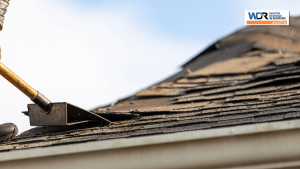 Not all roofing materials respond to Austin’s heat the same way. Understanding how your specific roof is affected helps you prioritize what to watch for.
Asphalt shingles take the hardest hit from Austin summers. The asphalt binder that holds granules in place softens at high temperatures, and repeated heat cycling gradually weakens the bond. South- and west-facing slopes, which see the most direct afternoon sun exposure, age measurably faster than north-facing slopes on the same roof. If your home has significant tree coverage on part of the roof and open exposure on another, you may see a 30 to 40% lifespan difference between those faces.
Metal roofing handles Austin’s heat significantly better. The metal panel itself reflects a large portion of incoming solar radiation rather than absorbing it. A standing seam metal roof in Austin’s climate will show minimal heat-related degradation over its 40- to 60-year lifespan, provided the underlayment was correctly specified for the temperature conditions. This is one of the primary reasons We recommend metal for homes in the most exposed Hill Country locations like Lakeway and Bee Cave.
Tile roofing performs well thermally due to its natural mass, but it’s vulnerable in a different way: the mortar that seals ridge caps and hip caps can dry out and crack after years of heat cycling. Annual inspection of mortar condition on tile roofs is especially important in Austin’s climate. A cracked ridge cap mortar bed that goes unaddressed through a single wet season can lead to water infiltration in an area of the roof that’s otherwise perfectly sound.
Preparing Your Roof for Fall After an Austin Summer
Summer is hard on Austin roofs. Before fall storm season arrives, typically October and November bring a secondary peak in severe weather, a post-summer inspection identifies what the heat season has done.
What to look for in a late-September or early-October inspection:
- Granule accumulation in gutters, end-of-summer gutter cleaning often reveals how much granule loss has occurred over the season. Heavy accumulation is a meaningful indicator of accelerated shingle aging.
- Ridge cap and hip cap condition, summer heat expansion and contraction works on these exposed elements. Check that they’re still fully sealed and fastened.
- Pipe boot condition, the rubber collars around plumbing vents typically have a lifespan of 8 to 12 years. Summer UV exposure accelerates degradation. A cracked or split pipe boot going into fall storm season is an active leak risk.
- Flashing sealant at penetrations, sealant at skylights, chimney bases, and wall junctions dries and shrinks in summer heat. Inspect for gaps before the first fall rains.
Our free inspections cover all of these items. Schedule in September or early October for the best pre-storm window. We’ll document the roof’s condition and flag anything that needs attention before fall storms arrive.
Summer Roof Care: What to Do
Schedule a Pre-Summer Inspection in Spring
The best time to identify and address roof vulnerabilities is before peak heat season begins. A professional spring inspection catches deteriorated flashing, cracked or loose shingles, compromised pipe boots, and ventilation issues before summer heat stress makes them worse.
We perform free inspections throughout the Austin area. For homes in sun-exposed areas like Lakeway area, Dripping Springs homes, and the open southwest Austin neighborhoods, annual spring inspections are especially important.
For homes in sun-exposed Hill Country locations, we recommend this every year without exception. For Austin proper with more mature tree canopy, every two years is the minimum.
Check and Clear Gutters
Gutters clogged with debris from spring tree pollen and seed pods hold moisture against the fascia and create conditions for wood rot and mold. Clear gutters in May before summer heat makes working on a ladder miserable, and again in November after fall leaf drop.
Do a third check specifically at end of August. Heavy granule accumulation at downspout terminations at the end of summer reliably indicates that your shingles aged faster than expected during the UV season and may warrant a professional assessment before fall storm activity picks up in October and November.
Trim Overhanging Tree Branches
Trees that overhang your roof create multiple problems: debris accumulation, branch drag on shingles during wind events, and retained moisture in shaded sections. Trim any branches that hang within six feet of the roof surface.
For large limbs more than 20 feet up, hire a licensed arborist rather than attempting removal yourself, improper cutting can send a large limb directly onto the roof, causing significant structural damage. The cost of an arborist visit is a fraction of what a limb impact repair costs.
Check Attic Ventilation
Go into your attic on a hot summer afternoon. If it’s significantly hotter than the outdoor temperature, more than 10 to 15°F hotter, your ventilation is inadequate. Proper ridge ventilation with balanced soffit intake should keep attic temperatures within about 10°F of outdoor ambient on most Austin summer days.
Inadequate ventilation is one of the most common causes of premature shingle failure in Central Texas. We check ventilation adequacy on every free inspection and can recommend the right upgrades if yours falls short.
Signs Your Roof Is Struggling in the Heat
 Shingle curling or cupping, especially on south-facing slopes
- Cracked or brittle shingle surfaces visible from the ground
- Granules in gutters or at downspout bases
- Visible sagging between rafters on older roofs
- Attic significantly hotter than outdoor temperature
Any of these signs warrants a professional inspection. We perform free summer and fall inspections throughout Austin roofing and the metro, Cedar Park, Round Rock, Bee Cave, Lakeway, and all of Central Texas. Call (512) 820-6505.
U.S. Department of Energy, Cool Roofs, The U.S. Department of Energy’s cool roof guidance explains how reflective roofing materials reduce cooling costs in hot climates like Austin’s.
Frequently Asked Questions
How hot does an Austin roof get in summer?
Surface temperatures on an asphalt shingle roof in Austin can reach 160 to 170 degrees F on a July afternoon. This accelerates shingle aging and granule loss significantly.
How can I tell if my attic ventilation is adequate?
Go into your attic on a hot summer afternoon. If the attic temperature is more than 10 to 15 degrees F hotter than outdoor ambient, ventilation is likely inadequate. WDR checks ventilation on every inspection.
How often should I inspect my roof in Austin?
Annual inspections are recommended for all Austin homes. Twice-yearly, spring and fall, is ideal. OurR inspections are always free.
What summer maintenance can I do myself?
Clear gutters before summer and after fall. Trim overhanging branches. Check for granule accumulation at downspouts. Leave everything else, including walking on the roof, to professionals.
Does summer heat void my roof warranty?
Heat alone does not void manufacturer warranties. However, inadequate attic ventilation can void warranties on some shingle products. Check your warranty documentation and ensure your ventilation meets the manufacturer’s requirements.
When is the best time to replace a roof in Austin?
Fall (October through December) and winter are typically the best times, mild temperatures, lower demand, and better contractor availability. Spring replacements often coincide with hail season rush, which can affect scheduling.