
Can Roof Repair Be Capitalized? A Guide for Austin Property Owners
When tax season rolls around, one of the most common questions we hear from Austin property owners is: “Can I capitalize my roof repair, or do I have to expense it?” It’s a fair question—and the answer can significantly impact your tax liability, especially if you’re deciding between a minor fix and a full roof replacement.
At Austin Roofing Company & Water Damage | WDR, we’ve worked with thousands of homeowners and commercial property owners over our 20+ years in business. Whether you need a quick patch after a storm or a complete roof installation, we provide detailed documentation that makes tax classification easy. While we’re roofing experts (not tax professionals), we’ve learned a lot about how roof work gets classified for tax purposes. Here’s what you need to know.
Need documentation for your roof repair? Call us at (512) 820-6505 for detailed invoices that make tax time easier.
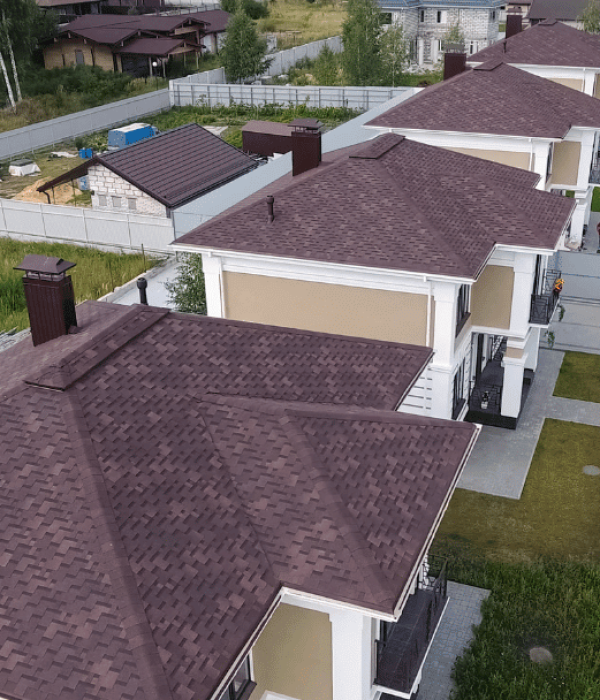
Repair vs. Improvement: What's the Difference?
The IRS draws a clear line between repairs and improvements—and that distinction determines whether you expense or capitalize the cost.
Roof Repairs (Usually Expensed)
Repairs restore your roof to its original condition without adding value or extending its useful life. These are typically deducted as business expenses in the year they occur. Our residential roofing team handles these types of projects daily.
Examples of roof repairs include:
- Fixing a leak after a storm
- Replacing a few damaged or missing shingles
- Repairing flashing around vents or chimneys
- Patching small areas of damage
- Sealing minor cracks
- Fixing gutter attachments
If you own rental property in Austin or run a business from a commercial building, these repairs are generally deductible in full during the tax year you pay for them.
Roof Improvements (Usually Capitalized)
Improvements add value to your property, extend the roof’s useful life, or adapt it for a new use. These costs must be capitalized and depreciated over time.
Examples of roof improvements include:
- Full roof replacement
- Upgrading from asphalt shingles to metal roofing
- Adding a new roof section for an addition
- Installing a completely new roofing system
- Major structural repairs to the roof deck
- Adding insulation or ventilation systems
The IRS requires you to depreciate these improvements over 27.5 years for residential rental property or 39 years for commercial property.
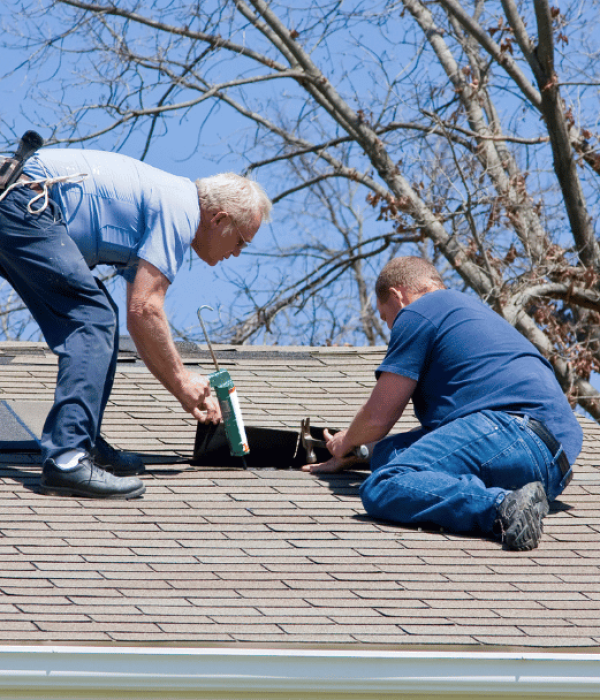
The "Betterment, Restoration, Adaptation" Test
The IRS uses a three-part test to determine if work qualifies as an improvement:
- Betterment Does the work fix a pre-existing defect or condition? Does it expand the roof’s capacity? Does it materially increase the roof’s quality or efficiency?
- Restoration Does the work return the roof to like-new condition after significant deterioration? Does it rebuild the roof after damage or loss?
- Adaptation Does the work adapt the roof for a new or different use than its original purpose?
If your roof work meets any of these criteria, the IRS likely considers it an improvement that must be capitalized. A professional roof inspection can help document your roof’s condition before and after work is performed.
Common Austin Roof Scenarios
Here’s how typical roof work in Austin gets classified:
Scenario | Classification | Why |
|---|---|---|
Patch leak after thunderstorm | Repair (Expense) | Restores to working condition |
Replace 20 shingles from hail | Repair (Expense) | Minor restoration |
Fix flashing around chimney | Repair (Expense) | Maintenance |
Full roof replacement | Improvement (Capitalize) | Extends useful life |
Upgrade to impact-resistant shingles | Improvement (Capitalize) | Betterment |
Add skylights during reroof | Improvement (Capitalize) | Adaptation |
De Minimis Safe Harbor Election
For small repairs, the IRS offers a de minimis safe harbor that lets you expense items below a certain threshold without capitalizing them. For businesses with applicable financial statements, the limit is $5,000 per invoice or item. For businesses without, it’s $2,500.
Many minor roof repairs fall under this threshold, making them automatically deductible regardless of classification.
What About Insurance Claims?
After hail damage or storm damage, insurance often covers roof repairs or replacement. Here’s how that affects your taxes:
- If insurance covers the full cost: No deduction available (you didn’t pay out of pocket)
- If you pay a deductible: The deductible may be deductible as a casualty loss or repair expense
- If repairs exceed insurance payment: The excess you pay may be deductible
We help Austin property owners document storm damage thoroughly for both insurance claims and tax purposes. Our detailed inspection reports and invoices clearly describe the work performed.
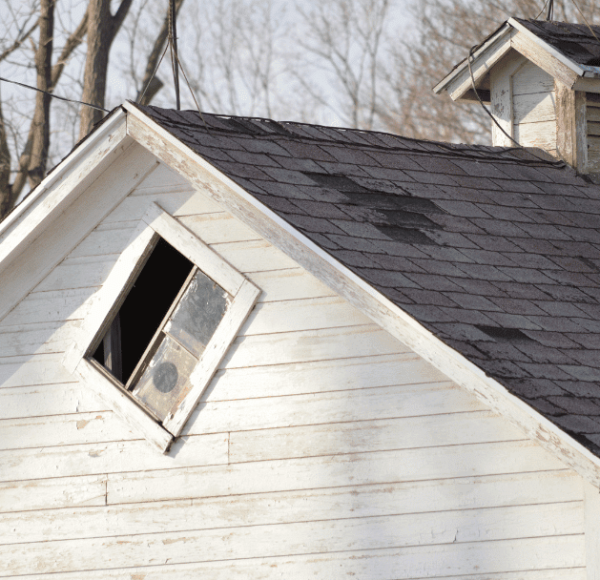
Documentation We Provide
Proper documentation is essential for tax purposes. When you work with Austin Roofing Company & Water Damage | WDR, we provide:
- Detailed written roof estimates describing all work
- Itemized invoices separating labor and materials
- Before and after photos documenting the scope
- Clear descriptions distinguishing repairs from improvements
- Roof inspection reports detailing existing conditions
This documentation helps your CPA or tax advisor determine the correct classification for your roof work.
Consult a Tax Professional
While we’ve helped thousands of Austin property owners understand their roof work, we always recommend consulting a CPA or tax advisor for your specific situation. Tax laws change, and your individual circumstances matter.
What we can do is provide clear, detailed documentation of exactly what work we performed—whether it’s a minor roof repair or a complete roof replacement. That makes your tax professional’s job much easier.
Get Your Roof Work Documented
Whether you need a repair that’s deductible this year or an improvement that builds long-term value, we’re here to help. Our 1,200+ five-star reviews speak to our quality work and honest service.
Call (512) 820-6505 for a free roof inspection and detailed estimate. We’ll document everything clearly so you have exactly what you need for tax time.
FAQs
Is roof repair tax deductible?
Roof repairs on rental properties and commercial buildings are generally tax deductible as business expenses in the year you pay for them. For your primary residence, roof repairs typically aren’t deductible unless they qualify for specific credits (like energy efficiency improvements) or casualty loss deductions after a disaster.
What's the difference between capitalizing and expensing roof work?
When you expense roof work, you deduct the full cost in the current tax year. When you capitalize it, you spread the deduction over multiple years through depreciation (27.5 years for residential rental property, 39 years for commercial). Repairs are usually expensed; improvements are usually capitalized.
Can I deduct a new roof on my rental property?
A complete roof replacement on a rental property must be capitalized and depreciated over 27.5 years—you can’t deduct it all at once. However, you may be able to use bonus depreciation or Section 179 in certain situations. Consult your tax advisor for your specific case.
Does insurance reimbursement affect my roof tax deduction?
Yes. If insurance fully reimburses your roof repair or replacement, you generally can’t deduct that cost since you didn’t pay it. You may only deduct the portion you actually paid out of pocket, such as your deductible or costs exceeding your insurance settlement.
How do I prove my roof work was a repair vs. improvement?
Documentation is key. Keep detailed invoices describing the work performed, photos showing the scope, and inspection reports noting the roof’s condition before and after. Work that maintains your roof without significantly extending its life or adding value is typically classified as a repair.
Should I get separate invoices for repairs and improvements?
If your roof project includes both repairs and improvements, having them itemized separately (or on separate invoices) helps your tax professional classify each portion correctly. We provide detailed, itemized invoices for exactly this reason.