

We’re Austin Roofing Company & Water Damage, known as WDR. We’ve installed shingle roofs across the Austin metro since 2012, and we hold GAF Master Elite certification (top 2% of GAF contractors nationwide) alongside BBB A+ accreditation. Our review count is 1,510+ five-star Google reviews, the largest of any Austin roofing contractor. Our crews are W-2 employees, not day-labor subcontractors, which matters for install quality on specialty shingle types where installer experience directly affects the finished product. We’re fully insured with general liability and workers’ comp.
What follows covers what shingle roofing actually means (it’s broader than most people think), the non-asphalt shingle types we install and when each makes sense in Austin’s climate, the multi-brand asphalt landscape (because it isn’t just GAF), what shingle installation looks like across different material types, warranty tiers, and the specialty situations where a non-standard shingle beats standard asphalt.
What Shingle Roofing Actually Means
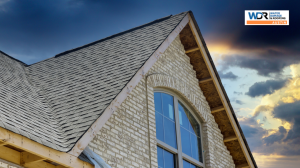 In the roofing industry, ‘shingle’ refers to any small, overlapping roofing unit installed in courses. That definition covers a lot more than the asphalt strips most people picture.
The common thread is the pattern: individual pieces installed in overlapping rows, each course sealing to the one below it, creating a water-resistant surface built from many small components rather than a few large panels. That contrasts with roll roofing (large sheets), tile roofing (interlocking heavy pieces set on battens), and metal panel roofing (long standing-seam or corrugated panels).
Because shingles are small individual units, they handle irregular roof shapes better than large panels. Complex hip-and-valley roofs, dormers, and unusual geometries all get built more cleanly with shingles than with panels. That’s part of why shingle roofing dominates residential construction across the US: most residential roofs have complex geometry that panels don’t handle gracefully.
The main shingle categories we install for Austin homeowners are asphalt shingles (by far the largest share of what we do), wood shake shingles (specialty, aesthetic-driven), synthetic composite shingles that mimic slate or wood (growing category), metal shingles (looks like asphalt or slate but with metal’s life span), and solar-integrated shingles (Tesla Solar Roof and GAF Timberline Solar). Each has its niche, and we’ll walk through when each fits in the sections below.
Shingle Types Beyond Asphalt
Asphalt gets its own detailed treatment in Section 2.5 and on our asphalt-specific page. Here’s what the non-asphalt shingle options actually offer.
Wood shake shingles
Wood shake is the traditional cedar shingle look, hand-split or sawn from western red cedar or Alaskan yellow cedar. Life span in Austin’s climate is 20 to 30 years, shorter than most modern alternatives because the heat and occasional heavy rain accelerate weathering. Class C fire rating (not Class A like modern alternatives), which limits where it can go in insurance-preferred and wildfire-zone situations. It’s a specialty choice we install occasionally on architectural restorations and specific rustic-style projects where the aesthetic is the point. Modern synthetic composite alternatives typically make more sense for new projects wanting the wood shake look.
Synthetic composite slate and shake
Synthetic composite shingles are polymer-based products designed to mimic real slate or wood shake at a fraction of the weight and cost. Life span is 50 years with limited lifetime warranties available. Class A fire rating. Available in convincing slate and shake profiles that read as authentic from the ground and pretty close even at inspection distance. Brands we install include DaVinci Roofscapes (slate and shake profiles) and Brava Roof Tile (slate and shake profiles). These are growing fast in Austin because they hit the aesthetic of premium materials without the framing capacity requirements or maintenance concerns.
Metal shingles
Metal shingles are individual metal panels shaped to look like traditional shingles, wood shake, or slate from the ground. Life span is 40 to 70 years, Class A fire rating, and they handle hail meaningfully better than asphalt. Best-fit projects are homes where the owner wants metal’s durability but the standing-seam aesthetic doesn’t fit the architectural style. Stone-coated steel shingles from Boral (formerly Metro Roofs) and Decra are our most-installed lines. If a full standing-seam metal roof is more roof than you want, metal shingles hit the same durability tier with a more traditional appearance.
Solar-integrated shingles
Solar shingles are roofing shingles with photovoltaic cells built into the product. Tesla Solar Roof (glass tiles with PV integrated into the aesthetic tiles) and GAF Timberline Solar (traditional asphalt shingle appearance with PV cells built into specific shingles) are the two major systems on the market. These are a specialized install and pricing runs meaningfully higher than a comparable non-solar roof plus separately mounted panels. Best-fit projects are new construction or full replacement scenarios where the homeowner already wants solar and prioritizes aesthetic integration over lowest solar cost. We install both systems and can walk through whether they make sense for your specific project.
Choosing Between Shingle Types
The right shingle type depends on your ownership horizon, budget, aesthetic goals, and any specific concerns (hail, fire, solar). Here’s how we think about matching type to project.
If cost is the primary driver: standard 3-tab or entry-level architectural asphalt. Life span is 20 to 30 years, install cost is the lowest of any option, wide brand and color selection.
If long-term value is the primary driver: architectural asphalt with Class 4 impact rating from a Master Elite installer with Golden Pledge warranty coverage. 30 to 50 year effective life, better hail performance, non-prorated warranty. Best value math for most Austin homeowners planning 15+ years of ownership.
If aesthetic is driving the choice toward a premium look: synthetic composite slate or shake (DaVinci or Brava) usually beats real wood shake on every axis except pure authenticity. Longer life, Class A fire rating, no framing capacity issues, and the visual gap has closed to where it’s hard to tell from the ground.
If durability is critical and metal panels don’t fit the architecture: metal shingles (stone-coated steel from Boral or Decra) give you 40+ years with traditional shingle appearance.
If solar is part of the plan and aesthetics matter: solar-integrated shingles. Higher up-front cost than standard shingles plus separately-mounted panels, but the integrated look is what you’re paying for.
If none of these clearly fit: architectural asphalt with GAF Timberline HDZ is the safe default. It’s what we install most often for a reason. Wide product line, strong warranty tier, established performance in Austin’s climate.
Multi-Brand Asphalt Shingle Options
Asphalt shingles aren’t just GAF. Four major manufacturers have meaningful market presence in Austin: GAF, Owens Corning, CertainTeed, and Malarkey. Here’s how they compare and when each fits.
GAF (our primary line)
GAF is the largest residential roofing manufacturer in North America and our default recommendation. Timberline HDZ (architectural workhorse), Timberline UHD (upgraded architectural with taller shadow lines), Grand Sequoia and Grand Canyon (luxury designer options). Our GAF Master Elite certification unlocks the Golden Pledge warranty, non-prorated for 50 years on materials and 25 years on workmanship. About 80% of the asphalt roofs we install use GAF products.
Owens Corning (Duration series)
Owens Corning is GAF’s biggest competitor and makes solid products. The Duration series (architectural), Duration Storm (Class 4 impact-rated), and Berkshire (luxury designer). Owens Corning uses SureNail technology for wind resistance, which is a legitimate installation differentiator. We install Owens Corning when the homeowner has a specific preference, when a specific color or profile fits their aesthetic better than the GAF equivalent, or on insurance replacements where the previous roof was Owens Corning and they want like-kind.
CertainTeed (Landmark series)
CertainTeed’s Landmark shingle line is the direct competitor to GAF Timberline HDZ. Landmark PRO adds extra protection tier, Landmark Premium is the luxury designer option. CertainTeed has a strong contractor certification program (Shingle Master, Master Shingle Applicator, SELECT ShingleMaster) that parallels GAF Master Elite. We install CertainTeed when the homeowner specifically requests it or when architectural style calls for specific colors that CertainTeed offers.
Malarkey (specialty positioning)
Malarkey is a smaller manufacturer with a specific niche: sustainable roofing focus, higher polymer content in their shingles (which affects longevity and impact resistance), and manufacturing that includes recycled tire rubber and post-consumer materials. Legacy is their premium architectural line. Windsor is the mid-tier. Fits homeowners who prioritize environmental considerations in their material choices, or who value the specific durability signature that comes from polymer-modified asphalt vs standard oxidized asphalt.
What Installation Looks Like Across Shingle Types
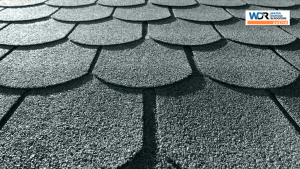 Asphalt shingle installation takes 1 to 3 days on typical residential and follows a standard sequence: tear-off, deck inspection, underlayment, drip edge, starter, field shingles, ridge and hip caps, flashing detail, cleanup. Details vary by manufacturer spec but the overall flow is consistent. Whether the installation is a repair, replacement, or new construction roofing project, the shingle-setting phase itself follows the same fundamentals.
Wood shake installation runs 2 to 4 days for the same size roof because each shake gets placed by hand with more attention to grain alignment and course spacing than asphalt requires. Specialty install skill matters more here than on asphalt.
Synthetic composite installation runs 2 to 4 days. Composite shingles are heavier than asphalt (though lighter than real slate) and require specific fastening patterns from the manufacturer to preserve warranty. Installation isn’t complicated but the crew needs experience with the specific product because generic asphalt techniques don’t transfer directly.
Metal shingle installation runs 2 to 5 days. Each shingle gets clipped or nailed per manufacturer spec, and the flashing details at valleys and penetrations are more precise than on asphalt because metal doesn’t self-seal the way asphalt does.
Solar shingle installation is different again: electrical work runs in parallel with roofing, inverter mounting has to be planned, and final commissioning requires the solar installer’s electrician plus utility inspection. Total elapsed time is typically 5 to 10 days including the electrical scheduling.
Warranty Tiers Across Shingle Systems
Shingle warranties vary by material type, and understanding what each tier actually covers matters more than the headline warranty length.
Asphalt architectural (mid-tier): 30 to 50 year limited warranty from the manufacturer, prorated after year 10 for basic warranty coverage. Non-prorated for 50 years on materials AND 25 year workmanship coverage under GAF Golden Pledge, if installed by a Master Elite contractor using the full GAF system. Similar upgraded warranty tiers exist for Owens Corning (Preferred Contractor) and CertainTeed (SELECT ShingleMaster).
Asphalt luxury designer: 50 year to lifetime limited warranty, same prorating and upgrade dynamics as architectural.
Wood shake: 20 to 30 year manufacturer warranty on the material, but coverage often excludes weathering-related discoloration and warping (which are the primary aging modes).
Synthetic composite slate and shake: 50 year to lifetime limited warranty, typically non-prorated for the first 50 years. DaVinci and Brava both offer strong warranty terms, and their products haven’t been in the market long enough for real-world 50-year data, but the accelerated aging tests are promising.
Metal shingles: 40 to 50 year manufacturer warranty on the material, plus finish warranties (color, coating) that vary by product.
Solar shingles: 25 year power output warranty (typical), 25 year product warranty on the roofing element, plus separate warranties on inverters and battery components if included.
When Specialty Shingles Beat Standard Asphalt
Standard asphalt is the right answer for most Austin homeowners most of the time. But there are specific situations where a specialty shingle type genuinely wins on the underlying math, not just aesthetics. If you’re weighing the decision, our inspection service team can evaluate your specific roof and situation.
Fire-zone properties: if you’re on the western side of the metro near wildfire exposure, Class A fire-rated materials matter. That includes all modern asphalt, synthetic composite, and metal shingles. It excludes wood shake, which is Class C in most formulations.
High-value custom homes with tile-look aesthetic: synthetic composite slate hits the visual target at half the framing requirement of real tile, with a life span in the same tier as concrete tile. Cost is lower than real tile too. When the aesthetic is the driver, synthetic composite is often the smart middle path.
Extreme hail exposure: Class 4 impact-rated asphalt handles most Austin hail. For homes with especially heavy hail history or homeowners who want the maximum durability tier, metal shingles handle hail better than any asphalt option and don’t require full standing-seam metal roof aesthetics.
Solar priorities: if solar is part of your plan and appearance matters, solar-integrated shingles beat panels-mounted-on-asphalt on the aesthetic axis. The cost delta is real but the visual difference is meaningful for homes where the roof is prominent from the street.
Insurance Considerations for Shingle Installations
Insurance treatment varies by shingle type, and it’s worth understanding before you decide. If your project is following storm damage, our repair services team handles the insurance side alongside the physical work.
Asphalt: fully covered under standard homeowner insurance policies. Many carriers offer discounts for Class 4 impact-rated installations. Standard depreciation schedules apply based on shingle age.
Wood shake: some carriers won’t cover wood shake at all in wildfire-adjacent zones, and premiums are often higher when they do cover it. Worth checking with your carrier before committing to wood shake.
Synthetic composite: covered similarly to premium asphalt. Some carriers offer discounts because of the fire rating and impact resistance. Others treat it like standard asphalt.
Metal shingles: covered like other metal roofing. Some carriers offer discounts for the impact resistance and life span.
Solar shingles: coverage varies significantly by carrier. Some treat the roof and solar separately (roof under homeowner, solar as a separate rider or under a different product). Some carriers won’t cover them at all yet because the product category is relatively new. This is worth investigating before committing to solar shingles.
Getting a Shingle Installation Quote
 The first step is a free on-site inspection and written estimate. Because shingle systems now span asphalt through solar-integrated products, our estimates for shingle installations include multiple options where they make sense: your default choice, one tier up (usually worth considering), and one alternative material if we think it’s a genuine contender for your specific situation.
For asphalt installations, most quotes come back within 48 hours of the inspection. Specialty shingle quotes (synthetic composite, metal shingles, solar shingles) take a few extra days because we sometimes coordinate with the manufacturer’s local rep for specific product pricing and availability. Solar shingle quotes include coordination with a qualified electrician for the electrical portion of the project.
Call (512) 820-6505 or use the estimate request form to schedule your free inspection.
Related Services
If your project is a custom home considering premium materials beyond shingles, our our tile roofing page covers the clay and concrete tile options that compete with synthetic composite for the long-life premium aesthetic tier.
If you’re doing a new build and haven’t settled on material, take a look at our new construction roofing page for the timeline and coordination considerations that affect material choice during the build phase. Call (512) 820-6505 or use the estimate form to schedule your free shingle installation inspection.
Frequently Asked Questions
What's the difference between shingle roofing and other roofing types?
Shingle roofing uses small, overlapping individual units installed in courses. That’s different from roll roofing (large sheets), tile (interlocking heavy pieces on battens), and metal panels (long standing-seam or corrugated). Shingles handle complex roof geometry better than panels because each small piece can fit around dormers, valleys, and irregular shapes cleanly.
Are there shingle options besides asphalt?
Yes. The categories we install include wood shake (cedar), synthetic composite slate and shake (DaVinci, Brava), metal shingles (Boral, Decra), and solar-integrated shingles (Tesla Solar Roof, GAF Timberline Solar). Each has specific situations where it beats standard asphalt on the math, though asphalt remains the right answer for most Austin homes.
Are synthetic composite shingles worth the extra cost over asphalt?
For homeowners planning 25+ years of ownership and who want a premium slate or shake aesthetic, usually yes. Synthetic composite lasts 50 years (vs 30 to 50 for premium asphalt), carries Class A fire rating, doesn’t require framing reinforcement like real slate would, and the visual gap has closed to where it’s hard to distinguish from real slate at ground viewing distance. Cost is higher than premium asphalt but lower than real slate.
What's the deal with solar shingles?
Solar-integrated shingles combine roofing and photovoltaic in one product. Two major systems: Tesla Solar Roof (glass tiles with PV built in) and GAF Timberline Solar (traditional shingle appearance with PV cells embedded in specific shingles). Both cost meaningfully more than a comparable non-solar roof plus separately mounted panels. The value proposition is aesthetic integration, not cost savings vs traditional solar.
Which asphalt brand do you recommend?
GAF is our primary line and installed on about 80% of our asphalt jobs, because our Master Elite certification unlocks the Golden Pledge warranty tier. But we install Owens Corning, CertainTeed, and Malarkey too, and each has legitimate strengths. Owens Corning has strong wind performance, CertainTeed has excellent color range and their own high-tier warranty program, Malarkey has polymer-modified shingles with better impact resistance and sustainability positioning.
Can wood shake shingles work in Austin?
Yes but with caveats. Life span is shorter than modern alternatives (20 to 30 years), Class C fire rating limits insurance options in wildfire zones, and modern synthetic composite alternatives typically make more sense when someone wants the wood shake look. We install wood shake occasionally on historic restorations and specific architectural situations where authenticity matters.
Is your crew fully insured for specialty shingle installations?
Yes, fully insured with general liability and workers’ comp. Certificate of insurance available before contract signing. Our crews are W-2 employees, and we specifically assign experienced installers to specialty shingle work because generic asphalt techniques don’t always transfer to synthetic composite, metal shingles, or solar systems. GAF Master Elite certification (top 2% of contractors) plus BBB A+ accreditation.